
Nutrition comparison
Udon vs Rice Noodles: Nutrition, Gluten, and Health Comparison
Comparing Udon vs Rice Noodles? Discover the key nutritional differences, gluten content, and which noodle is healthier for your diet.
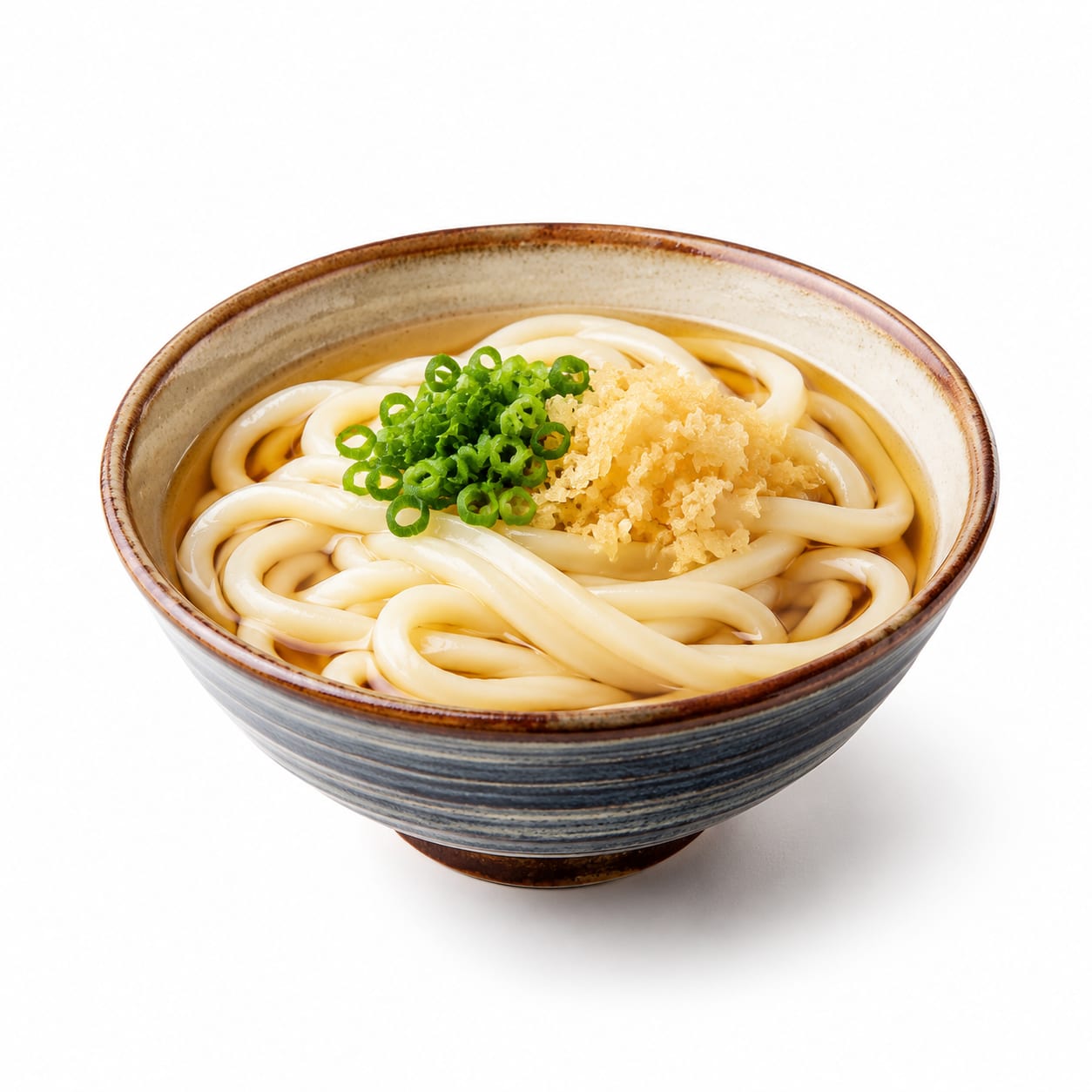
Udon
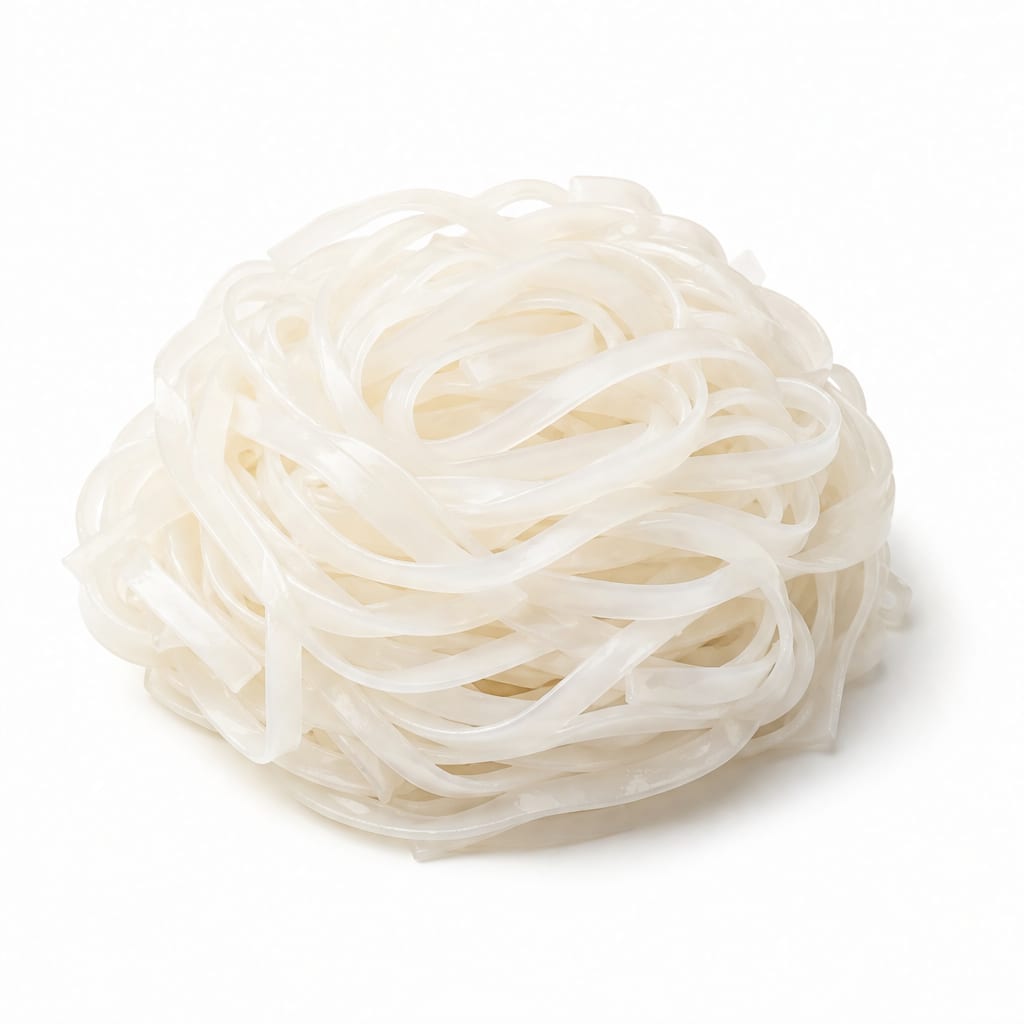
Rice Noodles
Udon provides a denser, more filling bite with slightly more protein, while rice noodles offer a lighter, gluten-free alternative that digests easily.
Scores are nearly identical because both are refined carbohydrate bases; the slight edge for Udon comes from higher protein and satiety, while rice noodles win on digestibility and sodium.
Hearty wheat-based satisfaction versus light, gluten-free digestibility.
At a glance
Executive summary
Overall
It depends
Healthier
It depends
More practical
It depends
Daily use
It depends
Key comparison lenses
Gluten sensitivity and digestive tolerance
Udon is wheat-based and contains gluten, while rice noodles are naturally gluten-free, making this the primary deciding factor for many.
Satiety and meal satisfaction
Udon provides a dense, chewy bite that fills you up, whereas rice noodles offer a lighter eating experience.
Sodium load and heart health
Udon dough and its traditional broths are high in sodium, while rice noodles are naturally very low in salt.
Blood sugar management
Both are refined carbohydrates, but their different protein contents and glycemic profiles affect how quickly blood sugar rises.
Best choice for
Udon
- Hearty winter meals
- Post-workout carb loading
- Those needing sustained fullness
Rice Noodles
- Gluten-free diets
- Light summer rolls and stir-fries
- Sensitive stomachs
Least suitable for
Udon
- Celiac disease
- Gluten intolerance
- Low-sodium diets
Rice Noodles
- High-protein diets
- Heavy comforting meals
- Blood sugar management without added fiber
Deep comparison
Dimension by dimension
Each lens scores both foods and breaks down who each option suits.
- Dimension 1 · Priority 95Rice Noodles
Digestive Comfort & Allergens
Udon · 40Rice Noodles · 95Rice noodles are naturally gluten-free and gentle on the gut, making them a safe bet for anyone with wheat sensitivities.
Tradeoff
You avoid gluten with rice noodles, but miss out on the denser texture that wheat provides.
Why it matters
Gluten intolerance affects a significant portion of the population, causing bloating and fatigue after eating wheat.
Real-world impact
Choosing rice noodles means no post-meal bloating if you are sensitive to wheat.
Udon
- People without gluten issues who prioritize chewiness
Better for
- Those with wheat allergies
Worse for
Rice Noodles
- Anyone with celiac disease
- People experiencing bloating after wheat
Better for
- People looking for a dense, heavy meal
Worse for
- Dimension 2 · Priority 80Udon
Satiety & Fullness
Udon · 75Rice Noodles · 55Udon's wheat gluten and thicker texture make it significantly more filling than delicate rice noodles.
Tradeoff
You stay full longer with Udon, but might feel overly stuffed if you just wanted a light lunch.
Why it matters
Feeling full prevents overeating and snacking between meals.
Real-world impact
A bowl of Udon will likely keep you satisfied until dinner, whereas rice noodles might leave you hunting for a snack by 3 PM.
Udon
- Long workdays without breaks
- Active individuals needing lasting energy
Better for
- Small appetites
Worse for
Rice Noodles
- Light dinners
- Appetizers before a main course
Better for
- Recovering from intense workouts
Worse for
- Dimension 3 · Priority 75Rice Noodles
Sodium & Heart Health
Udon · 45Rice Noodles · 85Rice noodles are naturally very low in sodium, while Udon dough is often made with salt and served in heavily salted broths.
Tradeoff
Rice noodles give you complete control over your salt intake, whereas Udon often comes with a hidden sodium load.
Why it matters
High sodium intake leads to water retention and elevated blood pressure over time.
Real-world impact
Eating Udon in restaurants can easily deliver half your daily sodium allowance in one bowl.
Udon
- Athletes who sweat heavily and need sodium
Better for
- Heart health conscious diners
Worse for
Rice Noodles
- People with hypertension
- Those watching their salt intake
Better for
- Endurance athletes needing electrolyte replacement
Worse for
- Dimension 4 · Priority 70It depends
Blood Sugar Stability
Udon · 55Rice Noodles · 55Both are refined starches that can spike blood sugar, though Udon's slightly higher protein slows digestion just a bit.
Tradeoff
Neither is a low-glycemic champion, so portion control and pairing with protein and fat is essential for both.
Why it matters
Rapid blood sugar spikes lead to energy crashes and increased cravings.
Real-world impact
Eating a large bowl of either noodle on its own will likely cause an afternoon energy crash.
Udon
- Slightly slower digestion due to gluten structure
Better for
- Large refined carb loads
Worse for
Rice Noodles
- Smaller portions that digest quickly
Better for
- Rapid blood sugar spikes if eaten alone
Worse for
Timeline
Health impact over time
Short-term
Hours to days
Udon
- Quick, comforting energy
- High satiety from dense texture
- Potential bloating if gluten sensitive
Rice Noodles
- Light feeling after eating
- Rapid but short-lasting energy
- Easy on the digestive tract
Long-term
Months to years
Udon
- Sustained protein intake from wheat
- Risk of high sodium intake from broths
- Potential aggravation of gut inflammation if sensitive to gluten
Rice Noodles
- Safe for long-term gluten-free diets
- Lower sodium baseline
- Potential arsenic exposure from rice if consumed excessively
Risk profile
Safety & processing
Both Udon and rice noodles are simple processed foods made from minimal ingredients—flour, water, and sometimes salt—without significant artificial additives.
Udon
Gluten cross-contamination
highEven trace amounts of Udon can trigger severe reactions in those with celiac disease.
Rice Noodles
Arsenic exposure
mediumRice tends to accumulate arsenic from soil and water; eating rice noodles daily could increase heavy metal exposure over time.
Who wins for whom
Audience fit
Same foods, different winners depending on your goal.
children
It dependsUdon is fun and easy to slurp, but rice noodles are lighter and gluten-free for sensitive kids.
daily consumption
It dependsRice noodles are better daily if you are gluten-free, but Udon is better if you need more satiety and protein.
diabetes
It dependsBoth are high-glycemic refined carbs; the best choice depends entirely on what you pair them with to slow sugar absorption.
elderly
Rice NoodlesRice noodles are softer and easier to digest, which is often better for aging digestive systems.
muscle gain
UdonUdon has more protein from wheat gluten, which is slightly more beneficial for muscle maintenance, though both need added protein.
weight loss
Rice NoodlesRice noodles are slightly lower in calories and less dense, making portion control easier for weight loss.
Your move
Decision guide
Choose Udon
- You want a hearty, comforting meal that keeps you full
- You have no issues with gluten
- You need a post-workout carb that offers a bit of protein
Choose Rice Noodles
- You are avoiding gluten or wheat
- You want a light base for stir-fries or soups
- You are watching your sodium intake
Either works if
- You are adding lots of vegetables and lean protein to your bowl
- You just want a quick carb base and have no dietary restrictions
Avoid both if
- You are on a strict low-carb or ketogenic diet
- You are trying to minimize refined starches
Final recommendation
Let your body's reaction to gluten guide you: choose rice noodles for a light, gluten-free meal, and Udon when you crave something hearty and filling. Always load up on veggies and protein regardless of which noodle you pick.
Practical
Consumer tips
- 1
Rinse both types of noodles after cooking to remove excess surface starch and prevent clumping.
- 2
Always add a protein source like chicken, tofu, or eggs to stabilize your blood sugar.
- 3
If choosing Udon, opt for low-sodium broths to keep your salt intake in check.
- 4
Vary your grain choices throughout the week to avoid overexposure to arsenic from rice.