
Nutrition comparison
Udon vs Zucchini Noodles: Which Is Better for Weight Loss, Energy, and Daily Meals?
Compare Udon and Zucchini Noodles on calories, carbs, blood sugar impact, and meal satisfaction. Find out which noodle fits your health goals and when to choose each.
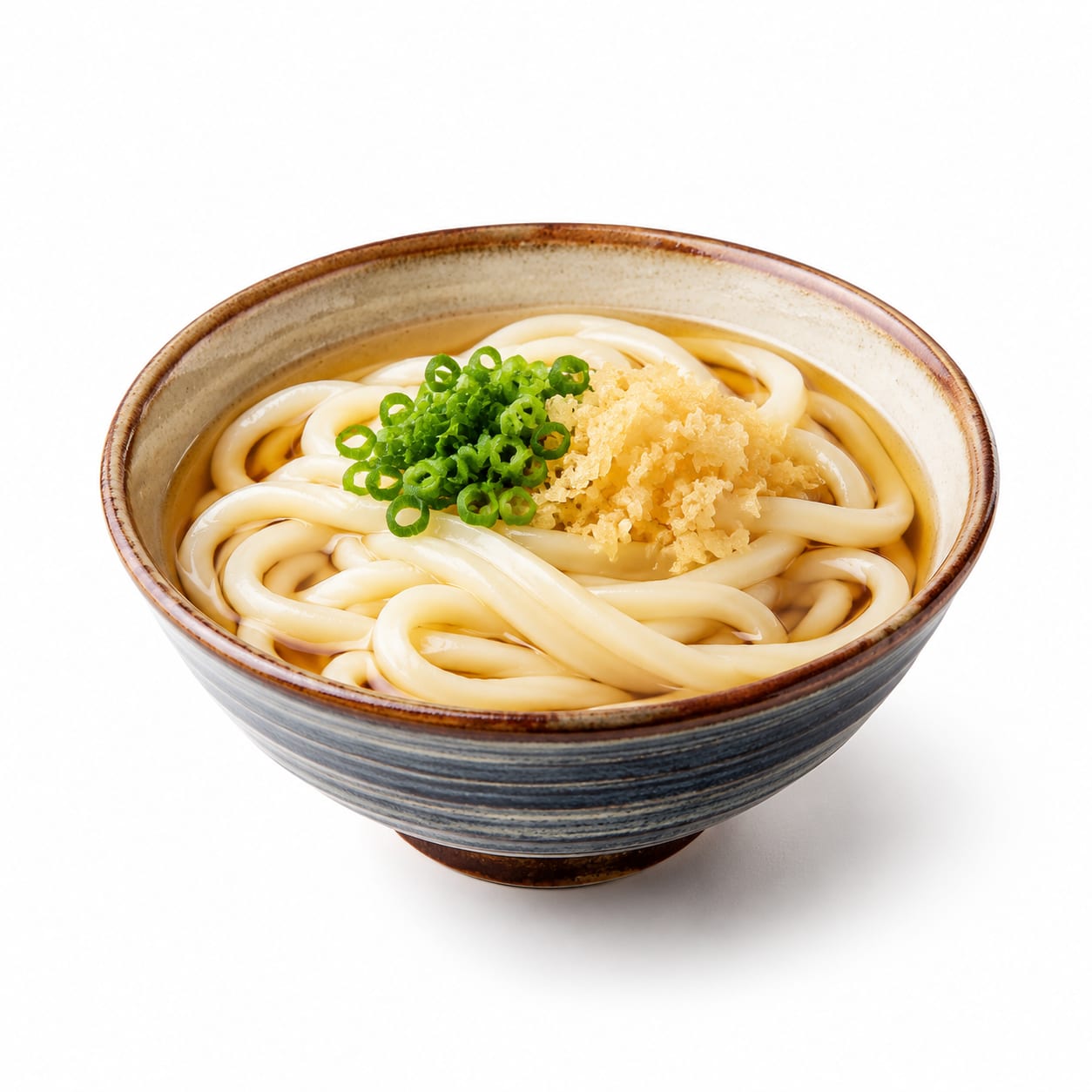
Udon
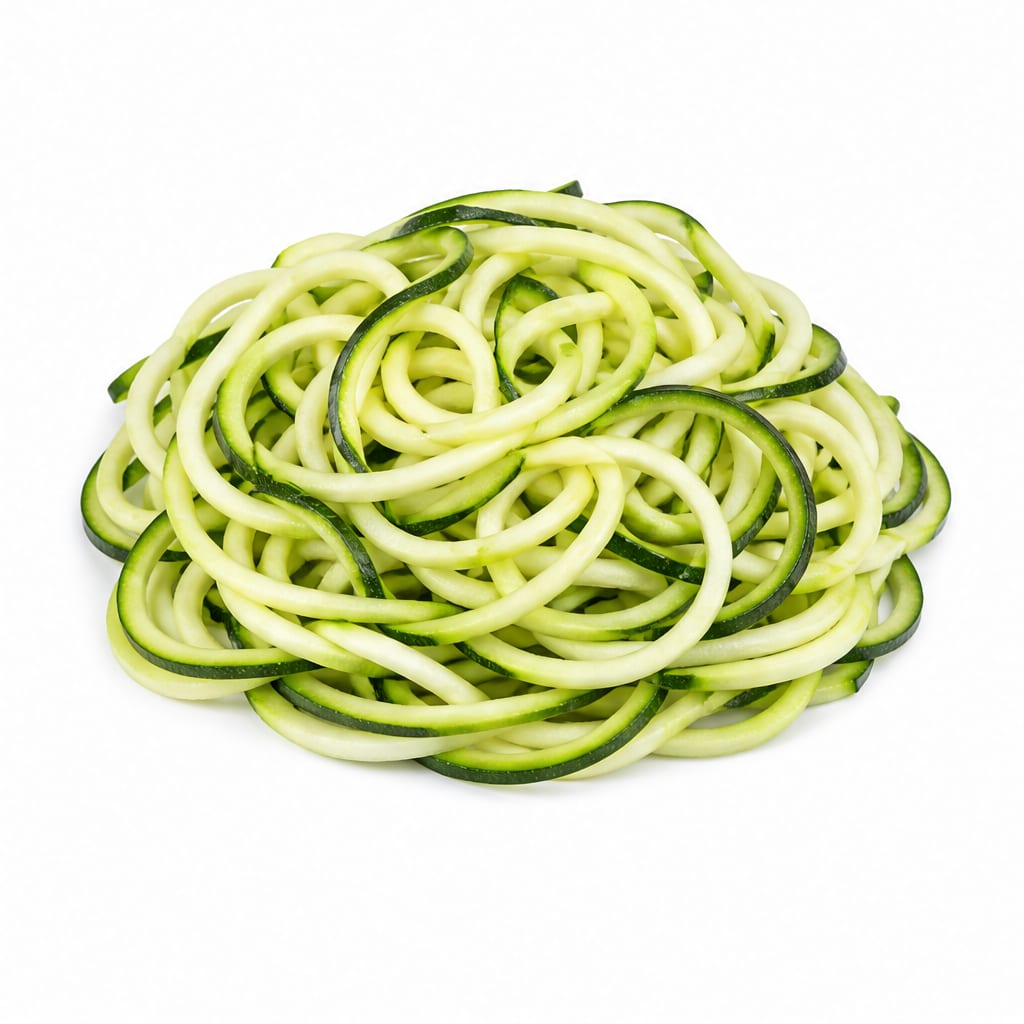
Zucchini Noodles
Udon fuels and satisfies; Zucchini Noodles lighten and slim. Pick based on what your body needs today.
Zucchini Noodles score higher for most health-conscious users due to low calories, minimal carbs, and micronutrient content. Udon scores reasonably for energy and satisfaction but loses ground on blood sugar impact and calorie density.
Hearty comfort and steady energy from Udon versus near-zero calories and carb freedom from Zucchini Noodles.
At a glance
Executive summary
Overall
It depends
Healthier
Zucchini Noodles
More practical
Udon
Daily use
Zucchini Noodles
Key comparison lenses
low carb diet compatibility
This is the primary reason most people choose between these two foods — one is carb-heavy, the other is nearly carb-free
weight loss plate potential
Zucchini Noodles are a famous pasta substitute for calorie reduction, while Udon is a comforting but calorie-dense alternative
meal satisfaction and comfort
Udon delivers chewy, filling comfort that Zucchini Noodles simply cannot replicate, which matters for long-term diet adherence
blood sugar management
The glycemic gap between these two is massive — critical for anyone monitoring glucose
athletic fueling
Udon provides readily available energy for active people; Zucchini Noodles do not
Best choice for
Udon
- Athletes needing carb fuel before or after training
- People wanting a comforting, satisfying meal that prevents late snacking
- Anyone underweight or recovering from illness who needs easy calories
- Cold-weather meals where warmth and substance matter
Zucchini Noodles
- People cutting calories without shrinking portion sizes
- Low-carb or keto dieters craving a noodle experience
- Anyone managing blood sugar or insulin resistance
- Those wanting to load up on volume without the food coma
Least suitable for
Udon
- People with diabetes or insulin resistance
- Anyone on a strict low-carb or keto plan
- Those trying to reduce refined carbohydrate intake
Zucchini Noodles
- Endurance athletes who need glycogen replenishment
- People who feel unsatisfied without dense carbs and end up overeating later
- Anyone needing calorie-dense meals for weight gain
Deep comparison
Dimension by dimension
Each lens scores both foods and breaks down who each option suits.
- Dimension 1 · Priority 95Zucchini Noodles
Calorie Density and Weight Management
Udon · 30Zucchini Noodles · 95Zucchini Noodles deliver massive volume for almost no calories. Udon packs hundreds of calories into a modest bowl.
Tradeoff
You get satisfying chew and fullness from Udon, but at 5-6 times the calorie cost per serving.
Why it matters
If weight loss is your goal, calorie density is the single biggest lever you can pull.
Real-world impact
A heaping plate of Zucchini Noodles with sauce runs under 100 calories. The same visual portion of Udon hits 300-400 before toppings.
Udon
- Bulking up when you need more calories
- Feeling physically full after one bowl
Better for
- Anyone tracking calories closely
- People prone to overeating dense carbs
Worse for
Zucchini Noodles
- Eating large portions without calorie guilt
- Creating a calorie deficit effortlessly
Better for
- Those who need energy-dense meals
- Situations where weight gain is the goal
Worse for
- Dimension 2 · Priority 90Zucchini Noodles
Blood Sugar Stability
Udon · 25Zucchini Noodles · 95Udon is made from refined wheat flour and digests quickly, spiking blood sugar. Zucchini Noodles barely register on glucose.
Tradeoff
Udon gives you quick energy but risks the crash. Zucchini Noodles keep glucose flat but provide zero fuel.
Why it matters
Blood sugar spikes drive cravings, fatigue, and long-term metabolic risk. This is the starkest difference between these two foods.
Real-world impact
Eat Udon at lunch and you may feel sleepy by 2pm. Eat Zucchini Noodles and your energy stays level — but you might be hungry again sooner.
Udon
- Pre-workout fuel when you need fast energy
- Post-exercise glycogen replenishment
Better for
- Anyone with insulin resistance
- People sensitive to blood sugar swings
Worse for
Zucchini Noodles
- Managing diabetes or prediabetes
- Avoiding afternoon energy crashes
- Sustained focus without the carb fog
Better for
- Athletes mid-training who need quick glucose
Worse for
- Dimension 3 · Priority 85Udon
Satiety and Meal Satisfaction
Udon · 80Zucchini Noodles · 45Udon's dense chew and carb content make it genuinely satisfying. Zucchini Noodles can feel like a side dish pretending to be a meal.
Tradeoff
Comfort now versus calories later. Udon satisfies deeply but costs more nutritionally. Zucchini Noodles are light — sometimes too light.
Why it matters
Meals that do not satisfy lead to snacking, which undermines any calorie savings from the original choice.
Real-world impact
A bowl of Udon can keep you full for 4-5 hours. Zucchini Noodles alone may leave you hunting for snacks within 2 hours.
Udon
- One-bowl meals that actually hold you over
- Emotional comfort eating that feels complete
- Preventing late-night hunger cycles
Better for
- People who tend to overeat when food is too satisfying
Worse for
Zucchini Noodles
- Light dinners when you want to wake up hungry
- Hot weather meals where heavy food feels wrong
Better for
- Anyone who feels deprived on light meals and binges later
- People using food for emotional comfort
Worse for
- Dimension 4 · Priority 70Zucchini Noodles
Micronutrient Value
Udon · 25Zucchini Noodles · 75Zucchini brings vitamin C, potassium, and antioxidants. Udon is essentially refined wheat with minimal micronutrients.
Tradeoff
Udon provides B vitamins from enrichment at best. Zucchini Noodles offer real vitamins from an actual vegetable.
Why it matters
Nutrient-dense foods support immunity, skin, and long-term health beyond just calories and macros.
Real-world impact
A serving of Zucchini Noodles contributes meaningfully to your daily vegetable intake. Udon contributes almost nothing nutritionally beyond starch energy.
Udon
- Situations where calories and energy matter more than micronutrients
Better for
- Anyone relying on grains as a nutritional cornerstone
Worse for
Zucchini Noodles
- Boosting daily vegetable intake effortlessly
- Getting potassium without supplements
- Supporting immune function with vitamin C
Better for
- Not a significant source of iron or B12
Worse for
- Dimension 5 · Priority 65Udon
Versatility and Culinary Experience
Udon · 80Zucchini Noodles · 60Udon absorbs broth beautifully and works in soups, stir-fries, and cold dishes. Zucchini Noodles are best raw or lightly sautéed — they get mushy fast.
Tradeoff
Udon is more forgiving and delicious across preparations. Zucchini Noodles require careful cooking to avoid a watery mess.
Why it matters
Food that is hard to cook well gets abandoned. Sustainability depends on enjoyment.
Real-world impact
Udon turns a simple broth into a meal. Zucchini Noodles can turn a nice sauce into a puddle if overcooked even slightly.
Udon
- Soups and broths where noodle texture matters
- Cold noodle salads with bold dressings
- Beginner cooks who want foolproof results
Better for
- Dishes where you want the noodle to disappear into the sauce
Worse for
Zucchini Noodles
- Raw or barely-warmed preparations
- Pasta alternatives in Mediterranean-style dishes
Better for
- Long-cooked soups or stews
- Meal prep that involves reheating
Worse for
- Dimension 6 · Priority 60Zucchini Noodles
Digestive Tolerance
Udon · 45Zucchini Noodles · 80Zucchini Noodles are gentle on digestion and provide water and fiber. Udon's refined wheat can bloat sensitive stomachs, especially in large portions.
Tradeoff
Udon is soft and easy to chew but the gluten and starch can cause heaviness. Zucchini Noodles are light but the fiber may bother some if eaten in extreme volumes.
Why it matters
Post-meal comfort affects productivity, mood, and whether you want to eat that food again.
Real-world impact
After a big bowl of Udon, you may feel sluggish and bloated. After Zucchini Noodles, you feel light and ready to move.
Udon
- People who tolerate wheat well and find warm carbs soothing
Better for
- People with gluten intolerance or wheat sensitivity
- Those who get sleepy after heavy carb meals
Worse for
Zucchini Noodles
- Anyone prone to bloating after heavy meals
- People with mild gluten sensitivity
- Evening meals where you want to sleep comfortably after
Better for
- Rare individuals sensitive to high-fiber vegetables in large amounts
Worse for
Timeline
Health impact over time
Short-term
Hours to days
Udon
- Quick energy from easily digested starch
- Possible blood sugar spike followed by a crash within 1-2 hours
- Comforting fullness that reduces immediate snacking urge
- Potential bloating or heaviness in sensitive individuals
Zucchini Noodles
- Stable blood sugar with no spike or crash
- Light feeling that may leave you hungry sooner than expected
- Mild hydration boost from high water content
- Easy digestion with minimal gastrointestinal discomfort
Long-term
Months to years
Udon
- Regular consumption of refined carbs may increase risk of insulin resistance
- Higher calorie density can contribute to gradual weight gain if portions are not managed
- Low micronutrient contribution means Udon should not displace nutrient-dense foods
- Gluten exposure is fine for most but problematic for those with celiac or sensitivity
Zucchini Noodles
- Consistent low-calorie intake supports healthy weight maintenance
- Regular vegetable consumption contributes to long-term disease risk reduction
- Very low calorie density means you must ensure adequate overall nutrition from other foods
- May support healthy blood pressure due to potassium content
Risk profile
Safety & processing
Fresh Udon contains just wheat, salt, and water — simple but still a refined product. Dried Udon may include preservatives. Zucchini Noodles are literally spiralized vegetables with nothing added. Both are clean compared to most processed foods, but Zucchini Noodles are closer to nature.
Udon
Gluten exposure for sensitive individuals
highUdon is wheat-based and entirely unsafe for those with celiac disease or significant gluten intolerance.
Sodium in packaged varieties
mediumPre-cooked or frozen Udon can contain surprising amounts of sodium. Fresh or dried versions are lower.
Zucchini Noodles
Pesticide residue on conventional zucchini
mediumZucchini is not on the highest-risk list but conventional skins can carry residues. Washing thoroughly or choosing organic reduces this.
Bacterial contamination from raw preparation
lowSince Zucchini Noodles are often barely cooked, proper washing is important to remove surface bacteria.
Who wins for whom
Audience fit
Same foods, different winners depending on your goal.
children
UdonKids need energy-dense foods for growth and generally find Udon more appealing and fun to eat than vegetable noodles.
daily consumption
Zucchini NoodlesDaily Udon means daily refined carbs and calorie load. Daily Zucchini Noodles means daily vegetable intake with no downside.
diabetes
Zucchini NoodlesMinimal carbohydrate content means virtually no blood sugar impact, making Zucchini Noodles safe for glucose management.
elderly
Zucchini NoodlesLower calorie density and easier digestion make Zucchini Noodles gentler for aging metabolisms and sensitive stomachs.
muscle gain
UdonUdon provides the carbohydrate fuel needed to support intense training and recovery. Zucchini Noodles offer no meaningful energy or protein.
weight loss
Zucchini NoodlesNear-zero calories and carbs make Zucchini Noodles the easiest path to a calorie deficit without portion restriction.
Your move
Decision guide
Choose Udon
- You are active and need carb fuel for performance
- You want one satisfying bowl that holds you for hours
- It is cold out and you crave something warm and substantial
- You are at a healthy weight and not worried about carb intake
Choose Zucchini Noodles
- You are cutting calories or following a low-carb plan
- You want to eat a massive portion without consequences
- You have blood sugar concerns or insulin resistance
- You want to increase your daily vegetable intake easily
Either works if
- You are mixing both — Udon for lunch on training days, Zucchini Noodles for light dinners
- You want a base for a sauce-heavy dish where the noodle itself is secondary
Avoid both if
- You need a high-protein meal — neither provides meaningful protein
- You are looking for a complete meal rather than a base ingredient
Final recommendation
Use Zucchini Noodles as your default for daily meals and save Udon for when you genuinely need the energy or the comfort. The best strategy for many people is a hybrid: mix half Udon with half Zucchini Noodles to get some satisfaction and some calorie savings. This gives you the chew you crave without the full carb load, and it feels sustainable rather than restrictive.
Practical
Consumer tips
- 1
Spiralize zucchini fresh at home — pre-packaged Zucchini Noodles are convenient but go watery faster
- 2
Salt Zucchini Noodles and let them sit 10 minutes, then pat dry before cooking to reduce sogginess
- 3
Choose fresh Udon over dried when possible — better texture and fewer additives
- 4
If mixing both, cook Udon first and toss with Zucchini Noodles at the end so they stay slightly crisp
- 5
Add protein like chicken, tofu, or shrimp to either noodle — neither is a complete meal on its own
- 6
Go organic on zucchini if you eat the skin regularly to reduce pesticide exposure
- 7
For Udon, check sodium on pre-cooked packs — some brands pack a full day's worth per serving