
Nutrition comparison
Udon vs Lo Mein: Healthier Noodle Comparison
Compare Udon vs Lo Mein to find out which noodle dish is healthier, lower in calories, and better for your dietary goals.
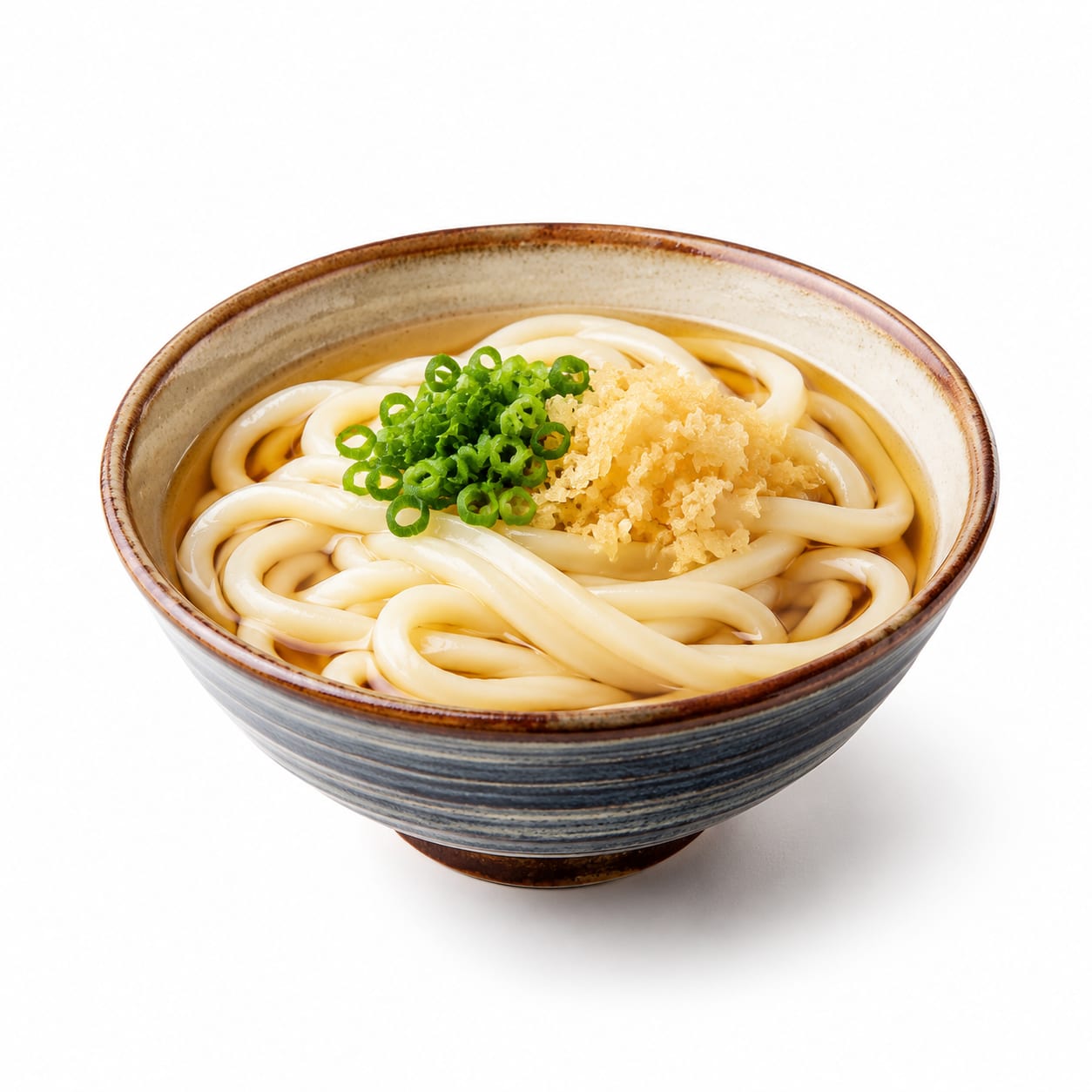
Udon
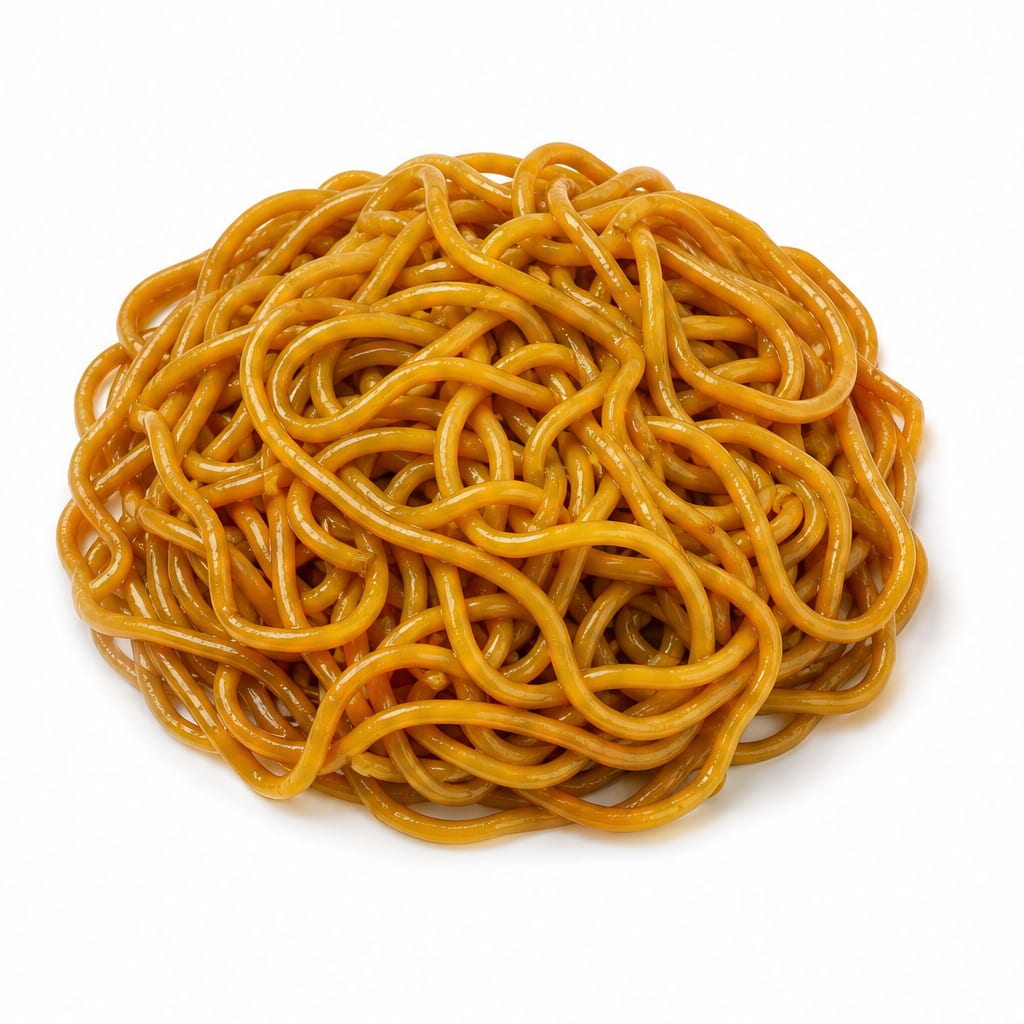
Lo Mein
Udon offers a lighter, broth-based comfort with fewer calories, while Lo Mein delivers richer stir-fried flavor at the cost of more oil and sodium.
Udon edges out Lo Mein slightly due to lower fat and calorie density, but both are refined-carb heavy dishes that require mindful pairing with protein and veggies.
Lighter, easier-to-digest comfort (Udon) versus bolder, oilier stir-fry satisfaction (Lo Mein).
At a glance
Executive summary
Overall
It depends
Healthier
Udon
More practical
It depends
Daily use
Udon
Key comparison lenses
Choosing a healthier noodle dish at an Asian restaurant
Both are popular wheat noodle options, but their preparation methods drastically change their nutritional profiles.
Managing calorie and fat intake from carb-heavy meals
Broth-based versus oil-based cooking creates a massive divergence in calorie density.
Finding a comforting versus flavorful carb base
Udon is prized for soothing comfort, while Lo Mein is sought after for bold, savory flavors.
Best choice for
Udon
- Upset stomach or needing gentle comfort food
- Watching calorie and fat intake closely
- Cold days needing a warming, hydrating broth
Lo Mein
- Craving bold, savory takeout flavors
- Needing a filling meal with mixed proteins and veggies
- Post-workout calorie surplus needs
Least suitable for
Udon
- Strict low-carb dieters
- Those wanting a highly flavorful, sauce-heavy dish
Lo Mein
- People managing hypertension
- Anyone tracking calorie density or fat intake
Deep comparison
Dimension by dimension
Each lens scores both foods and breaks down who each option suits.
- Dimension 1 · Priority 95Udon
Calorie Density & Fat Content
Udon · 75Lo Mein · 45Udon is typically served in broth rather than stir-fried in oil, making it significantly lower in calories and fat.
Tradeoff
You get a lighter meal with Udon, but Lo Mein's oil gives it a richer mouthfeel and more flavor carry.
Why it matters
Oil doubles the calories quickly. A plate of Lo Mein can easily pack 2-3 times the fat of a bowl of Udon.
Real-world impact
Choosing Udon leaves you less sluggish after eating, while Lo Mein might feel heavier in your stomach.
Udon
- Weight management
- Lighter lunch options
Better for
- Those wanting intense flavor
Worse for
Lo Mein
- Bulking phases
- High-calorie needs
Better for
- Fat-restricted diets
Worse for
- Dimension 2 · Priority 90It depends
Sodium & Heart Health
Udon · 40Lo Mein · 35Both are sodium bombs, but Lo Mein's dark soy and oyster sauces often concentrate more salt per bite than Udon's broth.
Tradeoff
Udon's broth can be sipped or left behind to reduce sodium, whereas Lo Mein's sauce clings to every noodle.
Why it matters
High sodium intake directly impacts blood pressure and bloating.
Real-world impact
You might wake up puffier after a Lo Mein dinner since you absorb all the sauce, whereas you can control broth intake with Udon.
Udon
- Controllable sodium intake
Better for
- Slurping all the broth
Worse for
Lo Mein
- Heavy sweaters needing salt replacement
Better for
- Hypertension management
Worse for
- Dimension 3 · Priority 80Udon
Digestive Comfort
Udon · 85Lo Mein · 55Udon's soft texture and hydrating broth are incredibly gentle on the stomach, earning it a reputation as a classic sick-day food.
Tradeoff
Udon soothes the digestive tract, while Lo Mein's grease and heavy seasoning can trigger heartburn or indigestion.
Why it matters
How you feel an hour after eating matters just as much as the taste.
Real-world impact
Udon feels like a warm hug when you are under the weather; Lo Mein is more likely to cause a food coma.
Udon
- Sensitive stomachs
- Recovering from illness
Better for
- Wanting a complex flavor profile
Worse for
Lo Mein
- Robust digestion
Better for
- Acid reflux sufferers
Worse for
- Dimension 4 · Priority 85Lo Mein
Flavor & Satiety
Udon · 60Lo Mein · 82Lo Mein's stir-fry technique coats noodles in savory fat and sauce, creating a highly satisfying and flavorful bite.
Tradeoff
Lo Mein is undeniably tastier and more filling due to fat content, but that satisfaction comes with a heavier calorie toll.
Why it matters
Meals that taste better and keep you full longer can prevent later snacking.
Real-world impact
A box of Lo Mein easily satisfies cravings and keeps you full for hours, while Udon might leave you hunting for a snack sooner.
Udon
- Light eaters
Better for
- Big appetites
Worse for
Lo Mein
- Craving satisfaction
- Long-lasting fullness
Better for
- Light eaters
Worse for
- Dimension 5 · Priority 75Lo Mein
Nutritional Versatility
Udon · 65Lo Mein · 78Lo Mein is typically loaded with stir-fried vegetables and proteins, while Udon often comes with minimal toppings.
Tradeoff
Lo Mein naturally incorporates a better macro balance, but Udon can be upgraded if you add sides.
Why it matters
Noodles alone are just carbs; the company they keep determines the meal's nutritional quality.
Real-world impact
Ordering Lo Mein often means getting your veggies in; Udon might require adding a side of tempura or edamame to feel complete.
Udon
- Customizable light base
Better for
- Carb-heavy default
Worse for
Lo Mein
- One-pan balanced meal
Better for
- Veggie overload if you just want noodles
Worse for
Timeline
Health impact over time
Short-term
Hours to days
Udon
- Quick energy from refined carbs
- Hydrating from the broth base
- Comforting and easy to digest
Lo Mein
- High satiety from fat and protein
- Potential bloating from oil and sodium
- Strong savory satisfaction
Long-term
Months to years
Udon
- Risk of blood sugar spikes if eaten alone
- Easier on cardiovascular system if broth is moderated
Lo Mein
- Higher risk of weight gain from calorie density
- Increased blood pressure risk from heavy sauce sodium
Risk profile
Safety & processing
Both use refined wheat noodles, but Lo Mein sauces often contain more additives, MSG, and caramel color compared to Udon's simpler dashi broth.
Udon
High sodium broth
mediumUdon broth can contain a day's worth of sodium if consumed entirely.
Lo Mein
MSG sensitivity
lowRestaurant Lo Mein often contains MSG, which can cause mild symptoms in sensitive individuals.
Cross-contamination
mediumWok cooking in busy kitchens increases the risk of gluten or allergen cross-contamination.
Who wins for whom
Audience fit
Same foods, different winners depending on your goal.
children
UdonUdon's soft noodles and mild broth are easier for kids to eat and digest than heavily seasoned stir-fry.
daily consumption
UdonUdon's lighter profile is easier to eat regularly without accumulating the fat and sodium load of daily Lo Mein.
diabetes
It dependsBoth are refined carb spikes, but Lo Mein's fat can slow glucose absorption slightly, while Udon's broth prevents added fat.
elderly
UdonThe soft texture and hydrating broth of Udon are much gentler on aging digestive systems.
muscle gain
Lo MeinLo Mein typically includes more protein from mixed meats and the higher calorie surplus supports growth.
weight loss
UdonBroth-based Udon has lower calorie density than oil-coated Lo Mein, making portion control easier.
Your move
Decision guide
Choose Udon
- You want a comforting, light meal
- You are watching your fat or calorie intake
- Your stomach is feeling sensitive or upset
Choose Lo Mein
- You are craving savory takeout flavors
- You need a filling meal after heavy activity
- You want veggies and protein mixed into your noodles
Either works if
- You need a quick carb refuel
- You are ordering takeout and want Asian cuisine
Avoid both if
- You are on a strict low-carb or keto diet
- You have severe gluten intolerance
Final recommendation
Choose Udon for a lighter, comforting meal that will not weigh you down, or pick Lo Mein when you want bold flavor and a more filling, protein-packed stir-fry.
Practical
Consumer tips
- 1
Ask for Udon broth on the side to control your sodium intake.
- 2
Request light oil when ordering Lo Mein to cut calories significantly.
- 3
Add a side of edamame or extra veggies to Udon to balance the carb-heavy noodles.
- 4
Drink plenty of water after either dish to flush out the high sodium content.