
Nutrition comparison
Udon vs Whole Wheat Pasta: Which is Healthier?
Udon vs Whole Wheat Pasta: Compare fiber, blood sugar impact, and weight loss benefits to find out which noodle is better for your health goals.
Overall winner · Whole Wheat Pasta
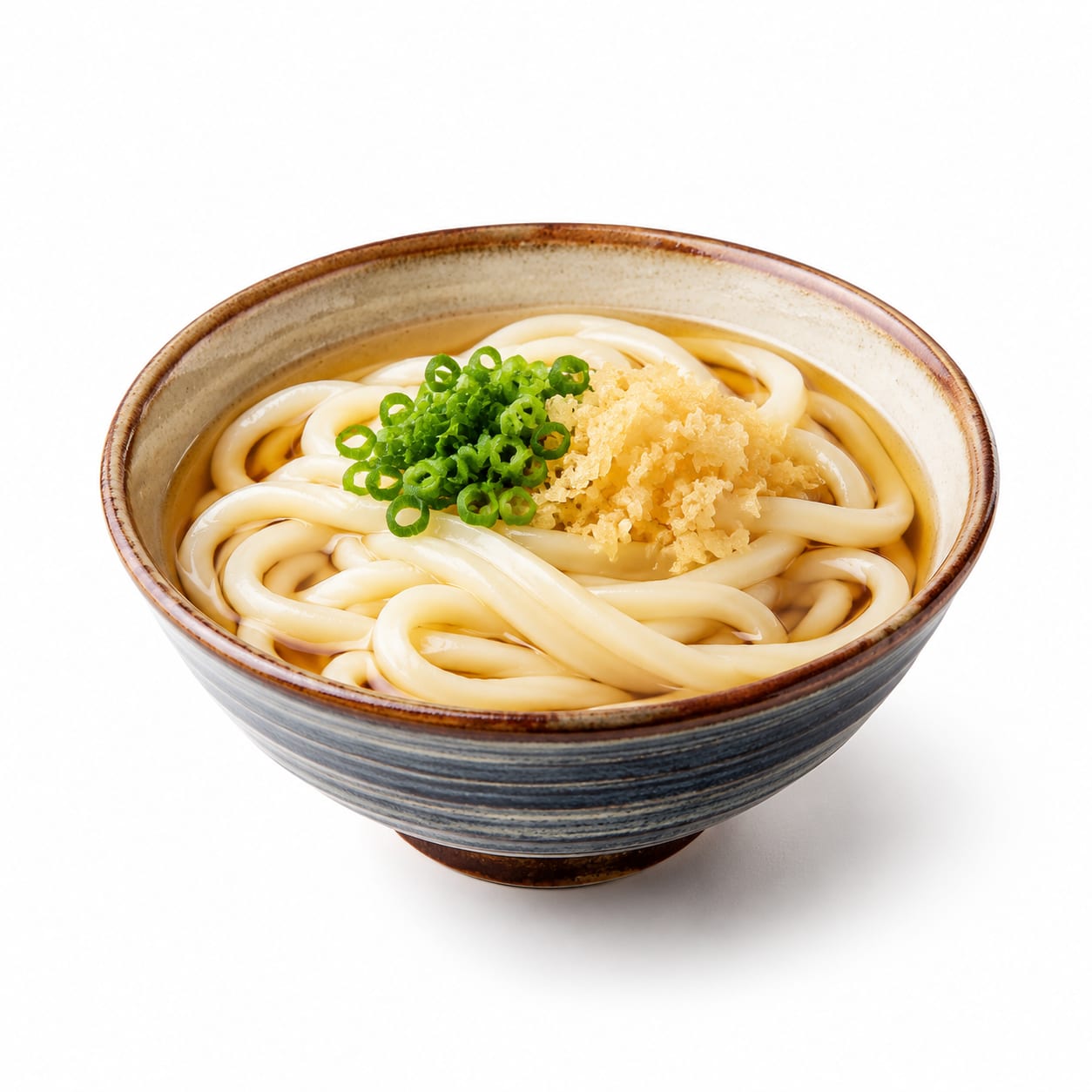
Udon
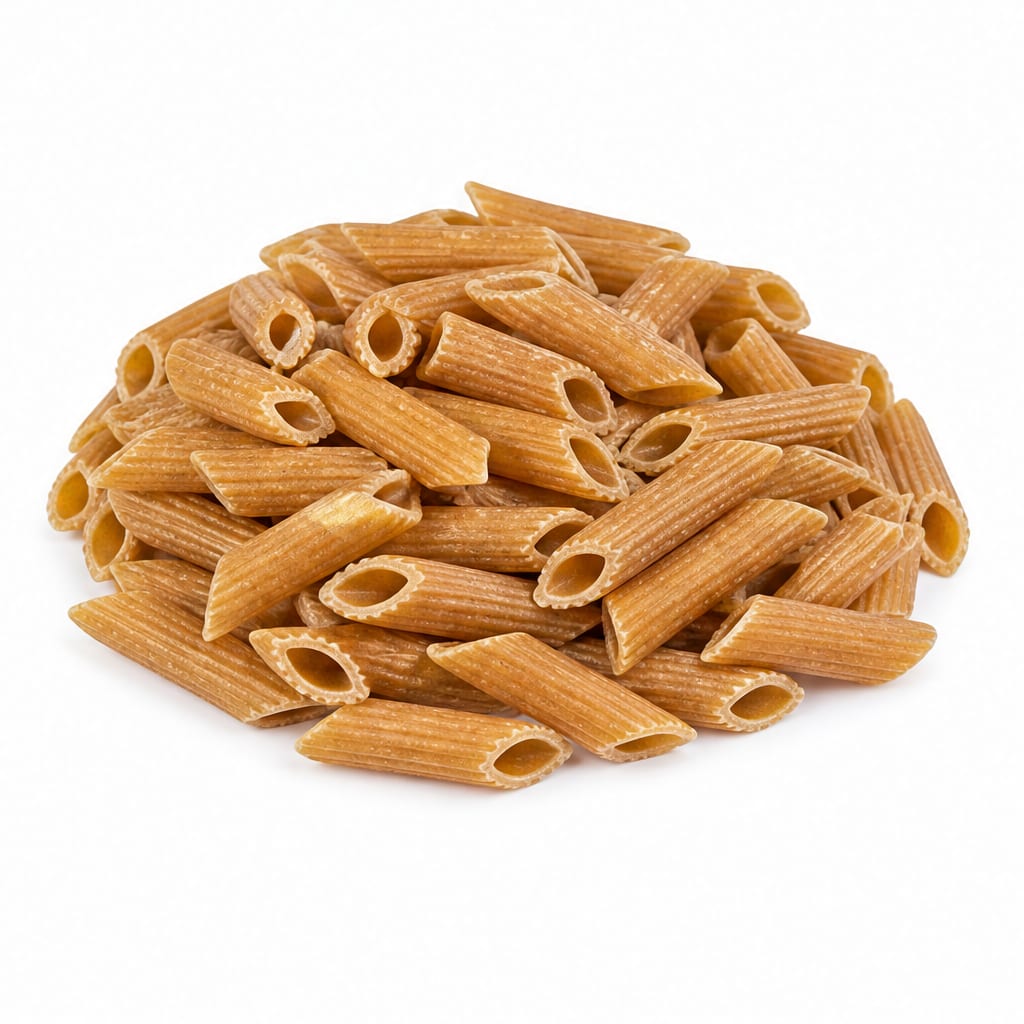
Whole Wheat Pasta
Whole Wheat Pasta delivers more fiber and steadier energy, while Udon is a lighter, quicker-digesting comfort food.
Whole Wheat Pasta scores significantly higher due to its superior fiber content, steadier energy release, and better long-term health profile. Udon remains a valid choice for specific situations like digestive ease but falls short nutritionally.
Sustained fullness and nutrients from Whole Wheat Pasta versus digestive ease and comfort from Udon.
At a glance
Executive summary
Overall
Whole Wheat Pasta
Healthier
Whole Wheat Pasta
More practical
It depends
Daily use
Whole Wheat Pasta
Key comparison lenses
Blood sugar stability and glycemic impact
Udon is made from refined flour and digests rapidly, while Whole Wheat Pasta offers slow-burning complex carbohydrates.
Fiber content and satiety
Whole Wheat Pasta provides significant dietary fiber, whereas Udon is largely stripped of it, heavily impacting fullness.
Digestive comfort and tolerance
Udon is famously gentle on the stomach, making it a go-to comfort food, while Whole Wheat Pasta can be harder to digest for some.
Sodium load and meal context
Udon dough contains salt and is typically served in high-sodium broths, unlike Whole Wheat Pasta.
Best choice for
Udon
- People needing easy digestion
- Those wanting a comforting, light meal when sick
Whole Wheat Pasta
- People seeking steady energy
- Those managing blood sugar or weight
Least suitable for
Udon
- People with diabetes or insulin resistance
- Those on a low-sodium diet
Whole Wheat Pasta
- People with severe IBS flare-ups
- Those needing quick pre-workout energy
Deep comparison
Dimension by dimension
Each lens scores both foods and breaks down who each option suits.
- Dimension 1 · Priority 95Whole Wheat Pasta
Blood Sugar Stability
Udon · 30Whole Wheat Pasta · 82Whole Wheat Pasta keeps blood sugar stable, while Udon causes a faster spike and crash.
Tradeoff
You trade the quick, light energy of Udon for the sustained, crash-free fuel of Whole Wheat Pasta.
Why it matters
Steady blood sugar means fewer afternoon energy crashes and reduced cravings.
Real-world impact
Eating Whole Wheat Pasta at lunch keeps you focused until dinner. Udon might leave you reaching for a snack by 3 PM.
Udon
- Pre-workout quick energy
- Recovering from illness when appetite is low
Better for
- Sitting at a desk all day
- Late-night eating
Worse for
Whole Wheat Pasta
- Preventing the afternoon slump
- Managing diabetes or prediabetes
Better for
- Right before an intense cardio session
- When your stomach is completely empty and you need immediate energy
Worse for
- Dimension 2 · Priority 90Whole Wheat Pasta
Satiety and Fullness
Udon · 35Whole Wheat Pasta · 85Whole Wheat Pasta is far more filling and keeps hunger away for hours, whereas Udon digests quickly.
Tradeoff
You give up the light, comfortable feeling of Udon for the heavy, satisfying fullness of Whole Wheat Pasta.
Why it matters
Better satiety means you naturally eat less throughout the day without feeling deprived.
Real-world impact
A bowl of Whole Wheat Pasta keeps you full for 4 hours. Udon might only last 2 hours before hunger returns.
Udon
- Hot summer days when you want something light
- Eating a late dinner you want to digest quickly
Better for
- Controlling overall calorie intake through snacking
- Athletes needing sustained endurance fuel
Worse for
Whole Wheat Pasta
- Weight management
- Long workdays without meal breaks
Better for
- Eating a massive portion before a run
- When you just want a light snack
Worse for
- Dimension 3 · Priority 80Udon
Digestive Comfort
Udon · 88Whole Wheat Pasta · 50Udon is incredibly gentle on the digestive system, while Whole Wheat Pasta can cause bloating if you aren't used to the fiber.
Tradeoff
You trade the gut-soothing softness of Udon for the digestion-boosting fiber of Whole Wheat Pasta.
Why it matters
Eating when your stomach is sensitive requires easily digestible carbs, but long-term gut health needs fiber.
Real-world impact
Udon feels like a warm hug when you have a stomach ache. Whole Wheat Pasta might make you feel overly full or gassy on the first try.
Udon
- Recovering from a stomach bug
- Days when you feel bloated and need gentle food
Better for
- Feeding healthy gut bacteria
- Maintaining regular bowel movements
Worse for
Whole Wheat Pasta
- Improving long-term gut health
- Preventing chronic constipation
Better for
- Soothing an upset stomach
- Easing back into eating after illness
Worse for
- Dimension 4 · Priority 85Whole Wheat Pasta
Nutrient Density
Udon · 35Whole Wheat Pasta · 80Whole Wheat Pasta provides essential vitamins and minerals, while Udon is mostly refined carbohydrates.
Tradeoff
You trade the pure, clean taste of Udon for the nutrient density of Whole Wheat Pasta.
Why it matters
Nutrient-dense foods support your immune system and energy production at a cellular level.
Real-world impact
Choosing Whole Wheat Pasta helps you hit your daily iron and B-vitamin needs effortlessly. Udon requires you to get those nutrients elsewhere.
Udon
- Culinary traditions where Udon is the star
- When you want a blank canvas for rich broths
Better for
- Preventing nutrient deficiencies
- Eating a balanced diet on limited calories
Worse for
Whole Wheat Pasta
- Meeting daily micronutrient needs
- Boosting natural energy levels
Better for
- Delicate dishes where a nutty flavor clashes
Worse for
- Dimension 5 · Priority 75Whole Wheat Pasta
Sodium Load
Udon · 30Whole Wheat Pasta · 85Udon is naturally higher in sodium and usually served in salty broths, while Whole Wheat Pasta is naturally low in sodium.
Tradeoff
You trade the deeply savory, comforting flavor of Udon broth for the heart-healthy low sodium profile of Whole Wheat Pasta.
Why it matters
High sodium intake is a leading driver of high blood pressure and cardiovascular strain.
Real-world impact
A bowl of restaurant Udon can pack half your daily sodium limit. Whole Wheat Pasta only becomes high-sodium if you drown it in processed sauce.
Udon
- Replenishing sodium after heavy sweating
- When you are craving umami flavors
Better for
- Heart health
- Reducing water retention
Worse for
Whole Wheat Pasta
- Managing hypertension
- Keeping heart health in check
Better for
- Post-marathon recovery meals
Worse for
Timeline
Health impact over time
Short-term
Hours to days
Udon
- Provides rapid energy replenishment
- Feels light and comforting in the stomach
- Can cause a blood sugar crash leading to fatigue
Whole Wheat Pasta
- Delivers long-lasting satiety
- Prevents energy dips between meals
- May feel heavy or cause mild bloating initially
Long-term
Months to years
Udon
- Frequent consumption may increase insulin resistance risk
- High sodium intake from broth can elevate blood pressure
- Lack of fiber may contribute to sluggish digestion
Whole Wheat Pasta
- Consistent fiber intake supports heart and gut health
- Helps maintain stable blood sugar over the years
- Supports healthy weight management naturally
Risk profile
Safety & processing
Whole Wheat Pasta is closer to its natural grain state, retaining the bran and germ. Udon is made from refined wheat flour stripped of its natural fiber and nutrients.
Udon
High sodium load
mediumUdon dough contains salt and is typically served in soy-based dashi broth, which can easily push sodium intake over recommended daily limits.
Rapid glycemic spike
mediumRefined carbohydrates digest quickly, which can stress insulin response if eaten frequently without balancing fiber or protein.
Whole Wheat Pasta
Pesticide residue
lowConventional wheat is often sprayed with pesticides; choosing organic Whole Wheat Pasta can minimize this concern.
Phytic acid
lowWhole grains contain phytic acid, which can slightly bind to minerals like iron and zinc, reducing their absorption.
Who wins for whom
Audience fit
Same foods, different winners depending on your goal.
children
It dependsUdon is softer and easier for kids to chew, but Whole Wheat Pasta provides the nutrients growing bodies need.
daily consumption
Whole Wheat PastaWhole Wheat Pasta supports long-term health and steady energy, making it a better everyday staple.
diabetes
Whole Wheat PastaThe high fiber content slows sugar absorption, preventing dangerous blood sugar spikes.
elderly
UdonUdon is much easier to chew and gentler on aging digestive systems that may struggle with high fiber.
muscle gain
Whole Wheat PastaWhole Wheat Pasta offers slightly more protein and sustained energy for demanding workouts.
weight loss
Whole Wheat PastaWhole Wheat Pasta provides significantly more fiber, keeping you full on fewer calories and reducing the urge to snack.
Your move
Decision guide
Choose Udon
- You need a gentle meal for an upset stomach
- You want quick-digesting fuel before a workout
- You are craving a warming, comforting noodle soup
Choose Whole Wheat Pasta
- You want sustained energy for a busy day
- You are trying to increase your daily fiber intake
- You need a filling base for a high-protein meal
Either works if
- You are building a stir-fry or noodle bowl with lots of veggies and protein
- You need a carbohydrate base and are mindful of your sauce or broth choices
Avoid both if
- You are strictly limiting all carbohydrates
- You have a severe wheat allergy or celiac disease
Final recommendation
Choose Whole Wheat Pasta as your everyday staple for better health, satiety, and blood sugar control. Keep Udon in your rotation for when you need a comforting, easy-to-digest meal or are recovering from illness.
Practical
Consumer tips
- 1
Rinse packaged Udon noodles under hot water to remove excess surface starch and sodium.
- 2
Pair Udon with lean chicken, tofu, and bok choy to add the protein and fiber it lacks.
- 3
Cook Whole Wheat Pasta al dente to further lower its glycemic index and maintain a pleasant chew.
- 4
Start with a half-and-half mix of Udon and Whole Wheat Pasta if you are transitioning to whole grains for an easier flavor adjustment.