
Nutrition comparison
Udon vs Spaghetti: Which Noodle Is Healthier for You?
Compare udon and spaghetti on blood sugar, protein, sodium, and digestion. Find out which noodle fits your health goals and when to choose each one.
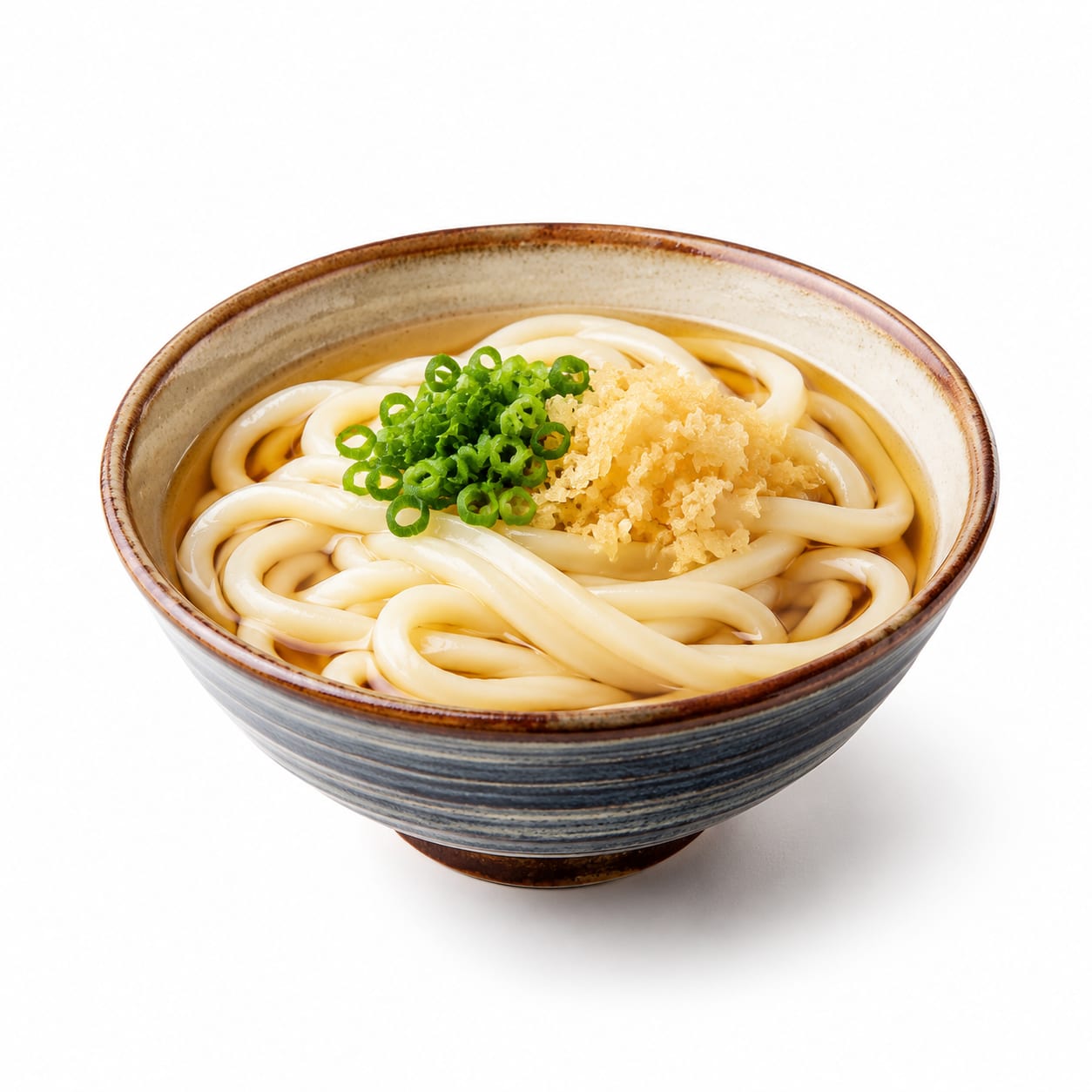
Udon
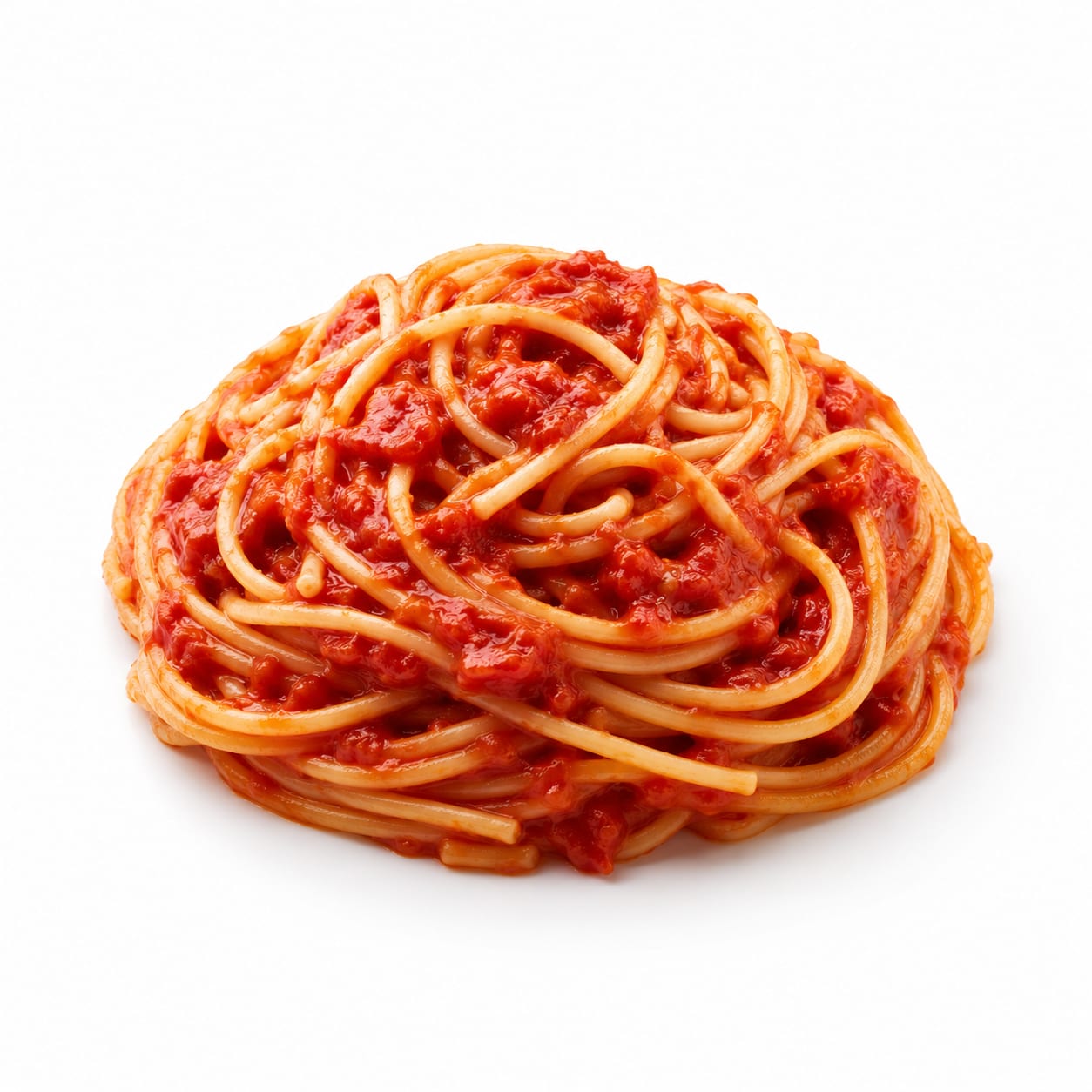
Spaghetti
Udon wins for gentler digestion and steadier energy; spaghetti wins for protein, versatility, and lower sodium.
Spaghetti edges ahead on protein and versatility, but udon's digestive comfort and lower glycemic impact keep it competitive. The close scores reflect how context-dependent this choice truly is.
Softer comfort and lower glycemic spike versus higher protein and broader meal options.
At a glance
Executive summary
Overall
It depends
Healthier
It depends
More practical
Spaghetti
Daily use
It depends
Key comparison lenses
blood sugar management
Both are wheat-based carbs with different glycemic impacts due to thickness and preparation method
digestive comfort
Udon's softer texture and broth-based serving makes it gentler on the stomach than denser spaghetti
protein and satiety
Durum wheat in spaghetti provides more protein, affecting fullness and muscle maintenance
sodium awareness
Udon dough and broth contribute significant sodium, a hidden concern for many diners
meal versatility
Spaghetti pairs with countless sauces; udon is more culturally specific in preparation
Best choice for
Udon
- People with sensitive digestion
- Anyone wanting steadier blood sugar after meals
- Those seeking a warming, comforting noodle soup
- Post-illness recovery eating
Spaghetti
- Athletes needing more protein from carbs
- Families wanting versatile meal options
- People watching sodium intake
- Meal preppers who cook in batches
Least suitable for
Udon
- People on low-sodium diets
- Those avoiding wheat or gluten
- Anyone needing high-protein meals
Spaghetti
- People with blood sugar management concerns
- Those who find heavy meals hard to digest
- Anyone seeking a lighter, broth-based meal
Deep comparison
Dimension by dimension
Each lens scores both foods and breaks down who each option suits.
- Dimension 1 · Priority 90Udon
Blood Sugar Stability
Udon · 68Spaghetti · 52Udon's thicker, softer noodles digest more gradually than dense spaghetti, leading to a gentler blood sugar curve.
Tradeoff
You get steadier energy with udon but less protein to slow absorption naturally.
Why it matters
Fewer energy crashes mean better focus and less cravings between meals.
Real-world impact
After a udon lunch you are less likely to hit a 3 PM slump than after a spaghetti lunch with similar portions.
Udon
- Steadier afternoon energy
- Less cravings between meals
- More comfortable post-meal feeling
Better for
- Large portions can still spike blood sugar significantly
Worse for
Spaghetti
- Pairing with protein-rich sauces for balanced meals
Better for
- Refined spaghetti eaten alone causes sharper glucose spikes
Worse for
- Dimension 2 · Priority 80Spaghetti
Protein Content
Udon · 42Spaghetti · 72Durum wheat semolina in spaghetti delivers roughly double the protein of udon per serving.
Tradeoff
More protein supports satiety and muscle, but spaghetti's denser texture feels heavier.
Why it matters
Protein from carbs adds up over the day, especially for people who do not eat much meat.
Real-world impact
A spaghetti dinner contributes meaningfully toward your daily protein target; udon barely moves the needle.
Udon
- Lighter meals when you want less heaviness
Better for
- Needs added protein sources to feel satisfying
Worse for
Spaghetti
- Better post-workout recovery base
- More filling per calorie
- Easier to hit daily protein goals
Better for
- Heavier feeling when eaten in large portions
Worse for
- Dimension 3 · Priority 85Udon
Digestive Comfort
Udon · 82Spaghetti · 55Udon's soft, slippery texture and broth-based serving make it significantly easier on the stomach.
Tradeoff
Comfort comes with less chewing, which can reduce satiety signals.
Why it matters
People with sensitive digestion, stress, or recovery needs benefit from gentler foods.
Real-world impact
When your stomach is upset or you feel run down, a bowl of udon feels soothing while spaghetti feels like work.
Udon
- Easier after illness or stress
- Less bloating for sensitive stomachs
- Warming and comforting when you feel unwell
Better for
- Soft texture may lead to faster eating and overconsumption
Worse for
Spaghetti
- Al dente cooking adds satisfying chew that slows eating pace
Better for
- Dense texture can feel heavy and slow to digest
Worse for
- Dimension 4 · Priority 75Spaghetti
Sodium Load
Udon · 38Spaghetti · 70Udon dough requires salt, and the dashi broth adds even more, making sodium a real concern.
Tradeoff
The salt makes udon taste deeply satisfying but silently pushes sodium intake high.
Why it matters
Regular high-sodium meals raise blood pressure risk over time without obvious symptoms.
Real-world impact
A single bowl of udon in broth can deliver 40-60% of your daily sodium limit before any toppings.
Udon
- More flavorful without adding extra seasoning
Better for
- Hidden sodium in broth catches people off guard
- Tough to modify at restaurants
Worse for
Spaghetti
- Easier to control sodium by choosing sauces wisely
- Plain spaghetti with olive oil is very low sodium
Better for
- Processed jarred sauces can also be sodium bombs
Worse for
- Dimension 5 · Priority 70Spaghetti
Meal Versatility
Udon · 48Spaghetti · 85Spaghetti works with tomato sauce, pesto, oil and garlic, meat sauces, and countless global preparations.
Tradeoff
Versatility means more decision fatigue and more chances to add unhealthy sauces.
Why it matters
Food variety keeps meals interesting and makes healthy eating easier to sustain long-term.
Real-world impact
You can reinvent spaghetti five nights a week; udon preparations start to feel repetitive faster.
Udon
- Consistent comfort when you want something familiar
- Quick and simple to prepare with basic broth
Better for
- Limited to mostly Japanese-inspired preparations
- Fewer ways to incorporate diverse vegetables
Worse for
Spaghetti
- Adapts to any cuisine or flavor profile
- Works hot, cold, baked, or stir-fried
- Easier to sneak in vegetables and lean proteins
Better for
- More sauce options mean more hidden calories and sugar
Worse for
- Dimension 6 · Priority 78Spaghetti
Satiety and Fullness
Udon · 55Spaghetti · 70Spaghetti's denser bite and higher protein keep you full longer than udon's softer, faster-eating texture.
Tradeoff
Feeling full longer is great for weight management, but feeling too full is uncomfortable.
Why it matters
Staying satisfied between meals reduces snacking and makes portion control easier.
Real-world impact
After a spaghetti dinner you are less likely to raid the fridge at 9 PM compared to after a udon bowl.
Udon
- Lighter feeling when you do not want to be stuffed
- Good for smaller appetites
Better for
- Hunger returns sooner, risking overeating later
Worse for
Spaghetti
- Longer-lasting fullness
- Better for active days when you need sustained energy
Better for
- Large portions can leave you feeling sluggish
Worse for
Timeline
Health impact over time
Short-term
Hours to days
Udon
- Warming and soothing effect on the digestive system
- Moderate blood sugar rise without sharp crashes
- Quick hydration from broth-based serving
- Possible bloating if sodium-sensitive
Spaghetti
- More sustained fullness after eating
- Sharper initial blood sugar rise if eaten without protein or fiber
- Heavier feeling in the stomach with large portions
- Energy boost from denser carbohydrate content
Long-term
Months to years
Udon
- Regular high sodium intake from broth may raise blood pressure risk
- Gentler digestion may support better eating habits for sensitive individuals
- Lower protein contribution means needing more from other foods
- Warming meal ritual can support emotional wellbeing and consistency
Spaghetti
- Higher protein supports muscle maintenance as you age
- Greater meal variety may improve diet adherence long-term
- Repeated large portions of refined spaghetti may challenge blood sugar management
- Easy pairing with tomato-based sauces adds lycopene and antioxidant benefits
Risk profile
Safety & processing
Both are processed wheat products with minimal additives. Fresh udon is slightly less processed than dried, but dried spaghetti contains essentially just durum wheat and water. Neither raises significant artificial additive concerns.
Udon
High sodium from broth
mediumRestaurant udon broth can exceed 1000mg sodium per bowl, silently contributing to hypertension risk over time.
Gluten exposure
highWheat-based noodles are strictly off-limits for anyone with celiac disease or gluten sensitivity.
Spaghetti
Gluten exposure
highSame wheat-based concern as udon; not safe for those with celiac or gluten intolerance.
Sauce-related hidden sugars
mediumCommercial spaghetti sauces often contain added sugars that are easy to overlook.
Who wins for whom
Audience fit
Same foods, different winners depending on your goal.
children
SpaghettiKids love the familiar taste and fun shape, and it is easier to sneak in vegetable-based sauces.
daily consumption
It dependsSpaghetti offers more variety for daily meals, but udon is gentler for daily digestion. Rotate both for balance.
diabetes
UdonSofter, thicker noodles create a gentler glycemic response, especially when eaten with broth and vegetables.
elderly
UdonSoft texture is easier to chew and digest, and the warm broth supports hydration.
muscle gain
SpaghettiMore protein per serving and better pairing with meat sauces supports muscle-building goals.
weight loss
SpaghettiHigher protein and denser texture keep you full longer, reducing the urge to snack between meals.
Your move
Decision guide
Choose Udon
- Your stomach is sensitive or you are recovering from illness
- You want a warming, comforting meal that feels light afterward
- You are watching blood sugar and prefer gentler energy curves
- You enjoy Japanese cuisine and want authentic flavors
Choose Spaghetti
- You need more protein from your carbohydrate sources
- You want endless variety in sauces and preparations
- You are meal prepping for the week
- You are cooking for a family with diverse tastes
Either works if
- You are an active person who tolerates wheat well
- You want a carb base to build a balanced meal around
- You are not sodium-sensitive or gluten-intolerant
Avoid both if
- You have celiac disease or gluten intolerance
- You are on a strict low-carb or ketogenic diet
- You are managing severe blood sugar issues and need low-glycemic alternatives
Final recommendation
Let your body and schedule decide. Choose udon when you need comfort and gentle digestion, especially on stressful or sensitive days. Choose spaghetti when you want staying power, protein, and meal variety. Both are perfectly fine carb bases when paired with vegetables and protein — the real health difference comes from what you put on top, not which noodle you pick.
Practical
Consumer tips
- 1
Ask for half-broth when ordering udon at restaurants to cut sodium by roughly 40%.
- 2
Cook spaghetti al dente to lower its glycemic index and keep more resistant starch.
- 3
Add vegetables and lean protein to either noodle to balance the meal and slow sugar absorption.
- 4
Choose whole wheat spaghetti when available for added fiber and steadier energy.
- 5
Rinse canned beans or add edamame to udon for a protein boost without heavy meat.
- 6
Portion both noodles to about one cup cooked as a starting point and fill the rest of your bowl with veggies.