
Nutrition comparison
Udon vs Shirataki Noodles: Which Is Better for Weight Loss, Satiety, and Blood Sugar?
Complete comparison of Udon and Shirataki noodles covering calories, blood sugar impact, digestion, taste, and which one fits your health goals better.
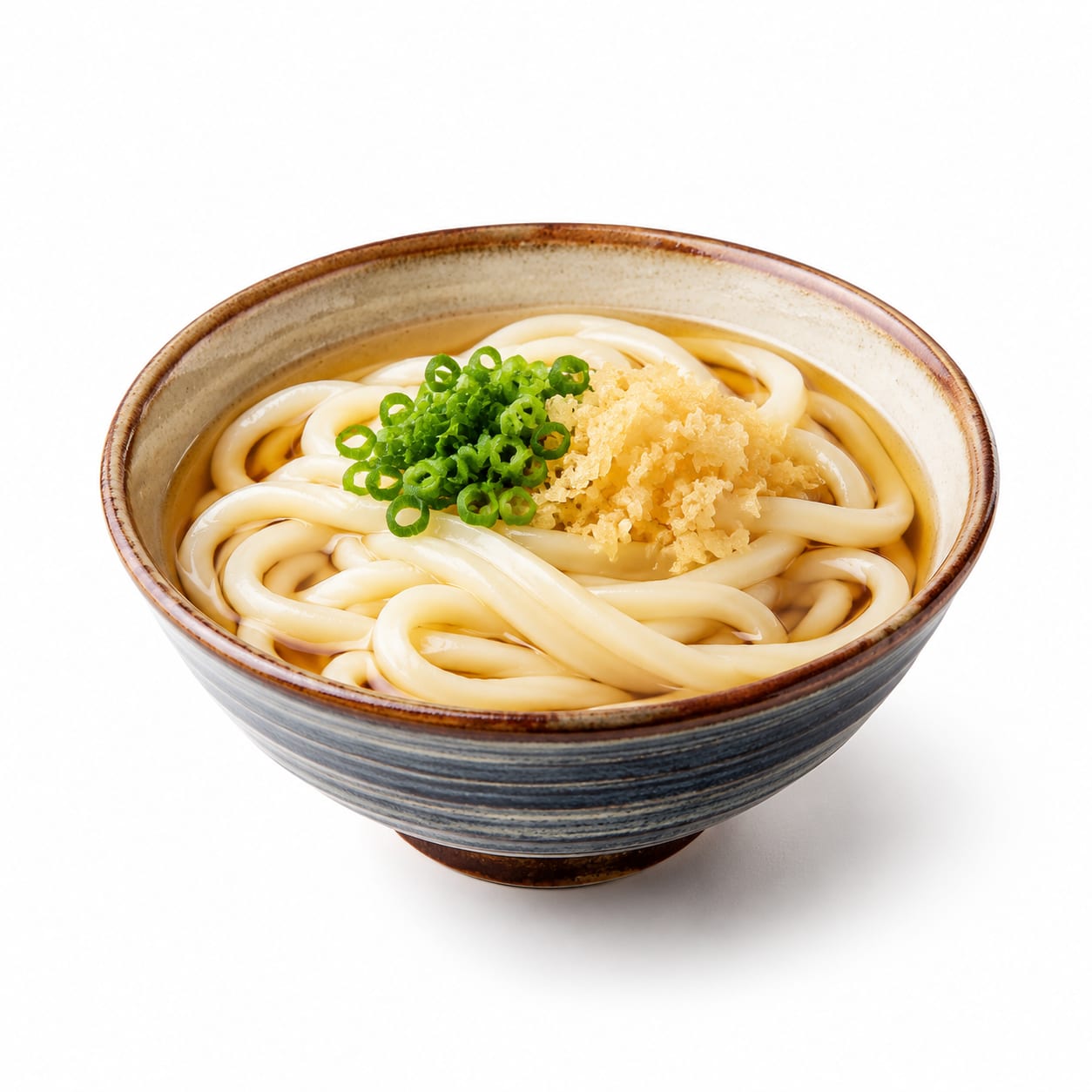
Udon
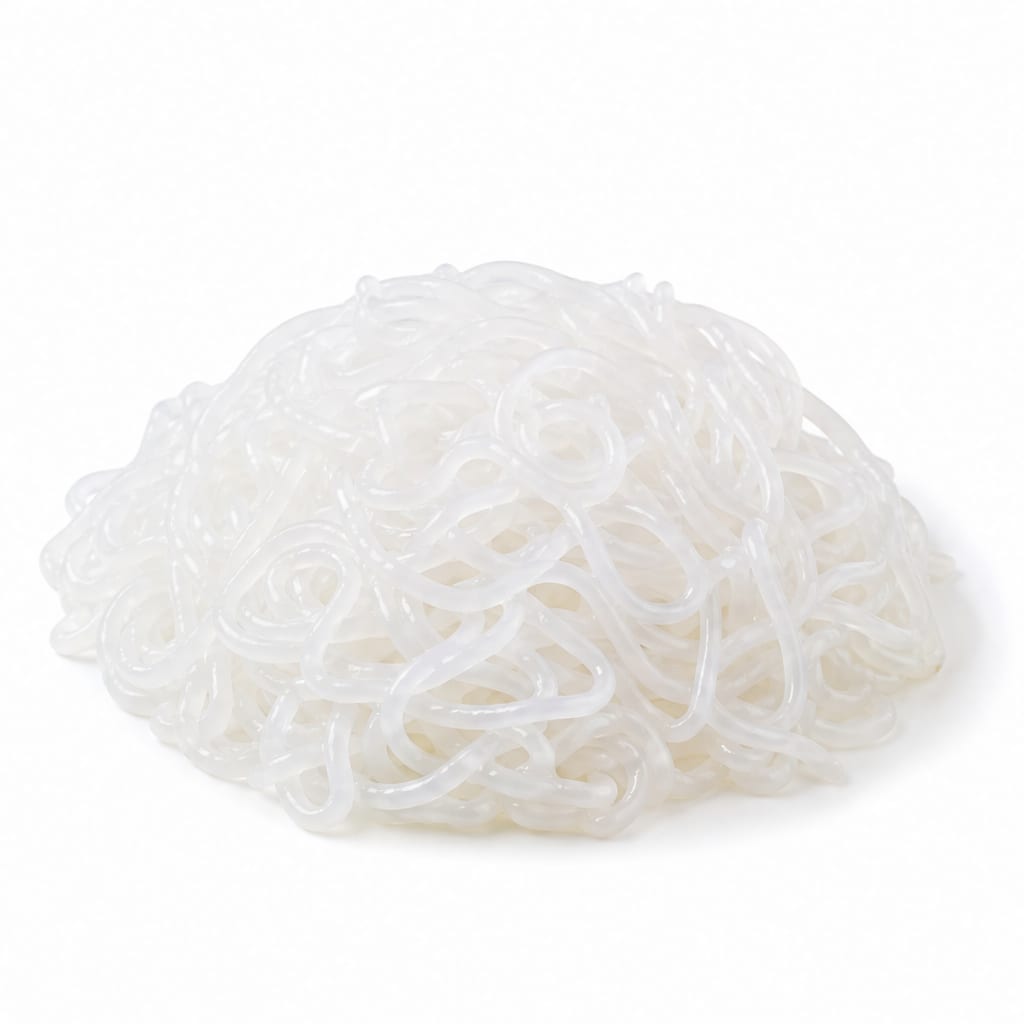
Shirataki Noodles
Udon is real food that satisfies; Shirataki is a calorie-cutting tool that sacrifices enjoyment and fullness.
Udon scores higher for overall livability and satisfaction, but Shirataki's near-zero calorie advantage is powerful for specific goals. Neither is nutrient-dense — both are vehicle foods for sauces and broths.
You trade genuine satisfaction and energy for near-zero calories — Shirataki only wins if calorie reduction is your sole priority.
At a glance
Executive summary
Overall
It depends
Healthier
It depends
More practical
Udon
Daily use
Udon
Key comparison lenses
weight loss carb reduction
This is the primary reason people choose between these noodles — Shirataki offers near-zero calories while Udon provides real energy
satiety and meal satisfaction
Udon fills you up with substance; Shirataki leaves many people hungry again within an hour
blood sugar management
Massive difference in glycemic impact makes this critical for diabetics and metabolic health
digestive tolerance
Shirataki's glucomannan fiber can cause bloating and discomfort if consumed in large amounts or without adequate water
culinary experience and enjoyment
Udon delivers a comforting chew and absorbs broth beautifully; Shirataki has a distinct rubbery texture many find off-putting
Best choice for
Udon
- Active people who need real energy
- Anyone who finds low-calorie meals triggering for overeating later
- Athletes needing pre-workout carbs
- People who value meal satisfaction and comfort
- Those wanting a balanced, sustainable approach to eating
Shirataki Noodles
- Strict calorie counters near a deadline
- People managing diabetes who need minimal glycemic impact
- Keto or very-low-carb dieters craving a noodle experience
- Those adding volume to meals without adding energy
Least suitable for
Udon
- People on strict keto diets
- Those needing aggressive calorie restriction for medical weight loss
- Diabetics with poor blood sugar control
Shirataki Noodles
- People prone to bloating or IBS
- Children who need calorie-dense nutrition
- Anyone who finds unsatisfying meals lead to binge eating
- Athletes or active individuals needing fuel
Deep comparison
Dimension by dimension
Each lens scores both foods and breaks down who each option suits.
- Dimension 1 · Priority 95Shirataki Noodles
caloric_efficiency
Udon · 25Shirataki Noodles · 98Shirataki delivers the noodle experience with almost no caloric cost; Udon costs you 200+ calories per serving.
Tradeoff
Those missing calories mean missing energy — fine for sedentary days, problematic for active ones.
Why it matters
If you're cutting calories aggressively, Shirataki is one of the few free lunches in nutrition.
Real-world impact
A bowl of Shirataki saves you roughly 200 calories compared to Udon — that's a 30-minute walk's worth.
Udon
- People who need actual fuel for activity
- Anyone struggling to eat enough
Better for
- Aggressive fat loss diets
Worse for
Shirataki Noodles
- Sedentary days when you just want volume
- Cutting phases where every calorie matters
Better for
- Post-workout recovery meals
- People already under-eating
Worse for
- Dimension 2 · Priority 90Udon
satiety_and_satisfaction
Udon · 78Shirataki Noodles · 35Udon provides genuine fullness from digestible carbs; Shirataki's fiber creates physical fullness but rarely mental satisfaction.
Tradeoff
You can feel physically stuffed on Shirataki yet still feel hungry — your brain knows it received almost no energy.
Why it matters
Meals that don't satisfy often lead to snacking later, negating the calorie savings entirely.
Real-world impact
Many people eat Shirataki for dinner and find themselves raiding the pantry by 9 PM.
Udon
- People who need one meal to carry them for hours
- Emotional eaters who need real comfort from food
Better for
- Those who prefer light, non-heavy meals
Worse for
Shirataki Noodles
- Grazers who eat multiple small meals anyway
Better for
- Anyone prone to late-night snacking
- People who feel deprived easily
Worse for
- Dimension 3 · Priority 85Shirataki Noodles
blood sugar_stability
Udon · 30Shirataki Noodles · 95Shirataki has negligible impact on blood sugar; Udon causes a meaningful glucose spike from refined wheat.
Tradeoff
Stable blood sugar feels great, but the tradeoff is a meal that provides zero sustained energy.
Why it matters
For diabetics and metabolically compromised individuals, this difference is medically significant.
Real-world impact
After Udon, you might feel a brief energy surge followed by a dip; after Shirataki, blood sugar stays flat but you may feel weak without other food.
Udon
- Healthy individuals needing quick energy before activity
Better for
- People with poor glucose tolerance
Worse for
Shirataki Noodles
- Type 2 diabetics
- Insulin-resistant individuals
- Anyone monitoring glycemic variability
Better for
- Hypoglycemic individuals needing carb sources
Worse for
- Dimension 4 · Priority 75Udon
digestive_tolerance
Udon · 72Shirataki Noodles · 45Udon is gentle and easy to digest for most; Shirataki's glucomannan fiber causes bloating and gas in many people.
Tradeoff
The same fiber that makes Shirataki calorie-free is also what makes it difficult to tolerate in larger portions.
Why it matters
A meal that leaves you bloated and uncomfortable isn't sustainable regardless of its calorie count.
Real-world impact
First-time Shirataki eaters often report significant gas and stomach distension — your gut needs time to adapt.
Udon
- People with sensitive digestion
- Those with IBS or bloating tendencies
Better for
- Those with gluten intolerance or celiac disease
Worse for
Shirataki Noodles
- People with chronic constipation who need more fiber
Better for
- Anyone new to high-fiber diets
- People prone to gas and bloating
Worse for
- Dimension 5 · Priority 70Udon
culinary_versatility_and_enjoyment
Udon · 82Shirataki Noodles · 40Udon absorbs broth beautifully and has a satisfying chew; Shirataki has a rubbery texture and resists flavor absorption.
Tradeoff
You can make Udon taste amazing easily; Shirataki requires technique and strong sauces to become enjoyable.
Why it matters
Food you actually enjoy eating is food you'll stick with long-term.
Real-world impact
Udon in a simple dashi broth is deeply comforting; Shirataki in the same broth feels like eating flavored rubber bands.
Udon
- Home cooks wanting reliable, delicious results
- Fans of Japanese cuisine and authentic texture
Better for
- Those seeking the lowest possible calorie base for sauces
Worse for
Shirataki Noodles
- Experienced low-carb cooks who know how to prepare it properly
Better for
- Picky eaters sensitive to texture
- Anyone wanting an authentic noodle experience
Worse for
- Dimension 6 · Priority 60Udon
nutritional_value
Udon · 40Shirataki Noodles · 20Neither food is a nutritional powerhouse, but Udon at least provides some usable energy, iron, and B vitamins from fortification.
Tradeoff
Both are essentially delivery vehicles for whatever you cook them with — the real nutrition comes from the sauce and toppings.
Why it matters
Treating either as a significant nutrient source is a mistake; both need protein and vegetables to become complete meals.
Real-world impact
A Udon bowl with chicken and vegetables is a balanced meal; Shirataki with the same toppings is essentially chicken and vegetables with filler.
Udon
- Situations where the carb base contributes meaningful energy to the meal
Better for
- Those who over-rely on refined carbs as meal base
Worse for
Shirataki Noodles
- Meals where you want all nutrition to come from toppings only
Better for
- Anyone expecting the noodles themselves to provide nutrition
Worse for
Timeline
Health impact over time
Short-term
Hours to days
Udon
- Provides quick energy from easily digestible carbohydrates
- Can cause a blood sugar spike followed by a dip within 1-2 hours
- Feels satisfying and comforting immediately after eating
Shirataki Noodles
- Creates physical fullness without caloric energy
- May cause bloating, gas, or stomach discomfort especially in new users
- Can leave you feeling unsatisfied despite a full stomach
Long-term
Months to years
Udon
- Regular consumption of refined wheat carbs may contribute to insulin resistance if overconsumed
- Provides a sustainable, enjoyable eating pattern that's easier to maintain
- Moderate consumption as part of balanced meals poses minimal risk for healthy individuals
Shirataki Noodles
- Consistent use may support weight maintenance through calorie displacement
- Gut microbiome may adapt to glucomannan fiber over time, improving tolerance
- Risk of inadequate caloric intake if over-relied upon as a staple food
Risk profile
Safety & processing
Udon is simply wheat flour, salt, and water — straightforward and traditional. Shirataki requires more processing to extract and shape konjac glucomannan, and packaged versions often contain preservatives like calcium hydroxide to maintain shelf stability.
Udon
Gluten exposure for celiacs
highUdon is pure wheat — absolutely unsafe for anyone with celiac disease or gluten sensitivity.
Sodium in packaged versions
mediumPre-cooked vacuum-sealed Udon can be surprisingly high in sodium from the preserving liquid.
Shirataki Noodles
Choking hazard with inadequate chewing
mediumShirataki's slippery, rubbery texture makes it easy to swallow with minimal chewing, posing a risk especially for children and elderly.
Digestive blockage if consumed dry or without water
highGlucomannan expands dramatically in water. Consuming Shirataki without adequate hydration can cause esophageal or intestinal obstruction — always cook and hydrate properly.
Preservative residues
lowCalcium hydroxide and other processing aids used in packaged Shirataki are generally recognized as safe but may concern sensitive individuals.
Who wins for whom
Audience fit
Same foods, different winners depending on your goal.
children
UdonKids need calorie-dense, satisfying food for growth — and Shirataki's choking hazard and rubbery texture make it inappropriate for young children.
daily consumption
UdonUdon is a sustainable, enjoyable staple that can be part of daily eating without psychological strain or digestive adaptation issues.
diabetes
Shirataki NoodlesMinimal glycemic impact makes Shirataki far safer for blood sugar management, though the meal's total carb content from sauces matters too.
elderly
UdonUdon's soft texture is easy to chew and provides needed energy; Shirataki's slipperiness poses a choking risk for those with swallowing difficulties.
muscle gain
UdonUdon provides usable carbohydrate energy to fuel training and recovery; Shirataki offers nothing for performance or muscle building.
weight loss
Shirataki NoodlesShirataki's near-zero calories make it the clear choice for aggressive calorie restriction, provided it doesn't trigger compensatory overeating later.
Your move
Decision guide
Choose Udon
- You want a meal that actually satisfies and sustains you for hours
- You're active and need real carbohydrate fuel
- You value enjoyment and comfort in your meals
- You're cooking for family members including children or elderly
- You find that low-calorie substitutes trigger cravings later
Choose Shirataki Noodles
- You're in a dedicated cutting phase and every calorie counts
- You're managing diabetes and need near-zero glycemic impact
- You're on keto and desperately miss noodles
- You can pair it with sufficient protein and fat to create real satiety
- You've already adapted to the texture and don't find it off-putting
Either works if
- You're building a broth-based soup where the noodles are secondary to the toppings
- You want occasional variety in your carb sources
Avoid both if
- You need nutrient-dense foods — neither noodle provides meaningful vitamins or minerals
- You're looking for protein-rich options — both are essentially carb or fiber vehicles
Final recommendation
Eat Udon when you want a real meal that satisfies. Use Shirataki strategically when calorie reduction is your immediate priority — but don't pretend it's a satisfying replacement. The best approach for most people: enjoy Udon as your regular noodle, and keep Shirataki as an occasional tool for high-volume, low-calorie meals when you need them.
Practical
Consumer tips
- 1
Rinse Shirataki thoroughly under running water for 30 seconds to remove the natural konjac odor before cooking
- 2
Dry-fry Shirataki in a hot pan for 2-3 minutes after rinsing — this improves texture dramatically by removing excess water
- 3
Pair Shirataki with generous protein and healthy fats to compensate for its lack of satiety
- 4
Choose fresh or dried Udon over pre-boiled vacuum-sealed packs to avoid excess sodium
- 5
Cook Udon al dente — slightly firm noodles have a lower glycemic impact than overcooked mushy ones
- 6
If Shirataki causes bloating, start with small portions and increase gradually over weeks
- 7
Never eat Shirataki dry or under-hydrated — always ensure it's fully cooked and consumed with adequate water