
Nutrition comparison
Udon vs Ramen Noodles: Which Is Healthier for Daily Eating?
Compare udon and ramen noodles on sodium, processing, weight impact, and long-term health. Find out which noodle is better for everyday meals and when each makes sense.
Overall winner · Udon
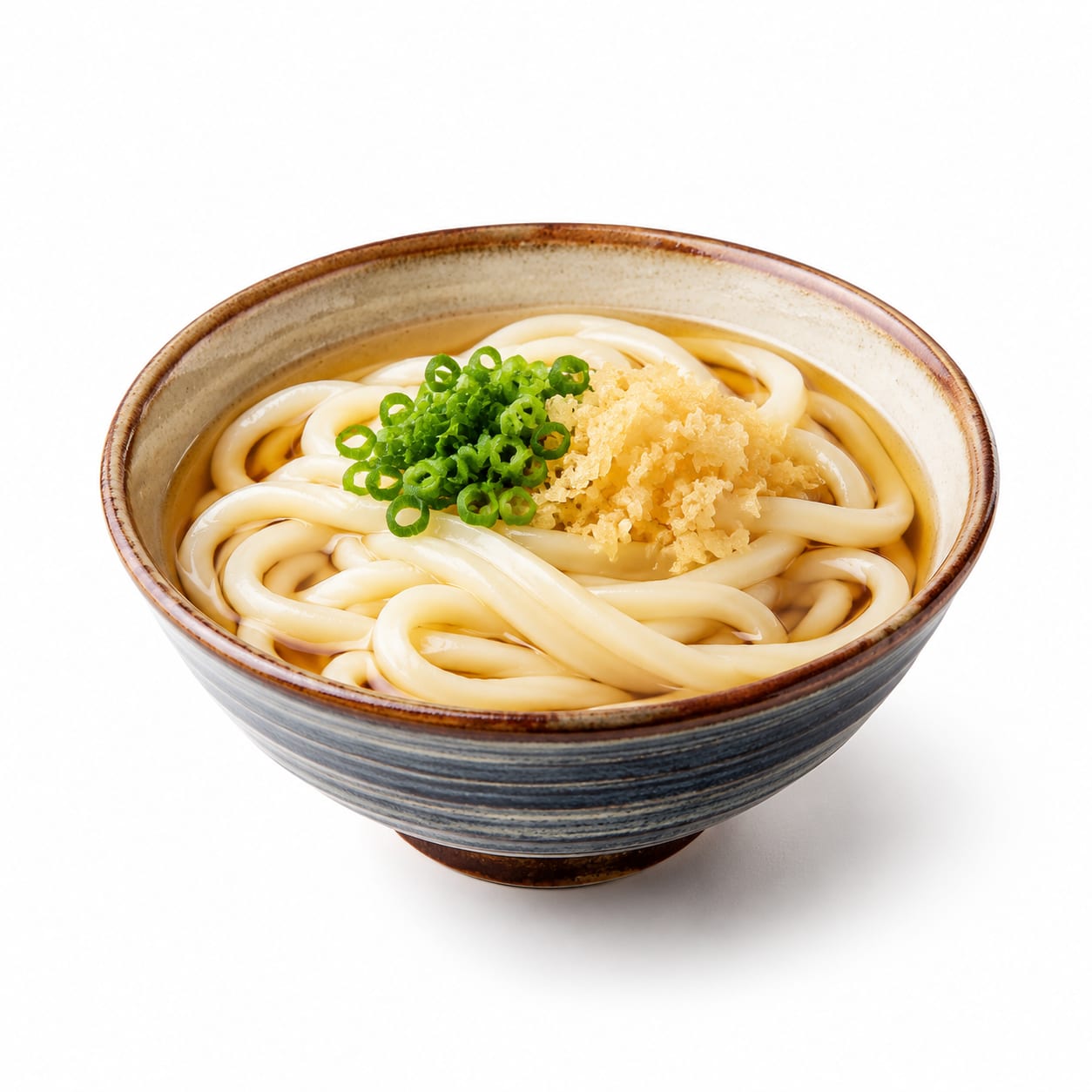
Udon
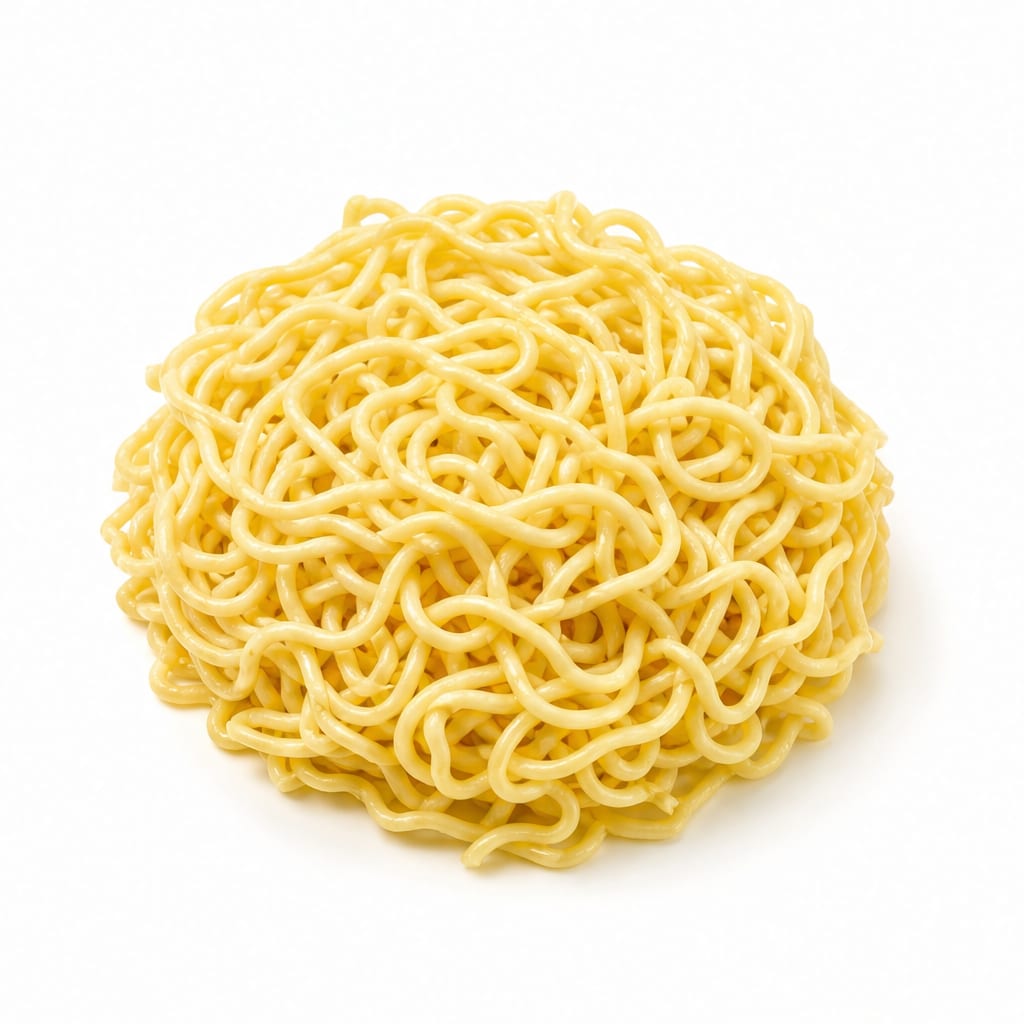
Ramen Noodles
Udon wins for everyday eating thanks to lower sodium, simpler ingredients, and easier digestion. Ramen offers bolder flavor and convenience but carries significant health tradeoffs if eaten regularly.
Udon scores notably higher due to cleaner ingredients, lower sodium, and better long-term health profile. Ramen loses significant ground on processing level, sodium load, and daily sustainability. The gap would narrow if comparing fresh ramen to fresh udon, but instant ramen dominates real-world consumption.
Ramen delivers more intense flavor and instant convenience at the cost of much higher sodium, more processing, and worse long-term health outcomes. Udon is the cleaner, gentler choice but less exciting and less shelf-stable.
At a glance
Executive summary
Overall
Udon
Healthier
Udon
More practical
Ramen Noodles
Daily use
Udon
Key comparison lenses
sodium and heart health
Ramen's extreme sodium load is the single biggest health differentiator between these noodles
processing and additives
Instant ramen is ultra-processed with preservatives and flavor enhancers; udon is typically simpler
everyday meal choice
Both are popular quick meals but carry very different health tradeoffs for regular consumption
weight management
Calorie density and satiety differ meaningfully, especially with instant ramen's fried noodles
digestive comfort
Udon's softer texture and simpler composition tends to be gentler on the stomach
Best choice for
Udon
- People watching their blood pressure
- Those with sensitive digestion
- Anyone eating noodles multiple times per week
- Clean-eating focused diets
- Children needing a mild, gentle meal
Ramen Noodles
- Quick meal emergencies when time is critical
- Backpacking and camping food needs
- Intense flavor cravings
- Budget-constrained situations
- Occasional comfort food treats
Least suitable for
Udon
- People wanting bold, intense flavors
- Emergency shelf-stable meal preppers
- Very tight budgets
- Those seeking maximum convenience
Ramen Noodles
- Anyone with hypertension or sodium sensitivity
- Daily or near-daily noodle eaters
- People avoiding ultra-processed foods
- Those prone to bloating from high sodium
Deep comparison
Dimension by dimension
Each lens scores both foods and breaks down who each option suits.
- Dimension 1 · Priority 95Udon
sodium_load
Udon · 55Ramen Noodles · 15Udon broth is milder and lower in sodium. Instant ramen packs 1500-2000mg sodium per serving, often hitting your entire daily limit in one bowl.
Tradeoff
Ramen's intense savory flavor comes directly from its salt bomb. Udon tastes subtler but leaves you far less puffy and thirsty afterward.
Why it matters
Consistently high sodium intake drives up blood pressure, increases stroke risk, and causes water retention that makes you feel heavy and bloated.
Real-world impact
After ramen, you'll likely feel thirsty for hours and may wake up puffy-faced. After udon, you feel comfortably fed without the salt hangover.
Udon
- Blood pressure management
- Reducing water retention
- Kidney health long-term
- Less post-meal thirst
Better for
- May feel under-seasoned for salt lovers
Worse for
Ramen Noodles
- Satisfying intense umami cravings quickly
- Salty flavor satisfaction
Better for
- Blood pressure spikes
- Next-day puffiness and bloating
- Dehydration feelings
- Long-term cardiovascular strain
Worse for
- Dimension 2 · Priority 90Udon
processing_and_additives
Udon · 70Ramen Noodles · 25Fresh or dried udon typically contains just wheat flour, water, and salt. Instant ramen includes preservatives, MSG, flavor enhancers, anti-caking agents, and often dehydrated fried noodles.
Tradeoff
Ramen's long shelf life and instant preparation require industrial processing. Udon's simplicity means shorter shelf life but a cleaner ingredient list your body actually recognizes.
Why it matters
Ultra-processed foods are linked to higher obesity rates, metabolic issues, and disrupted appetite signals. Your body handles simple ingredients more predictably.
Real-world impact
With udon, you know exactly what you're eating. With instant ramen, you're consuming a chemistry project designed for shelf stability and hyper-palatability, not nutrition.
Udon
- Clean label eating
- Avoiding mystery ingredients
- More predictable digestion
- Fewer cravings triggered by flavor enhancers
Better for
- Shorter pantry life
- Requires more cooking effort
Worse for
Ramen Noodles
- Months of shelf stability
- No refrigeration needed
- Instant preparation anywhere
Better for
- MSG sensitivity reactions in some people
- Appetite dysregulation from hyper-palatable design
- Long-term metabolic uncertainty
Worse for
- Dimension 3 · Priority 80Udon
satiety_and_fullness
Udon · 65Ramen Noodles · 45Udon's thick, chewy noodles digest more slowly and keep you fuller longer. Instant ramen digests quickly, leaving you hungry again within a couple hours.
Tradeoff
Ramen feels immediately satisfying due to intense flavor, but that satisfaction fades fast. Udon provides steadier, longer-lasting fullness despite milder taste.
Why it matters
Foods that leave you hungry soon after eating trigger more snacking and overeating throughout the day, undermining weight management effortlessly.
Real-world impact
A bowl of udon at lunch can carry you to dinner. A cup of instant ramen at noon often has you raiding the pantry by 2pm.
Udon
- Sustained energy between meals
- Less snacking triggered
- Better portion control naturally
- More predictable hunger patterns
Better for
- Heavier feeling if you overeat
Worse for
Ramen Noodles
- Quick flavor hit satisfaction
- Fast eating when time is short
Better for
- Rebound hunger within 1-2 hours
- Easy to overeat due to low satiety
- Blood sugar crashes after initial spike
Worse for
- Dimension 4 · Priority 75Udon
blood_sugar_stability
Udon · 50Ramen Noodles · 30Both are refined wheat noodles that spike blood sugar, but udon's thicker texture and slower digestion create a more gradual rise. Instant ramen's pre-cooked, fried noodles digest rapidly, causing sharper spikes and crashes.
Tradeoff
Neither noodle is a blood sugar hero, but udon is the lesser evil. Adding protein and vegetables to either bowl dramatically improves this dimension.
Why it matters
Sharp blood sugar spikes lead to energy crashes, mood swings, and increased fat storage. Steadier blood sugar means steadier energy and fewer cravings.
Real-world impact
After instant ramen, you may feel a brief energy surge followed by an afternoon slump. Udon creates a smoother energy curve that feels more stable throughout the day.
Udon
- More gradual energy release
- Less dramatic afternoon crashes
- Easier to pair with blood-sugar-stabilizing toppings
Better for
- Still a refined carb that requires mindful pairing
Worse for
Ramen Noodles
- Quick energy if you need fast calories
Better for
- Sharper glycemic spikes
- Faster crashes
- More insulin demand
Worse for
- Dimension 5 · Priority 70Ramen Noodles
convenience_and_practicality
Udon · 40Ramen Noodles · 90Instant ramen is ready in 3 minutes with just hot water. Udon requires boiling noodles and preparing broth separately, taking 10-15 minutes even with pre-made dashi.
Tradeoff
Ramen trades nutritional quality for unmatched speed and convenience. Udon demands more effort but rewards you with a cleaner, more satisfying meal.
Why it matters
When hunger hits hard and time is short, convenience wins. The best nutritious meal is the one you actually have time to make.
Real-world impact
At midnight after a long day, instant ramen feels like a lifeline. Udon requires planning and energy that isn't always available.
Udon
- More satisfying meal experience when you have time
- Better for intentional cooking
Better for
- Requires actual cooking
- Less portable
- Needs refrigerated or fresh ingredients
Worse for
Ramen Noodles
- 3-minute meal anywhere
- No cooking skills needed
- Office and dorm friendly
- Emergency food supply staple
Better for
- Convenience can become a crutch leading to over-reliance
- Easy to eat too frequently due to low effort
Worse for
- Dimension 6 · Priority 65Udon
calorie_density
Udon · 60Ramen Noodles · 35Instant ramen noodles are often deep-fried before packaging, adding significant fat and calories. Udon noodles are simply boiled, keeping calorie density lower per bite.
Tradeoff
Ramen packs more calories into a smaller volume, making it easy to overconsume. Udon's bulk from water content helps you feel full on fewer calories.
Why it matters
Calorie-dense foods that don't fill you up are the recipe for unintentional weight gain. Volume matters for satiety signals.
Real-world impact
A single instant ramen packet can run 400-500 calories with minimal fullness. The same calories in udon with broth and vegetables create a much more substantial meal.
Udon
- Lower calories per bite
- More food volume for the same calories
- Easier portion awareness
Better for
- May feel too light for very active people
Worse for
Ramen Noodles
- More calorie-dense if you need to gain weight
- Compact energy for hiking or physical labor
Better for
- Easy to consume excess calories without feeling full
- Hidden fat from frying oil
Worse for
Timeline
Health impact over time
Short-term
Hours to days
Udon
- Comfortable fullness without heaviness
- Minimal bloating compared to ramen
- Steady energy for 3-4 hours
- Mild thirst at most from moderate sodium
Ramen Noodles
- Intense salt craving satisfaction
- Thirst lasting several hours after eating
- Quick energy spike followed by fatigue
- Noticeable bloating from sodium and MSG
Long-term
Months to years
Udon
- Lower cumulative sodium exposure supports cardiovascular health
- Simpler ingredients reduce inflammatory burden
- Easier to maintain as a regular meal without health anxiety
- Better digestive resilience with consistent consumption
Ramen Noodles
- Regular high sodium intake increases hypertension risk significantly
- Chronic ultra-processed food consumption linked to metabolic syndrome
- Flavor enhancers may blunt sensitivity to natural flavors over time
- Higher lifetime cardiovascular disease risk with frequent consumption
Risk profile
Safety & processing
Udon is a processed but straightforward food: wheat, water, salt. Instant ramen is ultra-processed with industrial frying, preservatives, MSG, and flavor enhancers designed for maximum shelf life and hyper-palatability rather than nutrition.
Udon
Wheat gluten exposure
mediumContains gluten; unsafe for celiac or gluten-sensitive individuals. Not a risk for the general population.
Sodium in broth
lowBroth sodium varies by preparation but is generally manageable and controllable when cooking at home.
Ramen Noodles
Extreme sodium exposure
highA single serving can contain 1500-2000mg sodium, hitting or exceeding daily limits. Regular consumption poses serious cardiovascular risk.
TBHQ preservative
mediumCommon preservative in instant ramen at low levels. Generally recognized as safe but linked to nausea at high doses and concerns about long-term exposure.
MSG sensitivity
lowMost people tolerate MSG fine, but some experience headaches, flushing, or sweating. Controversial but real for a subset of people.
Acrylamide from frying
mediumInstant ramen noodles are flash-fried, creating acrylamide compounds. Long-term, high-consumption exposure raises theoretical cancer concerns.
Who wins for whom
Audience fit
Same foods, different winners depending on your goal.
children
UdonLower sodium, simpler ingredients, and softer texture make udon more appropriate for developing bodies and palates.
daily consumption
UdonUdon can reasonably be eaten several times per week without major health concerns. Daily instant ramen consumption would be a sodium and processing disaster.
diabetes
UdonUdon's slower digestion creates a more manageable blood sugar response. Both require careful pairing with protein and fiber regardless.
elderly
UdonGentler digestion, lower sodium, and softer texture are especially important for older adults managing blood pressure and digestive sensitivity.
muscle gain
It dependsBoth provide carbs for energy but lack protein. Either works as a carb base if you add protein; neither has an inherent muscle-building advantage.
weight loss
UdonLower calorie density, better satiety, and less sodium-driven water retention make udon more weight-loss friendly.
Your move
Decision guide
Choose Udon
- You eat noodles more than once a week
- Blood pressure or sodium intake is any concern
- You want to feel full without feeling bloated
- Clean ingredients matter to you
- You have 15 minutes to cook a proper meal
- Digestive comfort is a priority
Choose Ramen Noodles
- You're in a genuine time emergency and need calories now
- Camping, traveling, or without kitchen access
- It's an occasional treat, not a habit
- Budget is extremely tight this week
- You're craving that specific intense ramen flavor nothing else satisfies
Either works if
- You're adding lots of vegetables and protein to make it a balanced meal
- It's a one-time choice, not a pattern
- You're eating it as part of an otherwise low-sodium day
Avoid both if
- You have celiac disease or gluten intolerance
- You're following a low-carb or keto diet
- You need high protein and these are your only option
- Blood sugar control requires minimal refined carbohydrates
Final recommendation
Make udon your everyday noodle and treat ramen as an occasional convenience. If you love ramen, seek out fresh ramen at restaurants instead of instant packs — you'll get the flavor without the extreme processing. For home cooking, udon with a simple dashi broth, some vegetables, and a protein source is a meal your body will thank you for both immediately and long-term.
Practical
Consumer tips
- 1
Drain half the ramen seasoning packet to cut sodium by roughly 50% while keeping some flavor
- 2
Add a soft-boiled egg and vegetables to either noodle to dramatically improve nutritional balance
- 3
If choosing instant ramen, drink extra water throughout the day to help flush excess sodium
- 4
Frozen udon noodles cook almost as fast as instant ramen and are far cleaner nutritionally
- 5
Make a large batch of udon broth on weekends to enable quick weekday meals closer to ramen convenience
- 6
Check labels on dried udon — some brands add more sodium than you'd expect
- 7
Never eat instant ramen as your only meal of the day — the sodium and lack of nutrients compound without balancing foods