
Nutrition comparison
Udon vs Brown Rice: Which Carb Is Better for Energy, Weight Loss, and Daily Health?
Compare udon noodles and brown rice on fiber, blood sugar impact, convenience, and long-term health. Find out which carb fits your goals and when to choose each.
Overall winner · Brown Rice
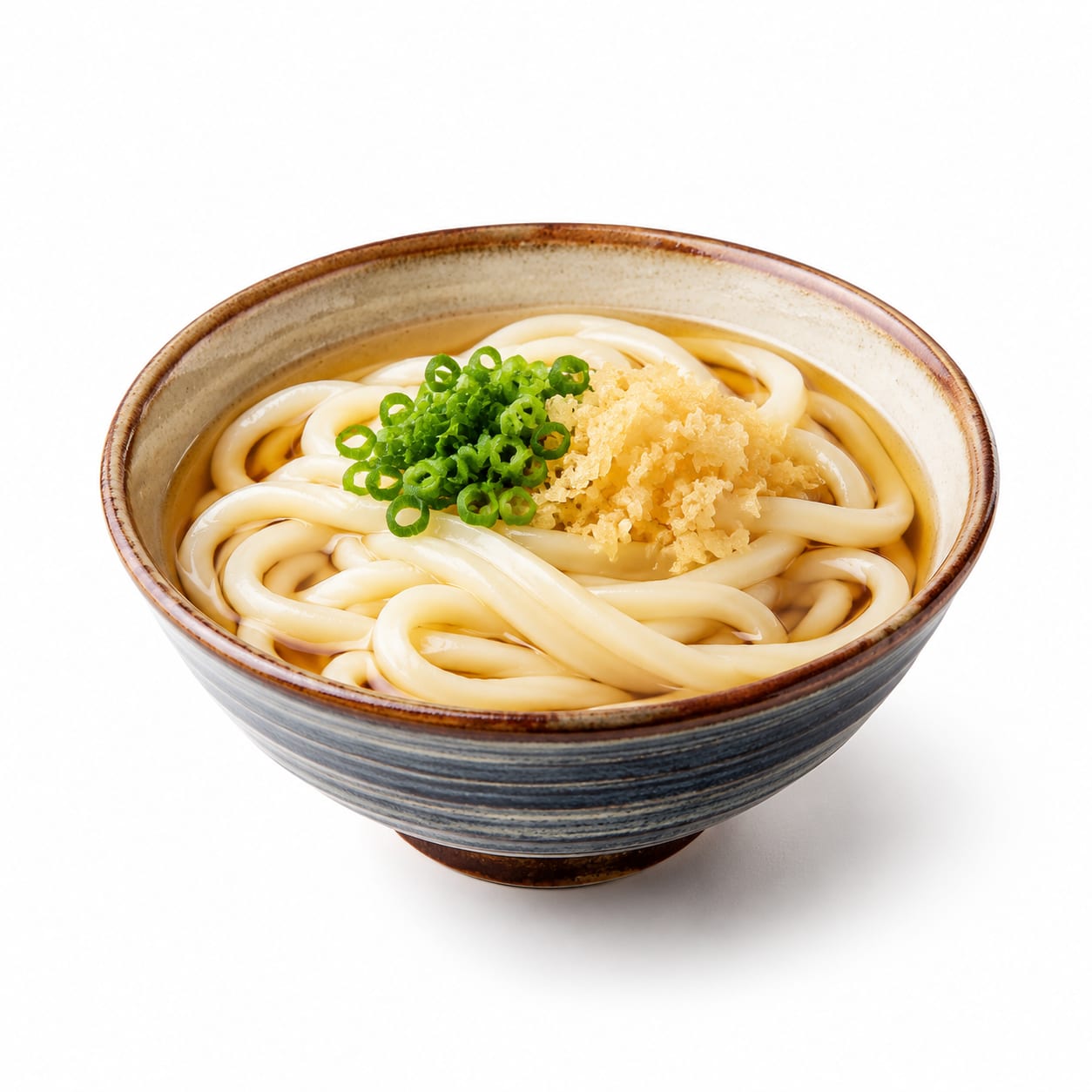
Udon
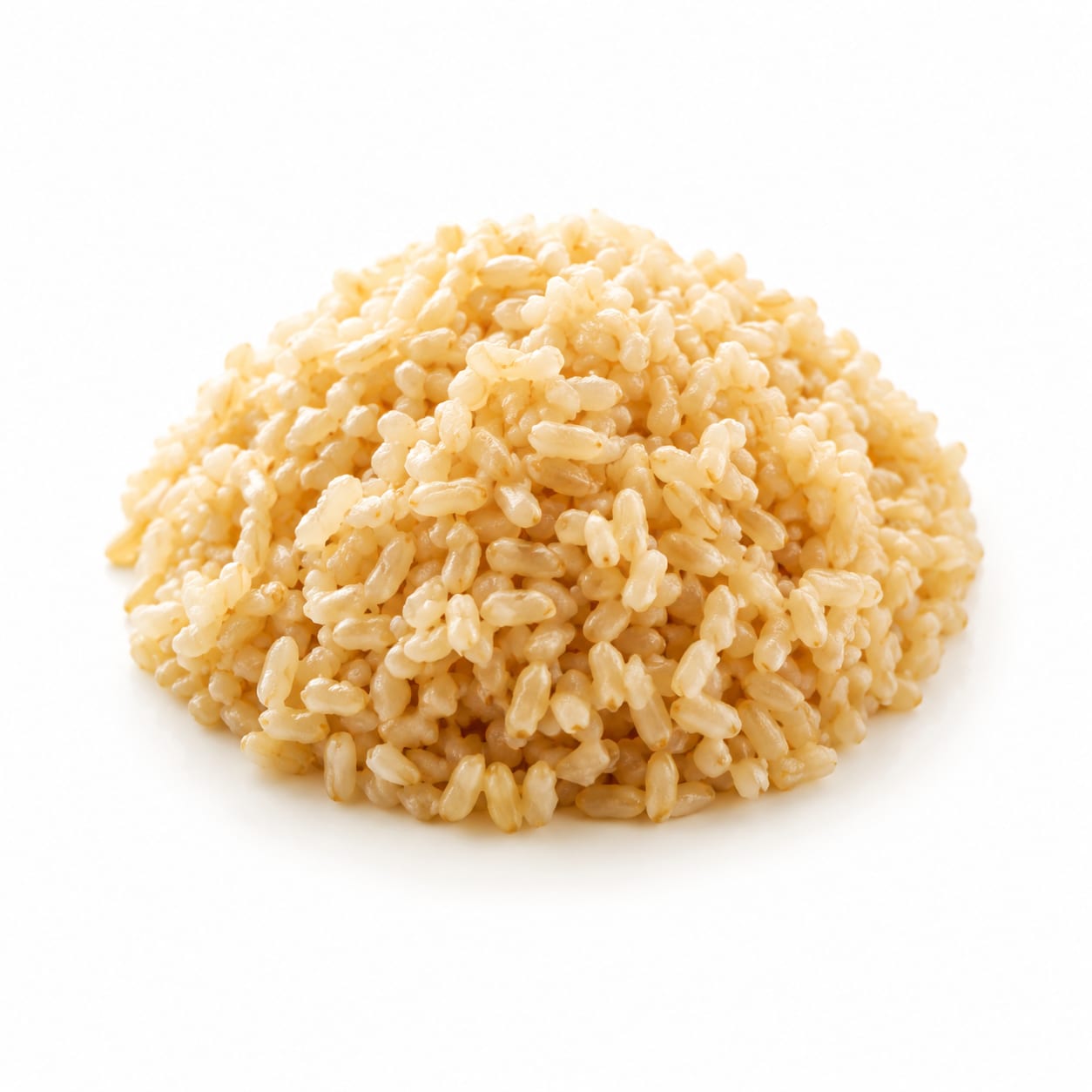
Brown Rice
Brown rice is the stronger everyday carb choice thanks to more fiber, steadier energy, and better long-term health benefits, but udon wins on convenience and comfort.
Brown rice scores notably higher due to superior fiber, micronutrients, blood sugar stability, and whole grain benefits. Udon's convenience and palatably light texture keep it relevant but cannot close the nutritional gap.
You trade quick cooking speed and a comforting slurpable texture for slower digestion, better fullness, and more nutrients with brown rice.
At a glance
Executive summary
Overall
Brown Rice
Healthier
Brown Rice
More practical
Udon
Daily use
Brown Rice
Key comparison lenses
blood sugar and energy stability
Udon is a refined wheat noodle that digests quickly, while brown rice provides slow-releasing carbs with significantly more fiber
weight management and satiety
Brown rice keeps you full longer due to fiber and whole grain structure; udon is easy to overeat because of its light texture
daily staple carbohydrate choice
Both are common carb bases for meals, so users are choosing between them as a recurring dietary foundation
convenience and meal preparation
Udon cooks in minutes while brown rice takes significantly longer, affecting real-world adherence
processing and naturalness
Udon is made from refined wheat flour, brown rice is a whole grain with minimal processing
Best choice for
Udon
- Quick weeknight meals when time is tight
- Post-workout carb replenishment when fast digestion is desired
- Comfort food cravings and sick-day eating
- Anyone who struggles to eat enough calories
Brown Rice
- Steady all-day energy without crashes
- Weight loss or maintenance goals
- Diabetes or insulin resistance management
- Long-term heart and metabolic health
Least suitable for
Udon
- Blood sugar management or diabetes
- Low-sodium diets unless prepared carefully
- Anyone prone to overeating refined carbs
- Gluten-sensitive or celiac individuals
Brown Rice
- Rushed weeknight cooking without meal prep
- Those with digestive difficulty handling high fiber
- Anyone needing quick post-workout glycogen reload
- Arsenic-concerned populations relying heavily on rice
Deep comparison
Dimension by dimension
Each lens scores both foods and breaks down who each option suits.
- Dimension 1 · Priority 92Brown Rice
blood sugar stability
Udon · 35Brown Rice · 78Brown rice digests slowly and releases glucose gradually, while udon causes a faster blood sugar spike similar to white bread.
Tradeoff
Udon gives you quick energy but risks an energy crash 1-2 hours later; brown rice delivers steadier fuel over a longer window.
Why it matters
Frequent blood sugar spikes from refined carbs like udon can increase cravings, fatigue, and long-term metabolic risk.
Real-world impact
After an udon lunch you may feel hungry again by 2pm; after a brown rice bowl you are more likely to stay satisfied until dinner.
Udon
- Quick pre-workout energy when you need fast fuel
- Recovery meals within 30 minutes after intense exercise
Better for
- Sedentary office workers eating large udon portions
- Late dinners where a blood sugar spike disrupts sleep
Worse for
Brown Rice
- Sustained focus through long workdays
- Preventing afternoon energy crashes
- Managing prediabetes or diabetes
Better for
- Mid-workout fueling when you need carbs available within minutes
Worse for
- Dimension 2 · Priority 88Brown Rice
satiety and fullness
Udon · 40Brown Rice · 80Brown rice is significantly more filling per calorie thanks to its fiber content and whole grain structure that requires more chewing.
Tradeoff
Udon's soft slippery texture makes it easy to eat large portions quickly before your brain registers fullness.
Why it matters
Foods that keep you full longer naturally help with portion control and reduce between-meal snacking.
Real-world impact
A bowl of udon can disappear in minutes and leave you reaching for a snack an hour later; the same calories of brown rice feel like a substantial meal.
Udon
- Older adults or anyone with poor appetite who needs easy-to-eat calories
- Recovery from illness when eating feels like a chore
Better for
- Emotional eaters who find it hard to stop at one serving
- People tracking calories who dislike feeling hungry
Worse for
Brown Rice
- Weight loss where feeling full on fewer calories matters
- Preventing late-night snacking urges
- Anyone who eats fast and tends to overeat
Better for
- Those who already struggle to eat enough volume
Worse for
- Dimension 3 · Priority 85Brown Rice
fiber and digestive health
Udon · 15Brown Rice · 82Brown rice provides roughly 3-4 times more fiber than udon, supporting gut health and regular digestion.
Tradeoff
If your digestive system is sensitive to fiber, udon's low-residue nature can be gentler on an upset stomach.
Why it matters
Most people eat far too little fiber, and swapping a refined grain for a whole grain is one of the easiest ways to close that gap.
Real-world impact
Regular brown rice eaters tend to have more consistent digestion; udon eaters may need to get fiber from other parts of the meal to compensate.
Udon
- Acute digestive upset or recovery from GI illness
- Low-residue diets prescribed for certain conditions
Better for
- Anyone already falling short on daily fiber goals
Worse for
Brown Rice
- Improving gut microbiome diversity
- Preventing constipation
- Lowering cholesterol through soluble fiber intake
Better for
- Sudden large increases in fiber can cause bloating if introduced too fast
Worse for
- Dimension 4 · Priority 80Brown Rice
micronutrient density
Udon · 25Brown Rice · 75Brown rice retains its bran and germ, delivering manganese, selenium, magnesium, and B vitamins that udon loses during refining.
Tradeoff
Udon sometimes has added B vitamins through enrichment, but still falls short of the full spectrum brown rice offers naturally.
Why it matters
Manganese and magnesium support bone health and energy production; selenium plays a role in thyroid and immune function.
Real-world impact
Eating brown rice as your daily carb base quietly contributes to meeting mineral needs; udon contributes mostly empty calories by comparison.
Udon
- Situations where calories alone matter more than nutrient density
Better for
- Long-term daily use as a primary carb without nutrient-dense sides
Worse for
Brown Rice
- Anyone not taking a multivitamin who relies on food for minerals
- Older adults needing more magnesium and selenium
- Pregnant women seeking natural B vitamin sources
Better for
- Those already meeting mineral needs through supplements and varied diets
Worse for
- Dimension 5 · Priority 78Udon
convenience and preparation
Udon · 88Brown Rice · 40Udon cooks in 8-12 minutes and requires no special equipment; brown rice takes 40-50 minutes on the stovetop.
Tradeoff
Brown rice rewards batch cooking and meal prep; udon is ready almost on impulse.
Why it matters
The carb that is easier to cook is the carb you will actually eat, which matters for real-world consistency.
Real-world impact
On a tired Tuesday night, udon is dinner in 15 minutes; brown rice requires planning or a rice cooker on a timer.
Udon
- Last-minute meals after long workdays
- College students with limited cooking equipment
- Travel and hostel cooking with basic kitchens
Better for
- Those trying to build structured meal prep routines
Worse for
Brown Rice
- Meal preppers who cook in bulk on weekends
- Households with a rice cooker running daily
Better for
- Anyone who decides dinner at 7pm with no prep done
Worse for
- Dimension 6 · Priority 70Brown Rice
sodium and seasoning dependency
Udon · 30Brown Rice · 72Udon is almost always served in a salty dashi-based broth that can deliver 800-1500mg of sodium per bowl; brown rice is naturally very low in sodium.
Tradeoff
Udon without broth feels bland and unsatisfying, so the sodium is nearly unavoidable; brown rice pairs well with lower-sodium toppings.
Why it matters
High sodium intake is a leading driver of hypertension and bloating, and noodle soups are a hidden major source.
Real-world impact
A single udon bowl can use up half your daily sodium budget; a brown rice bowl with vegetables and lean protein can stay under 300mg.
Udon
- Post-sweat rehydration meals where some sodium is beneficial
- Cold days when a warm salty broth feels therapeutic
Better for
- Anyone on a sodium-restricted diet
- People who already eat processed foods high in salt
Worse for
Brown Rice
- Blood pressure management
- Reducing bloating and water retention
- Kidney health maintenance
Better for
- Endurance athletes who actually need more sodium
Worse for
- Dimension 7 · Priority 60Udon
arsenic and contamination risk
Udon · 80Brown Rice · 50Rice naturally accumulates more inorganic arsenic than other grains; wheat-based udon has negligible arsenic concern.
Tradeoff
The risk is dose-dependent and manageable with rinsing and varied grain intake, but it is a real consideration for daily rice eaters.
Why it matters
Long-term arsenic exposure is linked to certain cancers and cardiovascular risk, especially concerning for children and pregnant women.
Real-world impact
Eating brown rice daily for years is fine for most adults, but rotating in other grains like udon, quinoa, or oats is a smart hedge.
Udon
- Parents concerned about arsenic exposure in kids
- Pregnant women wanting to diversify grain sources
Better for
- People who assume all wheat products are inherently risk-free
Worse for
Brown Rice
- Those who already eat a varied grain rotation and do not rely on rice exclusively
Better for
- Populations in regions with high arsenic in water who also eat rice daily
Worse for
Timeline
Health impact over time
Short-term
Hours to days
Udon
- Quick energy boost within 20-30 minutes of eating
- Possible drowsiness or hunger return within 1-2 hours due to rapid digestion
- High sodium intake if consumed in traditional broth
- Easy on an upset stomach thanks to soft texture and low fiber
Brown Rice
- Sustained energy lasting 3-4 hours without a crash
- Noticeable fullness that reduces between-meal snacking
- Possible mild bloating if your body is not used to higher fiber intake
- Very low sodium unless you add salty seasonings
Long-term
Months to years
Udon
- Frequent refined carb meals may increase risk of insulin resistance over years
- Repeated high-sodium broth intake can contribute to elevated blood pressure
- Low fiber intake may affect gut microbiome diversity if not compensated elsewhere
- Gluten exposure is fine for most but problematic for sensitive individuals
Brown Rice
- Consistent whole grain intake is associated with lower heart disease and type 2 diabetes risk
- Better long-term weight management due to higher satiety per calorie
- Improved digestive regularity and gut health from sustained fiber intake
- Arsenic accumulation is a small but real concern if rice is eaten in extreme excess without rotation
Risk profile
Safety & processing
Udon is made from refined wheat flour with the bran and germ removed, making it a processed grain product even though it contains no artificial additives. Brown rice is a whole grain with only the inedible hull removed, retaining its natural structure and nutrient profile.
Udon
gluten exposure
highUdon contains wheat gluten, making it unsafe for those with celiac disease or significant gluten sensitivity. Reactions can range from digestive distress to autoimmune damage in celiac individuals.
sodium from broth
mediumTraditional udon broth can contain 800-1500mg sodium per serving, which is a concern for blood pressure and cardiovascular health when consumed frequently.
Brown Rice
inorganic arsenic
mediumBrown rice tends to have higher arsenic levels than white rice because arsenic concentrates in the bran. Rinsing, cooking with excess water, and varying grain intake reduce this risk significantly.
spoilage and storage
lowCooked brown rice left at room temperature can harbor Bacillus cereus, a bacteria that causes food poisoning. Refrigerate promptly and reheat thoroughly.
Who wins for whom
Audience fit
Same foods, different winners depending on your goal.
children
It dependsUdon is easier for kids to eat and enjoys wide appeal, but brown rice provides more nutrients for growth. Rotating both is the best approach, with attention to arsenic limits in young children.
daily consumption
Brown RiceBrown rice's fiber, mineral content, and blood sugar stability make it a stronger daily staple, provided you rotate other grains occasionally to manage arsenic exposure.
diabetes
Brown RiceBrown rice has a significantly lower glycemic index and more fiber, leading to smaller blood sugar rises and better long-term glucose control.
elderly
It dependsUdon is softer and easier to chew for those with dental issues, but brown rice supports better blood sugar control and digestive regularity which matter greatly in older age.
muscle gain
It dependsUdon provides faster-digesting carbs useful post-workout, but brown rice offers more manganese and magnesium which support muscle function. Both work depending on timing.
weight loss
Brown RiceBrown rice is more filling per calorie and its slower digestion reduces cravings and overeating, making it easier to maintain a calorie deficit.
Your move
Decision guide
Choose Udon
- You need a quick-cooking carb for busy weeknights
- You are recovering from illness and need gentle easy-to-digest food
- You want fast post-workout glycogen replenishment
- You struggle to eat enough and benefit from calorie-dense easy-to-eat foods
- A warm comforting noodle soup is exactly what you need emotionally
Choose Brown Rice
- You want steady energy without afternoon crashes
- You are managing weight, blood sugar, or heart health
- You meal prep on weekends and can batch-cook grains
- You want to increase your daily fiber intake easily
- You are looking for a nutrient-dense carb base for bowls and stir-fries
Either works if
- You rotate grains throughout the week and do not rely on just one
- You pair either carb with plenty of vegetables and lean protein
- You have no specific health condition that favors one strongly over the other
Avoid both if
- You need a low-carb or ketogenic approach
- You have celiac disease and are considering udon, or severe arsenic concerns and are considering daily brown rice
- You are looking for a high-protein food as your primary fuel source
Final recommendation
Make brown rice your default daily carb for its fiber, minerals, and blood sugar benefits, but keep udon in rotation for busy nights, comfort meals, and post-workout refueling. The best approach is rarely choosing just one — it is knowing when each one serves you better.
Practical
Consumer tips
- 1
Batch-cook brown rice on Sunday and refrigerate portions for up to 5 days to solve the convenience gap
- 2
Rinse brown rice thoroughly and cook with 6:1 water ratio then drain to reduce arsenic by up to 50%
- 3
If eating udon, use half the broth packet or dilute with water to cut sodium significantly
- 4
Add vegetables and protein to either carb — a plain bowl of either is a missed opportunity for balanced nutrition
- 5
Try mixing brown rice with white rice if the texture is too chewy — even a 50/50 blend is a meaningful fiber upgrade over pure refined grains
- 6
Choose whole wheat udon when available for a middle ground between convenience and fiber content