
Nutrition comparison
Udon vs Soba Noodles: Which is Healthier?
Compare udon and soba noodles to find out which is better for weight loss, blood sugar, and daily energy. Learn the nutritional differences between refined wheat and buckwheat.
Overall winner · Soba Noodles
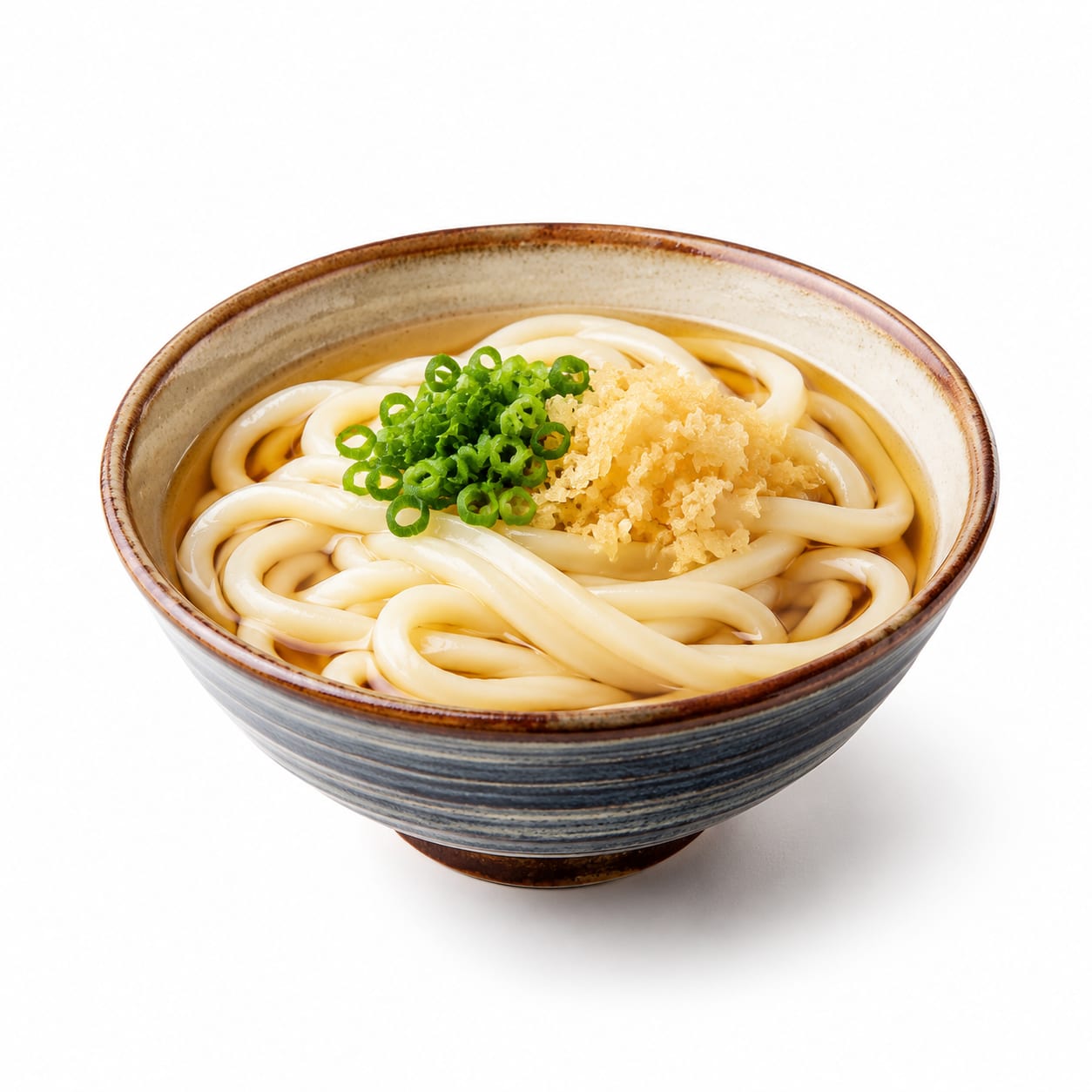
Udon
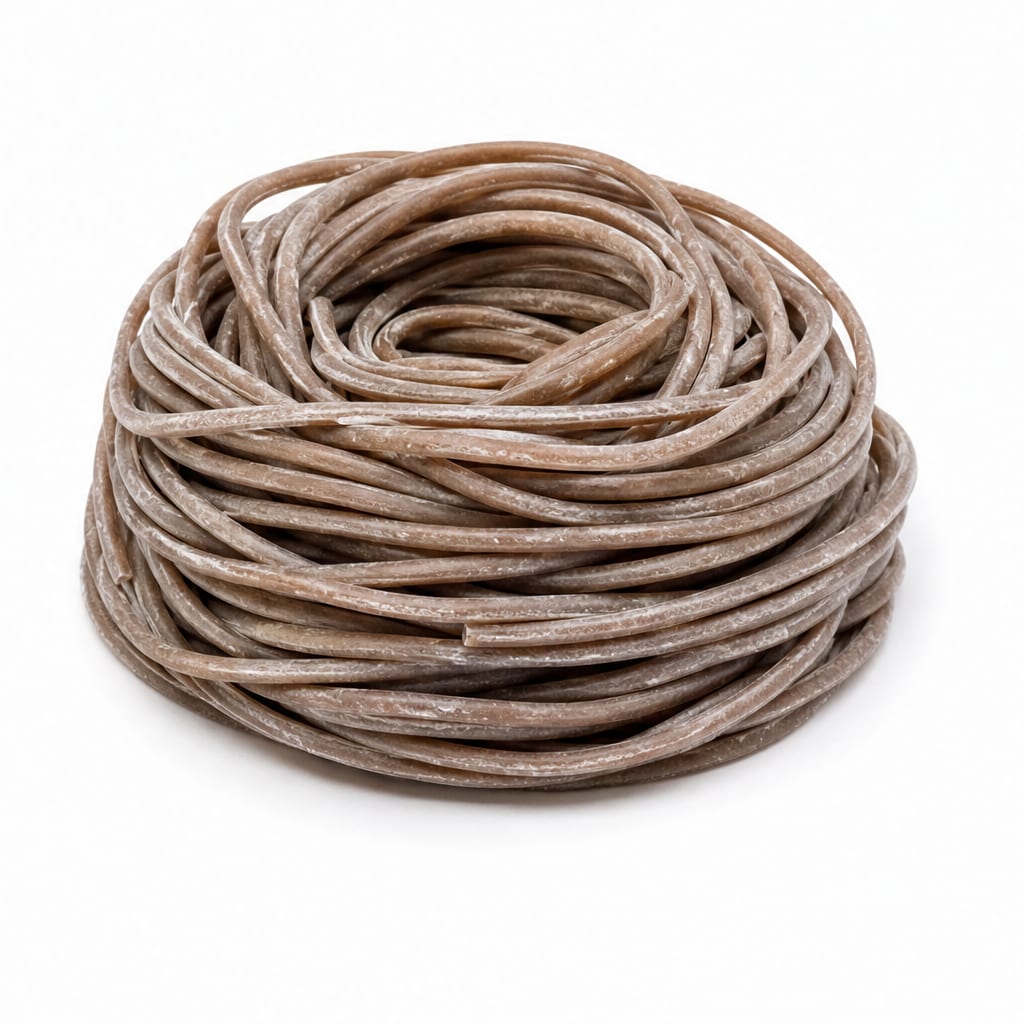
Soba Noodles
Soba noodles deliver better nutrition and steadier energy, while udon offers a softer, more comforting eating experience.
Soba noodles score significantly higher due to superior fiber, protein, and mineral content from buckwheat, while udon scores lower as a refined carbohydrate with minimal nutritional value beyond quick energy.
You trade the quick, comforting satisfaction of refined wheat in udon for the longer-lasting energy and extra nutrients in buckwheat soba.
At a glance
Executive summary
Overall
Soba Noodles
Healthier
Soba Noodles
More practical
It depends
Daily use
Soba Noodles
Key comparison lenses
blood sugar management
Refined wheat in udon spikes blood sugar faster than buckwheat in soba, making this a critical daily health tradeoff
nutritional density
Soba provides significantly more fiber, protein, and trace minerals, while udon is mostly empty starch
digestive comfort
Udon is softer and easier to digest, making it a go-to for sensitive stomachs, whereas soba can be slightly heavier
gluten sensitivity
Udon is strictly high-gluten, while 100% buckwheat soba is naturally gluten-free, though cross-contamination is common
Best choice for
Udon
- People with upset stomachs needing gentle, easy-to-digest meals
- Children who prefer soft, mild-flavored noodles
- Post-workout carb-loading where quick digestion is desired
Soba Noodles
- Anyone managing blood sugar or trying to avoid afternoon energy crashes
- Those seeking higher protein and fiber from a carb source
- People looking for a lighter, nuttier cold noodle dish in hot weather
Least suitable for
Udon
- People with diabetes or insulin resistance
- Those on a low-carb or calorie-controlled diet
Soba Noodles
- People with severe buckwheat allergies
- Those who need very soft foods due to dental or digestive issues
Deep comparison
Dimension by dimension
Each lens scores both foods and breaks down who each option suits.
- Dimension 1 · Priority 95Soba Noodles
blood sugar stability
Udon · 35Soba Noodles · 75Soba keeps your energy steady; udon causes a faster spike and crash.
Tradeoff
Udon gives you quick, readily available energy, but you will feel hungry again sooner. Soba takes longer to digest, preventing the afternoon slump.
Why it matters
Rapid blood sugar spikes from refined carbs like udon lead to cravings and fatigue, while buckwheat's complex carbs sustain focus.
Real-world impact
Eating udon for lunch might leave you reaching for a coffee at 2 PM, whereas soba keeps you full and alert until dinner.
Udon
- Quick pre-workout fueling
- Recovering from low blood sugar episodes
Better for
- Sustained desk work without snack breaks
- Diabetic meal planning
Worse for
Soba Noodles
- Preventing the afternoon energy crash
- Managing insulin resistance
Better for
- Immediate post-marathon carb replenishment where fast absorption is key
Worse for
- Dimension 2 · Priority 90Soba Noodles
nutritional density
Udon · 25Soba Noodles · 85Soba is packed with fiber and minerals; udon is mostly empty starch.
Tradeoff
Udon is a blank canvas that pairs well with nutrient-dense broths, but the noodle itself contributes little. Soba brings its own nutritional weight to the bowl.
Why it matters
Buckwheat contains rutin, which supports cardiovascular health, and offers double the fiber of udon.
Real-world impact
A bowl of soba actively improves your daily nutrient intake, while a bowl of udon mostly just fills you up.
Udon
- Providing a neutral base for rich, protein-heavy toppings
Better for
- Meeting daily micronutrient needs
- Improving gut motility
Worse for
Soba Noodles
- Boosting daily fiber intake
- Supporting heart health via rutin
Better for
- Culinary situations requiring a completely neutral flavor base
Worse for
- Dimension 3 · Priority 80Udon
digestive comfort
Udon · 90Soba Noodles · 65Udon is famously gentle on the stomach; soba can be slightly more taxing to digest.
Tradeoff
Udon's soft, pliable texture is soothing and requires minimal effort to break down. Soba's denser buckwheat composition requires more digestive work.
Why it matters
When you are sick or have a sensitive stomach, digestibility matters more than nutrient density.
Real-world impact
Udon is the Japanese equivalent of chicken noodle soup—comforting and easy. Soba is more like a hearty whole grain salad.
Udon
- Recovering from a stomach bug
- Soothing an upset digestive tract
Better for
- Feeling physically light after a large meal
Worse for
Soba Noodles
- Feeding a healthy gut microbiome with prebiotic fiber
Better for
- Eating during a flare-up of IBS or gastrointestinal distress
Worse for
- Dimension 4 · Priority 85Soba Noodles
satiety and fullness
Udon · 50Soba Noodles · 80Soba keeps you full for hours; udon leaves you hungry again quickly.
Tradeoff
Udon is physically filling in the moment due to water absorption, but lacks the fiber to sustain that fullness. Soba's protein and fiber lock in satiety.
Why it matters
Staying full between meals prevents overeating and unhealthy snacking.
Real-world impact
A udon bowl might feel heavy going down, but you will be peckish two hours later. Soba keeps the hunger pangs away.
Udon
- Comfort eating when you want to feel physically stretched
Better for
- Portion control and calorie management
Worse for
Soba Noodles
- Weight management
- Long work shifts without meal breaks
Better for
- Light, refreshing meals before intense physical activity
Worse for
Timeline
Health impact over time
Short-term
Hours to days
Udon
- Quick burst of energy followed by a potential crash
- Immediate physical fullness from water-heavy starch
- Very gentle on an upset stomach
Soba Noodles
- Steady, reliable energy without the crash
- Sustained fullness that prevents snacking
- May feel slightly heavy if you are not used to high-fiber foods
Long-term
Months to years
Udon
- Frequent consumption may contribute to insulin resistance if portions are large
- Low nutrient contribution to overall diet
- Higher risk of weight gain if not balanced with protein and vegetables
Soba Noodles
- Improved cardiovascular health from rutin
- Better blood sugar regulation over time
- Improved digestion and gut health from higher fiber intake
Risk profile
Safety & processing
Both are simple grain-and-water noodles, but udon relies on refined white wheat flour, stripping away the bran and germ. Soba, especially when made from whole buckwheat, retains the grain's natural nutritional profile.
Udon
Gluten exposure
highUdon is made from wheat flour and is strictly off-limits for those with celiac disease or gluten intolerance.
Soba Noodles
Hidden wheat and gluten cross-contamination
highMost commercial soba contains some wheat flour for elasticity. Only 100% buckwheat (juwari soba) is gluten-free, and cross-contamination in factories is common.
Buckwheat allergy
mediumBuckwheat is a potent allergen for some individuals, causing severe reactions that are often overlooked compared to wheat allergies.
Who wins for whom
Audience fit
Same foods, different winners depending on your goal.
children
UdonUdon's soft, chewy texture and mild flavor are usually much more appealing to kids than soba's earthy, nuttier taste.
daily consumption
Soba NoodlesThe superior nutritional profile and blood sugar stability of soba make it a much better staple for everyday lunches or dinners.
diabetes
Soba NoodlesBuckwheat has a much lower glycemic index and improves glucose tolerance, making soba the clear winner for blood sugar control.
elderly
UdonUdon requires less effort to chew and is gentler on aging digestive systems, making it a safer and more comfortable choice.
muscle gain
It dependsNeither is a protein powerhouse, but udon's faster-digesting carbs can be useful post-workout, while soba offers slightly more protein per serving.
weight loss
Soba NoodlesHigher fiber and protein in soba noodles keep you full longer, reducing the urge to overeat.
Your move
Decision guide
Choose Udon
- You are feeling under the weather and need a gentle, comforting meal
- You are carb-loading the night before an athletic event
- You are cooking for kids who reject whole grains or nutty flavors
Choose Soba Noodles
- You want steady energy to get through a long workday
- You are trying to increase your fiber and protein intake without supplements
- You are eating a cold noodle salad in the summer and want refreshing texture
Either works if
- You are building a broth-based soup loaded with vegetables and lean protein
- You need a quick 15-minute weeknight dinner
Avoid both if
- You are on a strict ketogenic or very low-carb diet
- You have severe sensitivities to both wheat and buckwheat
Final recommendation
Make soba noodles your default choice for everyday meals to benefit from the fiber, protein, and steady energy. Save udon for when you need digestive comfort or a nostalgic, soothing bowl of warmth.
Practical
Consumer tips
- 1
Always check the ingredient list on soba noodles—look for 100% buckwheat to avoid wheat and get the maximum health benefit.
- 2
Rinsing cooked soba under cold water removes excess starch and improves the firm, pleasant texture for cold dishes.
- 3
Since both noodles are carb-heavy, always pair them with a good source of protein like tofu, chicken, or eggs and plenty of vegetables to balance the meal.
- 4
Be mindful of the broth—many udon and soba soup bases are extremely high in sodium. Drinking less of the broth saves you from a massive salt load.