
Nutrition comparison
Udon vs Somen Noodles: Which Is Healthier for You?
Compare Udon and Somen noodles on calories, satiety, blood sugar impact, and digestibility. Find out which Japanese noodle fits your health goals and eating style.
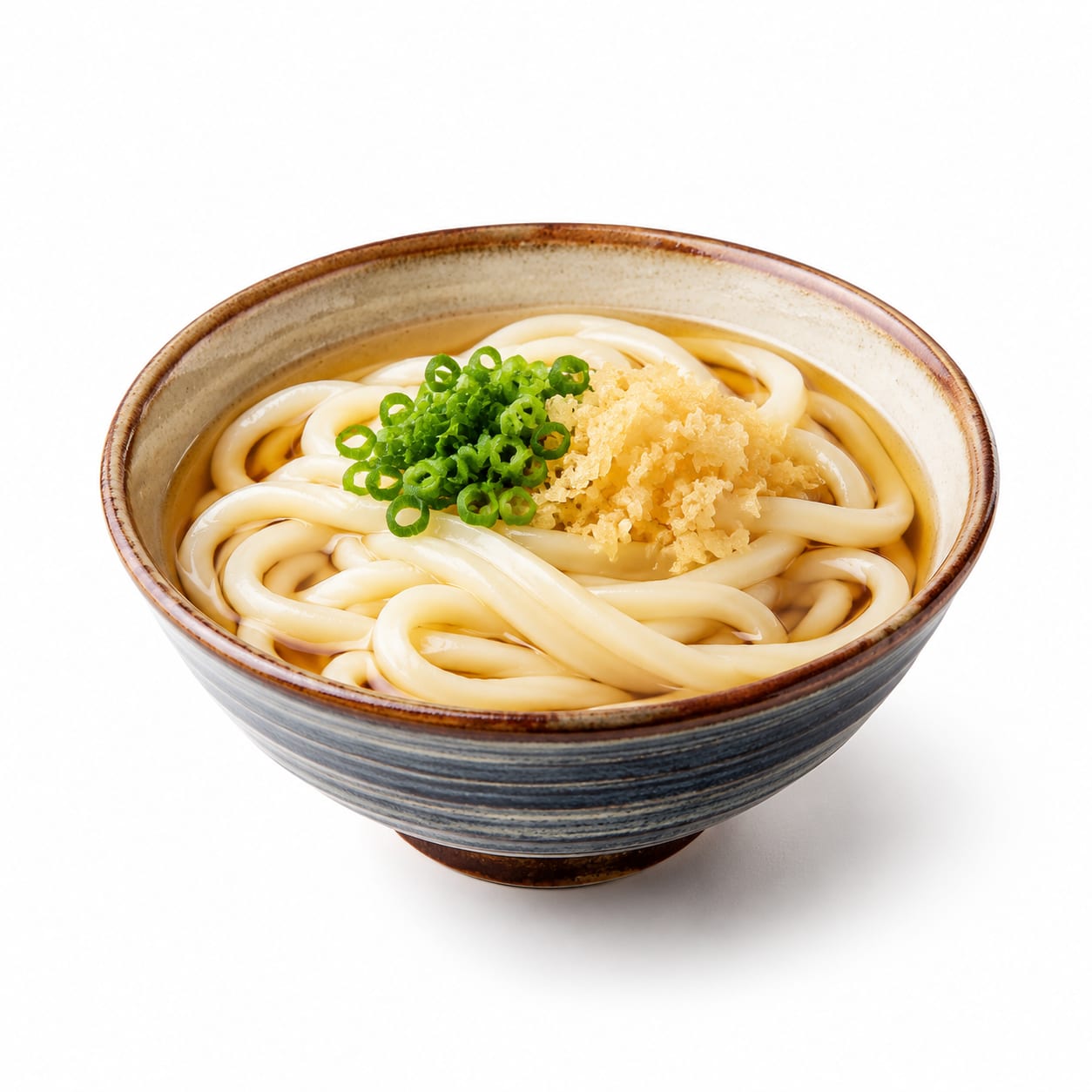
Udon
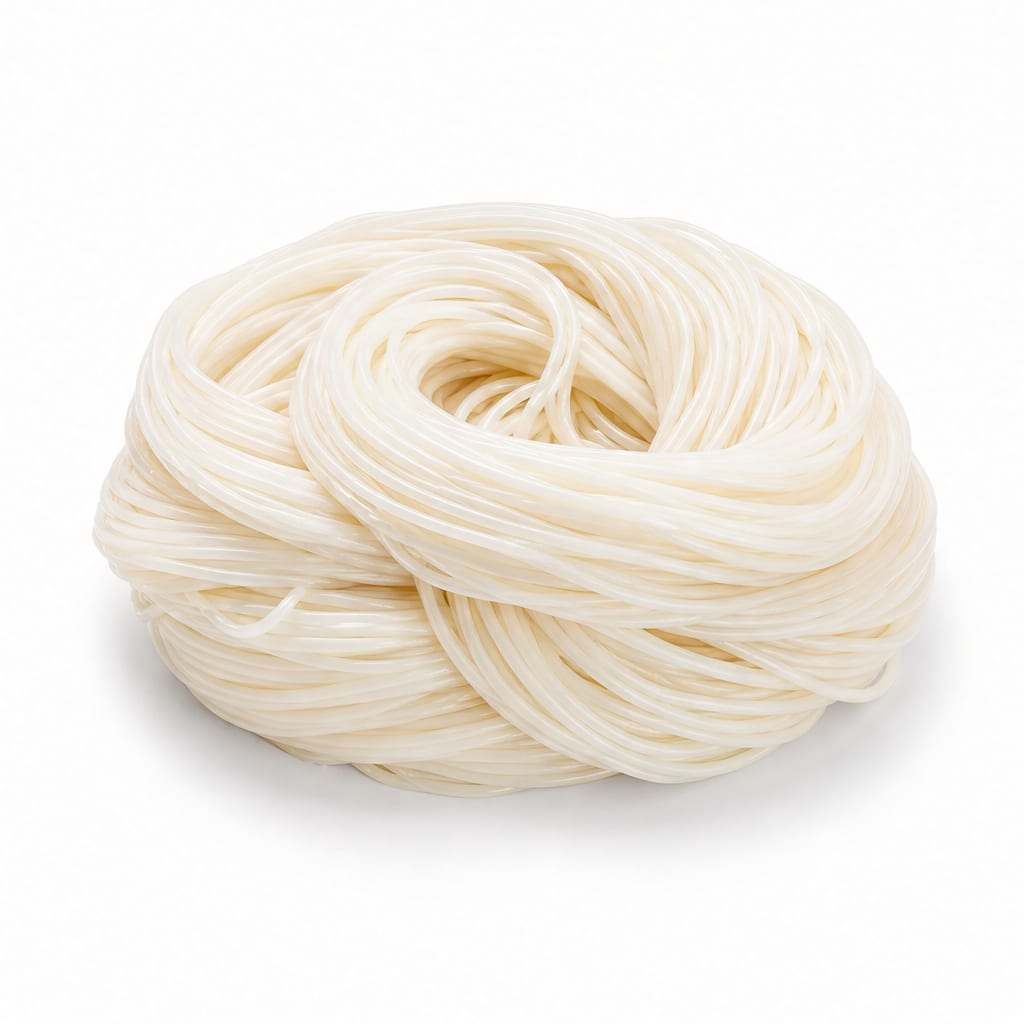
Somen Noodles
Udon fills you up; Somen keeps you light. Choose based on whether you want a satisfying meal or a gentle one.
Nearly identical nutritionally since both are refined wheat noodles. Somen scores slightly higher because its typical smaller portion size makes calorie control easier, but Udon's superior satiety keeps it close. The real difference is experiential, not nutritional.
Hearty satisfaction versus light digestibility — both are refined wheat noodles with similar nutritional profiles but very different eating experiences.
At a glance
Executive summary
Overall
It depends
Healthier
It depends
More practical
Udon
Daily use
It depends
Key comparison lenses
calorie and portion control
Somen's thinness means smaller portions and fewer calories per serving, making it the default for lighter eating
satiety and meal satisfaction
Udon's thick chewy texture is far more filling, which matters for avoiding hunger rebounds
blood sugar management
Both are refined wheat noodles, but portion density and glycemic response differ meaningfully
digestive comfort and lightness
Somen is a classic summer food in Japan specifically because it feels light and easy on the stomach
versatility and meal role
Udon works in soups, stir-fries, and hot pots while Somen is mostly a cold dish noodle
Best choice for
Udon
- People who need a filling meal to avoid snacking later
- Cold-weather eating when you want something warming and substantial
- Active individuals needing more carbohydrate fuel
- Anyone who finds small portions leave them hungry
Somen Noodles
- Hot-weather eating when heavy food feels unappealing
- People recovering from stomach upset who need gentle food
- Those watching calories who prefer smaller portions
- Anyone wanting a quick light lunch without afternoon sluggishness
Least suitable for
Udon
- People trying to reduce refined carbohydrate intake
- Those who feel sluggish after heavy wheat-based meals
- Anyone eating in extreme heat who wants something refreshing
Somen Noodles
- People who need a meal that keeps them full for hours
- Athletes or heavy trainers needing substantial carb loading
- Those prone to overeating because the light portion feels unsatisfying
Deep comparison
Dimension by dimension
Each lens scores both foods and breaks down who each option suits.
- Dimension 1 · Priority 90Udon
satiety_and_fullness
Udon · 78Somen Noodles · 45Udon's thick chewy bites are genuinely filling. Somen's delicate strands disappear quickly, often leaving you hungry again within an hour or two.
Tradeoff
Udon keeps you satisfied longer but sits heavier. Somen feels pleasantly light but may trigger cravings sooner.
Why it matters
If you eat lunch and cannot snack for 4-5 hours, Udon prevents the mid-afternoon energy crash better.
Real-world impact
A bowl of Udon at noon can carry you to dinner. A Somen lunch often needs a snack by 3pm.
Udon
- Long gaps between meals
- Avoiding vending machine temptation
- Physically active days
Better for
- Eating right before exercise
- Hot humid days when heavy food feels oppressive
Worse for
Somen Noodles
- Eating before a nap
- Small frequent meal patterns
- Post-heavy-meal recovery days
Better for
- Skipping snacks leads to overeating at dinner
- Busy schedules without snack access
Worse for
- Dimension 2 · Priority 88Somen Noodles
calorie_and_portion_control
Udon · 40Somen Noodles · 72A typical Somen serving is 80-100g dry versus Udon's 150-200g. That alone can mean 200+ fewer calories per meal without any effort.
Tradeoff
Somen makes portion control almost automatic. Udon requires conscious effort to eat a smaller serving.
Why it matters
For weight management, the food that naturally comes in smaller portions wins without requiring willpower.
Real-world impact
A standard Udon bowl is a full meal. A standard Somen plate is a light meal — you decide if that is freedom or frustration.
Udon
- People who struggle to eat enough
- Those needing predictable energy intake
Better for
- Consistent calorie surplus risk
- Mindless overeating in large bowls
Worse for
Somen Noodles
- Calorie-conscious eaters
- Anyone who prefers small meals
- People who like adding many side dishes
Better for
- Under-eating during active periods
- Feeling deprived after meals
Worse for
- Dimension 3 · Priority 75Somen Noodles
blood_sugar_stability
Udon · 38Somen Noodles · 50Both spike blood sugar as refined wheat, but Somen's smaller typical portion means a smaller glucose load per meal.
Tradeoff
Neither is a blood sugar hero. Somen just does less damage by virtue of less carbohydrate per serving.
Why it matters
If you are prediabetic or insulin resistant, both need pairing with protein and vegetables to blunt the spike.
Real-world impact
Eating either noodle alone will cause a sugar spike followed by a dip. The dip hits harder after Udon because more carbs are involved.
Udon
- Athletes who need rapid glycogen replenishment post-workout
Better for
- Larger carbohydrate bolus per meal
- Bigger post-meal energy crash risk
Worse for
Somen Noodles
- Smaller glycemic load per meal
- Easier to pair with protein without overeating total calories
Better for
- Still a refined carb with minimal fiber
- Quick digestion means the spike arrives fast
Worse for
- Dimension 4 · Priority 70Somen Noodles
digestive_comfort
Udon · 48Somen Noodles · 78Somen is famously easy to digest — it is a traditional Japanese recovery food. Udon's density can feel heavy, especially in hot weather or with sensitive digestion.
Tradeoff
Somen is gentle on the stomach but may not feel like a real meal. Udon feels substantial but can sit like a weight.
Why it matters
After illness, during stress, or in summer heat, digestive ease matters more than calorie count.
Real-world impact
Somen is what Japanese people eat when they feel unwell. Udon is what they eat when they are hungry.
Udon
- When digestive strength is normal and you want satisfaction
Better for
- Post-illness recovery
- Irritable bowel flare-ups
- Eating before lying down
Worse for
Somen Noodles
- Recovering from stomach bugs
- Hot weather appetite loss
- Sensitive digestion days
- Eating close to bedtime
Better for
- When you need food that feels like it stays with you
Worse for
- Dimension 5 · Priority 65Udon
versatility_and_meal_roles
Udon · 82Somen Noodles · 48Udon works in hot soups, stir-fries, curries, and hot pots. Somen is almost exclusively a cold dish with dipping sauce, limiting its year-round usefulness.
Tradeoff
Udon adapts to almost any meal format. Somen excels at one thing beautifully but feels out of place elsewhere.
Why it matters
A versatile staple gets eaten more consistently and reduces meal planning friction.
Real-world impact
You can build a full weekly meal plan around Udon. Somen is more of a seasonal guest star.
Udon
- Year-round cooking
- One-pot meals and hot pots
- Absorbing rich broths and sauces
- Stir-fry noodle dishes
Better for
- Delicate refined presentations
- No-cook meal options
Worse for
Somen Noodles
- Elegant cold appetizers
- Minimal cooking in summer
- Quick 2-minute meal prep
Better for
- Hearty winter meals
- Stir-fry applications
- One-bowl meal construction
Worse for
- Dimension 6 · Priority 55Somen Noodles
cooking_convenience
Udon · 55Somen Noodles · 82Somen cooks in 1-2 minutes. Udon takes 8-12 minutes for dried versions. Fresh Udon is faster but less commonly available.
Tradeoff
Somen is nearly instant. Dried Udon requires patience or planning ahead.
Why it matters
On busy weeknights, the 10-minute cooking difference can decide what you actually make.
Real-world impact
Somen is ready almost as fast as instant ramen but without the seasoning packet. Dried Udon is a wait.
Udon
- Weekend cooking when time is flexible
- Slow-simmered broth dishes where noodle timing matters less
Better for
- Rushed dinner scenarios
- Impatient hungry cooking
Worse for
Somen Noodles
- Weeknight speed meals
- Impromptu cooking
- Minimal cleanup and pot watching
Better for
- Dishes requiring long-simmered noodle absorption
Worse for
Timeline
Health impact over time
Short-term
Hours to days
Udon
- Noticeable fullness within 20 minutes of eating
- Potential post-meal drowsiness from larger carbohydrate load
- Warming and comforting sensation in cold weather
Somen Noodles
- Light feeling that may not register as a full meal
- Quick energy availability from rapidly digested thin noodles
- Refreshing and cooling effect, especially served cold
Long-term
Months to years
Udon
- Regular large portions may contribute to gradual weight gain if not balanced
- Consistent refined carbohydrate intake without fiber or protein pairing affects insulin sensitivity
- Satisfying meals may reduce between-meal snacking, which can help calorie control
Somen Noodles
- Smaller automatic portions support weight maintenance without conscious restriction
- Light meals may lead to compensatory snacking if not paired with adequate protein
- Easy digestibility makes it sustainable for people with sensitive stomachs long-term
Risk profile
Safety & processing
Both are simple wheat flour, water, and salt noodles with minimal additives. Some commercial Somen brands add a small amount of oil for smoothness. Neither raises significant processing concerns — they are about as clean as refined grain products get.
Udon
Sodium in broth pairing
mediumUdon is almost always served in salty dashi-based broth. The noodle itself is low sodium, but the eating context delivers high sodium loads.
Wheat gluten sensitivity
lowStandard wheat flour content. Not suitable for celiac or gluten-sensitive individuals, but this is inherent to the food, not a contamination risk.
Somen Noodles
Sodium in tsuyu dipping sauce
mediumSomen's concentrated dipping sauce is extremely salty. You consume less total broth than Udon, but the sauce itself is sodium-dense.
Minimal oil additive in some brands
lowSome Somen producers add vegetable oil to improve strand separation. Amounts are tiny and not a health concern for most people.
Who wins for whom
Audience fit
Same foods, different winners depending on your goal.
children
UdonKids find Udon's chewy texture fun and filling. Somen's thinness and cold serving style are less appealing to most children.
daily consumption
It dependsUdon works better as a daily staple in cooler months or for active people. Somen suits warmer months and lighter eaters. Rotating both seasonally is ideal.
diabetes
Somen NoodlesSmaller carbohydrate load per typical serving means a smaller blood sugar spike. Both need protein and vegetable pairing regardless.
elderly
Somen NoodlesSomen is softer, easier to chew, and gentler on aging digestion. Its lightness suits smaller appetites common in older adults.
muscle gain
UdonUdon delivers more carbohydrate fuel per meal, supporting glycogen replenishment for training. Neither is a protein source.
weight loss
Somen NoodlesSomen's smaller typical portion size makes calorie control effortless. Udon's larger servings require deliberate portion reduction.
Your move
Decision guide
Choose Udon
- You want a meal that keeps you full for hours without snacking
- It is cold outside and you crave something warming and substantial
- You are cooking a one-pot meal, hot pot, or stir-fry
- You need carbohydrate fuel before or after physical activity
- You find small portions leave you hunting for snacks
Choose Somen Noodles
- It is hot and heavy food sounds unappealing
- You want a light meal that will not make you drowsy
- You are recovering from illness and need gentle food
- You prefer eating smaller meals with more side dishes
- You want something ready in under 3 minutes
Either works if
- You are adding plenty of protein, vegetables, and healthy fats to make it balanced
- You have no blood sugar concerns and eat a varied diet overall
- You are eating for enjoyment rather than strict nutritional optimization
Avoid both if
- You have celiac disease or gluten intolerance
- You are following a low-carb or ketogenic diet
- You are trying to minimize refined grain consumption for metabolic health
- You have uncontrolled diabetes and cannot pair noodles with adequate protein and fiber
Final recommendation
Let the season and your hunger level decide. Eat Udon when you need a real meal that satisfies. Eat Somen when you want something gentle and quick. Both deserve protein and vegetables as companions — neither should stand alone as a complete meal.
Practical
Consumer tips
- 1
Always pair either noodle with protein like tofu, chicken, or egg to blunt the blood sugar spike
- 2
Add vegetables to bulk the meal with fiber and micronutrients without many extra calories
- 3
Rinse cooked Somen in ice water for the best texture — it firms up the noodles beautifully
- 4
If using dried Udon, check the ingredient list for just wheat flour, water, and salt — avoid brands with unnecessary additives
- 5
For Udon, choose kombu-based lighter broths over heavy soy-based ones to reduce sodium by 30-40%
- 6
Somen's dipping sauce is extremely concentrated — dilute it more than you think you need to cut sodium
- 7
Freeze fresh Udon portions individually so you can cook only what you need without waiting for a full block to thaw
- 8
Consider swapping in whole grain Udon occasionally — it exists and adds meaningful fiber