
Seafood
Tuna
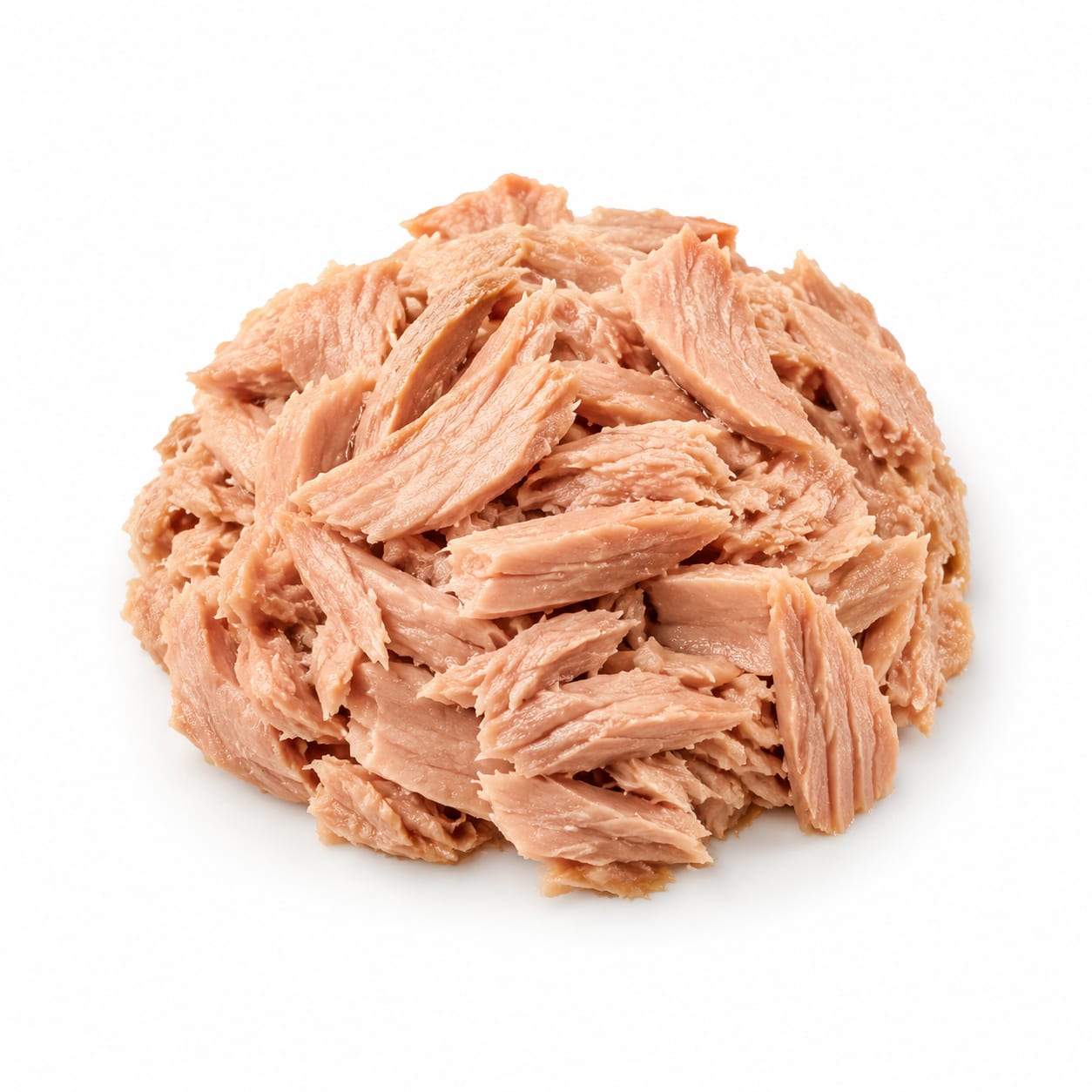
Tuna is a large, ocean-dwelling fish prized for its lean protein and omega-3 content, commonly eaten fresh or canned.
Tuna is a saltwater fish belonging to the tribe Thunnini, widely consumed globally as a lean source of high-quality protein, available fresh or canned.
protein-dense animal food
Typical serving · 112g
Common varieties · Skipjack (Light Canned), Albacore (White Canned), Yellowfin (Fresh/Ahi), Bluefin (Fresh/Sushi), Bigeye (Fresh/Sushi)
Overall context score across nutrition, safety, and diet fit
At a glance
Quick facts
Simple indicators based on nutrition, processing, and diet fit.
The story
What makes it unique
Tuna digests at a moderate pace due to its dense protein structure, providing prolonged satiety. It has a macronutrient profile dominated by protein with minimal fat or carbohydrates, though certain species offer beneficial omega-3 fatty acids. Processing varies from minimal (fresh steaks) to moderate (canned), which involves cooking and preservation in water or oil.
Varieties: Skipjack (Light Canned) · Albacore (White Canned) · Yellowfin (Fresh/Ahi) · Bluefin (Fresh/Sushi) · Bigeye (Fresh/Sushi)
Per 100g
Nutrition breakdown
Macro balance and key metrics at a glance.
Energy
Density 1.16 kcal/g
Protein
Carbs
Fat
Fiber
Sugar
0 g
Sodium
338 mg
Potassium
237 mg
Glycemic index
0
Glycemic load
0
Water content
70%
Standout compounds
Nutrient highlights
Protein
highSupports muscle growth, repair, and satiety
Selenium
highActs as a powerful antioxidant and supports thyroid function
Omega-3 Fatty Acids
moderateReduces inflammation and supports cardiovascular health
Vitamin D
moderatePromotes calcium absorption and bone health
Vitamin B12
highEssential for nerve function and red blood cell formation
Wellness map
Health scores & processing
NOVA processing scale
minimally processed to processed · Whole food
Canned tuna is cooked and preserved in water, oil, or broth, making it a processed convenience food. Fresh or frozen tuna steaks are minimally processed (Nova Group 1).
Diet compatibility
- Weight loss
- Muscle gain
- Diabetes
- Gut health
- Low carb
- High protein
- Heart health
Relative standing
Food rankings
Qualitative ranks compared to similar whole foods.
- Satietyexcellent
- Blood sugarexcellent
- Nutrient densityexcellent
- Fitness fuelexcellent
- Processing qualitygood
Eat with confidence
Food safety profile
Tuna accumulates methylmercury from ocean pollution, with larger species like albacore and bigeye containing higher levels. Scombroid poisoning (histamine toxicity) is a risk if fresh tuna is not kept adequately refrigerated.
Evidence confidence 88%
- Pesticideslow
- Antibioticslow
- Heavy metalsmoderate
- Contaminationmoderate
Watch for
- Methylmercury
- Histamine
- Bisphenol A (BPA) from can linings
Safer choices
Skipjack (light canned tuna) contains significantly less mercury than albacore. Cans labeled BPA-free reduce endocrine disruptor exposure.
Prep tips
Draining and rinsing canned tuna can reduce sodium content by up to 20%. Cook fresh tuna thoroughly to minimize parasitic risks, though it is often consumed rare.
FDA and EPA advise limiting albacore tuna consumption to one serving per week due to methylmercury content, particularly for pregnant individuals and children.
Deep dive
Health analysis
How this food may fit different goals and preparation choices.
Weight loss
Extremely low in calories and high in protein, tuna promotes strong satiety and helps preserve lean muscle mass during calorie deficits.
Blood sugar
Contains zero carbohydrates, resulting in no glycemic impact and making it highly effective for stabilizing blood sugar levels.
Fitness & energy
A premier source of complete protein containing all essential amino acids, ideal for post-workout muscle repair and synthesis.
Gut health
Easily digestible due to lack of fiber and tough connective tissue, but it does not provide prebiotics or fiber needed to actively feed the gut microbiome.
Processing quality
Canned tuna retains its protein and mineral content through the canning process, but may contain added sodium or vegetable broths.
Food safety
Mercury bioaccumulation is the primary concern. Choosing skipjack over albacore and limiting intake to 2-3 servings per week minimizes risk.
Common mistakes
Consuming albacore tuna daily assuming all tuna is equal in mercury, and ignoring the high sodium content in canned varieties.
Best preparation
Grilling or searing fresh steaks with minimal oil, or mixing canned tuna with avocado or Greek yogurt instead of mayonnaise to maintain a healthy fat profile.
Practical guide
Best use cases
When and how this food fits real eating patterns.
Post-workout recovery
Provides fast-digesting, high-quality protein to stimulate muscle protein synthesis after exercise.
Quick high-protein lunch
Canned tuna requires no cooking and can be rapidly prepared for a low-calorie, satiating midday meal.
Low-carb diet staple
Zero carbohydrates make tuna an ideal protein source for ketogenic and strict low-carb dietary protocols.
Balance sheet
Pros & cons
Upsides
- Extremely high lean protein content
- Zero carbohydrates, no glycemic impact
- Rich in selenium and B vitamins
- Convenient and shelf-stable when canned
- Good source of anti-inflammatory omega-3s
Trade-offs
- Mercury content limits safe consumption frequency
- Canned versions can be high in sodium
- Lacks dietary fiber for gut health
- Overfishing concerns with certain species like Bluefin
- Risk of scombroid poisoning if fresh fish is improperly chilled
Fit check
Who is it for?
Great match
- high-protein diets
- weight loss calorie deficits
- post-workout muscle recovery
- low-carb and ketogenic diets
Consider alternatives
- pregnant women (high mercury species)
- low-sodium diets (canned varieties)
- those seeking prebiotic fiber for gut microbiome
- strict plant-based diets
Side by side
How it compares
Open the full head-to-head analysis for nutrition, safety, and practical tradeoffs.
This food
Tuna
VS90% alike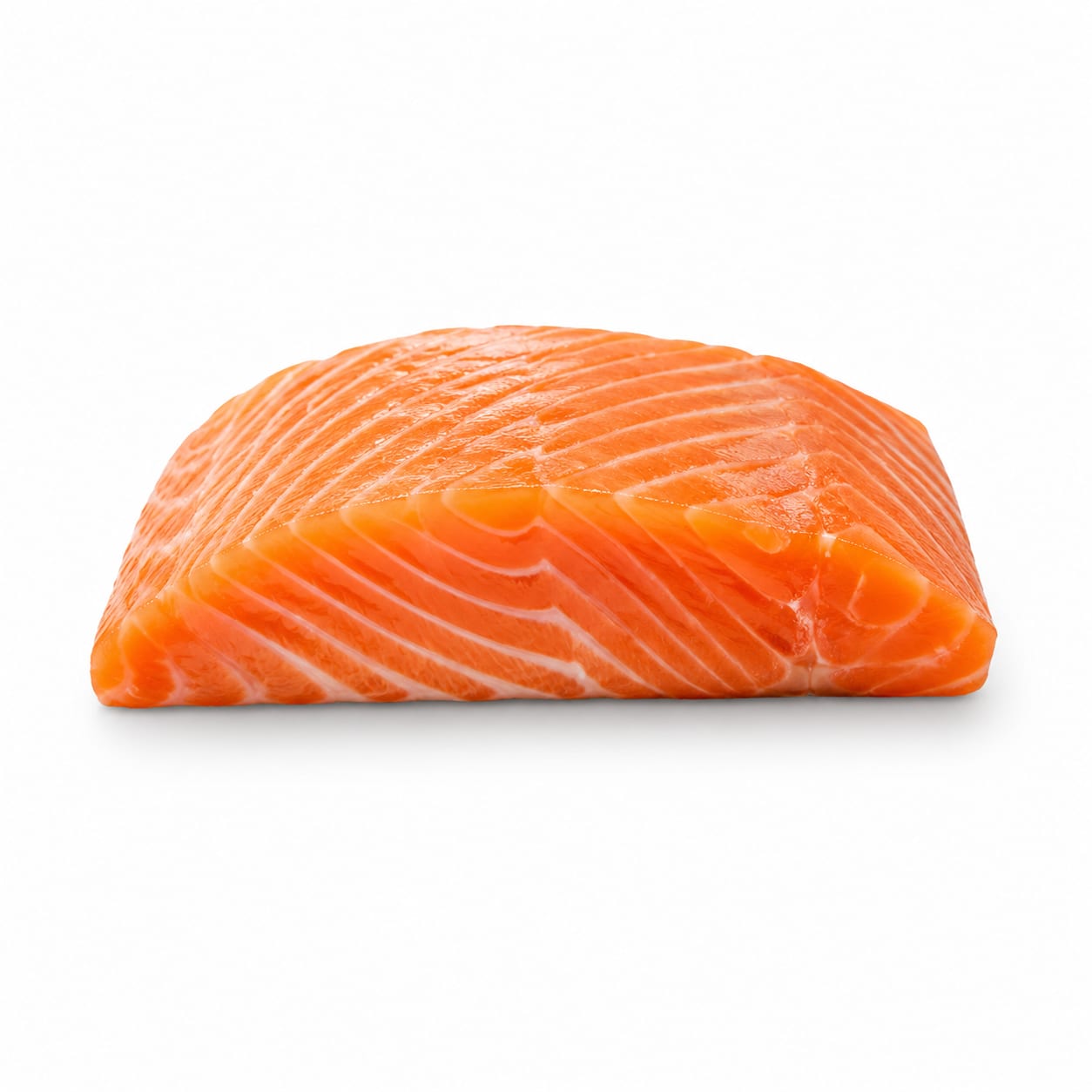
Compare with
Salmon
Salmon offers more omega-3 fats and lower mercury than tuna, but tuna is leaner and lower in calories.
Tuna is leaner and lower in calories for weight loss, while salmon provides more omega-3 fats and has lower mercury risk.
This food
Tuna
VS85% alike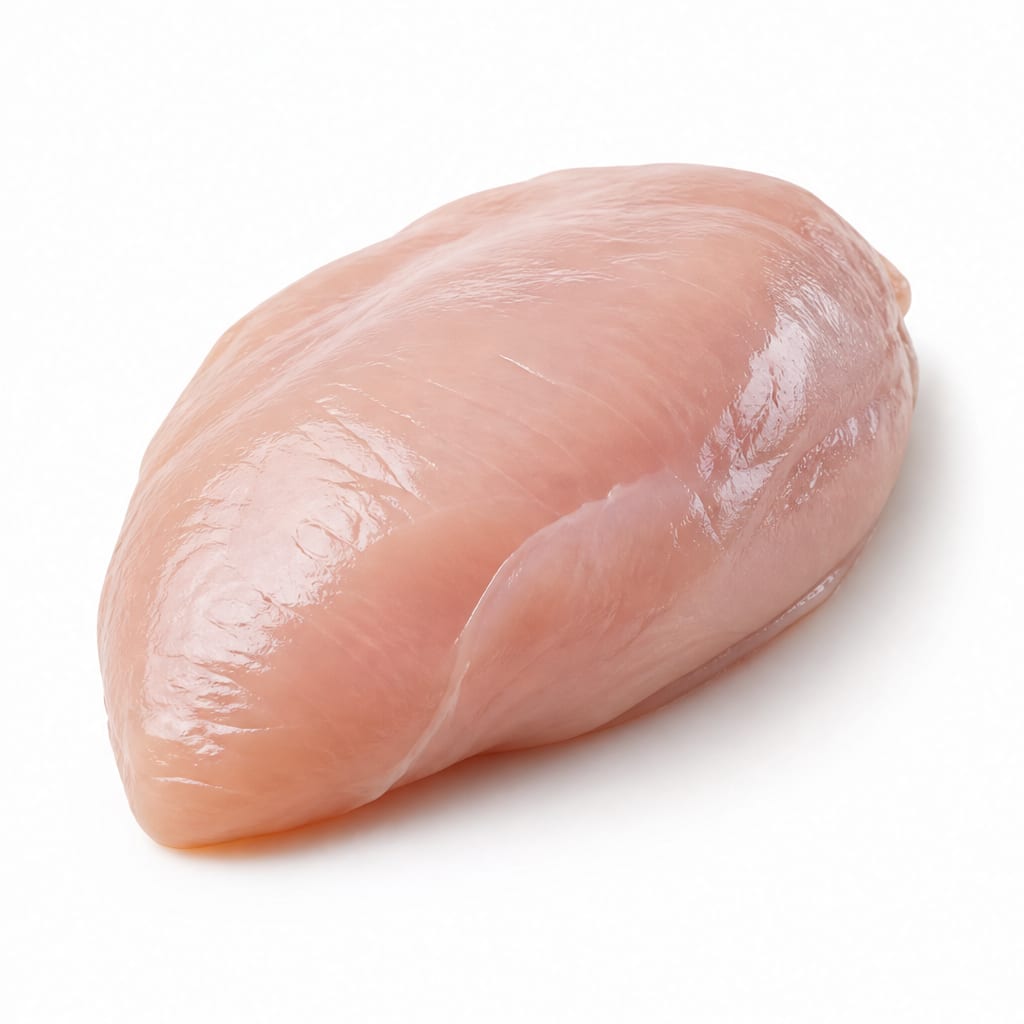
Compare with
Chicken Breast
Chicken breast is slightly lower in sodium and has no mercury risk, while tuna offers omega-3s and faster preparation.
Chicken breast avoids mercury concerns and is highly versatile, whereas tuna provides convenient omega-3s and requires no cooking.
This food
Tuna
VS80% alike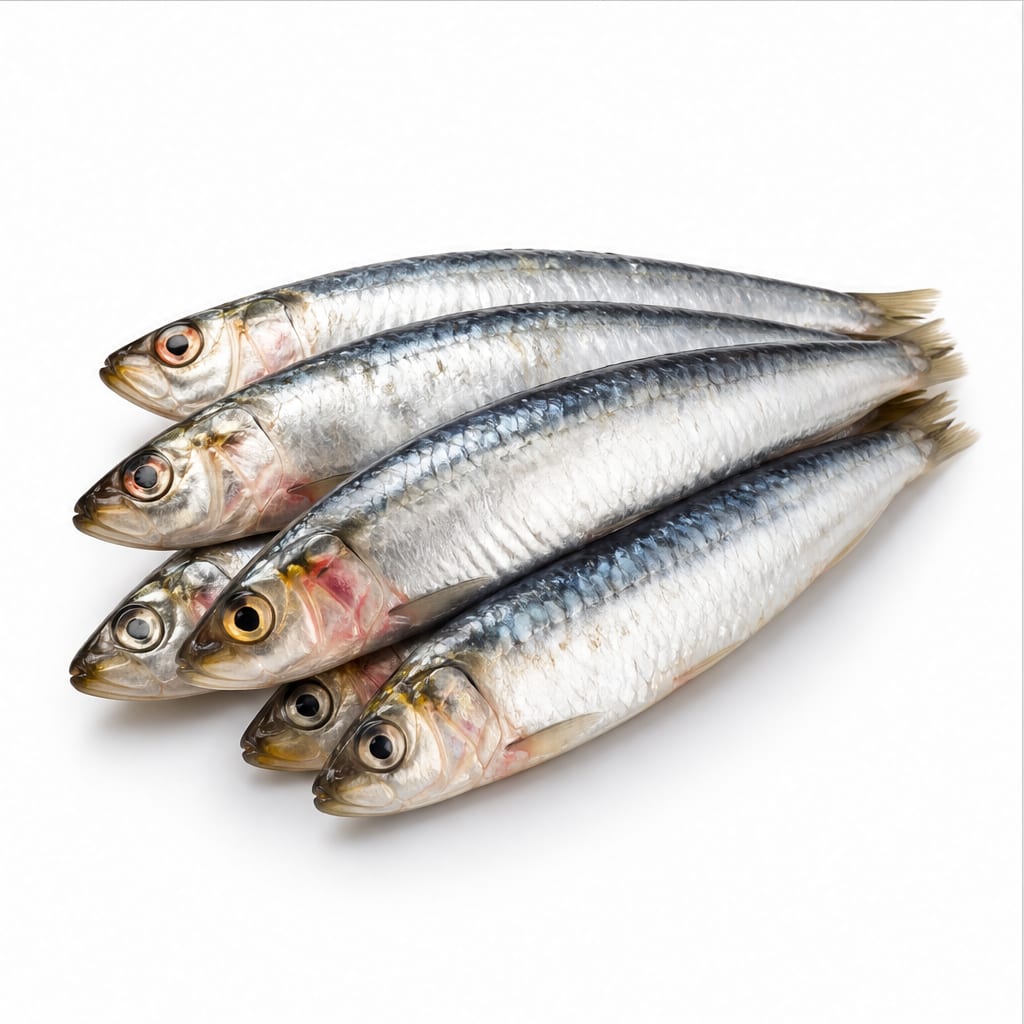
Compare with
Sardines
Sardines have much lower mercury levels and offer edible bones for calcium, but have a stronger flavor than tuna.
Sardines are lower in mercury and higher in calcium and omega-3s, while tuna is leaner and has a milder flavor.
This food
Tuna
VS75% alike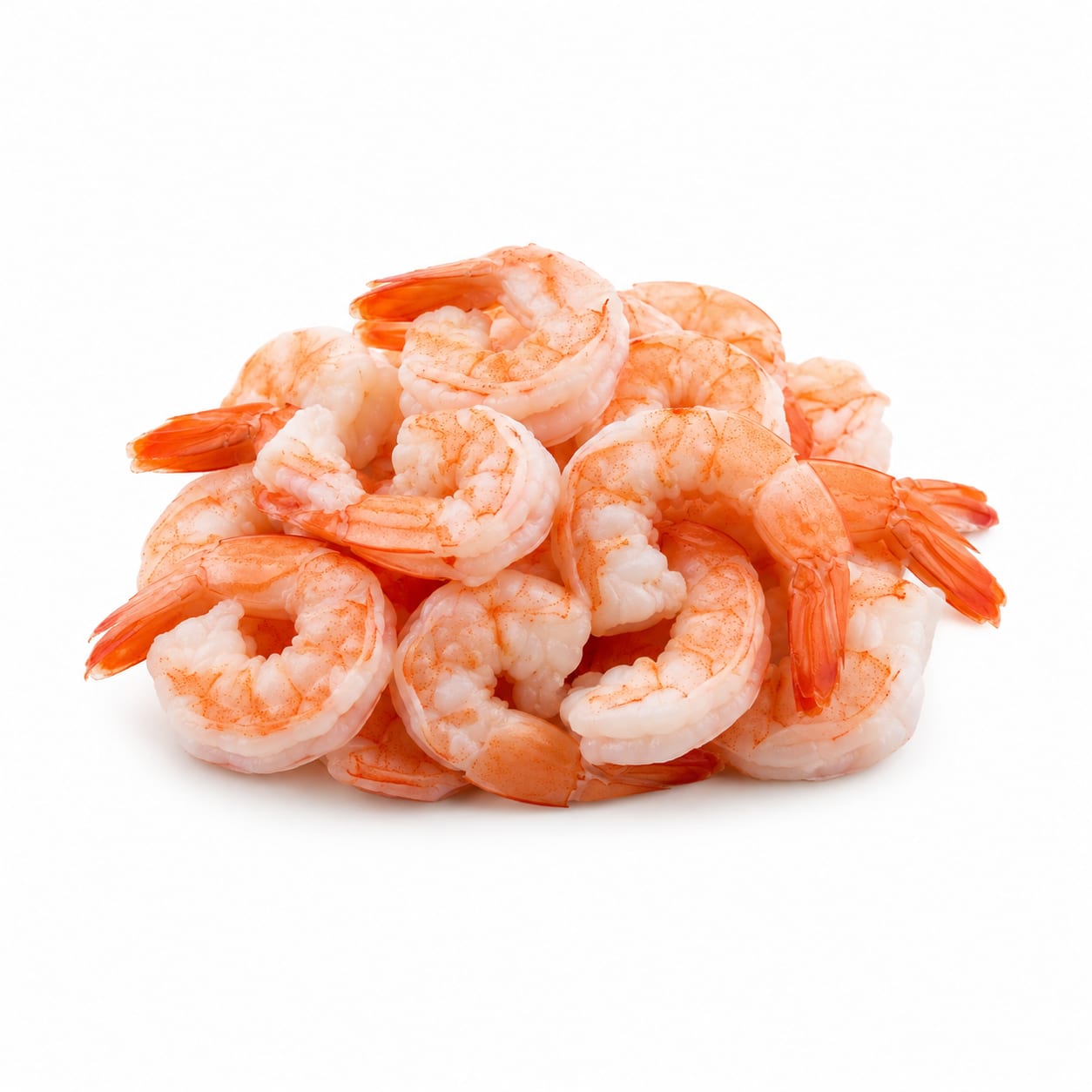
Compare with
Shrimp
Shrimp is lower in mercury but higher in dietary cholesterol, while tuna is richer in omega-3s and more filling.
Tuna provides more protein and omega-3s per serving for better satiety, while shrimp is lower in mercury and calories per gram.
This food
Tuna
VS75% alike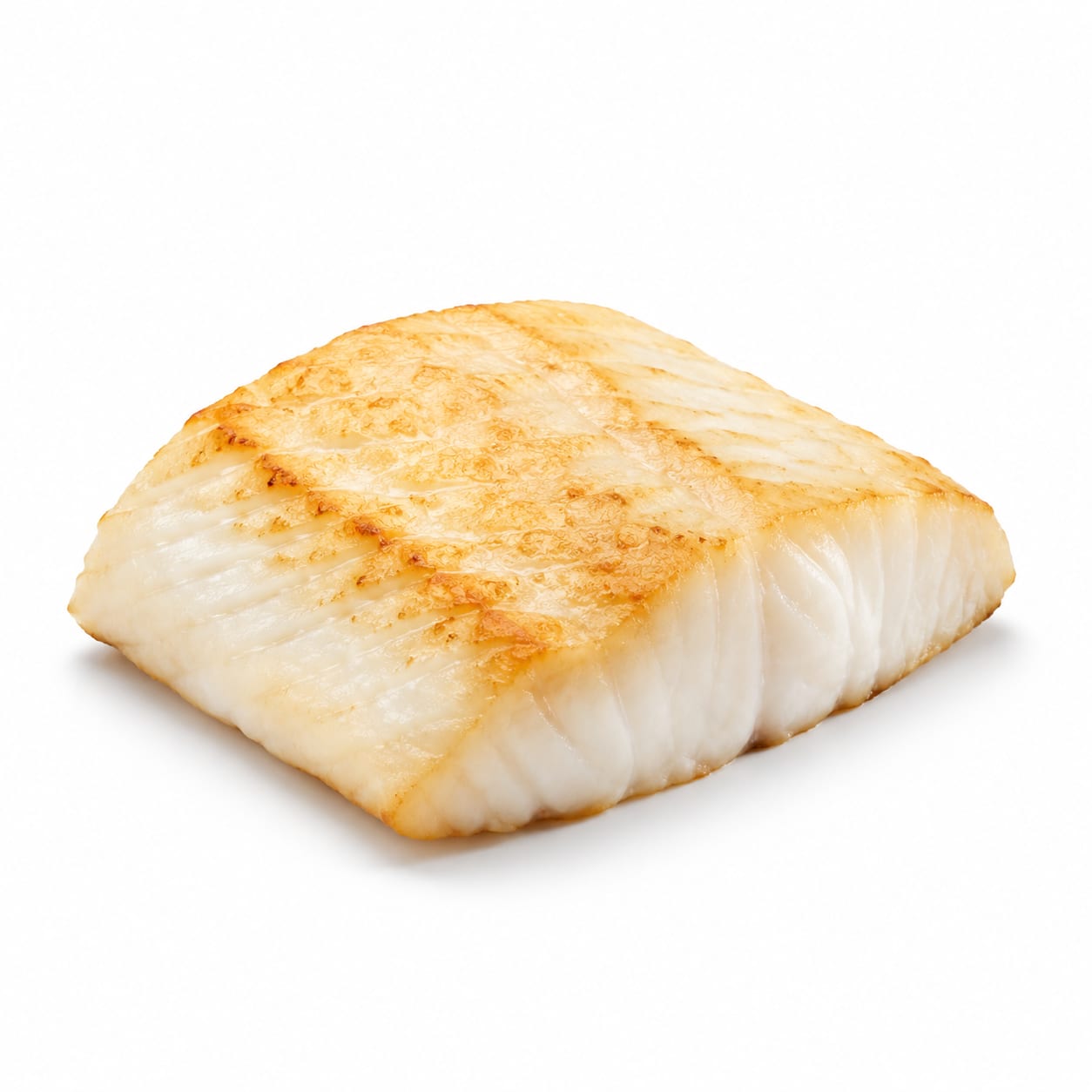
Compare with
Cod
Cod is a very low-mercury white fish with less protein density, while tuna is a firmer, higher-protein fish with moderate mercury.
Tuna offers more protein and satiety per calorie, while cod provides a lower mercury alternative with a milder taste.
This food
Tuna
VS70% alike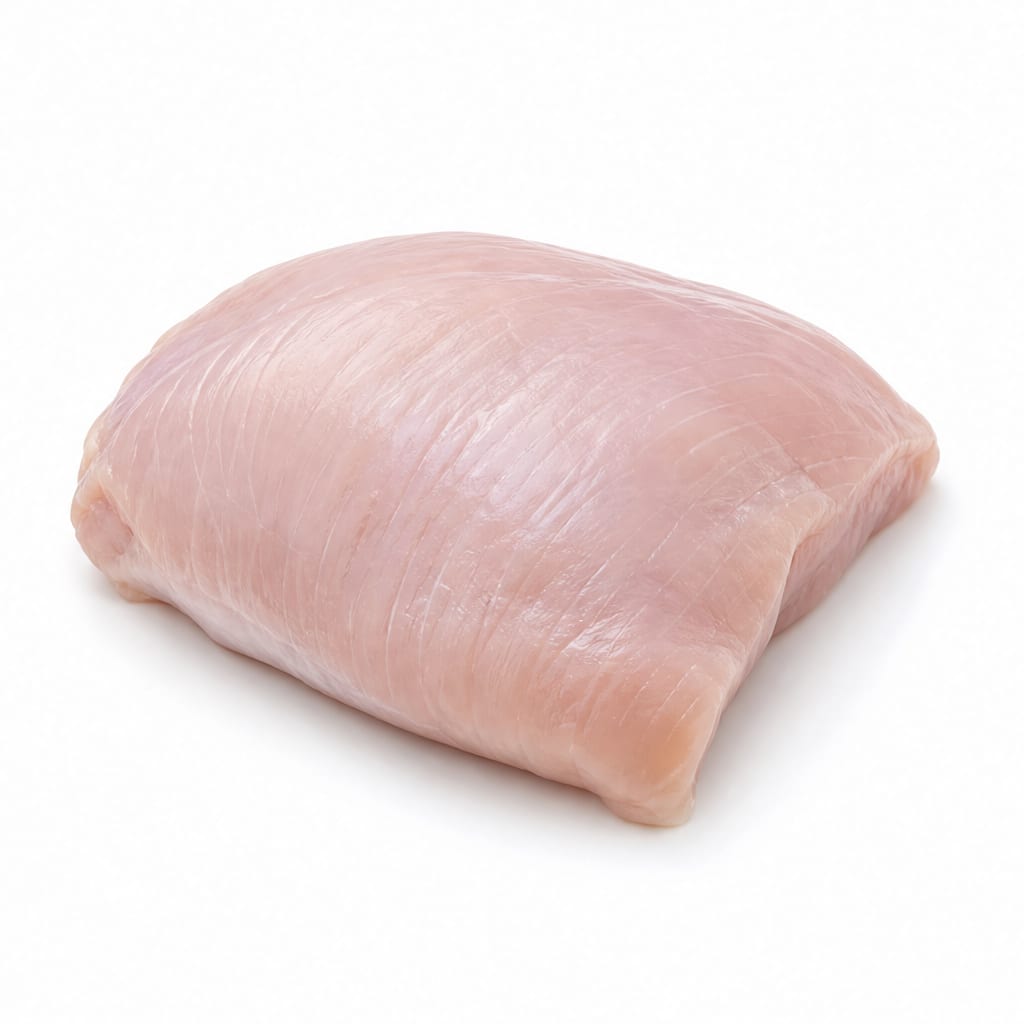
Compare with
Turkey Breast
Turkey breast is a mercury-free land protein, while tuna provides marine omega-3s and shelf-stable convenience.
Turkey breast offers similar lean protein without mercury risk, while tuna delivers omega-3s and requires no cooking if canned.
This food
Tuna
VS85% alike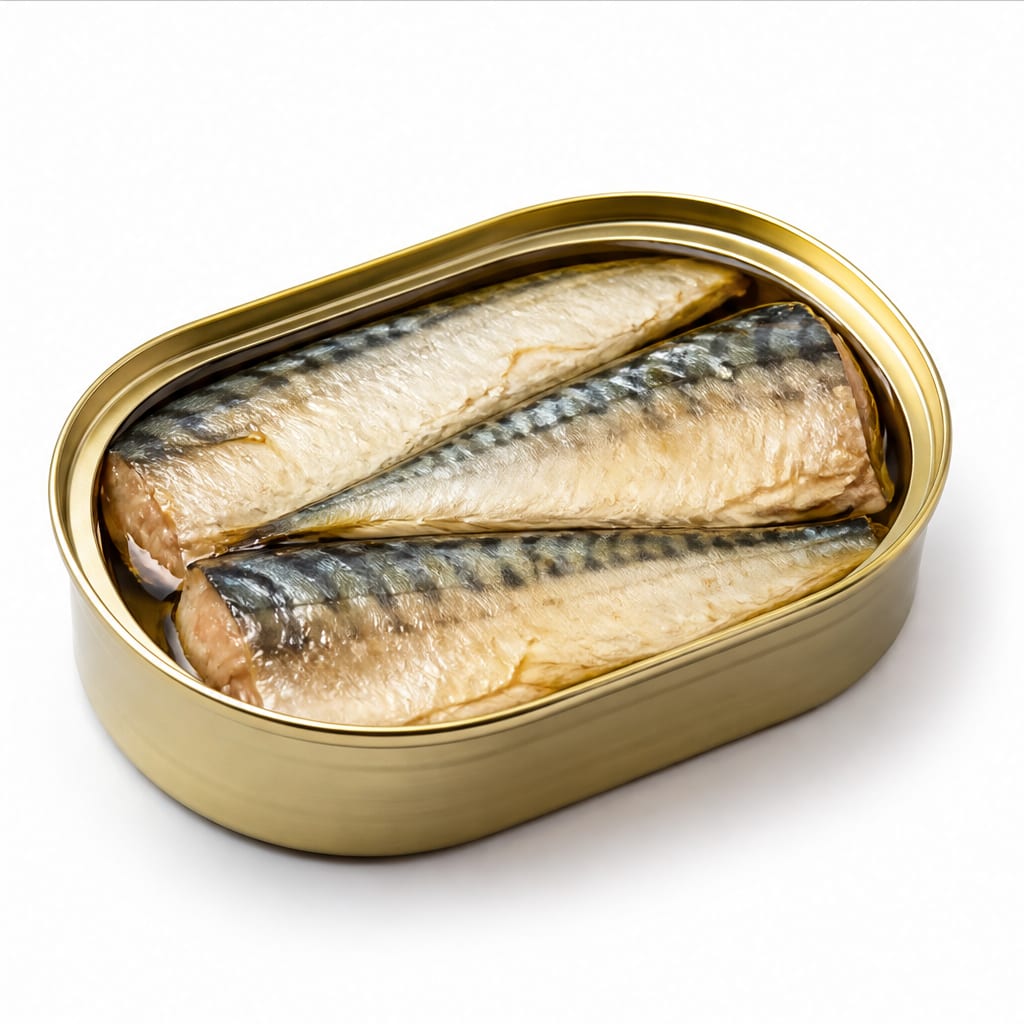
Compare with
Canned Mackerel
Mackerel is higher in omega-3s and lower in mercury (depending on species) than tuna, but is higher in calories and fat.
Tuna is leaner for weight loss, whereas canned mackerel provides more omega-3 fatty acids and generally carries less mercury risk.
This food
Tuna
VS70% alike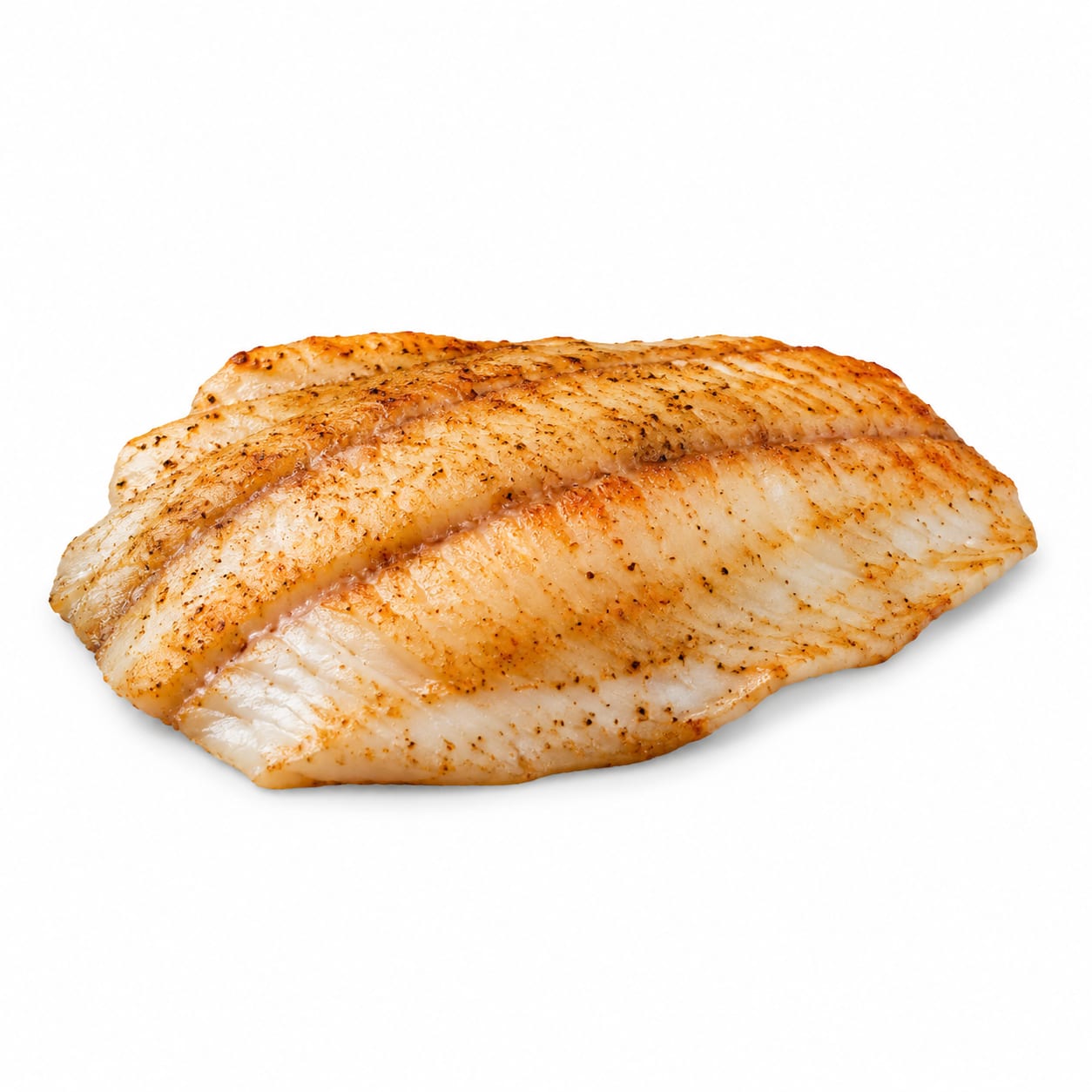
Compare with
Tilapia
Tilapia is very low in mercury but lacks the omega-3 content of tuna, which is far more nutrient-dense.
Tuna is vastly superior in omega-3s and protein density, while tilapia is a budget-friendly, low-mercury white fish.
This food
Tuna
VS65% alike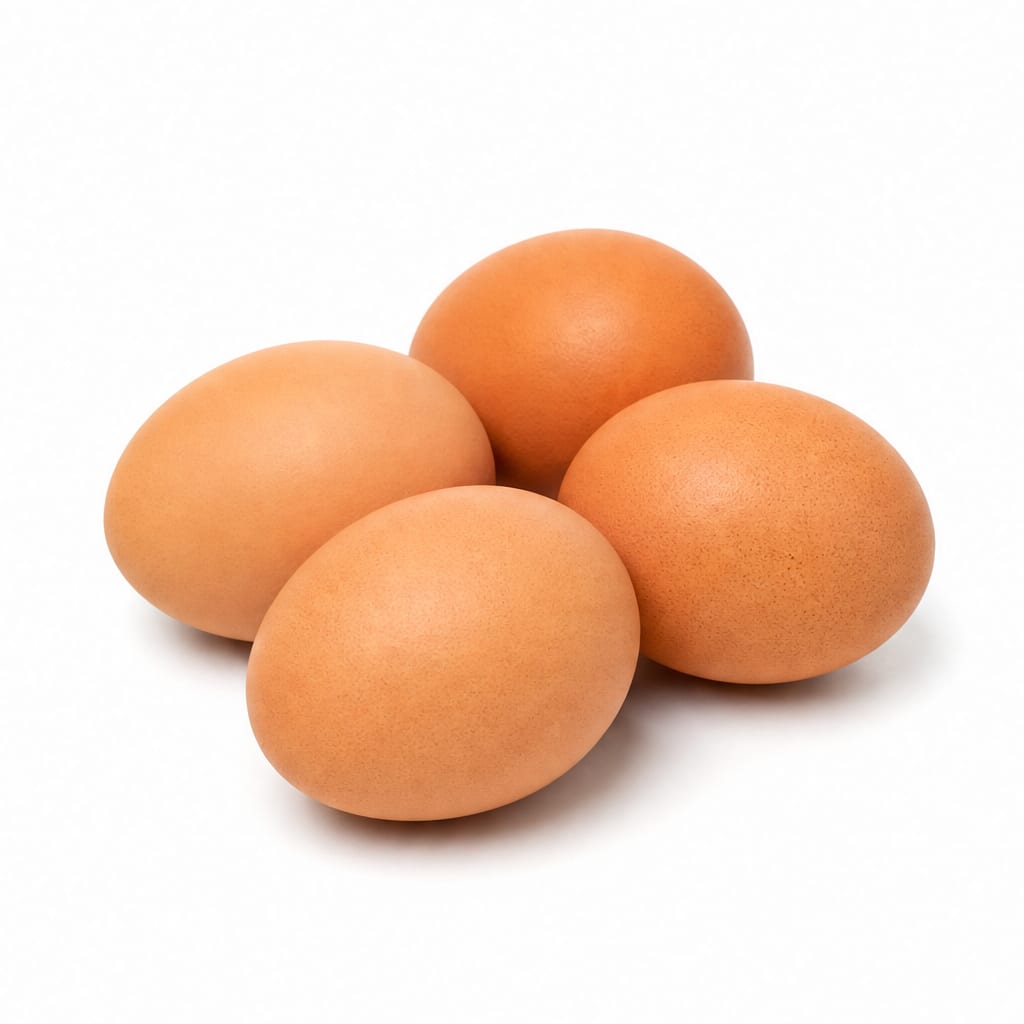
Compare with
Eggs
Eggs provide beneficial fats and micronutrients like choline with zero mercury, whereas tuna is strictly lean protein.
Tuna is lower in calories and fat for strict weight loss, while eggs offer more versatile cooking and essential nutrients like choline without mercury risk.
This food
Tuna
VS60% alike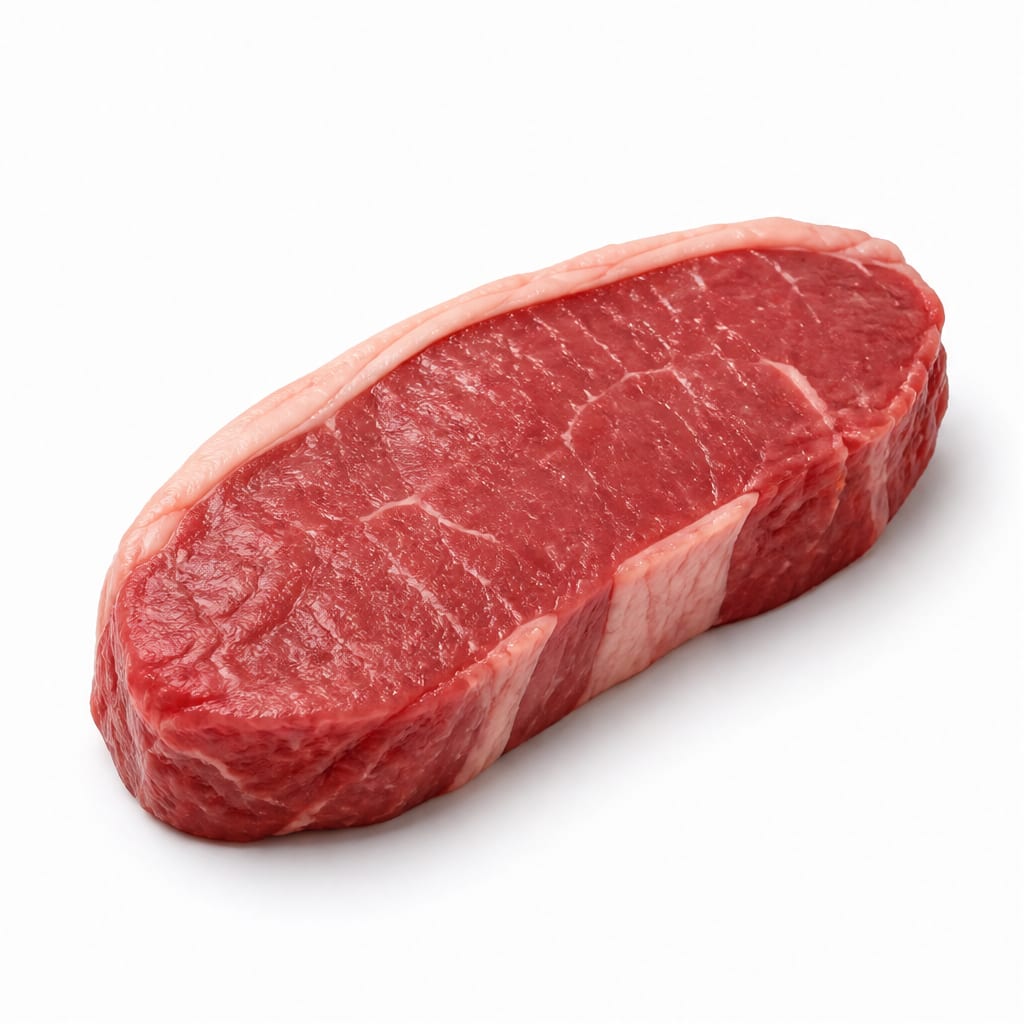
Compare with
Beef Sirloin
Beef sirloin provides more iron and B12 but has more saturated fat and calories, while tuna is leaner with omega-3s.
Tuna is significantly lower in calories and saturated fat, making it better for weight loss, while beef sirloin offers higher iron and zero mercury.
Common questions
FAQ
Answers aligned with how people search for this food.
Is tuna good for weight loss?
Yes, tuna is excellent for weight loss. It is very low in calories and high in lean protein, which increases satiety and helps maintain muscle mass while in a calorie deficit.
Can I eat tuna every day?
It is not recommended to eat tuna every day due to methylmercury content. Most health guidelines suggest limiting canned light tuna to 2-3 servings a week and albacore tuna to 1 serving a week.
Which tuna has the least mercury?
Skipjack tuna, usually sold as 'light' canned tuna, has significantly less mercury than albacore (white) tuna or fresh bigeye and bluefin steaks.
Is canned tuna as healthy as fresh tuna?
Canned tuna retains most of the protein and nutrients of fresh tuna, making it a highly convenient and healthy option. However, it can be higher in sodium and lower in omega-3 fats if canned in water rather than oil.
Can diabetics eat tuna?
Yes, tuna contains zero carbohydrates and will not spike blood sugar. The protein and healthy fats also help improve insulin sensitivity when part of a balanced diet.
What is the healthiest way to eat canned tuna?
The healthiest way is to choose chunk light tuna canned in water, drain it well to remove excess sodium, and mix it with avocado or Greek yogurt instead of mayonnaise.
Why does tuna have mercury?
Tuna is a large predatory fish that accumulates methylmercury from the ocean food chain over its lifespan. Larger, longer-living species like albacore contain more mercury than smaller species like skipjack.
Is tuna good for building muscle?
Yes, tuna is a complete protein source containing all essential amino acids, making it highly effective for muscle repair and growth, especially post-workout.
Transparency
Data confidence
Estimated confidence for nutrition data, interpretation, safety notes, and comparisons.
Nutrition data
Health analysis
Food safety
Comparisons