
Nutrition comparison
Tuna vs Beef Sirloin: Nutrition, Health Benefits & Tradeoffs
Compare Tuna and Beef Sirloin to see which protein is better for your goals. Learn about mercury risks, iron content, heart health, and satiety.
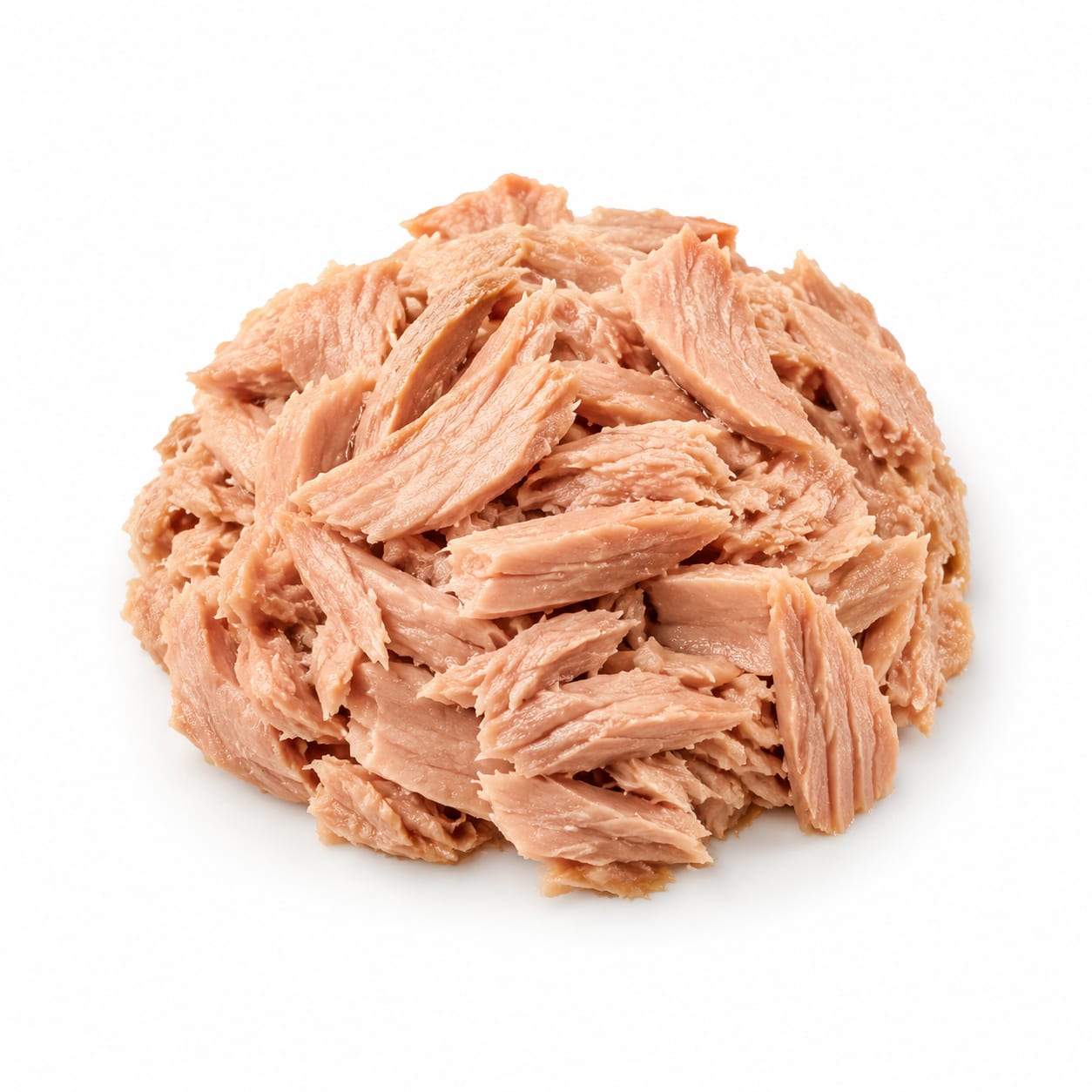
Tuna
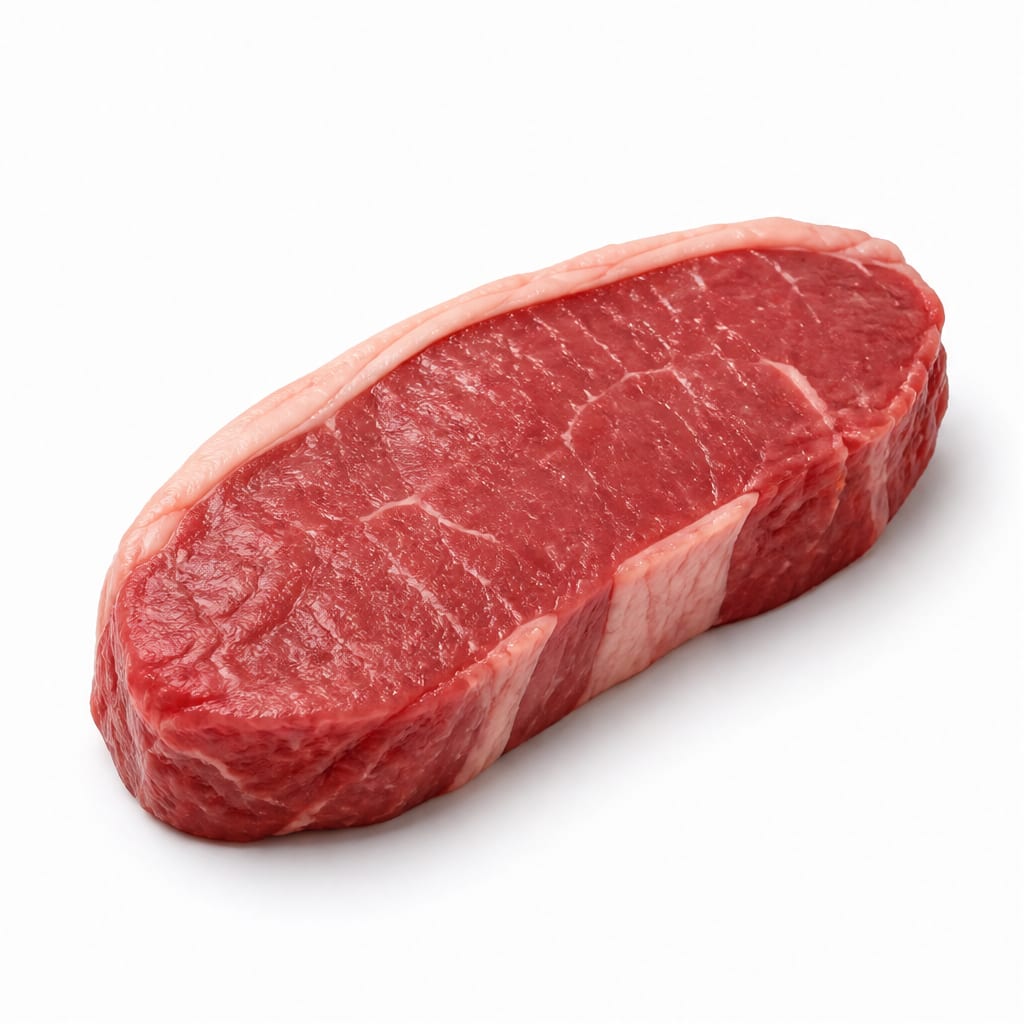
Beef Sirloin
Tuna is lighter and heart-friendlier with omega-3s, while Beef Sirloin delivers heavier satiety and superior iron and B12.
Tuna edges out slightly for heart health and leanness, but Beef Sirloin stays competitive due to better micronutrient density and no heavy metal accumulation risk.
Mercury exposure and leanness in Tuna versus higher saturated fat and richer micronutrients in Beef Sirloin.
At a glance
Executive summary
Overall
It depends
Healthier
Tuna
More practical
Beef Sirloin
Daily use
Beef Sirloin
Key comparison lenses
Protein source selection for specific health goals
Both are premium protein sources, but their fat profiles and micronutrients serve very different dietary needs.
Cardiovascular health and fat quality
Tuna offers heart-protective omega-3s, while Beef Sirloin contains higher saturated fat, creating a clear health tradeoff.
Heavy metal and safety concerns
Mercury accumulation is a real factor for Tuna, whereas Beef Sirloin poses different risks related to cooking and digestion.
Micronutrient needs: Iron vs Selenium
Beef Sirloin is unmatched for heme iron and B12, while Tuna excels in selenium and niacin.
Best choice for
Tuna
- Heart health focus
- Lean calorie counting
- Omega-3 boost
Beef Sirloin
- Iron deficiency prevention
- Heavy satiety needs
- Avoiding seafood mercury
Least suitable for
Tuna
- Pregnant women due to mercury
- Frequent daily eaters
- Those needing high heme iron
Beef Sirloin
- Strict low-saturated-fat diets
- Severe cardiovascular disease
- Pescatarians
Deep comparison
Dimension by dimension
Each lens scores both foods and breaks down who each option suits.
- Dimension 1 · Priority 95Tuna
Heart Health & Fat Profile
Tuna · 90Beef Sirloin · 65Tuna provides anti-inflammatory omega-3s and almost no saturated fat, making it much kinder to your cardiovascular system.
Tradeoff
You miss out on the rich mouthfeel and fat-soluble vitamin absorption that the fats in Beef Sirloin provide.
Why it matters
Saturated fat intake is directly linked to heart disease risk, while omega-3s actively protect the heart.
Real-world impact
Eating Tuna feels lighter after meals and keeps your lipid profile happier over the years.
Tuna
- Lowering cholesterol
- Reducing inflammation
- Lighter post-meal feeling
Better for
- Those needing calorie density
- Very low-carb high-fat diets
Worse for
Beef Sirloin
- Keto or low-carb diets
- Higher fat-soluble vitamin intake
Better for
- Heart disease patients
- People watching cholesterol
Worse for
- Dimension 2 · Priority 90Beef Sirloin
Micronutrient Density
Tuna · 70Beef Sirloin · 90Beef Sirloin is a powerhouse of heme iron, zinc, and B12, which are crucial for energy and immunity.
Tradeoff
Tuna offers excellent selenium and niacin, but lacks the highly absorbable heme iron found in beef.
Why it matters
Heme iron from beef is far more effective at preventing anemia than plant or fish sources.
Real-world impact
If you feel sluggish or cold often, Beef Sirloin might pick you up better than Tuna.
Tuna
- Thyroid support via selenium
- Metabolism boost via niacin
Better for
- People with iron deficiency
- Women with heavy menstrual cycles
Worse for
Beef Sirloin
- Preventing anemia
- Immune support via zinc
- Energy production via B12
Better for
- People with hemochromatosis
- Those avoiding red meat
Worse for
- Dimension 3 · Priority 85Beef Sirloin
Contaminant & Safety Risk
Tuna · 55Beef Sirloin · 85Tuna carries a real risk of mercury accumulation, whereas Beef Sirloin's main risk is proper cooking and handling.
Tradeoff
You can eat Beef Sirloin daily without worrying about heavy metals, but Tuna requires strict moderation.
Why it matters
Mercury builds up in the body and can impair neurological function over time.
Real-world impact
You have to track how often you eat Tuna, while Beef Sirloin is mostly a cook-and-eat experience.
Tuna
- Those avoiding red meat entirely
Better for
- Pregnant women
- Daily lunch eaters
- Young children
Worse for
Beef Sirloin
- Pregnant women
- Children
- Frequent meat eaters
Better for
- Those averse to handling raw meat
Worse for
- Dimension 4 · Priority 80Beef Sirloin
Satiety & Fullness
Tuna · 70Beef Sirloin · 88Beef Sirloin takes longer to digest and provides a heavier, more sustained fullness due to its fat and dense protein.
Tradeoff
Tuna digests quickly, which is great for post-workout but might leave you hungry again sooner.
Why it matters
Staying full longer helps control snacking and overall calorie intake throughout the day.
Real-world impact
A Tuna steak dinner might have you reaching for a snack later, while Beef Sirloin keeps you satisfied for hours.
Tuna
- Post-workout recovery
- Light dinners
- Small appetites
Better for
- Big appetites
- Long gaps between meals
Worse for
Beef Sirloin
- Long workdays
- Preventing late-night snacking
- Active individuals with big appetites
Better for
- People who hate feeling overly full
- Right before a workout
Worse for
Timeline
Health impact over time
Short-term
Hours to days
Tuna
- Quick, light energy
- Fast protein absorption
- Easy on the stomach
Beef Sirloin
- Deep satiety
- Sustained energy
- Heavier digestion
Long-term
Months to years
Tuna
- Better heart health markers
- Mercury accumulation if overconsumed
- Lower anemia risk if not supplemented
Beef Sirloin
- Improved iron and B12 status
- Potential LDL cholesterol increase
- Better long-term satiety management
Risk profile
Safety & processing
Both Tuna and Beef Sirloin are whole, minimally processed foods. The main concern is what might be added during preparation or canning.
Tuna
Mercury exposure
highLarger tuna species accumulate methylmercury, which is neurotoxic with chronic exposure.
Scombroid poisoning
mediumImproperly refrigerated fresh tuna can cause histamine toxicity, leading to allergic-like reactions.
Beef Sirloin
Pathogenic bacteria
mediumUndercooked beef can harbor E. coli or Salmonella, requiring proper internal cooking temperatures.
Heme iron overload
lowConsistently high red meat consumption can promote oxidative stress in the gut over time.
Who wins for whom
Audience fit
Same foods, different winners depending on your goal.
children
Beef SirloinBeef Sirloin provides essential iron and zinc for growth without the mercury risk that makes Tuna problematic for kids.
daily consumption
Beef SirloinBeef Sirloin can be eaten daily without the heavy metal accumulation concerns associated with daily Tuna intake.
diabetes
TunaBoth have zero carbs, but Tuna's lower saturated fat content is better for the cardiovascular risks associated with diabetes.
elderly
TunaTuna is easier to chew, lighter to digest, and its omega-3s support joint and brain health in older adults.
muscle gain
It dependsTuna offers lean protein for clean bulking, while Beef Sirloin provides more calories, creatine, and B vitamins for aggressive bulking.
weight loss
TunaTuna is significantly lower in calories and fat, making it easier to maintain a calorie deficit.
Your move
Decision guide
Choose Tuna
- You want a lean, heart-healthy protein
- You need a light post-workout meal
- You are watching your saturated fat intake
Choose Beef Sirloin
- You need a highly filling, satisfying meal
- You are prone to iron deficiency
- You want a safe everyday protein without mercury limits
Either works if
- You just need high-quality complete protein
- You are mixing up your weekly meal prep
Avoid both if
- You are on a strict plant-based diet
- You have severe gout and need to limit purines
Final recommendation
Choose Tuna for lighter, heart-friendly meals and omega-3s, but rotate it with Beef Sirloin to get the best of both worlds—iron and zinc from beef, plus the leanness of fish—without overdoing mercury or saturated fat.
Practical
Consumer tips
- 1
Limit Albacore tuna to once a week to keep mercury levels safe; skipjack or light canned tuna is a safer frequent choice.
- 2
Pair Beef Sirloin with vitamin C-rich vegetables like bell peppers to dramatically boost iron absorption.
- 3
Choose fresh or water-packed canned Tuna to avoid unnecessary oils and sodium.
- 4
Trim visible fat from Beef Sirloin before cooking to keep saturated fat in check.