
Nutrition comparison
Salmon vs Tuna: Nutrition, Mercury, and Which Is Healthier
Compare Salmon vs Tuna on omega-3s, protein, mercury levels, and cost. Find out which fish is better for weight loss, muscle gain, and daily health.
Overall winner · Salmon
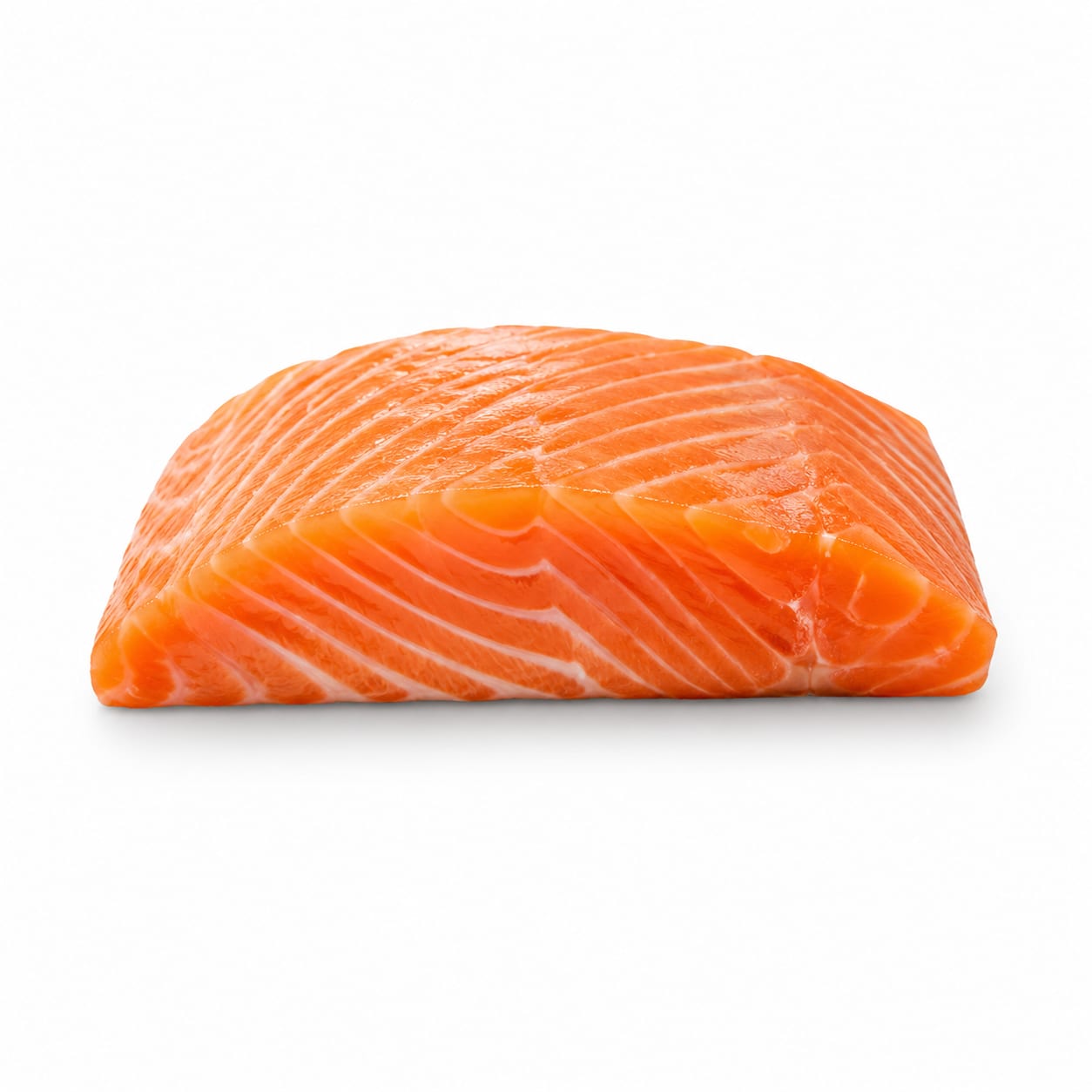
Salmon
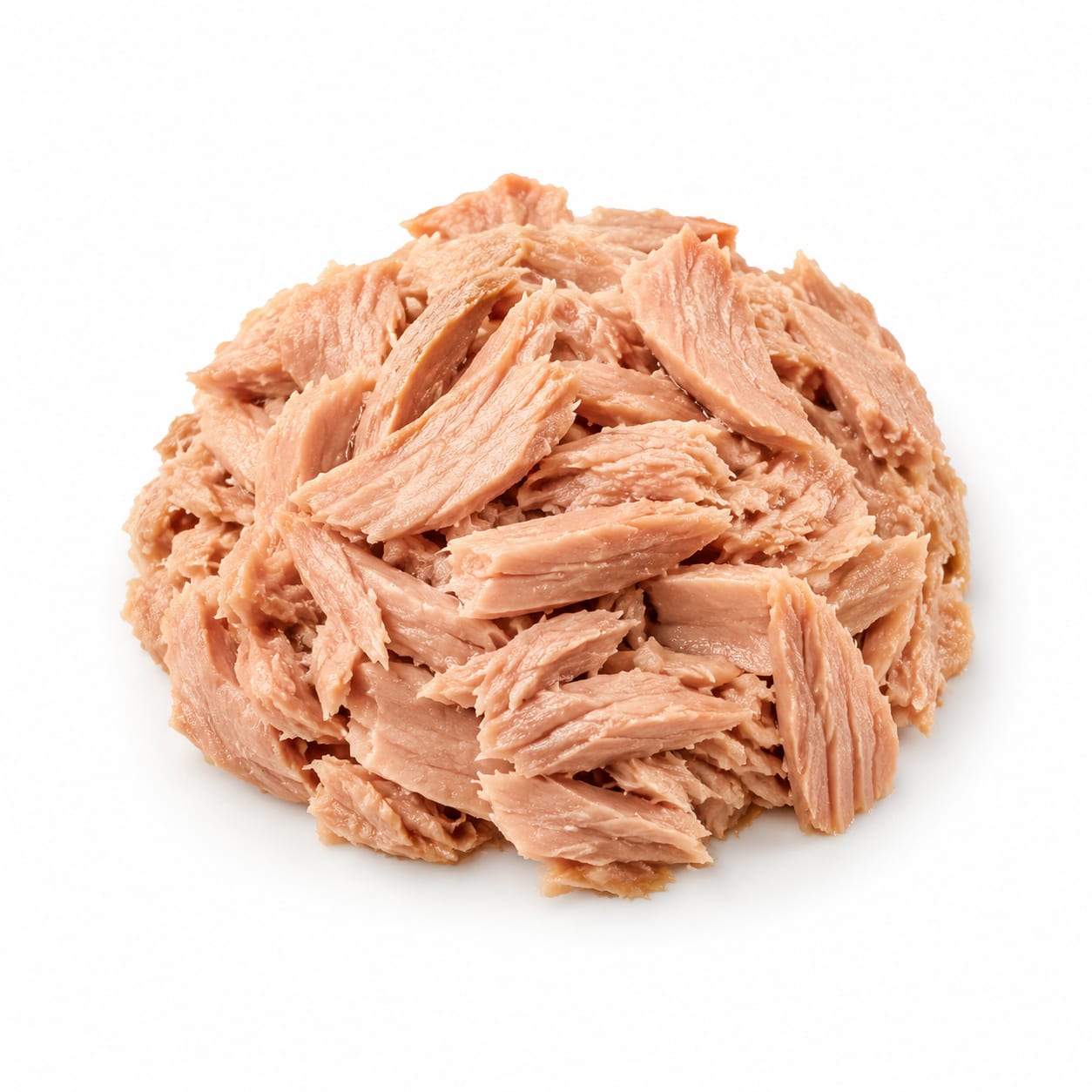
Tuna
Salmon wins for regular eating due to its superior omega-3s and lower mercury, while Tuna is the champion of lean, budget-friendly protein.
Salmon scores higher overall because it is safer to eat frequently and provides essential fats most people lack. Tuna is an excellent lean protein but loses points due to heavy metal accumulation risks and lower omega-3 content.
You trade the healthy fats and safety of Salmon for the low-calorie, high-protein affordability of Tuna.
At a glance
Executive summary
Overall
Salmon
Healthier
Salmon
More practical
Tuna
Daily use
Salmon
Key comparison lenses
Omega-3 and heart health benefits
Salmon is famous for its omega-3s, making heart health a primary reason people choose between these fish.
Mercury exposure and safety
Tuna accumulates significantly more mercury, which is a major concern for frequent consumers.
Protein density vs dietary fat
Tuna is ultra-lean while Salmon is fatty, creating a clear tradeoff for different diet styles.
Budget and convenience
Canned Tuna is a cheap pantry staple, whereas Salmon is typically a pricier, fresh-cooked centerpiece.
Best choice for
Salmon
- People prioritizing heart and brain health
- Pregnant women and children needing low-mercury fish
- Those wanting steadier energy and better satiety from fats
Tuna
- Bodybuilders and athletes cutting weight
- Anyone on a tight grocery budget
- People tracking macros who need pure lean protein
Least suitable for
Salmon
- Strict low-fat diets
- Those on very tight food budgets
Tuna
- Pregnant women due to mercury risk
- People eating fish multiple times a week
- Those needing anti-inflammatory fats
Deep comparison
Dimension by dimension
Each lens scores both foods and breaks down who each option suits.
- Dimension 1 · Priority 95Salmon
Omega-3 Fatty Acids & Brain Health
Salmon · 98Tuna · 55Salmon is one of the best sources of EPA and DHA omega-3s, while Tuna provides much less.
Tradeoff
Choosing Tuna saves calories from fat but sacrifices the powerful anti-inflammatory and mood-boosting benefits Salmon offers.
Why it matters
Omega-3s are critical for heart health, joint comfort, and cognitive function, and most diets are severely lacking in them.
Real-world impact
Eating Salmon a few times a week can improve focus and reduce stiff joints, whereas Tuna mainly just helps you hit your protein goal.
Salmon
- Mood stability
- Cardiovascular protection
- Reducing inflammation
Better for
- Strict low-fat diets
Worse for
Tuna
- Keeping fat calories low
Better for
- Boosting omega-3 intake naturally
Worse for
- Dimension 2 · Priority 90Salmon
Mercury & Heavy Metal Safety
Salmon · 92Tuna · 45Salmon is naturally low in mercury, while Tuna—especially albacore—accumulates significant amounts.
Tradeoff
Tuna's position higher up the food chain means it carries a real heavy metal burden, strictly limiting how often you should eat it.
Why it matters
Mercury exposure harms the nervous system and is especially dangerous for developing brains.
Real-world impact
You can safely eat Salmon several times a week, but eating Tuna that often risks mercury buildup, leading to fatigue or brain fog over time.
Salmon
- Pregnancy and nursing
- Children's diets
- Frequent daily diners
Better for
Tuna
- Occasional quick meals
Better for
- Daily consumption
- Vulnerable populations
Worse for
- Dimension 3 · Priority 85Tuna
Protein Density & Leanness
Salmon · 75Tuna · 96Tuna is incredibly lean and packs more protein per calorie than Salmon.
Tradeoff
You get maximum protein with minimal fat from Tuna, but miss out on the satiating and anti-inflammatory benefits of Salmon's fats.
Why it matters
For strict macro-tracking or cutting phases, lower fat intake is often a priority.
Real-world impact
A can of Tuna fits easily into a bodybuilder's cut, while Salmon's fats keep you fuller longer on a standard diet.
Salmon
- Keto and low-carb diets
- Sustained fullness
Better for
- Very low-fat diets
Worse for
Tuna
- Calorie deficits
- Lean bulking
- Post-workout recovery
Better for
- Keeping hunger at bay without extra sides
Worse for
- Dimension 4 · Priority 80Tuna
Budget & Convenience
Salmon · 40Tuna · 90Canned Tuna is one of the cheapest proteins available and requires no cooking.
Tradeoff
Salmon is expensive and usually requires cooking, while Tuna is ready-to-eat and budget-friendly.
Why it matters
Cost and prep time often dictate what people actually eat on a busy Tuesday.
Real-world impact
Tuna is a pantry staple for quick lunches, whereas Salmon is more of a planned dinner or grocery splurge.
Salmon
- Special dining experiences
- Meal prep with cooking
Better for
- Impromptu no-cook meals
- Tight budgets
Worse for
Tuna
- Quick lunches
- Student budgets
- Pantry storage
Better for
- Gourmet cooking
Worse for
Timeline
Health impact over time
Short-term
Hours to days
Salmon
- Sustained fullness from healthy fats
- Steadier energy without a crash
Tuna
- Quick protein satisfaction
- Light feeling after eating due to low fat
Long-term
Months to years
Salmon
- Improved cardiovascular health
- Reduced chronic inflammation
- Better cognitive aging
Tuna
- Risk of mercury accumulation with overconsumption
- Maintained muscle mass
- Lower calorie intake over time
Risk profile
Safety & processing
Fresh or frozen Salmon is a whole food, while canned Tuna undergoes processing and often contains added sodium. Even fresh Tuna is less commonly consumed than the canned variety, which introduces preservation concerns.
Salmon
PCBs and Dioxins
mediumFarmed Salmon can have higher levels of industrial pollutants than wild-caught, though still within safe limits for moderate consumption.
Parasites
lowRaw Salmon carries a risk of parasites, making freezing or cooking important for safety.
Tuna
Mercury Toxicity
highTuna accumulates methylmercury, which is neurotoxic. Albacore has significantly more than light tuna.
Scombroid Poisoning
lowImproperly stored fresh Tuna can cause histamine toxicity, leading to allergic-like reactions.
Who wins for whom
Audience fit
Same foods, different winners depending on your goal.
children
SalmonSalmon is much lower in mercury, making it safe for developing nervous systems, while Tuna should be strictly limited.
daily consumption
SalmonSalmon can be safely eaten daily, whereas daily Tuna consumption risks mercury buildup.
diabetes
SalmonSalmon's healthy fats slow digestion and stabilize blood sugar more effectively than lean Tuna alone.
elderly
SalmonThe high omega-3 content in Salmon supports brain health and combats age-related inflammation better than Tuna.
muscle gain
It dependsTuna offers more protein per calorie for lean gains, while Salmon provides anti-inflammatory fats that aid joint and muscle recovery.
weight loss
TunaTuna's lean profile makes it easier to stay in a calorie deficit while hitting high protein targets.
Your move
Decision guide
Choose Salmon
- You want to boost omega-3s safely
- You are pregnant or feeding children
- You prefer richer, more satisfying meals
- Heart and brain health are top priorities
Choose Tuna
- You need cheap, lean protein
- You are on a strict calorie-cutting phase
- You want a no-cook pantry staple
- You eat fish only occasionally
Either works if
- You need high-quality complete protein
- You want an alternative to chicken or beef
- You are meal-prepping for the week
Avoid both if
- You have a severe fish allergy
- You are strictly vegan or vegetarian
Final recommendation
Make Salmon your go-to for regular fish consumption to maximize omega-3s and minimize mercury. Keep Tuna in the rotation for budget-friendly, lean protein days, but limit it to a couple of servings a week to stay safe.
Practical
Consumer tips
- 1
Choose wild-caught Salmon when possible to avoid PCBs and get a slightly better omega-3 ratio.
- 2
Opt for skipjack or light canned Tuna over albacore to cut your mercury exposure significantly.
- 3
Rinse canned Tuna under water to remove some of the surface sodium.
- 4
If buying canned Salmon, check for bones—they are edible and packed with calcium, but can be a surprise if you aren't expecting them.
- 5
Freeze Salmon before eating raw to kill any potential parasites.