
Nutrition comparison
Tuna vs Cod: Which Fish Is Healthier and Safer to Eat?
Compare tuna and cod on protein, omega-3s, mercury levels, and safety. Find out which fish is better for daily eating, weight loss, and families.
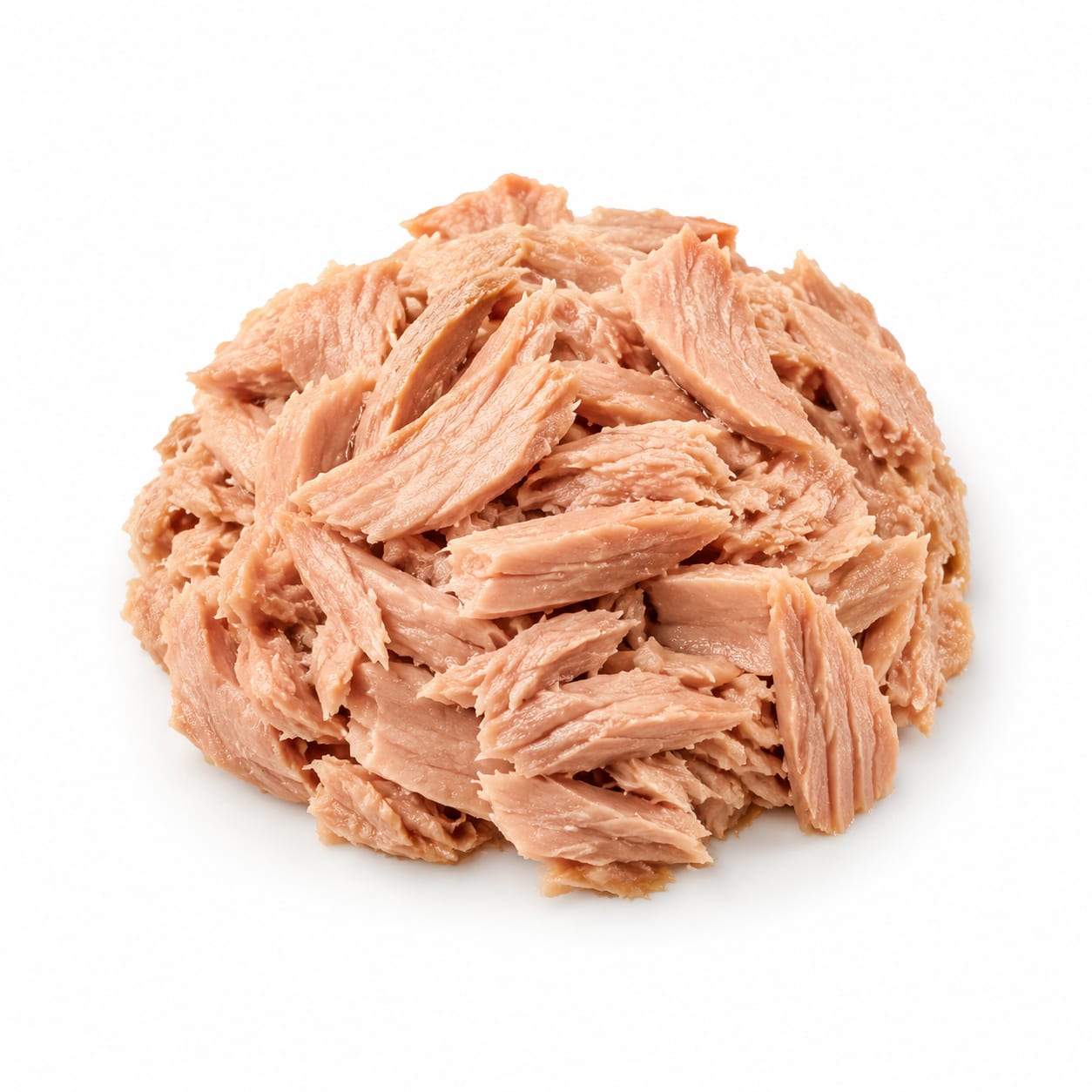
Tuna
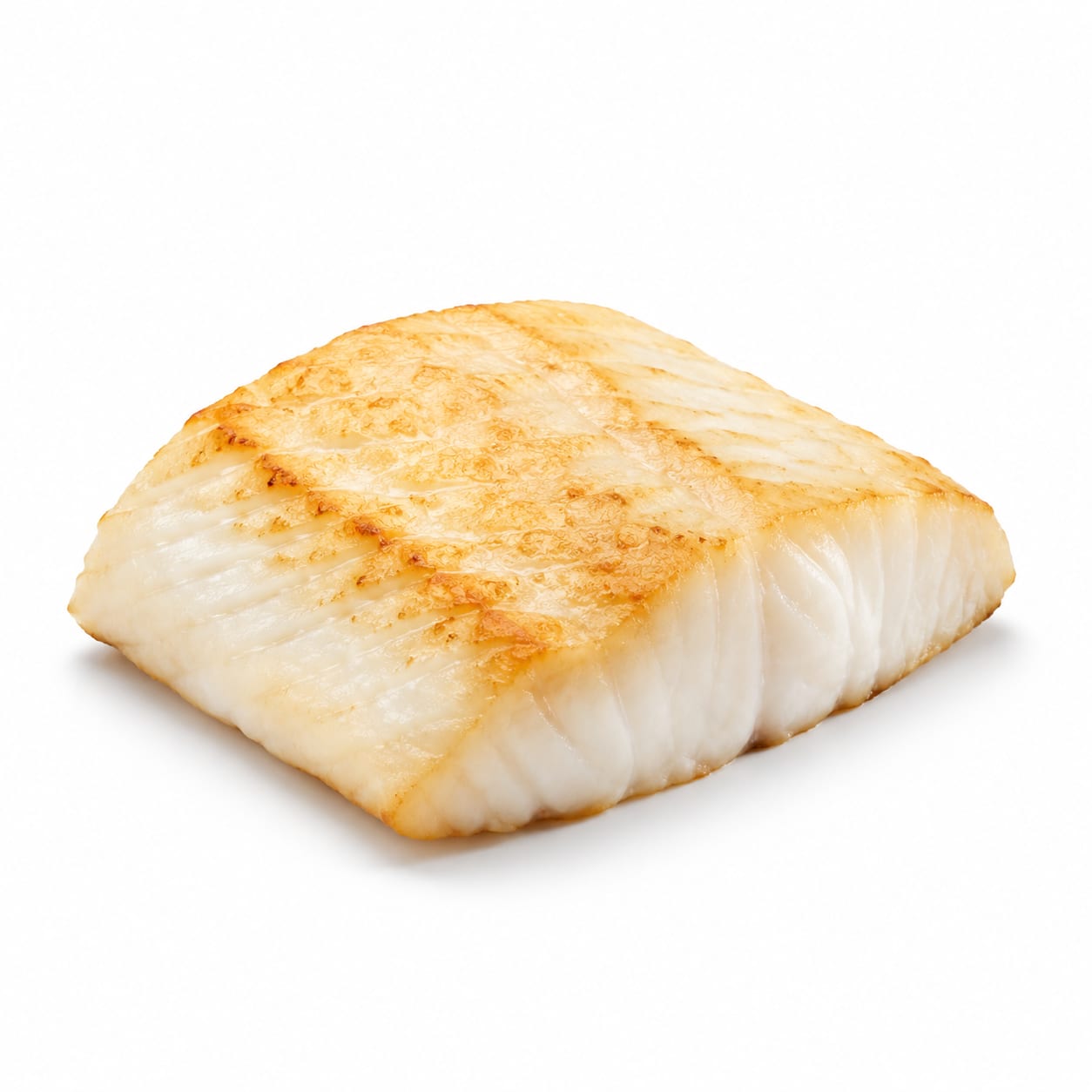
Cod
Tuna wins on protein and omega-3s but loses on mercury safety. Cod is the safer everyday choice with fewer contamination worries but less nutritional punch.
Cod edges ahead mainly on safety. Tuna scores higher for nutrition density but loses ground on mercury risk, which drags down its everyday usability score.
More nutrients versus lower risk. Tuna feeds you better per bite, but cod lets you eat fish more often without worry.
At a glance
Executive summary
Overall
It depends
Healthier
It depends
More practical
Cod
Daily use
Cod
Key comparison lenses
mercury exposure and safe consumption frequency
Mercury is the single biggest differentiator between these fish. Tuna accumulates significantly more mercury, limiting how often you can safely eat it.
protein density for muscle and satiety
Both are lean protein sources, but tuna packs more protein per calorie, making it a go-to for athletes and weight-conscious eaters.
omega-3 intake for heart and brain health
Tuna generally delivers more omega-3s than cod, though neither rivals salmon. This matters for cardiovascular and cognitive benefits.
everyday meal versatility and affordability
Canned tuna is a pantry staple. Cod is a dinner-plate favorite. Practical access shapes which one people actually eat more often.
sustainability and environmental impact
Both face overfishing concerns, but cod populations have collapsed historically. Tuna sustainability varies widely by species and method.
Best choice for
Tuna
- Athletes needing high protein intake
- People eating fish 1-2 times per week maximum
- Those prioritizing omega-3s on a budget
- Meal preppers who rely on canned pantry staples
Cod
- Families eating fish multiple times weekly
- Pregnant women or those planning pregnancy
- Children developing seafood habits
- Anyone wanting a mild, versatile white fish
Least suitable for
Tuna
- Pregnant or breastfeeding women (especially albacore)
- Young children
- People who eat fish daily
- Those with heavy metal sensitivity concerns
Cod
- Those seeking maximum omega-3 per serving
- People wanting high protein density
- Budget shoppers in areas where cod is expensive
Deep comparison
Dimension by dimension
Each lens scores both foods and breaks down who each option suits.
- Dimension 1 · Priority 95Cod
Mercury and Contaminant Safety
Tuna · 45Cod · 88Cod carries far less mercury than tuna, making it safe to eat several times per week without concern.
Tradeoff
Tuna's nutritional advantages come with a real ceiling on how often you should eat it. Cod sacrifices some nutrient density for peace of mind.
Why it matters
Mercury accumulates in your body over time and can affect brain function, especially in developing children and fetuses.
Real-world impact
You can comfortably eat cod 3-4 times a week. With tuna, especially albacore, twice a week is the recommended limit for adults, and less for kids.
Tuna
- Occasional high-protein meals where mercury exposure stays low
Better for
- Daily fish eaters accumulating mercury over months
- Anyone already concerned about heavy metal exposure
Worse for
Cod
- Frequent fish consumption without tracking mercury limits
- Households with children
- Pregnant women seeking safe seafood
Better for
- Situations where you need maximum nutrition per serving and only eat fish rarely anyway
Worse for
- Dimension 2 · Priority 80Tuna
Protein Density and Quality
Tuna · 90Cod · 72Tuna delivers more protein per ounce and per calorie than cod, making it more efficient for building and maintaining muscle.
Tradeoff
You get more muscle-fueling power from tuna, but you cannot eat it as freely as cod due to mercury.
Why it matters
Higher protein density means you feel fuller longer and support lean body composition more effectively per meal.
Real-world impact
A can of tuna gives you roughly 20-25 grams of protein in under 100 calories. Cod provides similar protein but requires a larger portion and more calories to match it.
Tuna
- Post-workout meals where protein efficiency matters
- Calorie-conscious eaters maximizing protein per bite
- Quick lunches needing strong satiety from small portions
Better for
- Those who want to eat fish frequently throughout the week
Worse for
Cod
- Larger, lighter meals where volume is satisfying
- People who prefer a milder, less dense protein source
Better for
- Athletes or dieters needing concentrated protein without extra calories
Worse for
- Dimension 3 · Priority 75Tuna
Omega-3 Fatty Acids
Tuna · 72Cod · 48Tuna contains meaningfully more omega-3s than cod, especially DHA, which supports brain and heart health.
Tradeoff
Tuna is a better omega-3 source, but salmon or sardines outperform both. If omega-3s are your main goal, neither is the top pick.
Why it matters
Omega-3s reduce inflammation, support cardiovascular health, and are critical for cognitive function. Most people do not get enough.
Real-world impact
You would need to eat cod more frequently to match the omega-3s from a couple of tuna servings, but eating more cod is actually safer than eating more tuna.
Tuna
- People who eat fish only occasionally and want maximum omega-3 per serving
- Those not taking fish oil supplements
Better for
- Anyone expecting tuna to replace dedicated omega-3 supplements or fatty fish
Worse for
Cod
- Situations where you eat fish often and cumulative omega-3 intake adds up safely
Better for
- Low-frequency fish eaters who need each serving to deliver more omega-3s
Worse for
- Dimension 4 · Priority 70Cod
Versatility and Convenience
Tuna · 68Cod · 78Canned tuna is the most convenient pantry protein, but cod is more versatile for cooking across cuisines and preparations.
Tradeoff
Tuna wins on grab-and-go convenience. Cod wins on culinary flexibility and family-friendly mildness.
Why it matters
The food you actually enjoy cooking and eating consistently beats the one that sits in your pantry unused.
Real-world impact
Tuna salad takes 2 minutes. But cod bakes, pan-sears, and takes on any flavor profile from Mediterranean to Asian. Kids who reject tuna often accept cod.
Tuna
- Quick no-cook meals and emergency pantry protein
- Sandwich and wrap fillings
- Travel and office lunches with no refrigeration needed
Better for
- People who dislike fishy flavor in their meals
- Cooking for kids or picky eaters
Worse for
Cod
- Home-cooked dinners where texture and presentation matter
- Family meals needing mild flavor that adapts to any seasoning
- Restaurant-quality fish dishes
Better for
- Situations with no access to refrigeration or cooking
Worse for
- Dimension 5 · Priority 60It depends
Sustainability and Environmental Impact
Tuna · 55Cod · 52Both have serious sustainability issues depending on species and fishing method. Neither gets a clean pass.
Tradeoff
Atlantic cod populations have historically collapsed. Tuna overfishing varies by species. Your choice depends on sourcing more than the fish itself.
Why it matters
Choosing unsustainable seafood contributes to ocean depletion and long-term food security risks.
Real-world impact
Look for MSC certification or pole-caught tuna. Pacific cod is generally better managed than Atlantic cod. Your purchasing choices matter more than which fish you pick.
Tuna
- Pole-caught skipjack tuna, which is relatively sustainable
Better for
- Bluefin or bigeye tuna, which are severely overfished
Worse for
Cod
- Pacific cod from well-managed fisheries
Better for
- Atlantic cod from depleted stocks
Worse for
Timeline
Health impact over time
Short-term
Hours to days
Tuna
- Strong satiety from high protein density keeps hunger at bay for hours
- Quick post-workout recovery support from concentrated amino acids
- Possible digestive heaviness if eating large amounts of dense tuna
Cod
- Light, easy-to-digest protein that sits comfortably after eating
- Gentle on the stomach, making it suitable for recovery meals or light dinners
- Less immediate fullness than tuna, so you may want a side dish to stay satisfied
Long-term
Months to years
Tuna
- Mercury accumulation with frequent consumption can impair cognitive function and nervous system health
- Consistent omega-3 intake supports cardiovascular health when consumed within safe limits
- High-protein habit helps maintain muscle mass and metabolic health over decades
Cod
- Safe for frequent consumption without mercury concern, supporting consistent lean protein habits
- Lower omega-3 intake means less cardiovascular protection unless supplemented elsewhere
- Iodine content supports thyroid health with regular consumption
Risk profile
Safety & processing
Fresh or frozen tuna and cod are both minimally processed. Canned tuna may contain added salt and should be checked for sodium content. Otherwise, both are clean whole-food protein sources.
Tuna
Mercury contamination
highAlbacore and bigeye tuna are high in mercury. Skipjack is lower but still requires moderation. Pregnant women and children should strictly limit intake.
Scombroid poisoning
lowImproperly stored fresh tuna can cause histamine reactions. Rare but unpleasant, causing flushing, headache, and nausea.
Canned tuna sodium
mediumCanned varieties often contain 200-300mg sodium per serving. Choose no-salt-added versions when possible.
Cod
Parasitic contamination
lowRaw or undercooked cod can carry parasites. Proper cooking or freezing eliminates this risk.
Moderate mercury
lowCod has much lower mercury than tuna, well within safe limits for regular consumption.
Sodium in salted cod
mediumSalt cod (bacalao) is extremely high in sodium and should be soaked and consumed in moderation.
Who wins for whom
Audience fit
Same foods, different winners depending on your goal.
children
CodLower mercury makes cod much safer for developing nervous systems. Children should avoid or strictly limit tuna.
daily consumption
CodYou can eat cod multiple times per week safely. Tuna should be limited to 1-2 servings weekly for most adults.
diabetes
CodBoth have minimal impact on blood sugar, but cod can be eaten more frequently without mercury risk, supporting consistent lean protein habits.
elderly
CodCod's lighter texture is easier to chew and digest, and lower mercury is safer for long-term cognitive health in aging adults.
muscle gain
TunaMore protein per serving supports muscle protein synthesis more efficiently, especially post-workout.
weight loss
TunaTuna's higher protein density per calorie makes it more satiating in smaller portions, helping control overall intake.
Your move
Decision guide
Choose Tuna
- You want maximum protein and omega-3s per serving
- You only eat fish 1-2 times per week and want each serving to count
- You rely on canned pantry staples for quick meals
- You are an athlete or bodybuilder prioritizing protein density
Choose Cod
- You eat fish several times per week and need a safe everyday option
- You are pregnant, breastfeeding, or feeding young children
- You prefer mild, flaky fish that takes on any flavor
- You want a lighter protein that digests easily
Either works if
- You eat fish occasionally and rotate between varieties
- You are looking for a lean protein to replace red meat
- You have no specific mercury concerns and enjoy both
Avoid both if
- You have a fish or seafood allergy
- You are strictly vegan or vegetarian
- You need high omega-3 intake and would be better served by salmon, sardines, or mackerel
Final recommendation
Eat both, but eat cod more often. Use tuna as a strategic high-protein, high-omega-3 option 1-2 times per week. Make cod your everyday fish for its safety, versatility, and mild flavor. If you need more omega-3s than either provides, add salmon or sardines to your rotation rather than increasing tuna intake.
Practical
Consumer tips
- 1
Choose skipjack tuna over albacore for lower mercury. Skipjack is typically sold as 'light' canned tuna.
- 2
Look for pole-caught tuna and MSC-certified cod to support sustainable fishing practices.
- 3
Rinse canned tuna to reduce sodium by up to 25%.
- 4
If you eat tuna weekly, avoid other high-mercury fish like swordfish and tilefish that same week.
- 5
Buy frozen cod fillets for better value and freshness. Flash-frozen at sea often beats 'fresh' fish that has been sitting on ice.
- 6
Try cod for fish tacos, baked dishes, or chowders where its mild flavor and flaky texture shine.
- 7
Pregnant women should limit albacore tuna to 6 ounces per week and skipjack to 12 ounces per week, or choose cod instead.