
Nutrition comparison
Tuna vs Canned Mackerel: Mercury, Omega-3s, and Which Is Safer to Eat Regularly
Compare tuna and canned mackerel on mercury levels, omega-3 content, protein, and safety. Find out which canned fish is better for daily consumption, heart health, and your budget.
Overall winner · Canned Mackerel
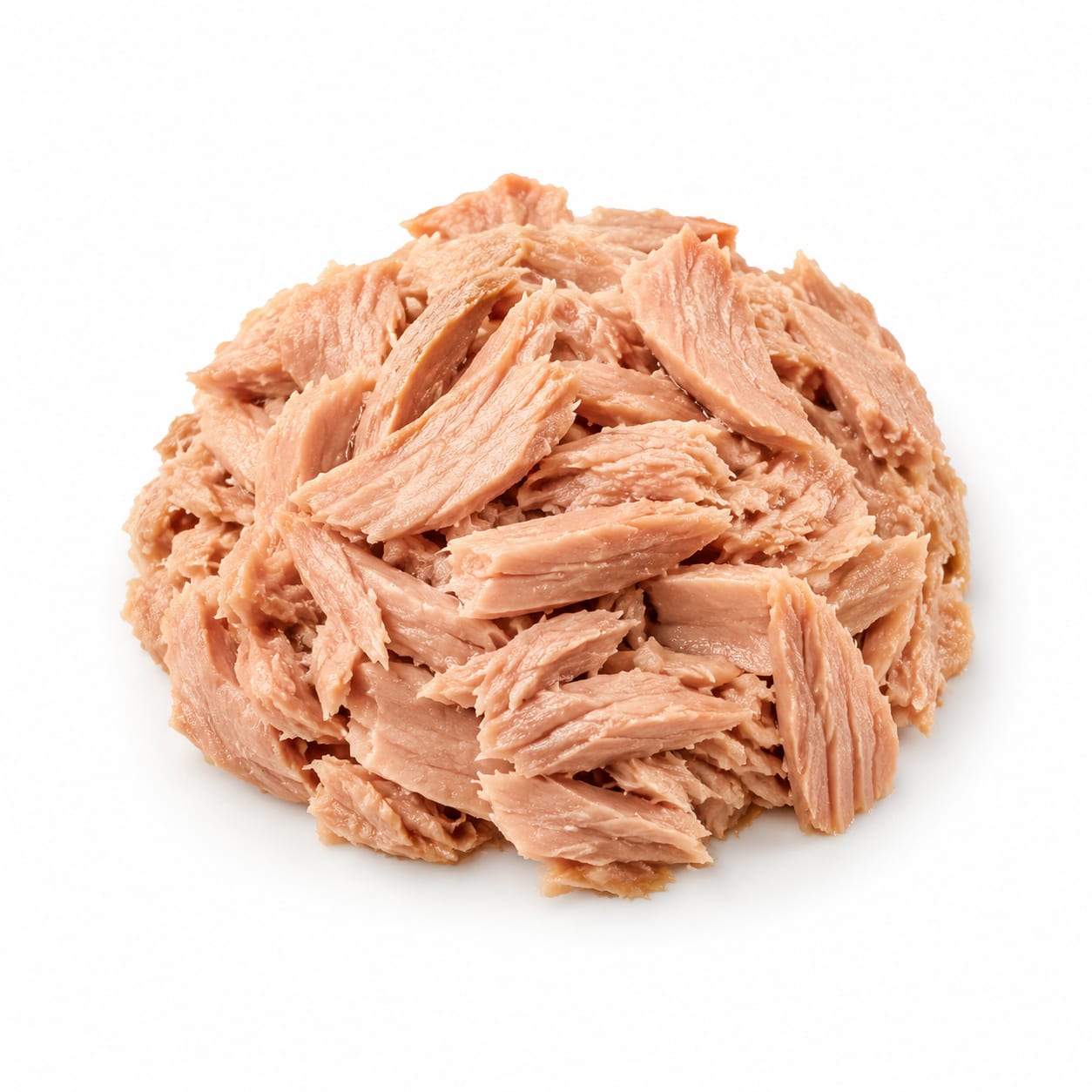
Tuna
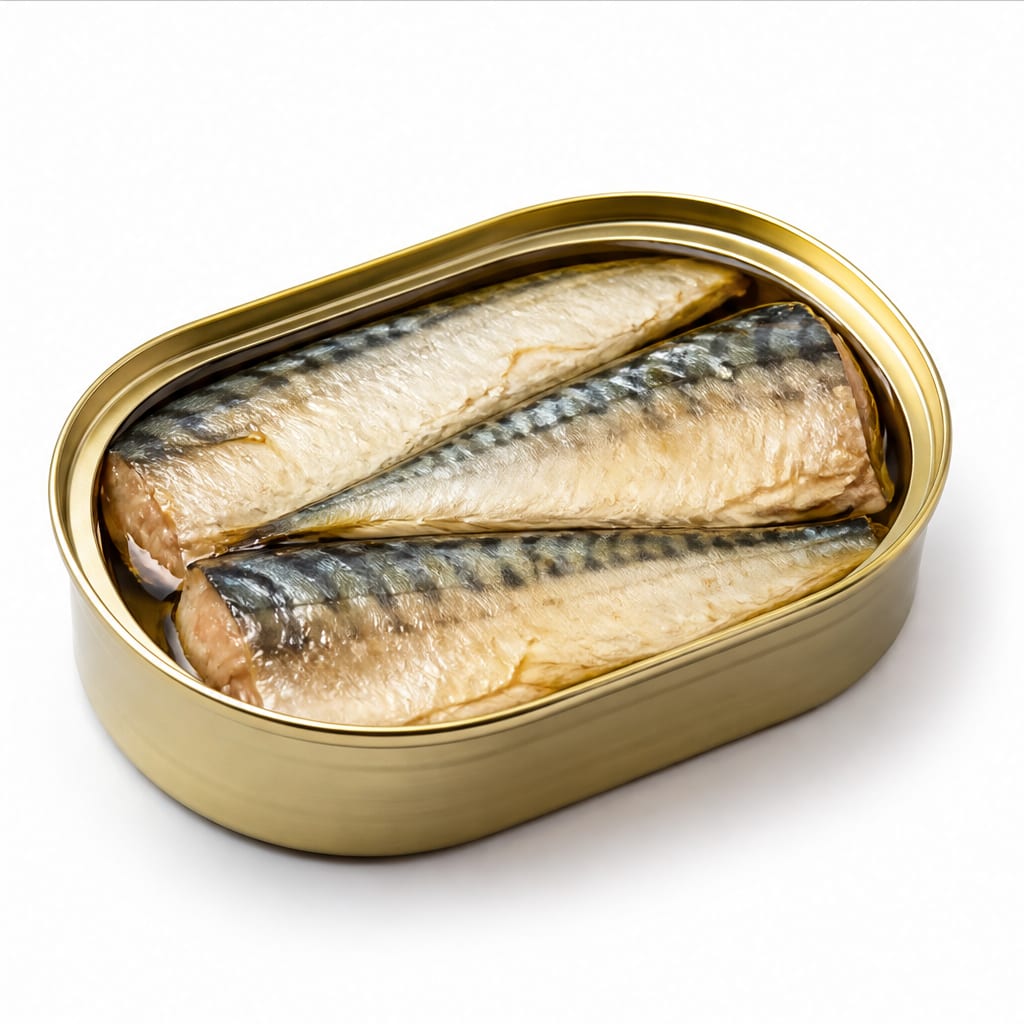
Canned Mackerel
Canned mackerel wins on omega-3s, mercury safety, and sustainability, while tuna offers leaner protein and milder taste for everyday meals.
Canned mackerel scores notably higher due to its superior omega-3 content, lower mercury, and better sustainability profile. Tuna remains competitive for leanness and versatility but loses ground on safety for frequent consumption.
Tuna gives you more protein with fewer calories but carries notably higher mercury risk. Canned mackerel sacrifices leanness for far more omega-3s and a safer heavy metal profile.
At a glance
Executive summary
Overall
Canned Mackerel
Healthier
Canned Mackerel
More practical
Tuna
Daily use
Canned Mackerel
Key comparison lenses
mercury safety and long-term heavy metal exposure
Tuna accumulates significantly more mercury than mackerel, making this the single most important health differentiator between the two
omega-3 intake and anti-inflammatory benefits
Canned mackerel delivers substantially more omega-3s per serving, which is often the primary reason people choose canned fish
protein density and leanness for muscle or weight goals
Tuna is notably leaner with higher protein per calorie, appealing to those tracking macros closely
sodium and blood pressure concerns from canned seafood
Both are canned, but sodium levels vary significantly by brand and preparation, impacting cardiovascular risk
sustainability and environmental responsibility
Tuna fisheries face more overfishing pressure than mackerel, which matters to environmentally conscious consumers
Best choice for
Tuna
- People counting calories who want maximum protein per bite
- Those who find strong fish flavors off-putting
- Meal preppers wanting a versatile, neutral-tasting protein base
Canned Mackerel
- Anyone eating canned fish multiple times per week and worried about mercury
- People prioritizing heart health and omega-3 intake
- Budget-conscious shoppers wanting affordable, nutritious seafood
Least suitable for
Tuna
- Pregnant women or young children due to mercury concerns
- People eating canned fish daily who need a lower-mercury option
Canned Mackerel
- Those on strict low-sodium diets unless they find low-salt varieties
- People sensitive to strong or oily fish flavors
Deep comparison
Dimension by dimension
Each lens scores both foods and breaks down who each option suits.
- Dimension 1 · Priority 95Canned Mackerel
Mercury & Heavy Metal Safety
Tuna · 45Canned Mackerel · 85Canned mackerel has roughly 3-5 times less mercury than tuna, making it far safer for regular consumption.
Tradeoff
Tuna's higher mercury means you must limit intake, especially if pregnant or feeding children. Mackerel lets you eat canned fish more freely without the same worry.
Why it matters
Mercury accumulates in your body over time and can impair neurological function. Frequent tuna eaters regularly exceed safe mercury thresholds without realizing it.
Real-world impact
If you eat canned fish 3+ times per week, choosing mackerel over tuna meaningfully reduces your long-term mercury exposure and associated cognitive risks.
Tuna
- Occasional eaters who only have canned fish once a week or less
Better for
- Daily canned fish eaters accumulating mercury over time
Worse for
Canned Mackerel
- Frequent canned fish consumers
- Pregnant or breastfeeding women
- Parents feeding young children
- Anyone concerned about long-term neurological health
Better for
- Those who assume all canned fish carries equal mercury risk and overconsume any variety
Worse for
- Dimension 2 · Priority 90Canned Mackerel
Omega-3 & Heart Health
Tuna · 50Canned Mackerel · 92Canned mackerel delivers roughly 2-3 times more omega-3 fatty acids per serving than tuna, making it a far more potent anti-inflammatory choice.
Tradeoff
You get more total fat calories with mackerel, but the fat is overwhelmingly the kind your heart and brain actually need.
Why it matters
Omega-3s reduce inflammation, support cardiovascular health, and improve mood. Most people fall far short of recommended intake, and mackerel closes that gap faster.
Real-world impact
A single serving of canned mackerel can provide over 1000mg of combined EPA and DHA, while tuna typically offers 200-400mg. That difference compounds over weeks and months.
Tuna
- People who get omega-3s from other sources like salmon or supplements and just want lean protein
Better for
- People relying on tuna as their primary omega-3 source who may be under-consuming
Worse for
Canned Mackerel
- Anyone not taking fish oil or eating fatty fish regularly
- People with inflammatory conditions or cardiovascular risk factors
- Those wanting a single food that covers both protein and omega-3 needs
Better for
- Those on very low-fat diets who need to account for the extra calories from healthy fats
Worse for
- Dimension 3 · Priority 75Tuna
Protein Density & Leanness
Tuna · 90Canned Mackerel · 65Tuna provides more protein per calorie and per gram, making it the leaner choice for strict macro tracking.
Tradeoff
Tuna's leanness comes at the cost of omega-3s and satiety from healthy fats. Mackerel's fat content helps you feel fuller but adds calories.
Why it matters
If you are cutting calories or building muscle, protein density matters. Tuna lets you hit protein targets with fewer total calories.
Real-world impact
A can of light tuna delivers roughly 20-25g protein for under 100 calories. Mackerel gives similar protein but at 150-220 calories due to its fat content.
Tuna
- Athletes in a calorie deficit needing maximum protein per calorie
- Body composition-focused eaters tracking macros precisely
- Anyone wanting a lean protein base for salads or wraps
Better for
- People who find tuna dry or unsatisfying without adding mayo or oil, negating the leanness advantage
Worse for
Canned Mackerel
- People who find lean protein unsatisfying and need fat for satiety
- Those not calorie-restricted who benefit from the healthy fat content
Better for
- Strict calorie counters who cannot afford the extra 50-100 calories per serving
Worse for
- Dimension 4 · Priority 70It depends
Sodium & Blood Pressure
Tuna · 55Canned Mackerel · 50Both canned fish are high in sodium, but tuna often has slightly less depending on the brand and packing method.
Tradeoff
Neither is a low-sodium food. The difference between them is small and brand-dependent, so reading labels matters more than choosing between the fish themselves.
Why it matters
Regular high sodium intake raises blood pressure and cardiovascular risk. Canned seafood is a hidden sodium source many people overlook.
Real-world impact
A single can of either fish can contain 300-500mg of sodium. Eating canned fish daily without rinsing or choosing low-sodium options can push you past recommended limits.
Tuna
- People who buy no-salt-added tuna varieties, which are more widely available
Better for
- People who assume canned tuna is naturally low in sodium without checking labels
Worse for
Canned Mackerel
- Those willing to rinse the fish before eating, which reduces sodium for either option
Better for
- Those with hypertension who eat multiple servings of canned mackerel per day
Worse for
- Dimension 5 · Priority 65Canned Mackerel
Sustainability & Environmental Impact
Tuna · 40Canned Mackerel · 78Mackerel populations are generally more resilient and better managed than tuna, which faces significant overfishing pressure.
Tradeoff
Tuna's popularity drives massive industrial fishing operations with more bycatch and ecosystem damage. Mackerel is a smaller, faster-reproducing fish with lower environmental impact.
Why it matters
Your food choices affect ocean ecosystems. Choosing more sustainable seafood helps preserve fish populations and marine biodiversity.
Real-world impact
Many tuna species are overfished or caught using methods that harm other marine life. Mackerel is typically rated as a better choice by seafood sustainability guides.
Tuna
- People who specifically seek out pole-and-line or troll-caught tuna with sustainability certifications
Better for
- Buyers of conventional canned tuna supporting industrial fishing practices
Worse for
Canned Mackerel
- Environmentally conscious consumers wanting lower-impact seafood
- Those who follow Seafood Watch or MSC guidelines
Better for
- Those who do not verify the mackerel source, as some regional stocks face pressure
Worse for
- Dimension 6 · Priority 60Tuna
Taste, Versatility & Convenience
Tuna · 82Canned Mackerel · 55Tuna's milder flavor and firmer texture make it more versatile in recipes, while mackerel's stronger taste limits its uses but rewards those who enjoy it.
Tradeoff
Tuna works in everything from sandwiches to pasta to salads without dominating the dish. Mackerel demands bolder pairings and may not please picky eaters.
Why it matters
The best nutritious food is one you actually enjoy eating. If you dislike the taste, you will not sustain the habit regardless of health benefits.
Real-world impact
Tuna can be a near-invisible protein boost in many meals. Mackerel works beautifully with strong flavors like mustard, lemon, and herbs but can overwhelm delicate dishes.
Tuna
- Families with kids or picky eaters who prefer milder flavors
- Meal preppers wanting a protein that adapts to many cuisines
- People new to canned fish who want an approachable starting point
Better for
- People bored with tuna's blandness who want more flavor without adding condiments
Worse for
Canned Mackerel
- Fans of Mediterranean or Nordic flavors who enjoy rich, oily fish
- Those who appreciate stronger fish taste in pâtés, toast toppings, or bold salads
Better for
- Anyone put off by fishy smells or tastes, especially in packed lunches
Worse for
Timeline
Health impact over time
Short-term
Hours to days
Tuna
- Quick, lean protein that stabilizes blood sugar without a heavy feeling
- Low fat content may leave you hungry sooner if eaten alone
- Sodium from canning can cause mild bloating in sensitive individuals
Canned Mackerel
- Rich omega-3 content promotes satiety and steadier energy after eating
- Higher fat content makes it more filling as a standalone meal
- Sodium load may trigger thirst or mild water retention
Long-term
Months to years
Tuna
- Regular consumption increases mercury body burden, with potential neurological effects over years
- Excellent lean protein supports muscle maintenance and metabolic health when intake is moderate
- Low omega-3 intake means you may need other sources for cardiovascular protection
Canned Mackerel
- Consistent omega-3 intake supports heart health, brain function, and reduced inflammation over time
- Lower mercury accumulation makes it safer for long-term frequent consumption
- Higher calorie content from healthy fats requires awareness if weight management is a goal
Risk profile
Safety & processing
Both are canned cooked fish, which is a form of processing but not ultra-processing. Most varieties contain just fish, water or oil, and salt. Watch for brands adding vegetable broths or pyrophosphates in tuna, which can increase sodium and add unnecessary additives.
Tuna
Mercury accumulation
highAlbacore tuna can contain 0.35 ppm mercury or more. Frequent consumption is the primary dietary mercury source for many adults. Children and pregnant women are especially vulnerable.
Scombroid poisoning
lowImproperly stored fresh tuna can cause histamine reactions, though this is rare with commercially canned products due to processing standards.
Canned Mackerel
Sodium from canning
mediumCanned mackerel typically contains 300-500mg sodium per serving. Regular consumption without adjusting other sodium sources can contribute to elevated blood pressure.
Histamine sensitivity
lowMackerel is a histamine-producing fish. People with histamine intolerance may experience headaches or digestive discomfort, though canning reduces this risk somewhat.
Who wins for whom
Audience fit
Same foods, different winners depending on your goal.
children
Canned MackerelLower mercury content makes mackerel significantly safer for developing nervous systems. The omega-3s also support brain development, though the stronger taste may require creative preparation.
daily consumption
Canned MackerelLower mercury allows more frequent consumption without the same safety concerns. Daily tuna intake would exceed recommended mercury limits for most adults within weeks.
diabetes
Canned MackerelMackerel's omega-3s improve insulin sensitivity and reduce inflammation, both critical for diabetes management. The healthy fats also slow digestion, preventing blood sugar spikes.
elderly
Canned MackerelOmega-3s support cardiovascular and cognitive health in aging populations, and the lower mercury risk matters more as the body's detoxification capacity decreases with age.
muscle gain
TunaMore protein per calorie supports muscle protein synthesis efficiently, especially when total calorie intake is managed through other foods.
weight loss
TunaTuna's lower calorie count and higher protein density make it easier to fit into a calorie deficit while maintaining muscle mass.
Your move
Decision guide
Choose Tuna
- You eat canned fish once a week or less and want maximum protein with minimal calories
- You dislike strong fish flavors and want something that blends into any meal
- You are in a cutting phase and every calorie matters for your macro targets
Choose Canned Mackerel
- You eat canned fish multiple times per week and need a safer long-term option
- Heart health, omega-3 intake, or anti-inflammatory benefits are top priorities
- You are pregnant, breastfeeding, or feeding children and mercury is a real concern
- You want more affordable, sustainable seafood that still delivers excellent nutrition
Either works if
- You mix up your protein sources throughout the week and do not rely on one fish exclusively
- You rinse canned fish before eating to reduce sodium regardless of which you choose
Avoid both if
- You have a severe fish or shellfish allergy
- You are on a strict low-sodium diet and cannot find no-salt-added varieties
- You have gout and are flaring, as both are moderate-purine foods that can trigger symptoms
Final recommendation
For most people eating canned fish regularly, canned mackerel is the smarter default. It delivers more of what you probably eat canned fish for — omega-3s — while carrying far less mercury risk. Keep tuna as an occasional lean protein option when you want something milder or lower in calories, but do not make it your daily go-to. The mercury math is simple: the more often you reach for canned fish, the more reason you have to reach for mackerel.
Practical
Consumer tips
- 1
Rinsing canned fish under water removes roughly 20-30% of the sodium, which makes a meaningful difference if you eat it often
- 2
Look for mackerel packed in water or its own juices rather than oil to avoid extra calories from low-quality vegetable oils
- 3
If you choose tuna, light skipjack has roughly one-third the mercury of albacore — always check the species on the label
- 4
No-salt-added canned fish varieties exist for both options and are worth seeking out if you eat canned fish more than twice weekly
- 5
Mix mashed mackerel with mustard, lemon, and fresh herbs to balance its stronger flavor — it makes an excellent toast topping or sandwich filling
- 6
Rotate between tuna, mackerel, sardines, and herring to get diverse nutrient profiles while minimizing mercury accumulation from any single source