
Nutrition comparison
Tuna vs Tilapia: Which Fish Is Healthier and Safer to Eat?
Compare Tuna and Tilapia on omega-3s, mercury, protein, and price. Find out which fish is better for weight loss, pregnancy, and daily meals.
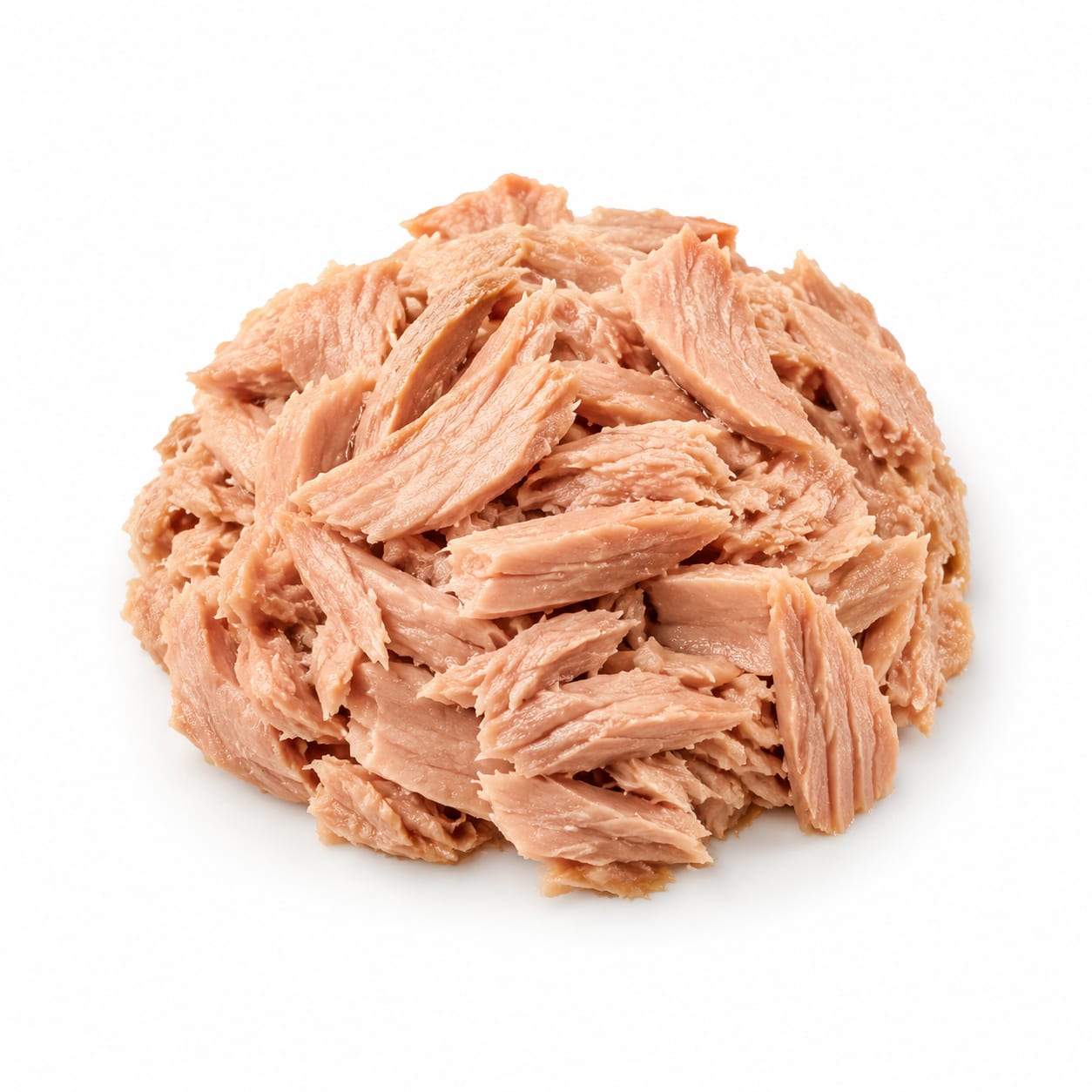
Tuna
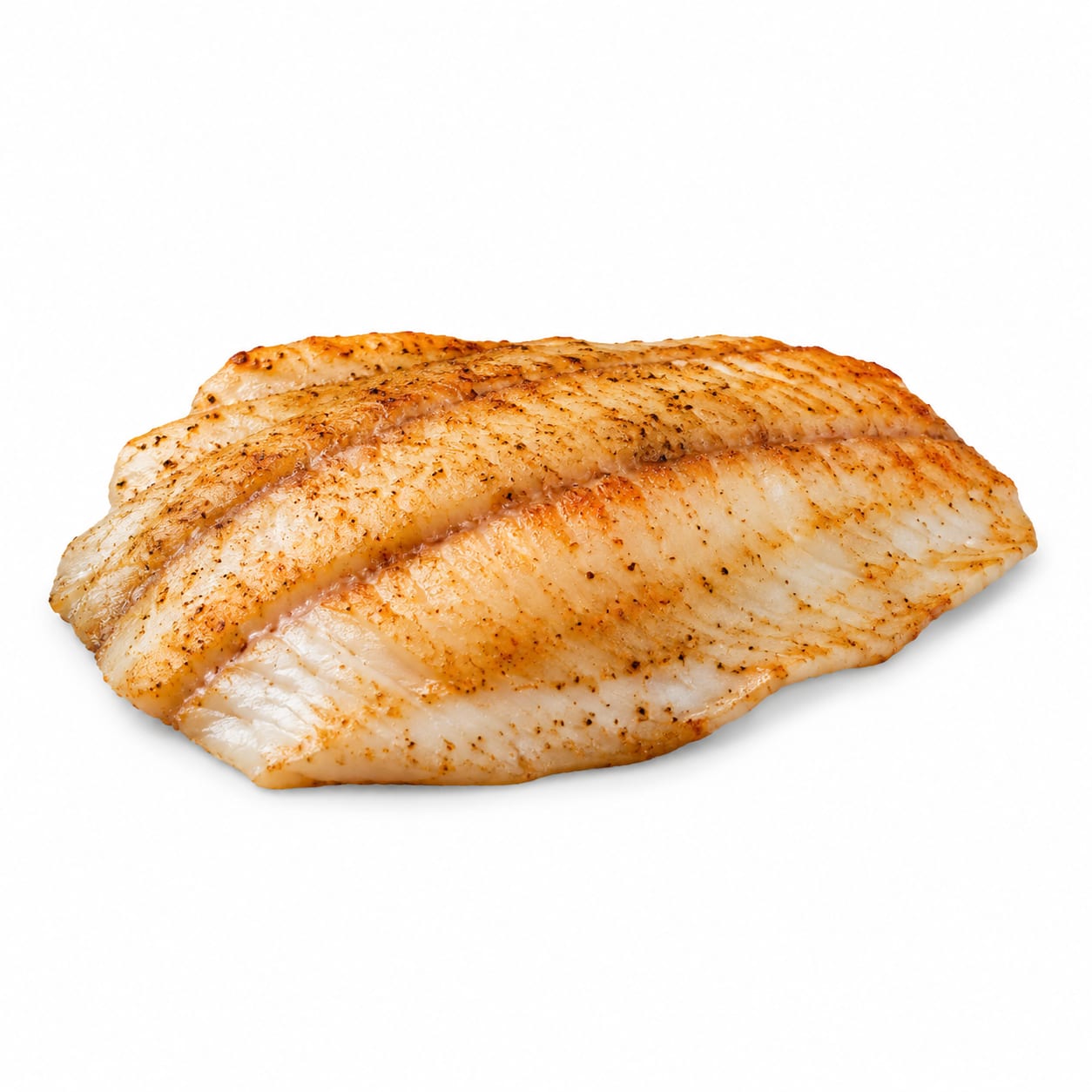
Tilapia
Tuna wins on nutrition, but Tilapia wins on safety for frequent eating.
Tuna scores higher for nutritional density but loses ground on safety and daily usability. Tilapia is less nutritionally impressive but safer to eat regularly, making the overall winner highly dependent on how often you eat fish.
You trade omega-3s and protein density for lower mercury and a cheaper price tag.
At a glance
Executive summary
Overall
It depends
Healthier
Tuna
More practical
Tilapia
Daily use
Tilapia
Key comparison lenses
Mercury and heavy metal exposure
Mercury content is the single biggest safety differentiator between these two fish, directly impacting how often each can be safely eaten.
Omega-3 benefits for heart and brain
Tuna offers significantly more omega-3s than Tilapia, making it a stronger choice for anti-inflammatory and cardiovascular benefits.
Protein quality for muscle and satiety
Both are lean protein sources, but users often want to know which keeps them fuller and supports muscle growth better.
Farming practices and sustainability
Tilapia is heavily farmed with varying standards, while Tuna is often wild-caught but faces overfishing concerns.
Budget and everyday practicality
Tilapia is one of the most affordable fish available, making it a staple for cost-conscious households.
Best choice for
Tuna
- People wanting maximum omega-3s from a lean source
- Active individuals needing high-quality protein for muscle repair
- Those eating fish only 1-2 times per week
Tilapia
- Families needing an affordable, mild-tasting fish
- Pregnant women or children who need low-mercury protein
- People eating fish 3+ times per week
Least suitable for
Tuna
- Pregnant or breastfeeding women (especially albacore)
- Children under 6
- People already managing high heavy metal levels
Tilapia
- Those seeking potent anti-inflammatory omega-3 benefits
- People avoiding farmed seafood
Deep comparison
Dimension by dimension
Each lens scores both foods and breaks down who each option suits.
- Dimension 1 · Priority 90Tuna
Omega-3 & Heart Health
Tuna · 85Tilapia · 30Tuna delivers a much stronger dose of EPA and DHA, the omega-3s linked to heart and brain health.
Tradeoff
You get far more anti-inflammatory benefits from Tuna, but you must limit portions due to mercury.
Why it matters
Omega-3s are a primary reason people eat fish. If you are eating fish specifically for heart health, Tilapia barely moves the needle.
Real-world impact
Eating Tuna twice a week can meaningfully support cardiovascular health, whereas Tilapia acts mostly as a plain lean protein.
Tuna
- Reducing triglycerides
- Supporting brain health and mood
- Lowering chronic inflammation
Better for
- Frequent consumption due to mercury accumulation
Worse for
Tilapia
- Getting lean protein without exceeding mercury limits
Better for
- Meeting omega-3 targets without supplementation
Worse for
- Dimension 2 · Priority 95Tilapia
Mercury & Safety
Tuna · 35Tilapia · 90Tilapia is one of the lowest-mercury fish available, while Tuna—especially albacore—carries significant mercury risk.
Tradeoff
Tilapia is safer for frequent consumption and vulnerable populations, but it lacks the nutritional punch of Tuna.
Why it matters
Mercury accumulates in the body and can impair neurological function, making portion control critical for Tuna.
Real-world impact
A pregnant woman can safely eat Tilapia multiple times a week but should strictly limit or avoid Tuna.
Tuna
- Occasional high-nutrient meals when mercury limits aren't a concern
Better for
- Vulnerable populations like children and pregnant women
- Routine daily meal prep
Worse for
Tilapia
- Pregnancy and childhood nutrition
- Daily or near-daily fish consumption
- Anyone concerned about heavy metal accumulation
Better for
- Situations where maximum nutrient density per bite matters
Worse for
- Dimension 3 · Priority 75Tuna
Protein Quality & Satiety
Tuna · 88Tilapia · 72Tuna offers more protein per calorie and a slightly stronger amino acid profile, making it more filling.
Tradeoff
Tuna keeps you fuller for longer, but Tilapia is still a solid lean protein that is easier to eat in larger quantities safely.
Why it matters
Higher protein density helps with muscle maintenance and prevents overeating later in the day.
Real-world impact
A can of Tuna at lunch will suppress afternoon hunger better than a similar portion of Tilapia.
Tuna
- Post-workout muscle recovery
- Staying full between meals
- Low-calorie cutting phases
Better for
- Cannot be eaten in large or frequent portions
Worse for
Tilapia
- Larger portion sizes without mercury worry
Better for
- Satiety per calorie is lower
Worse for
- Dimension 4 · Priority 65Tilapia
Affordability & Accessibility
Tuna · 60Tilapia · 92Tilapia is significantly cheaper and more consistently available, especially as fresh fillets.
Tradeoff
You save money with Tilapia, but you sacrifice the omega-3 density and protein quality of Tuna.
Why it matters
Budget constraints often dictate dietary choices more than nutritional ideals.
Real-world impact
Feeding a family of four fish twice a week is far more affordable with Tilapia than fresh Tuna steaks.
Tuna
- Canned options provide affordable long-term storage
Better for
- Fresh steaks are expensive
- Quality varies widely in canned form
Worse for
Tilapia
- Budget-friendly family meals
- Consistent fresh fish availability
- Bulk meal prepping
Better for
- Lower nutritional return on investment
Worse for
- Dimension 5 · Priority 60It depends
Sustainability & Farming Concerns
Tuna · 55Tilapia · 55Both have issues: Tuna faces overfishing, while Tilapia farming varies wildly in environmental and ethical standards.
Tradeoff
Wild Tuna depletes oceans, but poorly regulated Tilapia farms can pollute waterways and use antibiotics.
Why it matters
Environmentally conscious consumers face a tradeoff between wild-caught depletion and farmed pollution.
Real-world impact
Choosing pole-caught Tuna or certified responsibly farmed Tilapia requires extra label reading and cost.
Tuna
- Pole-caught options support sustainable fishing
Better for
- Many species are overfished or caught with destructive methods
Worse for
Tilapia
- Responsible farms have low environmental impact
Better for
- Unregulated farms may use antibiotics and damage local ecosystems
Worse for
Timeline
Health impact over time
Short-term
Hours to days
Tuna
- High protein keeps you full for hours
- Quick post-workout muscle support
Tilapia
- Mild flavor is easy on the stomach
- Safe to eat in larger portions without worry
Long-term
Months to years
Tuna
- Regular omega-3 intake supports heart and brain health
- Excessive consumption risks mercury buildup and neurological issues
Tilapia
- Consistent lean protein supports weight management
- Will not meaningfully boost omega-3 levels without other sources
Risk profile
Safety & processing
Both are naturally low in additives when sold fresh or frozen. However, canned Tuna often contains added salt, and some Tilapia farms may use antibiotics or chemical treatments that leave residues.
Tuna
Mercury contamination
highAlbacore and bigeye Tuna carry significant mercury loads, posing risks to neurological health if consumed frequently.
Scombroid poisoning
lowImproperly refrigerated Tuna can produce histamine, causing allergic-like reactions shortly after eating.
Tilapia
Antibiotic and chemical residues
mediumPoorly regulated international Tilapia farms may use antibiotics or treatments that can remain in the fish.
Lower omega-6 to omega-3 ratio concerns
lowSome farmed Tilapia has a less favorable fatty acid profile, though this is a minor dietary concern for most people.
Who wins for whom
Audience fit
Same foods, different winners depending on your goal.
children
TilapiaTilapia's extremely low mercury levels make it a much safer protein option for developing nervous systems.
daily consumption
TilapiaTilapia can be eaten multiple times a week without mercury concern, while Tuna should be limited to 1-2 servings.
diabetes
TunaBoth are excellent low-carb choices, but Tuna's omega-3s offer extra anti-inflammatory benefits that support insulin sensitivity.
elderly
TilapiaOlder adults often need safe, easy-to-chew protein they can eat daily, and Tilapia's low mercury and soft texture fit better.
muscle gain
TunaTuna provides more complete protein per serving, making it superior for muscle repair and growth.
weight loss
TunaTuna's higher protein density keeps you fuller on fewer calories, though Tilapia is a close and safer second for daily dieters.
Your move
Decision guide
Choose Tuna
- You want maximum omega-3s from a lean protein source
- You only eat fish once or twice a week
- You need high satiety for weight management
- You are an active adult without mercury concerns
Choose Tilapia
- You are pregnant, breastfeeding, or feeding young children
- You eat fish multiple times a week
- You are on a tight grocery budget
- You prefer a mild, non-fishy flavor
Either works if
- You just need a lean protein for a salad or grain bowl
- You are mixing fish into a heavily seasoned dish where flavor differences fade
Avoid both if
- You have a severe fish or seafood allergy
- You are looking for a plant-based protein alternative
Final recommendation
Use Tuna as your nutrient-dense powerhouse 1-2 times a week for omega-3s, and rely on Tilapia for affordable, safe protein on the other days. Mixing both gives you the best of nutrition and safety without overdoing mercury.
Practical
Consumer tips
- 1
Choose skipjack or light canned Tuna over albacore to cut mercury exposure by roughly a third.
- 2
Look for Tilapia certified by the Aquaculture Stewardship Council (ASC) to avoid poorly regulated farms.
- 3
Rinse canned Tuna to reduce sodium content by up to 20%.
- 4
If you eat Tuna more than twice a week, swap some servings for Tilapia to keep mercury levels in check.
- 5
Freeze Tilapia fillets in portioned bags for easy, budget-friendly weeknight dinners.