
Nutrition comparison
Tuna vs Eggs: Which Protein is Better for You?
Compare Tuna vs Eggs for protein, weight loss, and safety. Learn the mercury risks of Tuna and the daily benefits of Eggs to make the best choice.
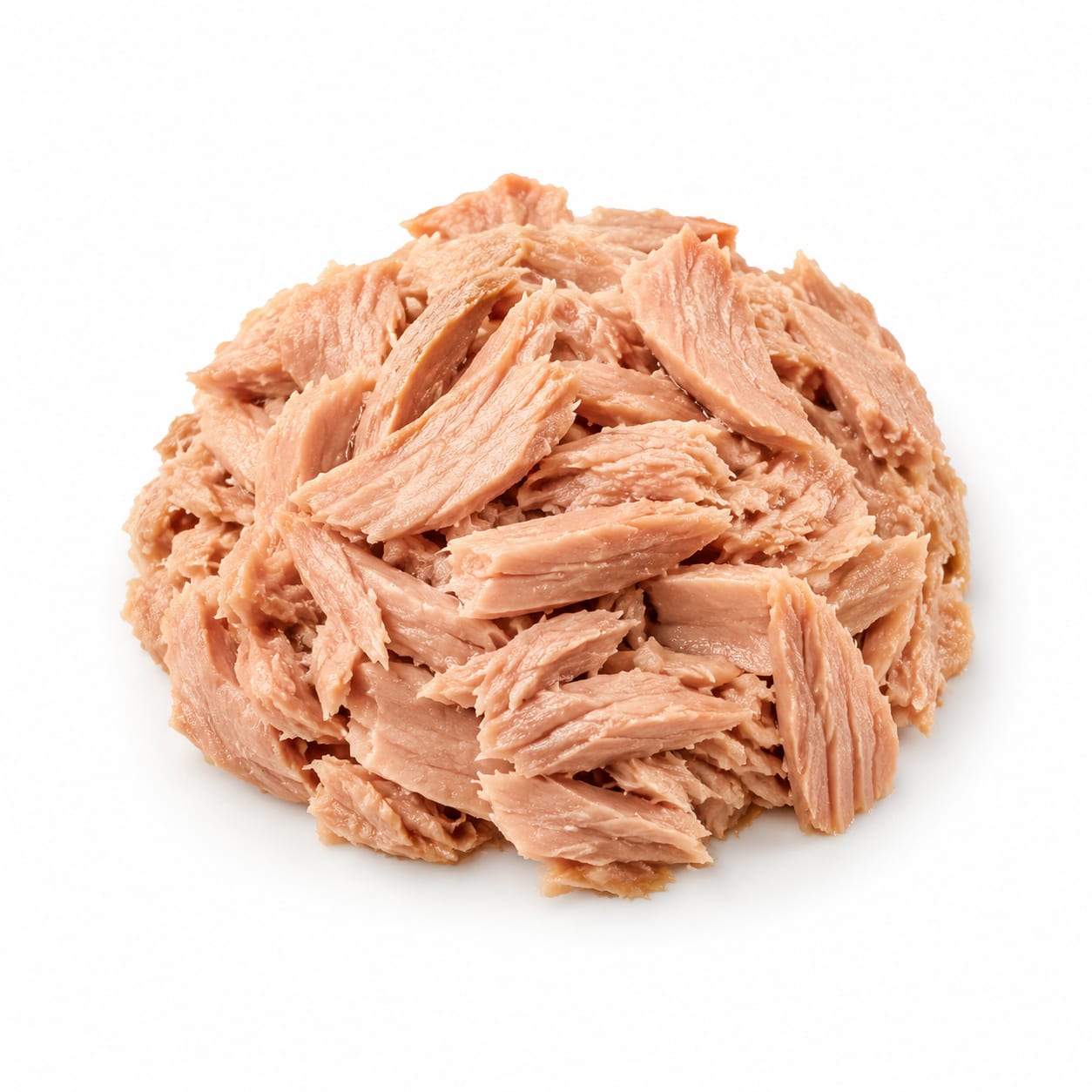
Tuna
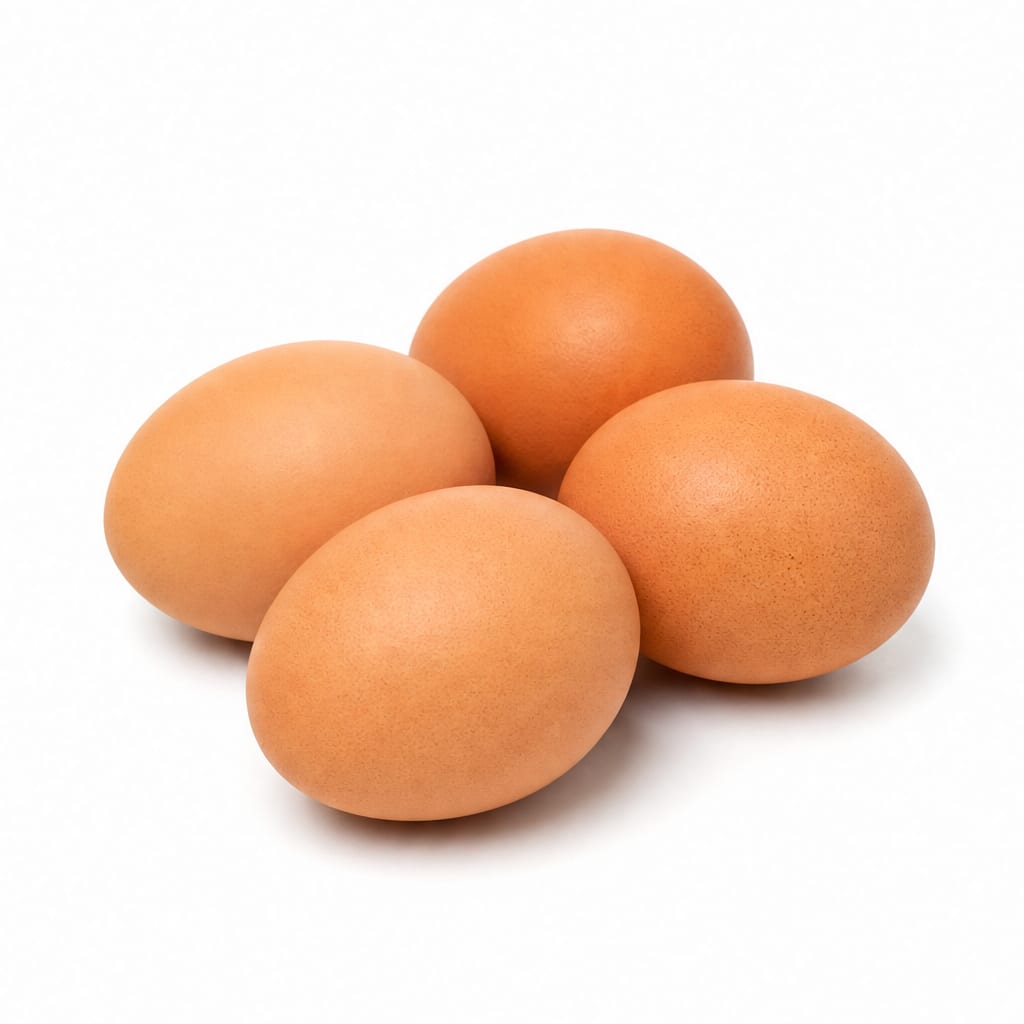
Eggs
Tuna is the leaner protein powerhouse, while Eggs offer superior versatility and safer daily nutrition.
Eggs score higher overall due to safer daily consumption, broader nutrient density, and superior culinary versatility, though Tuna wins specifically for lean protein density.
Tuna provides unmatched lean protein and omega-3s but carries mercury risks, whereas Eggs are endlessly versatile and nutrient-dense but higher in fat and cholesterol.
At a glance
Executive summary
Overall
It depends
Healthier
It depends
More practical
Eggs
Daily use
Eggs
Key comparison lenses
Lean protein source selection
Both are top-tier protein sources, but they differ drastically in fat content and calorie density.
Heavy metal and contaminant safety
Mercury accumulation in Tuna is a major deciding factor for frequent consumers compared to the minimal contaminant risk in Eggs.
Daily consumption limits
Eggs can be eaten daily without issue, while Tuna requires strict moderation to avoid toxicity.
Culinary versatility and convenience
Eggs serve as a breakfast staple and baking binder, whereas Tuna is mostly a quick lunch or salad addition.
Brain and cognitive nutrients
Eggs provide choline while Tuna provides omega-3s, both crucial for brain health but through different mechanisms.
Best choice for
Tuna
- Lean muscle gain on a calorie deficit
- Strict low-carb and low-fat diets
- Quick no-cook lunch prep
Eggs
- Daily breakfast protein
- Budget-friendly family nutrition
- Baking and cooking versatility
Least suitable for
Tuna
- Pregnant women and children
- Those concerned about heavy metals
- Frequent daily meal preppers
Eggs
- Strict low-cholesterol diets
- Vegans and plant-based eaters
- Those needing ultra-lean protein
Deep comparison
Dimension by dimension
Each lens scores both foods and breaks down who each option suits.
- Dimension 1 · Priority 95Tuna
Protein Quality & Leanness
Tuna · 92Eggs · 85Tuna delivers more protein per calorie with almost zero fat, making it the ultimate lean protein source.
Tradeoff
Eggs have slightly less protein per calorie but offer a more sustained energy release due to their naturally occurring fats.
Why it matters
If you are cutting calories or trying to hit high protein macros, Tuna gets you there without the fat.
Real-world impact
Tuna fills you up without using up your calorie budget; Eggs keep you full longer because of the satisfying fat content.
Tuna
- Cutting phases
- Lean muscle building
- Strict macro tracking
Better for
- Those needing a calorie surplus
- People finding lean meats unsatisfying
Worse for
Eggs
- Sustained energy
- Keto diets
- Balanced meals
Better for
- Strict calorie restrictors
- Low-fat diet followers
Worse for
- Dimension 2 · Priority 90Eggs
Safety & Contaminants
Tuna · 55Eggs · 85Tuna carries a real mercury risk that limits how often you can eat it, while Eggs are generally safe aside from basic food handling.
Tradeoff
You can eat Eggs every single day without worry, but Tuna must be limited to a few times a week to avoid heavy metal buildup.
Why it matters
Mercury accumulates in the body and affects neurological health over time, making frequent Tuna consumption a hidden danger.
Real-world impact
You can meal-prep Eggs daily, but eating Tuna every day could eventually lead to mercury toxicity symptoms like fatigue or brain fog.
Tuna
- Occasional omega-3 intake
Better for
- Pregnant women
- Frequent consumers
- Young kids
Worse for
Eggs
- Daily consumption
- Pregnancy nutrition
- Children's diets
Better for
- Improper storage handlers
Worse for
- Dimension 3 · Priority 85Eggs
Nutrient Density & Fats
Tuna · 80Eggs · 90Eggs are a natural multivitamin, packed with choline, vitamin D, and brain-boosting fats that Tuna lacks.
Tradeoff
Tuna offers lean omega-3s for heart health, but Eggs provide a wider array of fat-soluble vitamins essential for daily function.
Why it matters
Choline and vitamin D are notoriously hard to find in most diets, making Eggs an easy daily solution.
Real-world impact
Eating Eggs supports memory, mood, and bone strength; Tuna supports heart health but misses the broad micronutrient punch.
Tuna
- Heart health focus
- Low-fat diets
Better for
- Those needing fat-soluble vitamins
Worse for
Eggs
- Brain health
- Prenatal nutrition
- General wellness
Better for
- Low-fat dieters
Worse for
- Dimension 4 · Priority 80Eggs
Versatility & Convenience
Tuna · 70Eggs · 95Eggs can be boiled, scrambled, poached, or baked into almost anything, while Tuna is mostly limited to salads and sandwiches.
Tradeoff
Canned Tuna is shelf-stable and ready to eat instantly, but Eggs offer far more cooking options and flavor profiles.
Why it matters
Food you enjoy cooking is food you will actually eat consistently without getting bored.
Real-world impact
Eggs save breakfast, bind dinner ingredients, and make great snacks; Tuna is mostly a quick lunch fallback.
Tuna
- No-cook lunches
- Emergency pantry meals
Better for
- Flavor fatigue
- Limited recipes
Worse for
Eggs
- Meal variety
- Cooking enthusiasts
- Breakfast staples
Better for
- Need cooking equipment
Worse for
Timeline
Health impact over time
Short-term
Hours to days
Tuna
- Quick protein hit without feeling heavy
- Light feeling after eating
Eggs
- Strong satiety and fullness
- Steady energy for hours
Long-term
Months to years
Tuna
- Potential mercury accumulation with overconsumption
- Excellent lean muscle maintenance
Eggs
- Improved choline intake for brain health
- Stable daily nutrient baseline
Risk profile
Safety & processing
Both are whole foods. Canned Tuna may have added salt for preservation, while Eggs are as natural as it gets straight from the shell.
Tuna
Mercury exposure
highLarger tuna species accumulate methylmercury, which is neurotoxic and strictly limits safe weekly intake.
BPA from can linings
mediumSome canned Tuna uses BPA in the lining, which can leach into the fish over time.
Eggs
Salmonella
mediumRaw or undercooked Eggs can carry salmonella, requiring proper cooking and refrigeration.
Allergies
mediumEggs are a top allergen, causing reactions in sensitive individuals.
Who wins for whom
Audience fit
Same foods, different winners depending on your goal.
children
EggsEggs are safe for daily consumption and provide choline crucial for brain development, whereas Tuna poses mercury risks.
daily consumption
EggsEggs can be safely eaten every day, while Tuna should be limited to 2-3 servings a week due to mercury.
diabetes
TunaTuna has zero carbs and virtually no fat to cause insulin resistance, keeping blood sugar perfectly stable.
elderly
EggsEggs are easier to chew, digest, and provide essential nutrients for cognitive health without the mercury risk.
muscle gain
It dependsTuna offers lean protein for cutting phases, while Eggs provide healthy fats and calories needed for bulking.
weight loss
TunaTuna is extremely low in calories while being highly satiating from pure protein, making it easier to maintain a deficit.
Your move
Decision guide
Choose Tuna
- You are cutting weight and need maximum protein for minimal calories
- You want a no-cook, shelf-stable protein source for emergencies
- You limit fish intake to a few times a week specifically for omega-3s
Choose Eggs
- You need a versatile, daily protein source for breakfast or cooking
- You are pregnant, nursing, or feeding young children
- You want brain-boosting nutrients like choline and vitamin D daily
Either works if
- You need a high-quality complete protein after a workout
- You are building a balanced, whole-food diet
Avoid both if
- You have severe kidney issues requiring strict protein restriction
- You follow a strict vegan or plant-based lifestyle
Final recommendation
Keep both in your rotation but lean on Eggs for daily nutrition and Tuna for occasional lean protein boosts. Limit Tuna to a few times a week to keep mercury levels in check, and enjoy Eggs freely for their unmatched versatility and nutrient density.
Practical
Consumer tips
- 1
Choose skipjack or light canned Tuna over albacore to cut mercury exposure by up to 50%.
- 2
Buy pasture-raised Eggs for higher omega-3 and vitamin D content compared to conventional.
- 3
Rinse canned Tuna under water to reduce some of the sodium content before eating.
- 4
Store Eggs in the carton inside the fridge, not the door, to keep temperature consistent and fresh.