
Nutrition comparison
Tuna vs Turkey Breast: Which Lean Protein is Healthier?
Compare tuna and turkey breast for protein, mercury risk, and weight loss. Find out which lean meat is safer for daily use and better for your health goals.
Overall winner · Turkey Breast
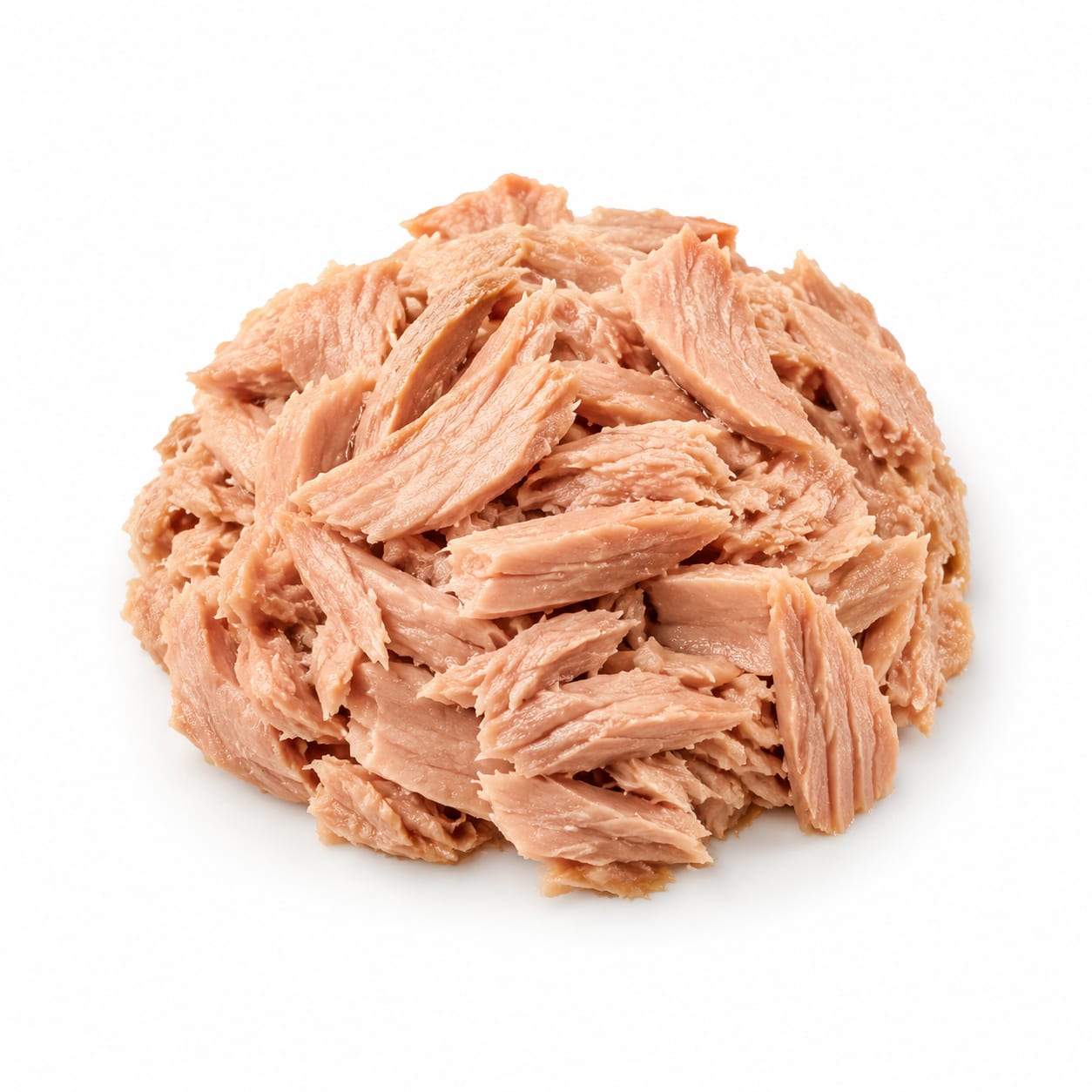
Tuna
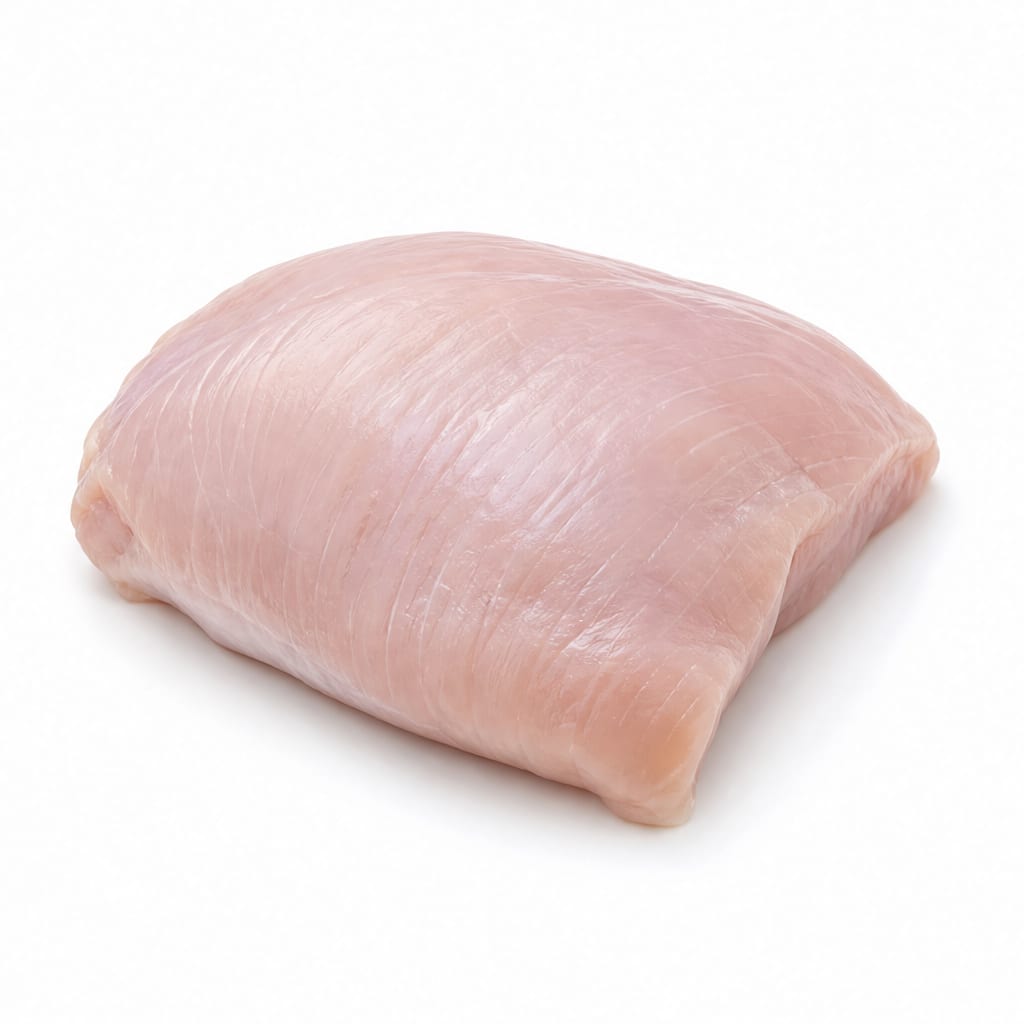
Turkey Breast
Turkey breast is the safer daily staple, while tuna offers superior omega-3s but comes with heavy metal tradeoffs.
Turkey breast scores slightly higher overall due to its safety profile for daily consumption, whereas tuna's mercury content limits how often it can be safely eaten.
Omega-3s and higher protein density versus lower mercury risk and safer daily consumption.
At a glance
Executive summary
Overall
Turkey Breast
Healthier
It depends
More practical
It depends
Daily use
Turkey Breast
Key comparison lenses
Lean protein source selection
Both are top-tier lean proteins, so choosing between them usually comes down to specific dietary goals and safety tolerances.
Heavy metal vs sodium exposure
Tuna carries mercury risk while turkey breast (especially deli) carries sodium and preservative risk.
Daily meal prep staple
Consumers often choose one as their go-to daily lean protein for lunches or salads.
Best choice for
Tuna
- Omega-3 boost
- Higher protein per calorie
- Pescatarian diets
Turkey Breast
- Daily lean protein
- Low-mercury diets
- Pregnant or nursing women
Least suitable for
Tuna
- Pregnant women
- Children
- Heavy metal detox protocols
Turkey Breast
- Low-sodium diets (if eating deli meat)
- Omega-3 focused diets
Deep comparison
Dimension by dimension
Each lens scores both foods and breaks down who each option suits.
- Dimension 1 · Priority 95Tuna
Protein Density & Quality
Tuna · 92Turkey Breast · 88Tuna packs slightly more protein per calorie and offers complete amino acids with added omega-3s.
Tradeoff
Tuna has a slight edge in protein density and anti-inflammatory fats, but turkey is still highly effective for muscle building.
Why it matters
Higher protein density helps with satiety and muscle maintenance without excess calories.
Real-world impact
A can of tuna gets you to your protein goal slightly faster with fewer calories than a turkey breast serving.
Tuna
- Calorie-counting dieters
- Omega-3 seekers
Better for
- Those concerned about mercury
Worse for
Turkey Breast
- People avoiding fish
- Those who prefer meat texture
Better for
- Strict calorie counters
Worse for
- Dimension 2 · Priority 92Turkey Breast
Safety & Contaminant Risk
Tuna · 55Turkey Breast · 80Tuna carries a real mercury risk, while turkey breast's main concern is sodium if purchased as deli meat.
Tradeoff
Mercury impacts the nervous system and accumulates over time, whereas sodium mainly affects blood pressure and is easier to manage.
Why it matters
Accumulated mercury is hard to clear from the body, making frequent tuna consumption risky.
Real-world impact
Eating tuna daily can lead to heavy metal toxicity symptoms, whereas choosing fresh turkey breast avoids both mercury and high sodium.
Tuna
- Those eating it only occasionally
Better for
- Pregnant women
- Kids
- Daily consumers
Worse for
Turkey Breast
- Daily lunch eaters
- Pregnant women
- Children
Better for
- Sodium-sensitive individuals (if eating deli meat)
Worse for
- Dimension 3 · Priority 88Turkey Breast
Daily Consumption Sustainability
Tuna · 50Turkey Breast · 90Turkey breast can be eaten safely every day, while tuna should be limited to a few times a week.
Tradeoff
Tuna's mercury limits its frequency, forcing you to rotate proteins, while turkey offers worry-free daily consistency.
Why it matters
A reliable daily protein source makes meal planning easier and safer long-term.
Real-world impact
You can meal-prep turkey breast every Sunday without worry, but doing the same with tuna could harm your health over time.
Tuna
- Variety seekers who eat it 1-2 times a week
Better for
- Those who eat the same thing daily
Worse for
Turkey Breast
- Meal preppers
- Daily salad toppers
Better for
- Those who easily get bored of poultry
Worse for
- Dimension 4 · Priority 82Tuna
Heart Health & Fat Profile
Tuna · 85Turkey Breast · 70Tuna provides beneficial omega-3 fatty acids, whereas turkey breast is extremely lean with virtually no fat.
Tradeoff
Tuna offers anti-inflammatory fats that turkey lacks, but deli turkey can introduce heart-straining sodium.
Why it matters
Omega-3s are crucial for cardiovascular and brain health, and most diets lack them.
Real-world impact
Adding tuna to your week gives your heart and brain a healthy fat boost that turkey simply cannot provide.
Tuna
- Heart health focus
- Brain health support
Better for
- Those needing strictly low-fat
Worse for
Turkey Breast
- Ultra-low-fat diets
Better for
- Those needing dietary omega-3s
Worse for
- Dimension 5 · Priority 75It depends
Convenience & Versatility
Tuna · 85Turkey Breast · 85Canned tuna is a shelf-stable pantry staple, while deli or pre-cooked turkey breast is a fridge-ready convenience food.
Tradeoff
Tuna wins for no-refrigeration storage, while turkey breast offers a more neutral flavor that pairs with more recipes.
Why it matters
Convenience often dictates what you actually eat when busy or tired.
Real-world impact
Tuna is perfect for emergency meals or travel, while turkey breast is easier to incorporate into hot dinners or varied sandwiches.
Tuna
- Pantry stocking
- Travel meals
- No-cook lunches
Better for
- Those who dislike fishy flavors in non-fish dishes
Worse for
Turkey Breast
- Hot meals
- Recipe versatility
- Family dinners
Better for
- Backpacking or no-fridge situations
Worse for
Timeline
Health impact over time
Short-term
Hours to days
Tuna
- Quick, low-calorie protein hit
- Omega-3 boost for focus
- Potential for fishy aftertaste
Turkey Breast
- High satiety without heaviness
- Steady energy
- Possible bloating if eating high-sodium deli meat
Long-term
Months to years
Tuna
- Mercury accumulation if overconsumed
- Improved cardiovascular health from omega-3s
- Reduced inflammation
Turkey Breast
- Consistent lean muscle maintenance
- Lower heavy metal risk
- Potential blood pressure issues if relying on processed deli slices
Risk profile
Safety & processing
Fresh or plain canned tuna is very clean, while typical deli turkey breast often contains sodium, broths, and preservatives. Choosing fresh turkey breast eliminates this concern.
Tuna
Mercury exposure
highAlbacore and bigeye tuna have significant mercury levels, limiting safe consumption to 1-2 times per week, especially for pregnant women.
Scombroid poisoning
lowImproperly refrigerated fresh tuna can cause histamine toxicity, leading to allergic-like reactions.
Turkey Breast
Sodium overload
mediumDeli turkey breast is often pumped with salt and sodium nitrite, which can spike blood pressure if eaten frequently.
Listeria (for deli meat)
mediumDeli meats carry a slightly higher risk of listeria, making them less ideal for pregnant women unless heated to steaming.
Who wins for whom
Audience fit
Same foods, different winners depending on your goal.
children
Turkey BreastTurkey breast has no mercury risk, making it much safer for developing nervous systems in children.
daily consumption
Turkey BreastTurkey breast can be eaten daily without heavy metal concerns, whereas tuna should be limited to a few times a week.
diabetes
It dependsBoth have zero carbs and will not spike blood sugar, but tuna's omega-3s offer extra anti-inflammatory benefits for diabetic health.
elderly
Turkey BreastOlder adults are more vulnerable to heavy metal accumulation and often need to watch sodium, so fresh turkey breast is the safer staple.
muscle gain
It dependsBoth provide excellent lean protein for muscle repair; turkey is easier to eat in large volumes, while tuna is more calorie-efficient.
weight loss
TunaTuna is slightly lower in calories and higher in protein per serving, making it a tiny bit more efficient for strict calorie deficits.
Your move
Decision guide
Choose Tuna
- You want an omega-3 boost without taking fish oil supplements
- You need a shelf-stable, no-cook protein for travel or pantry emergencies
- You only eat fish 1-2 times a week and want maximum protein per calorie
Choose Turkey Breast
- You need a safe, reliable daily lean protein for meal prep
- You are pregnant, nursing, or cooking for young children
- You prefer a milder flavor that blends into more recipes
Either works if
- You just need a zero-carb, high-protein addition to a salad
- You are rotating lean proteins to keep your diet interesting
Avoid both if
- You have gout and are sensitive to purines, as both are moderately high in them
- You are on a strict low-sodium diet and only have access to deli turkey and salted canned tuna
Final recommendation
Use turkey breast as your everyday lean protein workhorse, and treat tuna as a beneficial omega-3 supplement 1-2 times a week. This gives you the best of both worlds without the mercury risk.
Practical
Consumer tips
- 1
Choose chunk light tuna over albacore to cut mercury exposure by up to a third.
- 2
Opt for fresh or roasted turkey breast over deli slices to avoid sodium nitrates and excess salt.
- 3
If buying canned tuna, look for pole-caught varieties for better sustainability and lower mercury.
- 4
Rinsing canned tuna can remove some surface sodium, though you will also lose a bit of flavor.
- 5
Check deli turkey labels for no nitrates added and low-sodium options to make it a cleaner choice.