
Nutrition comparison
Tuna vs Shrimp: Nutrition, Mercury, and Health Comparison
Comparing Tuna and Shrimp for protein, omega-3s, and mercury. Find out which seafood is safer and healthier for your diet.
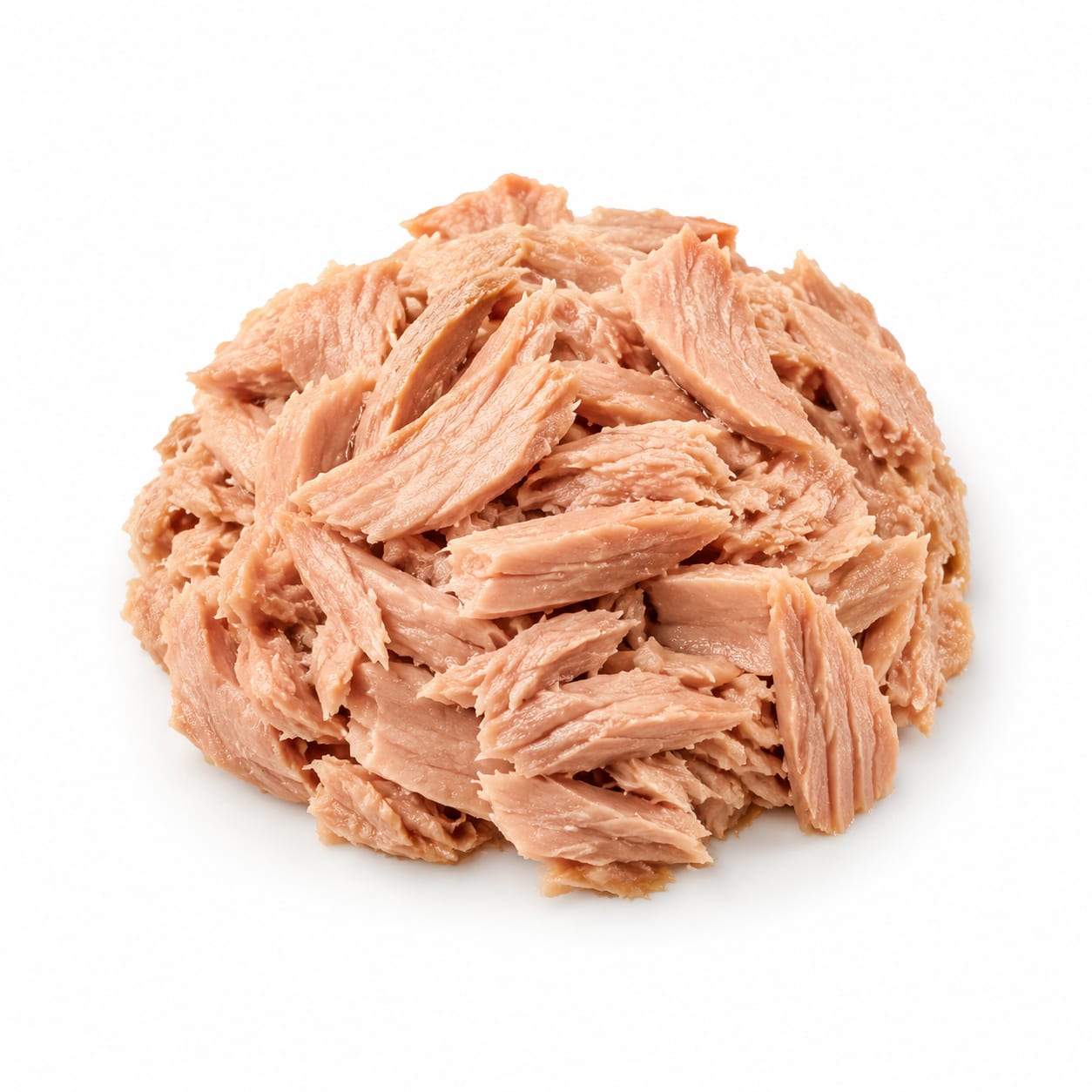
Tuna
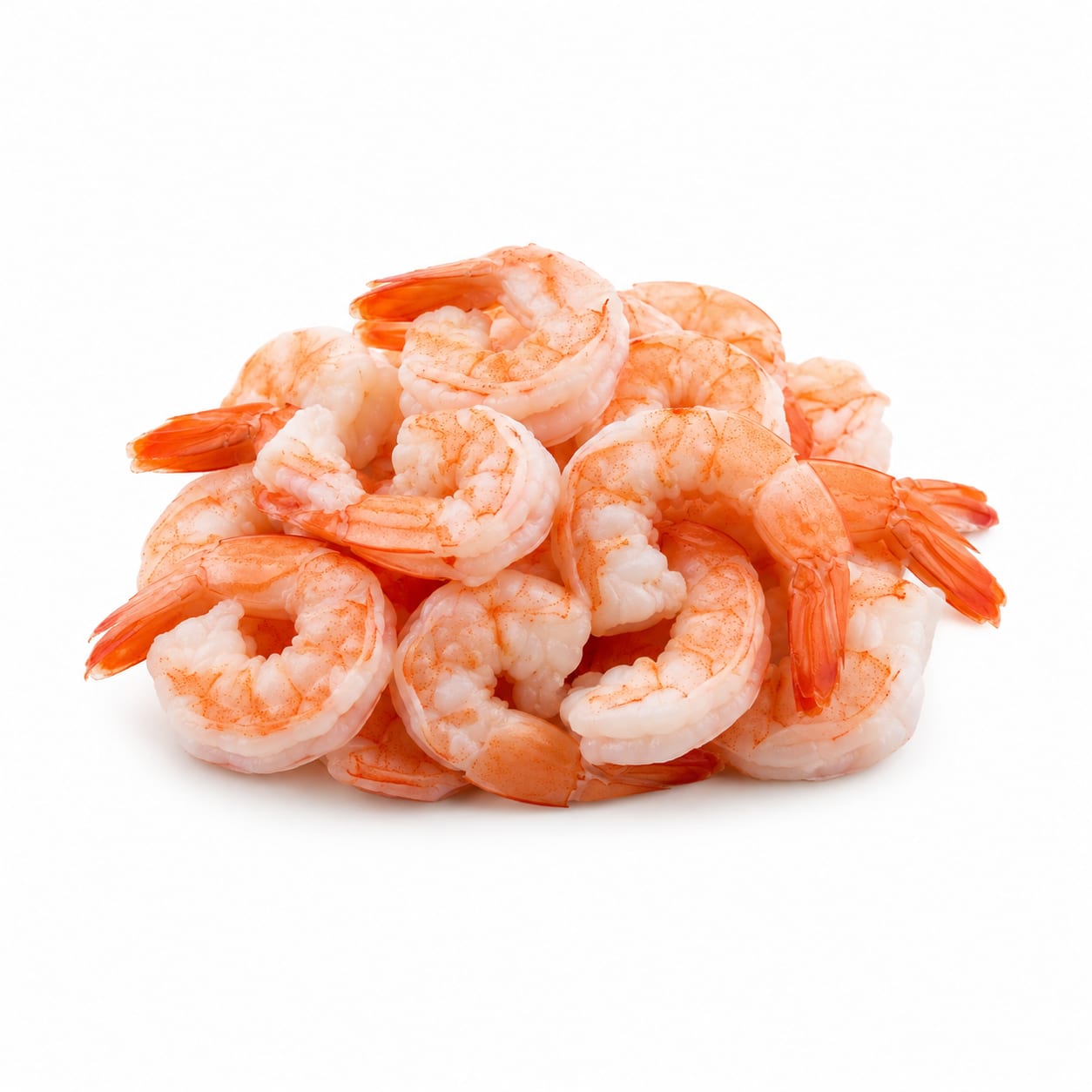
Shrimp
Tuna packs more protein and omega-3s, but Shrimp offers similar leanness with far less mercury risk.
Shrimp scores slightly higher overall due to its superior safety profile for frequent consumption and unmatched calorie efficiency. Tuna remains an excellent choice but is penalized for mercury accumulation risks that limit how often it can be safely eaten.
Higher protein and omega-3s (Tuna) vs. lower mercury and lighter calorie load (Shrimp).
At a glance
Executive summary
Overall
It depends
Healthier
It depends
More practical
It depends
Daily use
Shrimp
Key comparison lenses
Mercury and heavy metal exposure
Tuna is a large predatory fish known for accumulating mercury, while Shrimp is a small bottom-feeder with significantly lower mercury levels, making this the primary safety tradeoff.
Protein quality and satiety
Both are lean protein sources, but Tuna offers substantially more protein per serving, directly impacting fullness and muscle maintenance.
Omega-3 fatty acid intake
Tuna is a much richer source of omega-3s than Shrimp, which is a major deciding factor for heart and brain health.
Calorie efficiency for weight management
Shrimp is exceptionally low in calories while remaining high in protein, making it a unique tool for dieters.
Best choice for
Tuna
- People focused on muscle building and high protein intake
- Those needing budget-friendly omega-3s from canned sources
- Individuals who only eat seafood occasionally
Shrimp
- Frequent seafood eaters wanting safe regular consumption
- Pregnant women seeking low-mercury lean protein
- Volume eaters looking for maximum portion size per calorie
Least suitable for
Tuna
- Pregnant women and young children due to mercury
- Those concerned about heavy metal accumulation
- People prone to gout flares
Shrimp
- People with severe shellfish allergies
- Those strictly monitoring dietary cholesterol
- Individuals on tight grocery budgets
Deep comparison
Dimension by dimension
Each lens scores both foods and breaks down who each option suits.
- Dimension 1 · Priority 95Tuna
Protein & Satiety
Tuna · 92Shrimp · 80Tuna delivers significantly more protein per serving, making it much more filling and better for staying satisfied between meals.
Tradeoff
You get more hunger-busting protein from Tuna, but Shrimp is still a solid lean protein that feels lighter in the stomach.
Why it matters
Higher protein intake helps preserve muscle and prevents energy crashes from snacking.
Real-world impact
A Tuna steak or can will keep you full for hours, while Shrimp might leave you looking for a side dish sooner.
Tuna
- Post-workout muscle recovery
- Staying full until dinner
Better for
- Small appetites
- Light snacking
Worse for
Shrimp
- Light lunches
- Appetizers before a main course
Better for
- Recovering from heavy training
- Fasting days when you need dense calories
Worse for
- Dimension 2 · Priority 90Tuna
Heart Health & Fats
Tuna · 88Shrimp · 75Tuna provides far more omega-3 fatty acids, which are crucial for reducing inflammation and supporting cardiovascular health.
Tradeoff
Shrimp is very low in fat and calories but lacks the robust omega-3 profile of Tuna, and it carries more dietary cholesterol.
Why it matters
Omega-3s are a major reason people eat seafood, and Tuna delivers them in spades compared to Shrimp.
Real-world impact
Eating Tuna a couple of times a week actively supports heart and brain health in ways Shrimp cannot match.
Tuna
- Reducing systemic inflammation
- Supporting cognitive function
Better for
- Those avoiding all heavy metals
Worse for
Shrimp
- Very low-fat diets
- Strict calorie restriction
Better for
- People needing omega-3 supplementation from food
Worse for
- Dimension 3 · Priority 95Shrimp
Contamination & Safety
Tuna · 55Shrimp · 85Shrimp has drastically lower mercury levels than Tuna, making it much safer for regular, frequent consumption.
Tradeoff
Tuna accumulates mercury due to its place in the ocean food chain, while Shrimp stays relatively clean but poses allergy risks.
Why it matters
Mercury buildup affects neurological health, especially for vulnerable populations like pregnant women and kids.
Real-world impact
You can eat Shrimp multiple times a week without worry, but Tuna should be limited to avoid heavy metal exposure.
Tuna
- Occasional protein boosts
Better for
- Daily meal prep
- Prenatal nutrition
Worse for
Shrimp
- Frequent seafood meals
- Pregnancy diets
- Childhood nutrition
Better for
- People with severe shellfish allergies
Worse for
- Dimension 4 · Priority 85Shrimp
Calorie Efficiency
Tuna · 85Shrimp · 95Shrimp is incredibly low in calories while still providing solid protein, making it one of the most calorie-efficient proteins available.
Tradeoff
Tuna is also lean, but Shrimp edges it out for sheer calorie-to-protein ratio, perfect for aggressive weight loss.
Why it matters
When cutting calories, every bite needs to count, and Shrimp lets you eat a larger volume for fewer calories.
Real-world impact
You can eat a generous portion of Shrimp for the same calories as a much smaller portion of Tuna.
Tuna
- Those who prefer smaller, denser meals
Better for
- Feeling deprived on a diet
Worse for
Shrimp
- Volume eaters
- Strict calorie counters
Better for
- Those needing high-calorie intake
Worse for
- Dimension 5 · Priority 75It depends
Convenience & Versatility
Tuna · 82Shrimp · 80Canned Tuna is shelf-stable and ready to eat, while Shrimp cooks from frozen in minutes but requires refrigeration.
Tradeoff
Tuna wins for pantry convenience and meal prep, but Shrimp offers a more elegant dining experience with quick cook times.
Why it matters
How you store and prepare your food determines whether you actually eat it or let it go bad.
Real-world impact
Tuna is a desk-lunch hero, while Shrimp is a weeknight dinner savior that thaws and cooks in under 10 minutes.
Tuna
- No-cook lunches
- Emergency pantry protein
- Camping trips
Better for
- Fine dining
- Hot meals on busy nights
Worse for
Shrimp
- Quick stir-fries
- Impressive dinner parties
- Pasta dishes
Better for
- Meals without a kitchen
- Shelf-stable emergency food
Worse for
Timeline
Health impact over time
Short-term
Hours to days
Tuna
- Highly filling, reduces urge to snack
- Quick post-workout muscle recovery
Shrimp
- Light on the stomach, digests quickly
- Provides fast energy without feeling heavy
Long-term
Months to years
Tuna
- Excellent for heart and brain health due to omega-3s
- Mercury accumulation is a real concern if overconsumed
Shrimp
- Supports thyroid function with high iodine and selenium
- Safe for frequent eating without heavy metal worries
Risk profile
Safety & processing
Fresh or frozen Tuna and Shrimp are both minimally processed. However, canned Tuna often contains added sodium, and farm-raised Shrimp may be treated with preservatives like sodium tripolyphosphate to retain moisture.
Tuna
Mercury exposure
highTuna is a large predatory fish that accumulates mercury, which can harm neurological development and cognitive function over time.
Histamine toxicity
lowImproperly stored fresh Tuna can cause scombroid poisoning, leading to flushing, sweating, and a peppery taste in the mouth.
Shrimp
Shellfish allergy
highOne of the most common and severe food allergies, potentially causing life-threatening anaphylactic reactions.
Antibiotic residue
mediumImported farm-raised Shrimp often contain traces of antibiotics banned in many countries due to health concerns.
Who wins for whom
Audience fit
Same foods, different winners depending on your goal.
children
ShrimpShrimp is much lower in mercury, making it a much safer seafood option for developing nervous systems.
daily consumption
ShrimpShrimp has no mercury frequency limits, whereas Tuna should be limited to a few servings a week at most.
diabetes
TunaTuna has slightly more fat and protein with zero carbs, offering better long-term blood sugar stabilization.
elderly
ShrimpShrimp is easier to chew and safer for frequent consumption, supporting heart health without mercury risks.
muscle gain
TunaTuna provides significantly more protein per serving, which is the critical driver for muscle repair and growth.
weight loss
ShrimpShrimp is lower in calories per ounce, allowing for larger, more satisfying portions while staying in a calorie deficit.
Your move
Decision guide
Choose Tuna
- You need a high-protein, shelf-stable pantry staple
- You want maximum omega-3s for brain and heart health
- You only eat seafood 1-2 times a week and want the biggest nutritional bang for your buck
Choose Shrimp
- You eat seafood multiple times a week
- You are pregnant, nursing, or feeding young children
- You want a low-calorie protein that feels like a treat
Either works if
- You need a lean protein to top a salad
- You are looking for a low-carb dinner option
Avoid both if
- You have gout, as both are moderate in purines
- You have a severe seafood or shellfish allergy
Final recommendation
Let your eating habits decide: if seafood is a rare treat, Tuna gives you unmatched protein and omega-3s. If you want seafood multiple times a week, Shrimp is the safer, lighter choice that won't weigh you down with mercury concerns.
Practical
Consumer tips
- 1
Opt for light canned Tuna over albacore to cut mercury exposure by up to a third.
- 2
Buy wild-caught Shrimp to avoid antibiotic residues found in some farm-raised varieties.
- 3
Rinse canned Tuna under water to remove up to half the added sodium.
- 4
Do not overcook Shrimp; it goes from perfect to rubbery in under a minute.
- 5
Pair both with vitamin C-rich foods like lemon to boost iron absorption.