
Nutrition comparison
Tuna vs Chicken Breast: Which Lean Protein is Better?
Comparing Tuna and Chicken Breast for protein, mercury risk, weight loss, and daily use. Find out which lean meat wins for your health goals.
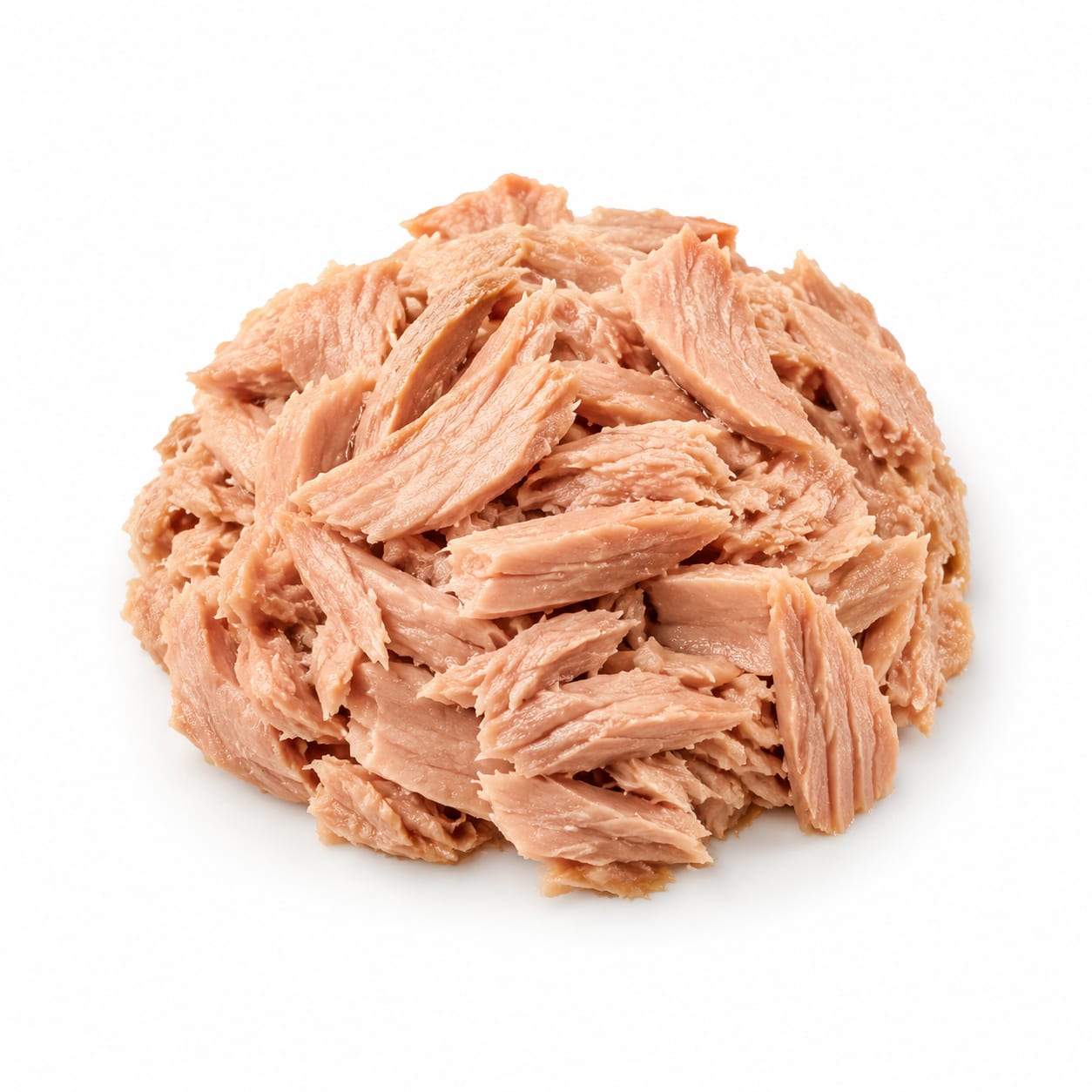
Tuna
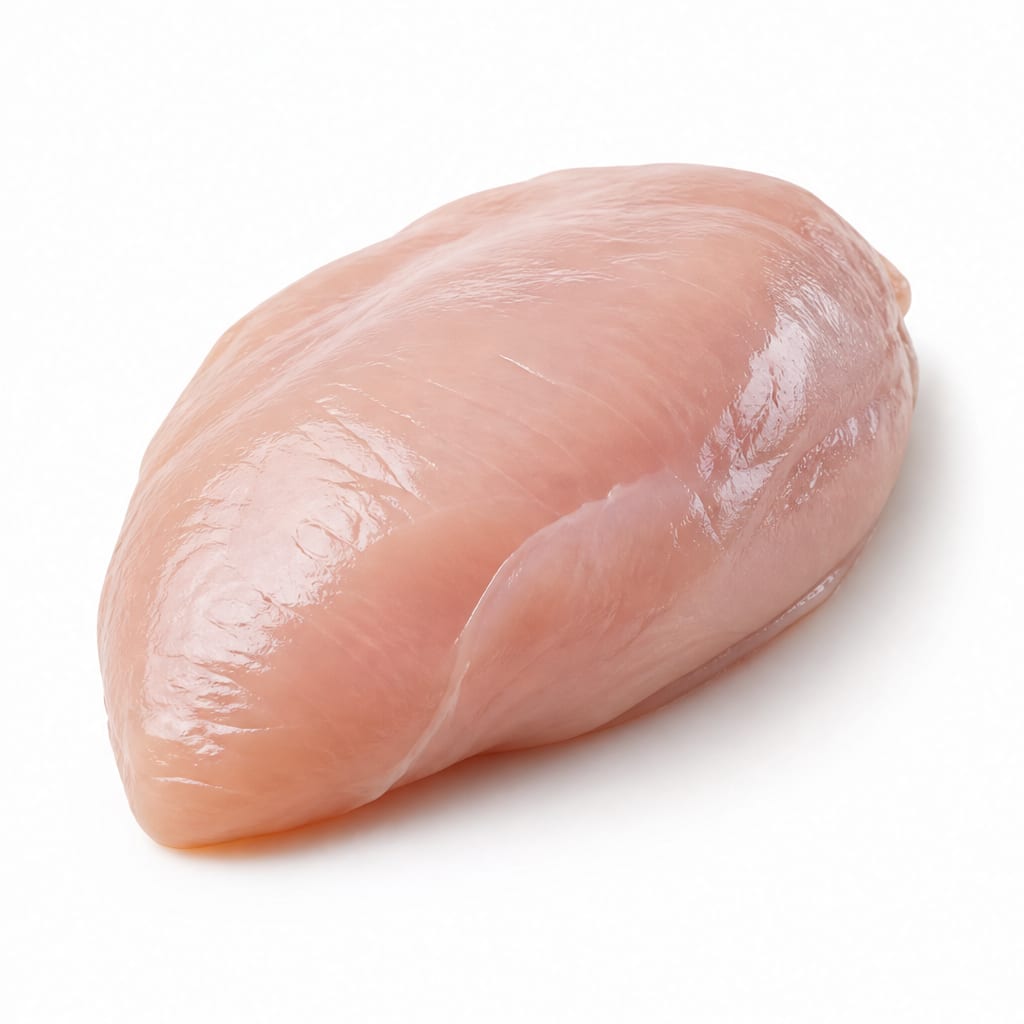
Chicken Breast
Chicken Breast is the safer daily driver for lean protein, while Tuna offers unique omega-3 benefits but demands strict portion control due to mercury.
Chicken Breast scores higher overall because it serves as a safe, versatile, daily lean protein without the heavy metal compromises of Tuna. Tuna remains excellent but is limited by frequency restrictions.
You trade the heart-healthy omega-3s and instant convenience of Tuna for the zero-mercury, everyday safety and culinary versatility of Chicken Breast.
At a glance
Executive summary
Overall
It depends
Healthier
Chicken Breast
More practical
Tuna
Daily use
Chicken Breast
Key comparison lenses
Lean protein source selection
Both are top-tier lean proteins, making this the core decision factor for most users.
Mercury and heavy metal exposure
Tuna carries a well-documented mercury risk that fundamentally changes how often it should be eaten compared to Chicken Breast.
Omega-3 intake vs pure muscle building
Tuna provides marine omega-3s for brain and heart health, whereas Chicken Breast is strictly a muscle-building protein.
Convenience and shelf stability
Canned Tuna is a pantry staple requiring no cooking, while Chicken Breast requires refrigeration and preparation.
Best choice for
Tuna
- Quick no-cook lunches
- Boosting omega-3 intake without supplements
- Budget-friendly pantry stocking
Chicken Breast
- Daily lean protein needs
- Body recomposition and muscle building
- Pregnancy and childhood nutrition
Least suitable for
Tuna
- Pregnant women and young children
- Daily heavy protein consumption
- People worried about heavy metal accumulation
Chicken Breast
- Backpacking or emergency prep
- Those seeking marine omega-3 fats
- Zero-cooking situations
Deep comparison
Dimension by dimension
Each lens scores both foods and breaks down who each option suits.
- Dimension 1 · Priority 95Chicken Breast
Protein Quality and Muscle Building
Tuna · 88Chicken Breast · 94Chicken Breast provides slightly more protein per calorie and a superior amino acid profile for muscle synthesis.
Tradeoff
Tuna is still an excellent protein source, but Chicken Breast edges it out for pure muscle-building leucine content and portion size flexibility.
Why it matters
Better protein quality means more effective muscle repair and growth after workouts.
Real-world impact
A chicken breast post-workout feels more satisfying and supports muscle growth slightly better than a standard can of Tuna.
Tuna
- Grab-and-go protein after a light workout
Better for
- Getting enough protein without hitting mercury limits
Worse for
Chicken Breast
- Bodybuilding and heavy lifting
- Large portion meals needing high volume protein
Better for
- Situations requiring zero prep time
Worse for
- Dimension 2 · Priority 90Tuna
Heart and Brain Health
Tuna · 89Chicken Breast · 45Tuna delivers essential marine omega-3s (EPA and DHA) that Chicken Breast completely lacks.
Tradeoff
You get brain and heart-boosting fats from Tuna, but you must balance this against its mercury content, which ironically harms neurological health if overconsumed.
Why it matters
Omega-3s reduce inflammation and support cognitive function, which land-based meats cannot provide.
Real-world impact
Eating Tuna a couple of times a week can improve your omega-3 balance without needing fish oil pills.
Tuna
- Supporting cardiovascular health
- Getting natural DHA for brain function
Better for
- Overconsumption negating brain benefits due to mercury
Worse for
Chicken Breast
- Long-term consistent daily intake without neurotoxin risk
Better for
- Providing zero marine omega-3 fatty acids
Worse for
- Dimension 3 · Priority 92Chicken Breast
Safety and Contamination Risk
Tuna · 50Chicken Breast · 85Chicken Breast has typical poultry handling risks, but Tuna carries a cumulative heavy metal burden that restricts safe intake.
Tradeoff
Avoiding mercury takes discipline with Tuna, whereas Chicken Breast only requires standard kitchen hygiene to be perfectly safe.
Why it matters
Mercury builds up in your body over time and can impair brain function and nervous system health.
Real-world impact
You can eat Chicken Breast twice a day safely, but doing the same with Tuna is genuinely dangerous over time.
Tuna
- Minimal foodborne illness risk if canned properly
Better for
- Mercury exposure limits safe weekly servings
- Risky for developing brains in children and fetuses
Worse for
Chicken Breast
- Safe for daily unrestricted consumption
- Zero mercury or heavy metal accumulation
Better for
- Salmonella risk if undercooked
Worse for
- Dimension 4 · Priority 80It depends
Convenience and Meal Prep
Tuna · 85Chicken Breast · 75Canned Tuna is instantly ready to eat, while Chicken Breast requires cooking but excels in batch meal prep.
Tradeoff
Tuna wins for immediate hunger relief with zero prep, but Chicken Breast is far more versatile for cooking diverse meals throughout the week.
Why it matters
Convenience often dictates whether you stick to a healthy eating plan or grab junk food.
Real-world impact
Keep Tuna in your desk drawer for emergencies, but grill Chicken Breast on Sunday for a week of satisfying lunches.
Tuna
- Emergency pantry protein
- Travel and no-fridge situations
Better for
- Very limited recipe versatility
- Eating it dry gets boring fast
Worse for
Chicken Breast
- Batch cooking for the week
- Creating diverse, satisfying hot meals
Better for
- Requires refrigeration and cooking equipment
Worse for
Timeline
Health impact over time
Short-term
Hours to days
Tuna
- Quick, light protein hit that will not weigh you down
- Fast hunger relief without cooking
Chicken Breast
- Highly filling and satiating, easily carries a meal
- Steady energy with zero blood sugar spikes
Long-term
Months to years
Tuna
- Improved omega-3 status if kept to 1-2 servings weekly
- Risk of mercury accumulation and cognitive side effects if overconsumed
Chicken Breast
- Excellent sustained muscle maintenance and fat loss support
- Safe daily staple with no cumulative toxicity risks
Risk profile
Safety & processing
Canned Tuna is thermally processed and often contains added salt, plus potential BPA from can linings. Chicken Breast is a raw, unprocessed whole food requiring only cooking.
Tuna
Mercury accumulation
highLarger tuna species accumulate methylmercury, which is neurotoxic and builds up in the human body over time, limiting safe weekly intake.
BPA exposure from cans
mediumMost canned tuna uses epoxy linings containing BPA, a known endocrine disruptor that can leach into the fish.
Chicken Breast
Salmonella contamination
mediumRaw chicken frequently carries salmonella, requiring strict kitchen hygiene and thorough cooking to prevent illness.
Antibiotic resistant bacteria
lowConventionally raised chicken may carry resistant bacteria, though proper cooking eliminates the direct threat.
Who wins for whom
Audience fit
Same foods, different winners depending on your goal.
children
Chicken BreastZero mercury risk and a more kid-friendly texture make Chicken Breast much safer and more practical for growing bodies.
daily consumption
Chicken BreastChicken Breast can be eaten multiple times a day without toxicity concerns, unlike Tuna which requires strict weekly limits.
diabetes
Chicken BreastBoth have zero carbs, but Chicken Breast offers more reliable satiety to prevent overeating and blood sugar crashes.
elderly
Chicken BreastOlder adults are more vulnerable to heavy metal accumulation and need safe, consistent, easy-to-digest protein.
muscle gain
Chicken BreastHigher leucine content and the ability to eat large portions safely makes Chicken Breast the ultimate muscle-building food.
weight loss
Chicken BreastChicken Breast is more filling and versatile for creating large, low-calorie meals that keep you satisfied longer.
Your move
Decision guide
Choose Tuna
- You want a convenient, no-cook protein for quick lunches
- You need marine omega-3s but dislike fish oil supplements
- You are stocking a pantry for emergencies
Choose Chicken Breast
- You need a safe, daily lean protein staple
- You are pregnant, nursing, or feeding young children
- You want maximum recipe versatility for meal prep
Either works if
- You just need a low-calorie, zero-carb protein source after a workout
- You are mixing up your weekly protein rotation to avoid diet fatigue
Avoid both if
- You follow a strict plant-based or vegan diet
- You have severe kidney issues requiring very low protein intake
Final recommendation
Rely on Chicken Breast as your everyday lean protein workhorse, and treat Tuna as a beneficial but limited supplement—enjoy it once or twice a week for the omega-3s, but keep it off the daily menu to protect yourself from mercury.
Practical
Consumer tips
- 1
Choose skipjack (light) tuna over albacore (white) tuna to cut mercury exposure by up to 70%.
- 2
Look for BPA-free cans or pouches when buying Tuna to reduce endocrine disruptor exposure.
- 3
Buy sodium-free or low-sodium canned Tuna to avoid unnecessary salt intake.
- 4
Choose organic or antibiotic-free Chicken Breast to reduce exposure to resistant bacteria and additives.
- 5
Batch cook Chicken Breast on weekends to make weekday meals as convenient as opening a can of Tuna.