
Nutrition comparison
Tuna vs Sardines: Which Canned Fish Is Healthier?
Compare tuna and sardines on mercury, omega-3s, protein, and taste. Find out which canned fish is safer and better for your health goals.
Overall winner · Sardines
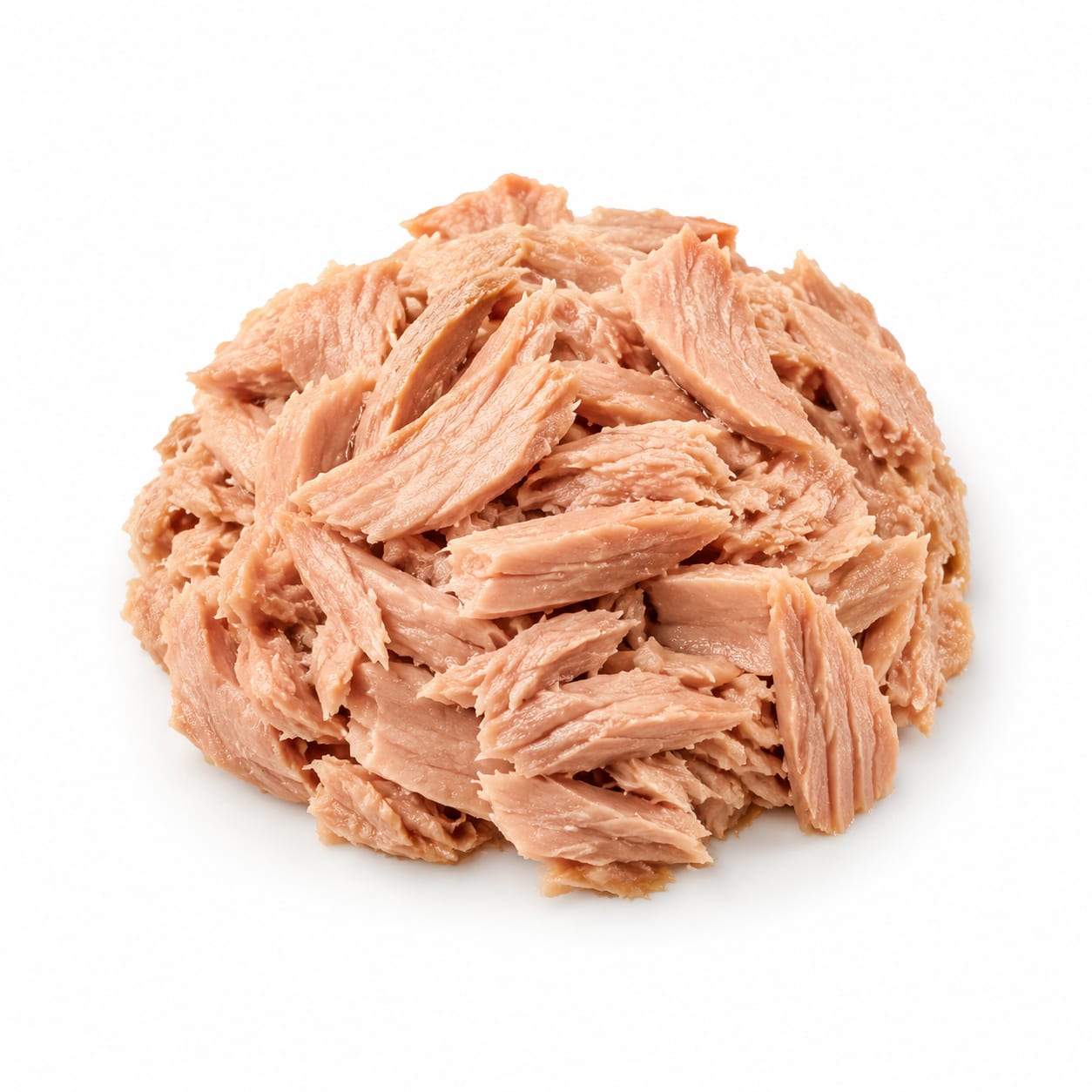
Tuna
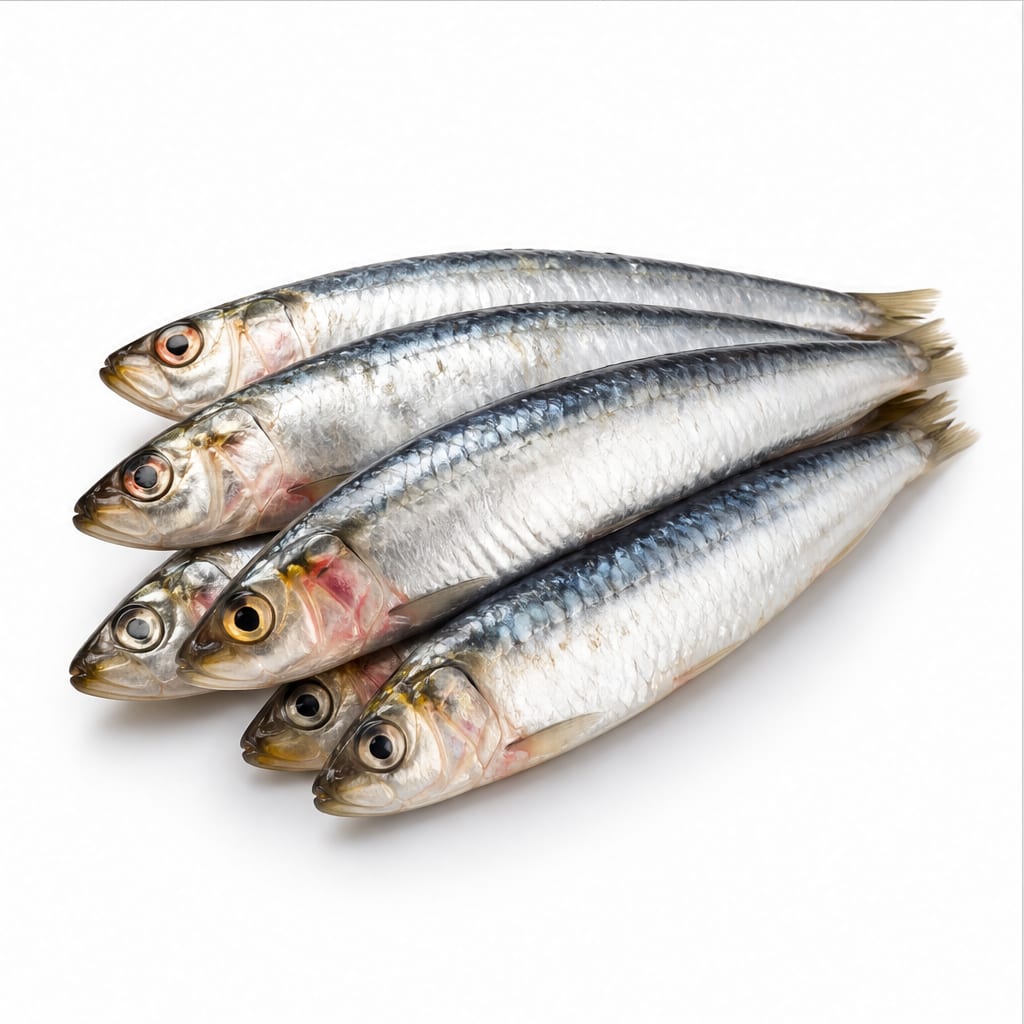
Sardines
Sardines edge out tuna for everyday eating thanks to lower mercury and more omega-3s, though tuna offers leaner protein.
Sardines score higher overall due to superior safety for regular consumption and a richer micronutrient profile, though tuna remains an excellent low-calorie protein source when eaten in moderation.
Tuna gives you more protein with fewer calories, but sardines deliver safer omega-3s and bone-building calcium.
At a glance
Executive summary
Overall
Sardines
Healthier
Sardines
More practical
Tuna
Daily use
Sardines
Key comparison lenses
Mercury exposure and safety for frequent consumption
Tuna accumulates significantly more mercury than sardines, making safety a primary decision factor.
Omega-3 intake for heart and brain health
Both are known for omega-3s, but sardines deliver a much higher dose per serving.
Protein-to-calorie ratio for lean diets
Tuna is a staple for low-calorie protein, while sardines are higher in fat and calories.
Bone health and micronutrient density
Sardines provide edible bones rich in calcium, a nutrient entirely absent in boneless tuna.
Best choice for
Tuna
- Strict calorie counters needing high protein
- People who dislike strong fish flavors
- Bodybuilders cutting fat
Sardines
- Pregnant women seeking safe seafood
- Those focused on heart and brain health
- People needing dairy-free calcium
Least suitable for
Tuna
- Frequent daily eaters due to mercury risk
- Pregnant women if using albacore varieties
Sardines
- People with gout sensitive to purines
- Those averse to strong fishy tastes or textures
Deep comparison
Dimension by dimension
Each lens scores both foods and breaks down who each option suits.
- Dimension 1 · Priority 95Sardines
Omega-3 Fatty Acids & Heart Health
Tuna · 55Sardines · 95Sardines pack significantly more omega-3s per serving than tuna, making them a superior choice for cardiovascular and brain health.
Tradeoff
You get leaner protein from tuna, but miss out on the robust anti-inflammatory fats sardines provide.
Why it matters
Omega-3s reduce inflammation, lower blood pressure, and support cognitive function.
Real-world impact
Eating sardines a few times a week can meaningfully improve your lipid panel and reduce joint stiffness over time.
Tuna
- Those already taking high-dose fish oil supplements
Better for
- Individuals needing a therapeutic omega-3 dose from food alone
Worse for
Sardines
- People relying on whole foods for heart health
- Those managing inflammatory conditions
Better for
- Strict low-fat dieters tracking every gram of fat
Worse for
- Dimension 2 · Priority 90Sardines
Mercury & Heavy Metal Safety
Tuna · 35Sardines · 90Sardines are low on the food chain, accumulating far less mercury than large tuna species.
Tradeoff
Eating tuna daily risks heavy metal buildup, while sardines can be safely eaten multiple times a week without worry.
Why it matters
Mercury toxicity impairs neurological function and is especially dangerous for developing brains.
Real-world impact
Choosing sardines over tuna for your daily lunch means you never have to track your weekly mercury limits.
Tuna
- Those eating canned fish only once or twice a month
Better for
- Children and women of childbearing age if eaten frequently
Worse for
Sardines
- Pregnant and breastfeeding women
- Frequent seafood eaters
Better for
- No significant safety downside regarding mercury
Worse for
- Dimension 3 · Priority 85Tuna
Protein & Caloric Efficiency
Tuna · 95Sardines · 70Tuna is a protein powerhouse with very few calories, making it ideal for strict macro tracking.
Tradeoff
Sardines carry more fat, meaning higher calories for the same protein hit, though the fat is highly beneficial.
Why it matters
High protein-to-calorie ratios help preserve muscle while losing fat without constant hunger.
Real-world impact
A can of tuna delivers massive protein for under 120 calories, fitting easily into any cutting diet.
Tuna
- Bodybuilders in a calorie deficit
- Anyone tracking macros precisely
Better for
- People finding lean protein leaves them hungry quickly
Worse for
Sardines
- Those needing steady energy rather than pure protein volume
Better for
- Those who easily overeat calorie-dense foods
Worse for
- Dimension 4 · Priority 80Sardines
Bone Health & Micronutrients
Tuna · 35Sardines · 95The edible bones in sardines provide a massive calcium and vitamin D boost that tuna completely lacks.
Tradeoff
You have to tolerate the soft bones in sardines to unlock their full mineral benefits, while boneless tuna offers no calcium.
Why it matters
Calcium and vitamin D are critical for preventing osteoporosis and maintaining structural strength.
Real-world impact
Eating sardines with bones is equivalent to taking a natural, highly absorbable calcium supplement.
Tuna
- Those already getting plenty of dairy or calcium supplements
Better for
- Anyone relying on fish as a primary mineral source
Worse for
Sardines
- Dairy-free individuals needing dietary calcium
- Older adults concerned about bone density
Better for
- People who cannot stand the texture of soft bones
Worse for
- Dimension 5 · Priority 70Tuna
Taste & Culinary Versatility
Tuna · 80Sardines · 55Tuna has a milder flavor and flakier texture that blends easily into salads and sandwiches without overpowering them.
Tradeoff
Sardines have a stronger, fishier taste that can be off-putting, though they require no draining and offer bolder flavor.
Why it matters
You won't get health benefits from a food you avoid eating because you dislike the taste.
Real-world impact
Tuna is an easy sell for a quick lunch, while sardines are more of an acquired taste that requires recipe pairing.
Tuna
- Picky eaters and kids
- Meal preppers wanting a neutral protein base
Better for
- People finding plain tuna too dry or bland
Worse for
Sardines
- Fans of Mediterranean flavors
- Those who enjoy rich, savory umami profiles
Better for
- Office lunches where strong smells might bother others
Worse for
Timeline
Health impact over time
Short-term
Hours to days
Tuna
- Highly satiating with lean protein
- Quick to prepare for post-workout recovery
Sardines
- Very filling due to healthy fat content
- Provides steady, long-lasting energy without blood sugar spikes
Long-term
Months to years
Tuna
- Risk of heavy metal accumulation if overconsumed
- Supports lean muscle maintenance efficiently
Sardines
- Excellent for cardiovascular health and low inflammation
- Supports strong bones and prevents age-related density loss
Risk profile
Safety & processing
Both canned tuna and sardines are whole foods preserved via canning, though you should watch out for added sodium or unhealthy oils in certain brands.
Tuna
Mercury toxicity
highAlbacore tuna particularly accumulates methylmercury, which can harm the nervous system if eaten regularly.
Sodium content
mediumCanned tuna can be high in salt unless you choose no-salt-added varieties.
Sardines
Purine content
mediumSardines are high in purines, which can trigger gout flare-ups in susceptible individuals.
Sodium content
mediumCanned sardines often contain added salt for preservation.
Who wins for whom
Audience fit
Same foods, different winners depending on your goal.
children
SardinesLower mercury levels and high calcium make sardines much safer and more beneficial for growing kids.
daily consumption
SardinesYou can safely eat sardines every day, whereas daily tuna consumption risks mercury toxicity.
diabetes
SardinesThe healthy fats in sardines slow digestion and stabilize blood sugar more effectively than lean tuna alone.
elderly
SardinesSardines offer critical calcium, vitamin D, and omega-3s for bone and joint health in aging bodies.
muscle gain
TunaThe high protein-to-calorie ratio of tuna makes hitting daily protein targets easier without excess calories.
weight loss
TunaTuna provides maximum protein with minimal calories, making it easier to sustain a calorie deficit.
Your move
Decision guide
Choose Tuna
- You are strictly counting calories and need lean protein
- You eat canned fish only occasionally and want a milder flavor
- You are bodybuilding and need pure protein without fat
Choose Sardines
- You want to eat fish multiple times a week safely
- You are pregnant or planning to be and need safe omega-3s
- You want to boost calcium intake without dairy
Either works if
- You just need a quick, shelf-stable protein source for a salad
- You are looking for a budget-friendly alternative to fresh salmon
Avoid both if
- You have a severe fish or seafood allergy
- You are on a strict low-sodium diet and cannot find no-salt-added cans
Final recommendation
Make sardines your default canned fish for regular meals to maximize omega-3s and minimize mercury risk. Keep tuna on hand for days when you need a low-calorie protein hit, sticking to skipjack varieties to keep mercury lower.
Practical
Consumer tips
- 1
Choose skipjack or light tuna over albacore to cut mercury exposure by about a third.
- 2
Buy sardines packed in water or extra virgin olive oil instead of soybean oil to avoid inflammatory fats.
- 3
Rinse canned tuna under water to reduce sodium, but keep the oil or water from sardines for flavor and nutrients.
- 4
If the bones in sardines bother you, start with boneless skinless varieties before working up to the whole fish.
- 5
Mash sardines with mustard and onions to mask the fishy taste if you are trying to acquire a taste for them.