
Korean Street Food
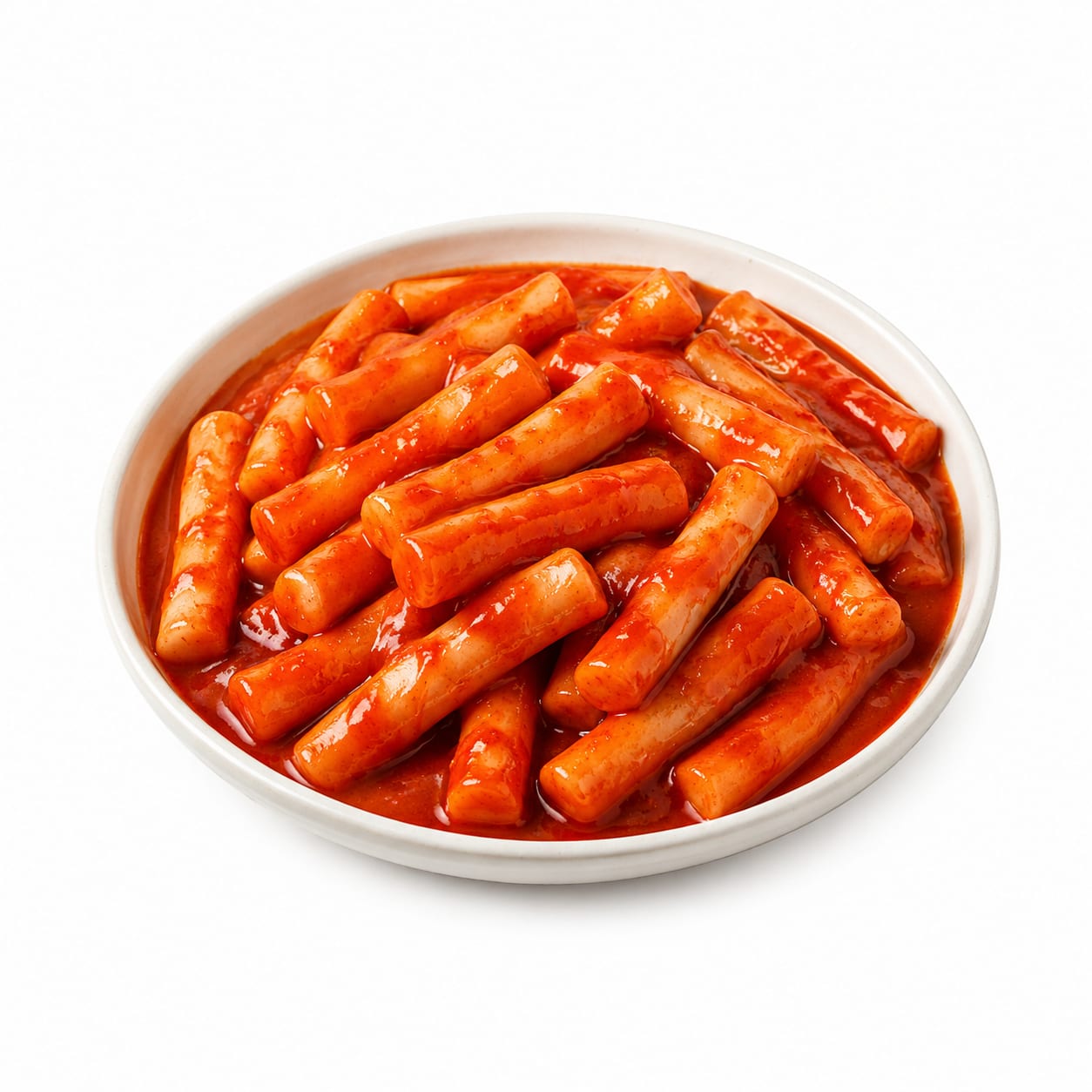
Tteokbokki
A spicy, sweet Korean street food made of chewy rice cakes and fish cakes in gochujang sauce.
A popular Korean dish consisting of small cylindrical rice cakes, fish cakes, and a sweet and spicy red chili sauce made from gochujang.
high-glycemic carbohydrate-dense street food
Typical serving · 250g
Common varieties · classic spicy, cheese tteokbokki, rose tteokbokki, jajang tteokbokki, gungjung tteokbokki
Overall context score across nutrition, safety, and diet fit
At a glance
Quick facts
Simple indicators based on nutrition, processing, and diet fit.
The story
What makes it unique
Tteokbokki is a carbohydrate-dense, high-glycemic food due to its primary ingredient, glutinous rice flour. The addition of gochujang and sugar creates a rapid digestion profile with low satiety. Fish cakes add moderate protein but are highly processed. The dish is typically high in sodium and low in dietary fiber.
Varieties: classic spicy · cheese tteokbokki · rose tteokbokki · jajang tteokbokki · gungjung tteokbokki
Per 100g
Nutrition breakdown
Macro balance and key metrics at a glance.
Energy
Density 1.65 kcal/g
Protein
Carbs
Fat
Fiber
Sugar
8 g
Sodium
650 mg
Potassium
80 mg
Glycemic index
85
Glycemic load
28
Water content
58%
Standout compounds
Nutrient highlights
Carbohydrates
highRapid energy supply
Sodium
highElectrolyte replenishment
Capsaicin
moderateMild metabolism boost from chili paste
Protein
lowMinor muscle support from fish cakes
Wellness map
Health scores & processing
NOVA processing scale
ultra-processed · Ultra-processed
Commercial tteokbokki combines processed rice cakes, ultra-processed fish cakes, and sauces with added sugars, modified starches, and preservatives.
Diet compatibility
- Weight loss
- Muscle gain
- Diabetes
- Gut health
- Low carb
- High protein
- Heart health
Relative standing
Food rankings
Qualitative ranks compared to similar whole foods.
- Satietypoor
- Blood sugarpoor
- Nutrient densitypoor
- Fitness fuelmoderate
- Processing qualitypoor
Eat with confidence
Food safety profile
Generally safe when cooked and held at proper temperatures. Fish cakes may contain trace heavy metals from seafood sourcing. Street vendor handling can introduce microbial risks if not kept hot.
Evidence confidence 85%
- Pesticideslow
- Antibioticsmoderate
- Heavy metalsmoderate
- Contaminationmoderate
Watch for
- pathogens from improper holding temperatures
- heavy metals in fish cakes
Safer choices
Homemade tteokbokki using whole grain rice cakes and unprocessed protein sources like boiled eggs or lean meat.
Prep tips
Ensure the dish is served steaming hot. Rinse rice cakes before boiling if they feel excessively sticky or dusty.
Sodium levels and food additives in commercial fish cakes and sauces.
Deep dive
Health analysis
How this food may fit different goals and preparation choices.
Weight loss
Poor choice for weight loss due to high carbohydrate density, added sugars, and low fiber content which fails to provide lasting fullness.
Blood sugar
High glycemic index and load make it unsuitable for blood sugar management. The refined carbs digest rapidly, causing sharp glucose spikes.
Fitness & energy
Can serve as a quick pre-workout carbohydrate source for high-intensity exercise, but lacks sufficient protein for recovery.
Gut health
Low fiber and high spice levels can irritate the gastrointestinal tract and offer little benefit to the gut microbiome.
Processing quality
Highly processed. Fish cakes and commercial sauces contain additives, sodium, and fillers.
Food safety
Safe when freshly cooked. Risk increases with improper holding temperatures at street stalls.
Common mistakes
Assuming the chewy texture means high fiber or slow digestion. The chewiness comes from glutinous rice, which digests quickly.
Best preparation
Boiling rice cakes thoroughly and making sauce from scratch using low-sugar gochujang, adding vegetables and lean protein.
Practical guide
Best use cases
When and how this food fits real eating patterns.
Quick pre-workout fuel
Provides fast-digesting carbohydrates for high-intensity exercise.
Occasional comfort food
Satisfies cravings for spicy, chewy street food in moderation.
High-carb refeed day
Useful for athletes needing to rapidly replenish glycogen stores.
Balance sheet
Pros & cons
Upsides
- Provides fast-digesting energy for intense activity
- Capsaicin from chili paste may temporarily boost metabolism
- Convenient and widely available as street food
- Satisfies cravings for spicy and chewy textures
Trade-offs
- Very high glycemic index causes rapid blood sugar spikes
- Low fiber leads to poor satiety
- High sodium content from sauce and fish cakes
- Contains ultra-processed ingredients like commercial fish cakes
- Added sugars contribute to empty calories
Fit check
Who is it for?
Great match
- pre-workout carbohydrate loading
- athletes on high-carb diets
- occasional comfort food cravings
Consider alternatives
- weight loss diets
- blood sugar management
- low-carb or ketogenic diets
- sodium-restricted diets
Side by side
How it compares
Open the full head-to-head analysis for nutrition, safety, and practical tradeoffs.
This food
Tteokbokki
VS85% alike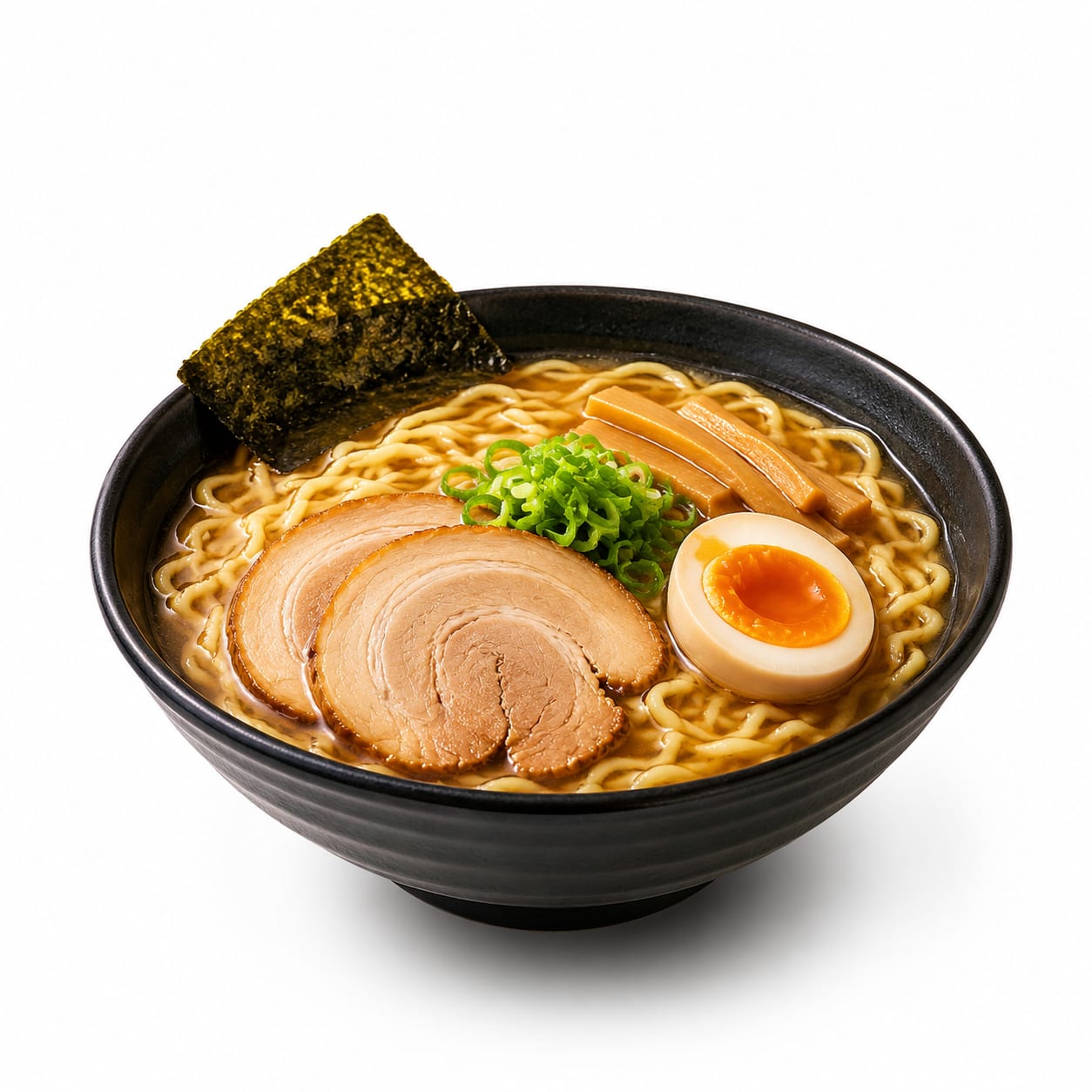
Compare with
Ramen
Ramen provides more fat and umami, while tteokbokki offers a chewy texture and higher sugar content from the sauce.
Ramen has more fat while tteokbokki has more sugar; both are poor for weight loss and blood sugar.
This food
Tteokbokki
VS80% alike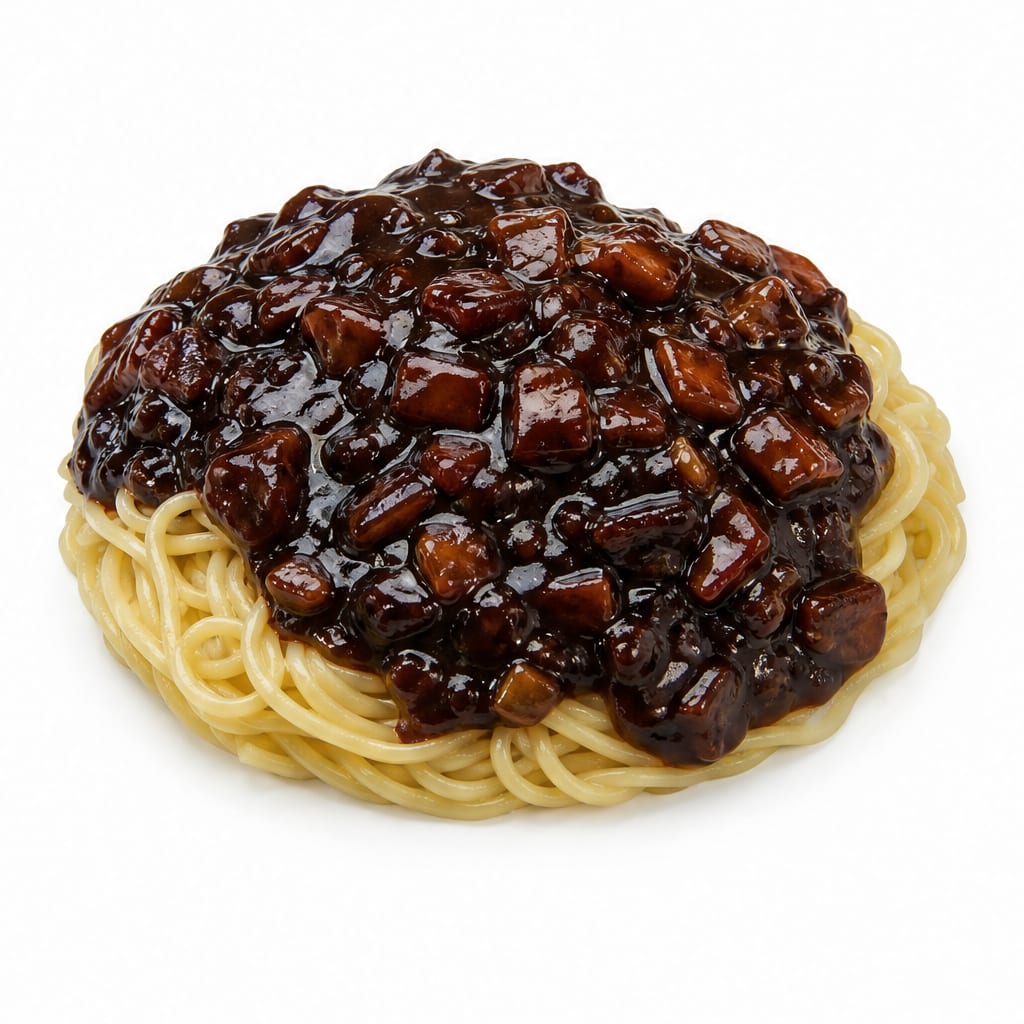
Compare with
Jajangmyeon
Jajangmyeon has more fat and fiber from black bean paste, while tteokbokki is higher in sugar and simple carbs.
Jajangmyeon has slightly better satiety and blood sugar control due to black bean paste, while tteokbokki is better for quick energy.
This food
Tteokbokki
VS70% alike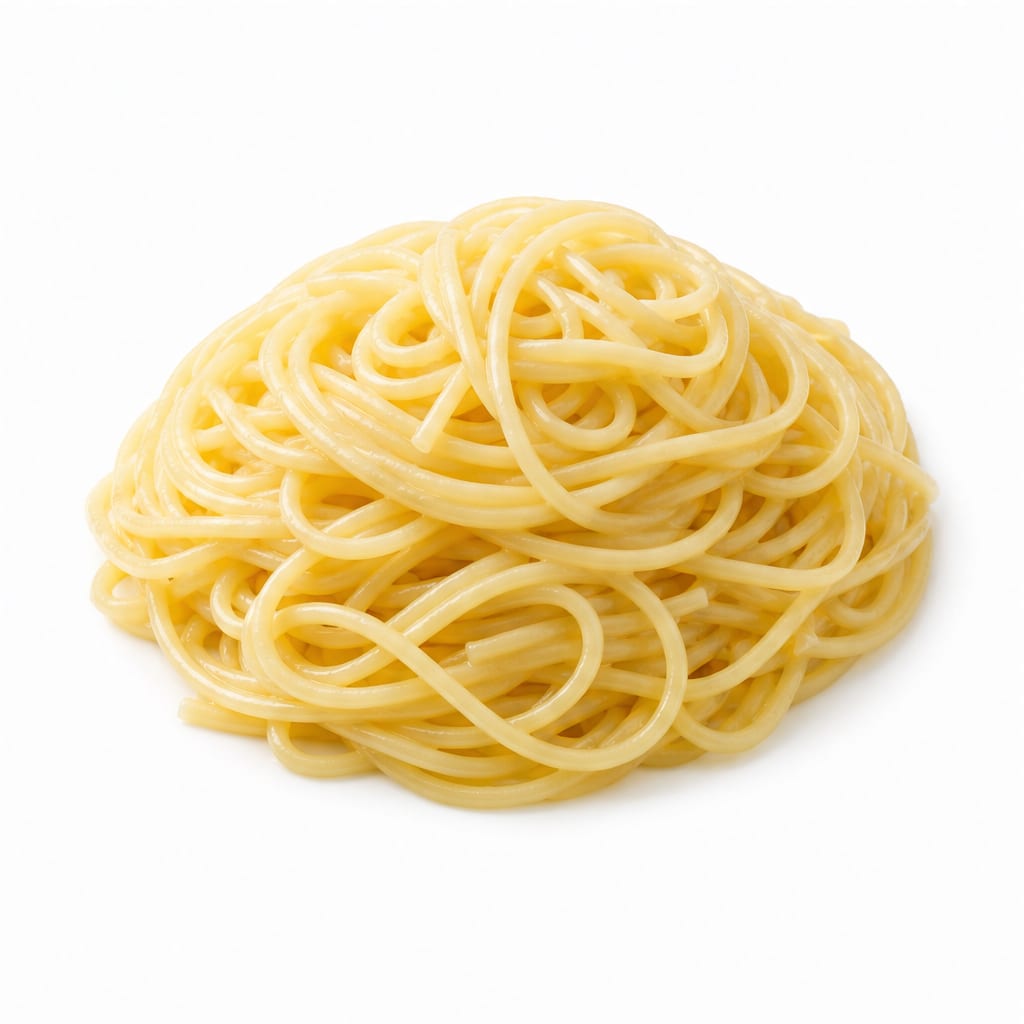
Compare with
Pasta
Pasta is typically wheat-based with moderate GI, while tteokbokki uses glutinous rice with a very high GI and sugary sauce.
Pasta offers better satiety and slower digestion compared to the rapid blood sugar spike of tteokbokki.
This food
Tteokbokki
VS75% alike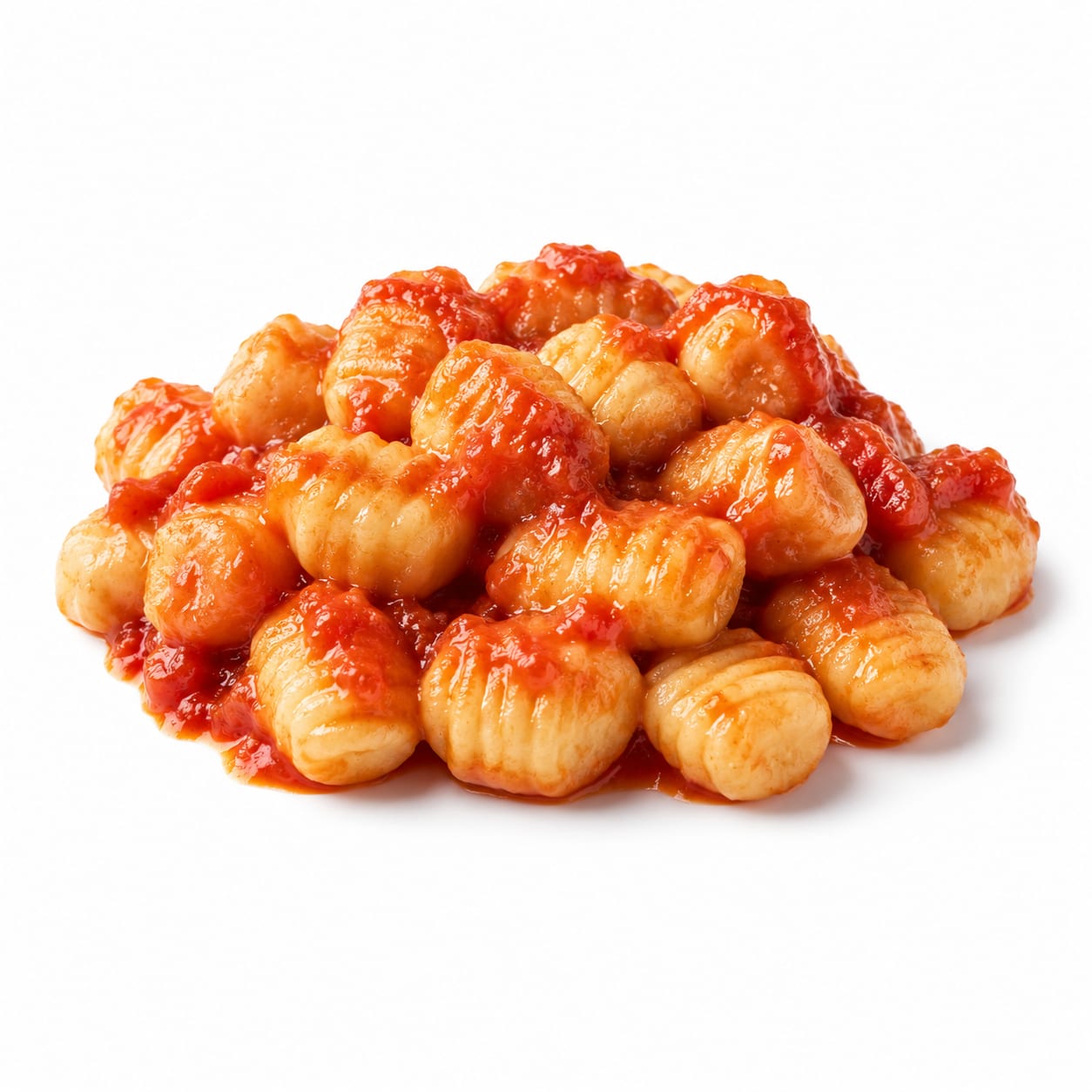
Compare with
Gnocchi
Gnocchi is potato-based with moderate GI, while tteokbokki is rice-based with high GI and spicy sauce.
Gnocchi is lower in sugar and digests slower than the high-glycemic tteokbokki.
This food
Tteokbokki
VS85% alike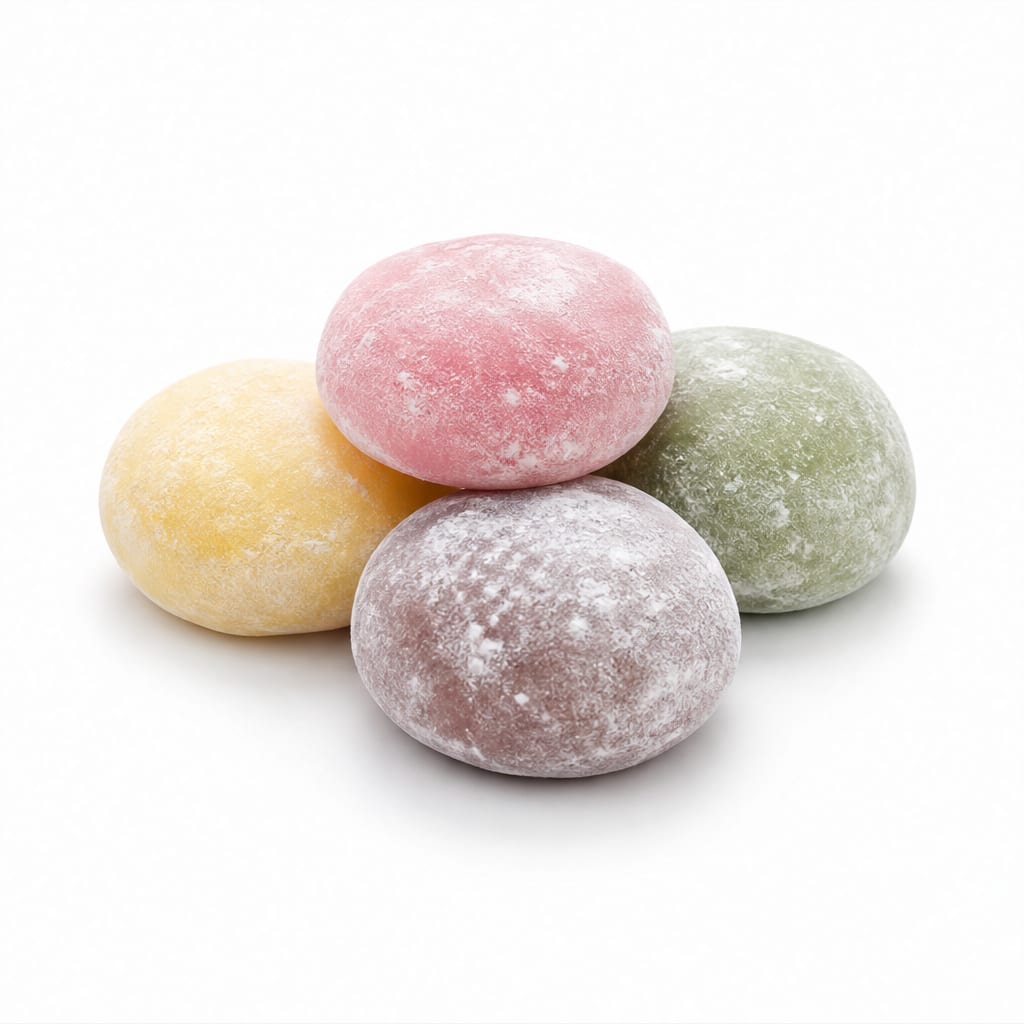
Compare with
Mochi
Mochi is sweet and dessert-like, while tteokbokki is savory and spicy, but both share the same high-GI glutinous rice base.
Both cause rapid blood sugar spikes, but tteokbokki has sodium and mochi has dessert sugars.
This food
Tteokbokki
VS70% alike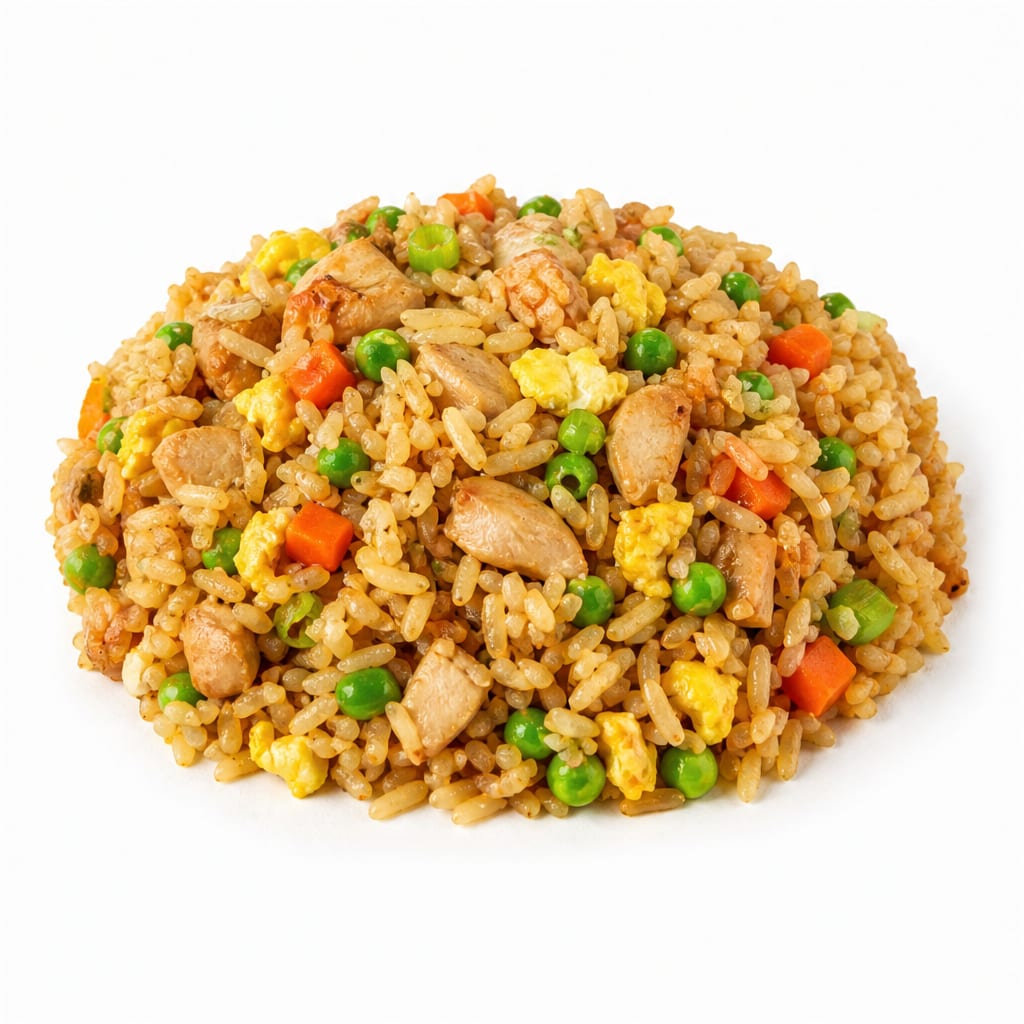
Compare with
Fried Rice
Fried rice has more fat and fiber from eggs and veggies, while tteokbokki is predominantly simple carbs and sugar.
Fried rice provides better satiety and slower digestion than the sugary, refined-carb tteokbokki.
This food
Tteokbokki
VS75% alike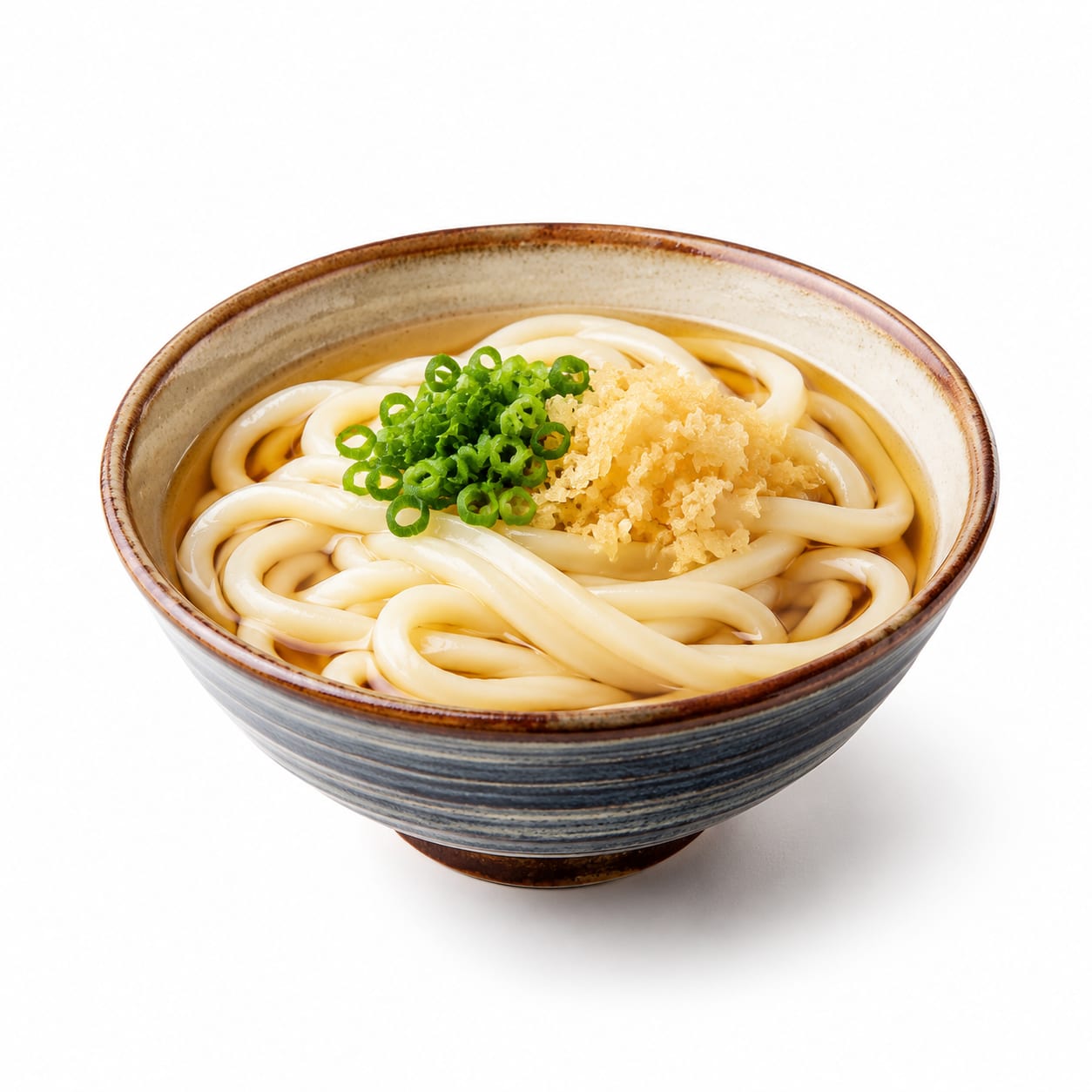
Compare with
Udon
Udon is wheat-based and typically served in broth, while tteokbokki is rice-based in a thick, sugary sauce.
Udon has a lower glycemic impact and less sugar than tteokbokki.
This food
Tteokbokki
VS60% alike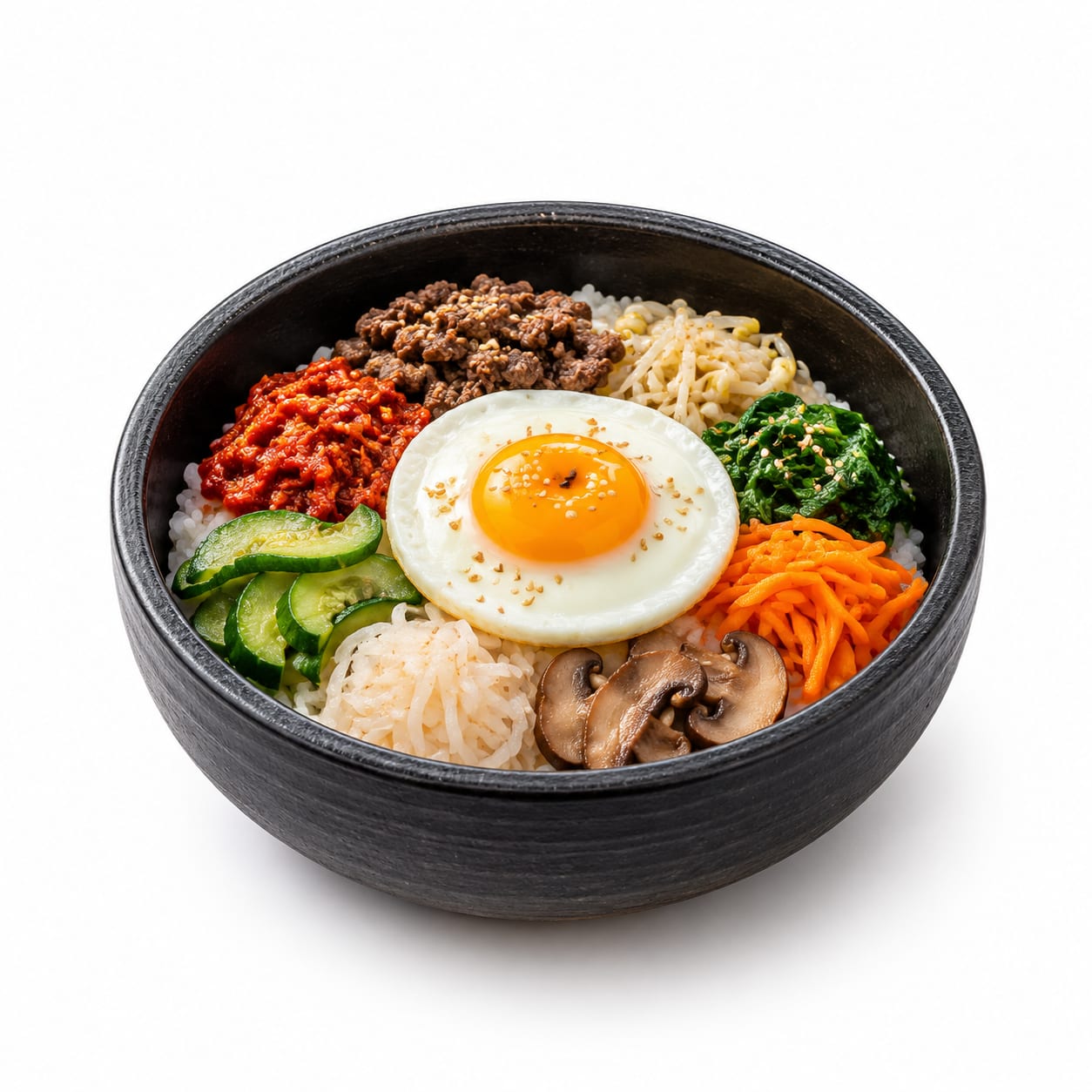
Compare with
Bibimbap
Bibimbap offers balanced macros with vegetables and protein, while tteokbokki is carb and sugar heavy.
Bibimbap is vastly superior for nutrition, satiety, and blood sugar control compared to tteokbokki.
This food
Tteokbokki
VS65% alike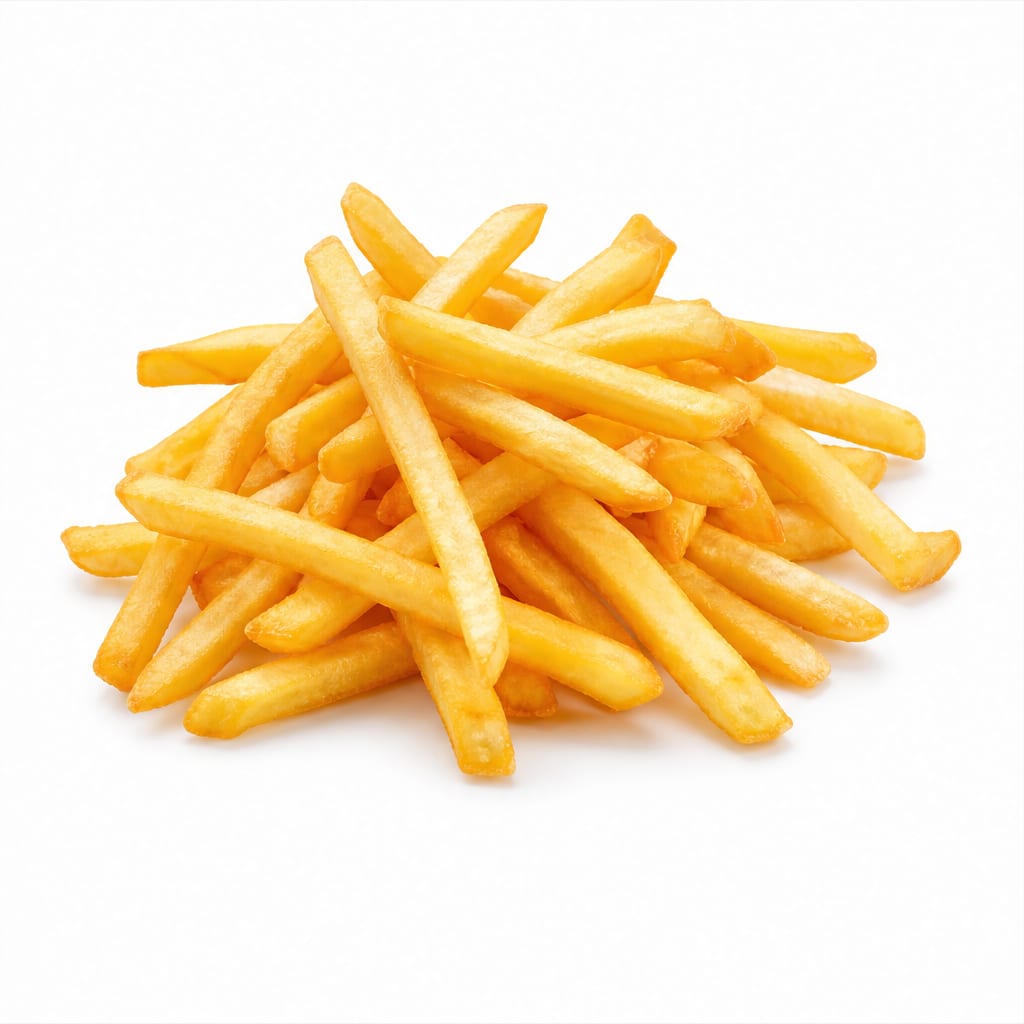
Compare with
French Fries
Fries are high in fat and salt, while tteokbokki is high in sugar and simple carbs.
Fries have more fat and satiety, while tteokbokki has more sugar; both are poor health choices.
This food
Tteokbokki
VS70% alike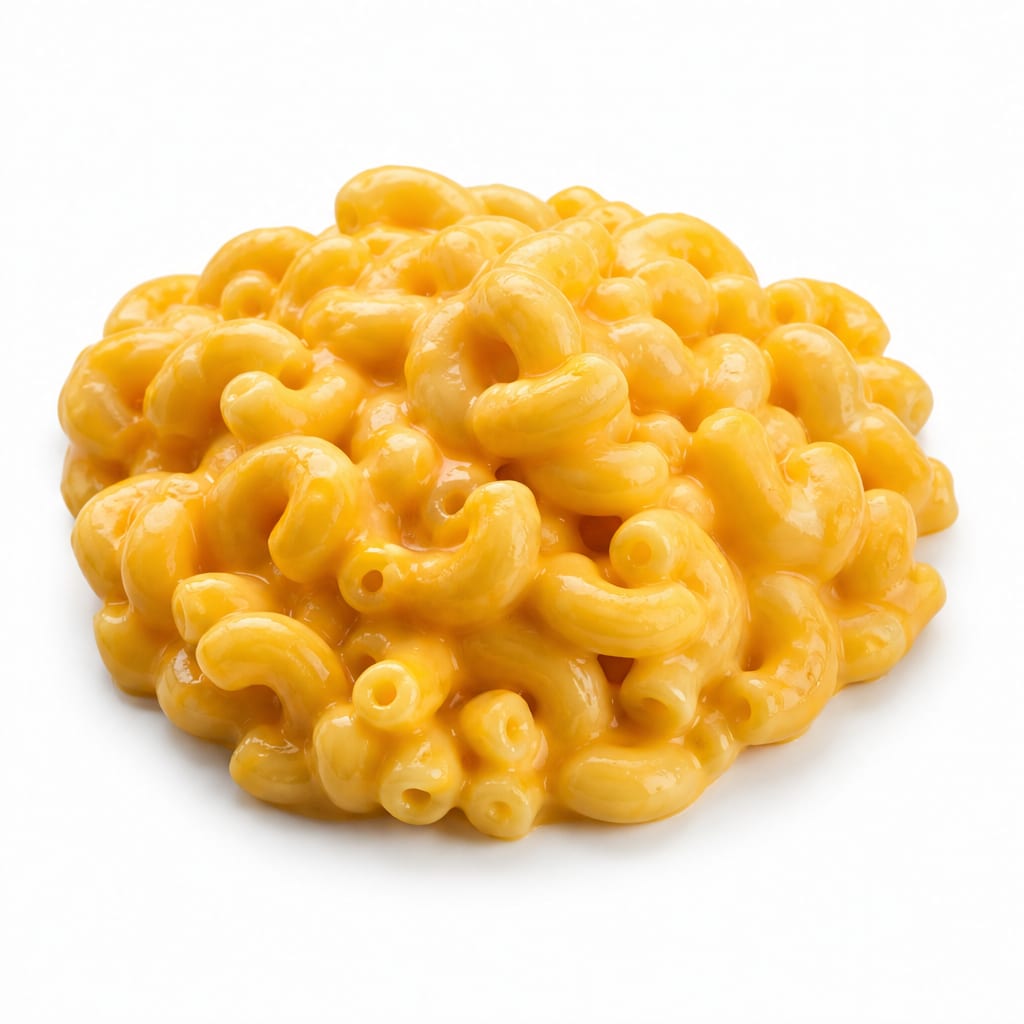
Compare with
Mac and Cheese
Mac and cheese is high in fat and dairy protein, while tteokbokki is high in simple carbs and sodium.
Mac and cheese offers more protein and satiety, while tteokbokki provides faster-digesting carbs for energy.
Common questions
FAQ
Answers aligned with how people search for this food.
Is tteokbokki good for weight loss?
No, tteokbokki is high in refined carbohydrates and sugar, making it easy to overconsume and poor for weight loss.
How many calories are in a serving of tteokbokki?
A standard 250g serving of tteokbokki contains approximately 400-450 calories, mostly from carbohydrates.
Can diabetics eat tteokbokki?
It is not recommended for diabetics due to its high glycemic index and sugar content, which cause rapid blood sugar spikes.
Is tteokbokki high in carbs?
Yes, tteokbokki is very high in carbohydrates because the main ingredient is glutinous rice flour.
Does tteokbokki have a lot of sodium?
Yes, commercial tteokbokki is high in sodium due to the gochujang sauce and processed fish cakes.
Is tteokbokki gluten-free?
Traditional tteokbokki rice cakes are gluten-free, but some commercial sauces or fish cakes may contain wheat, so check labels.
Why does tteokbokki make me hungry soon after eating?
The refined rice cakes and sugary sauce digest quickly, causing a blood sugar spike and crash that triggers hunger.
How can I make tteokbokki healthier?
Use less sugar in the sauce, add lots of vegetables, swap fish cakes for lean protein, and choose whole grain rice cakes.
Transparency
Data confidence
Estimated confidence for nutrition data, interpretation, safety notes, and comparisons.
Nutrition data
Health analysis
Food safety
Comparisons