
Nutrition comparison
Tteokbokki vs Jajangmyeon: Which Korean Comfort Food Is Healthier?
Compare Tteokbokki and Jajangmyeon nutrition, calories, protein, sodium, and blood sugar impact. Find out which Korean comfort food fits your health goals better.
Overall winner · Jajangmyeon
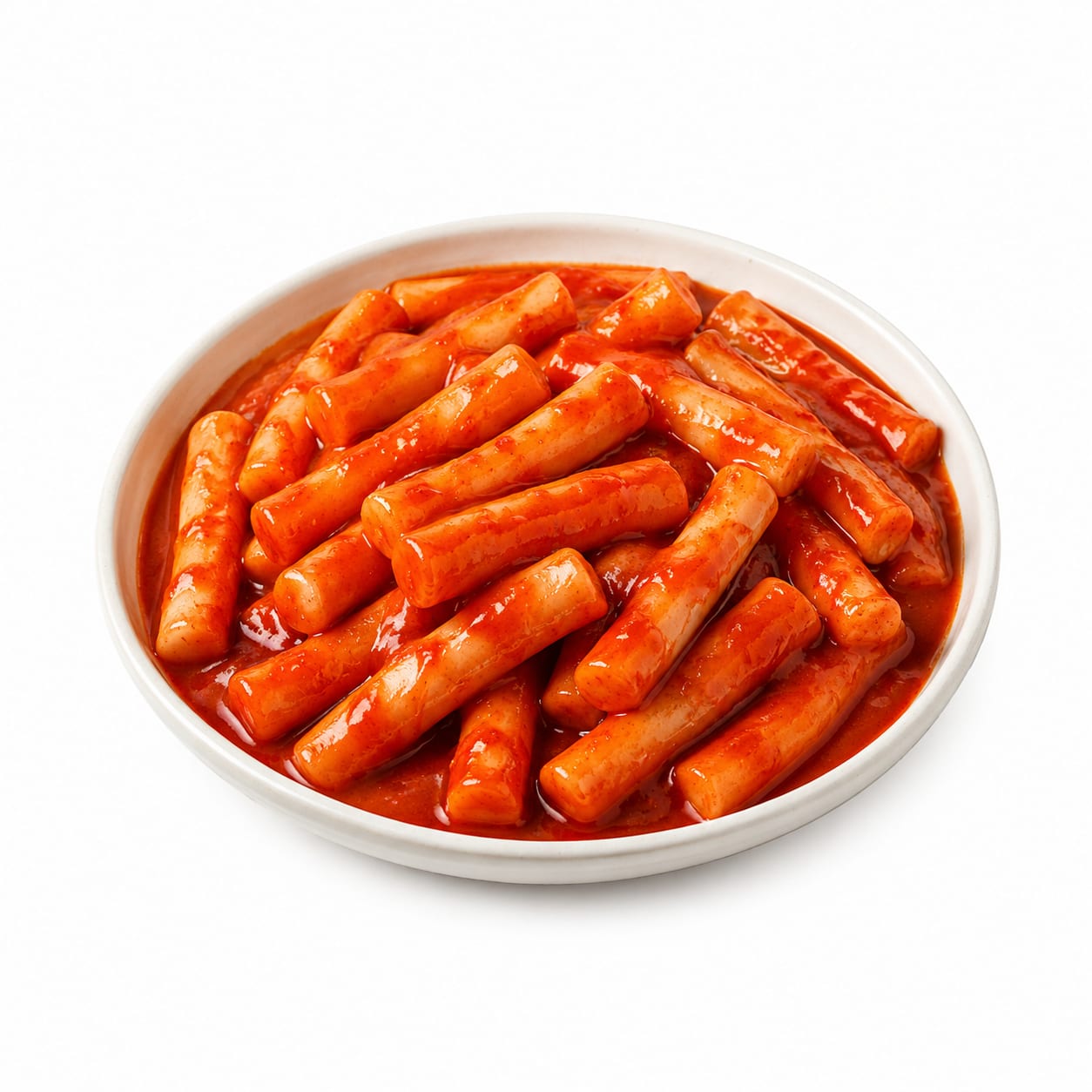
Tteokbokki
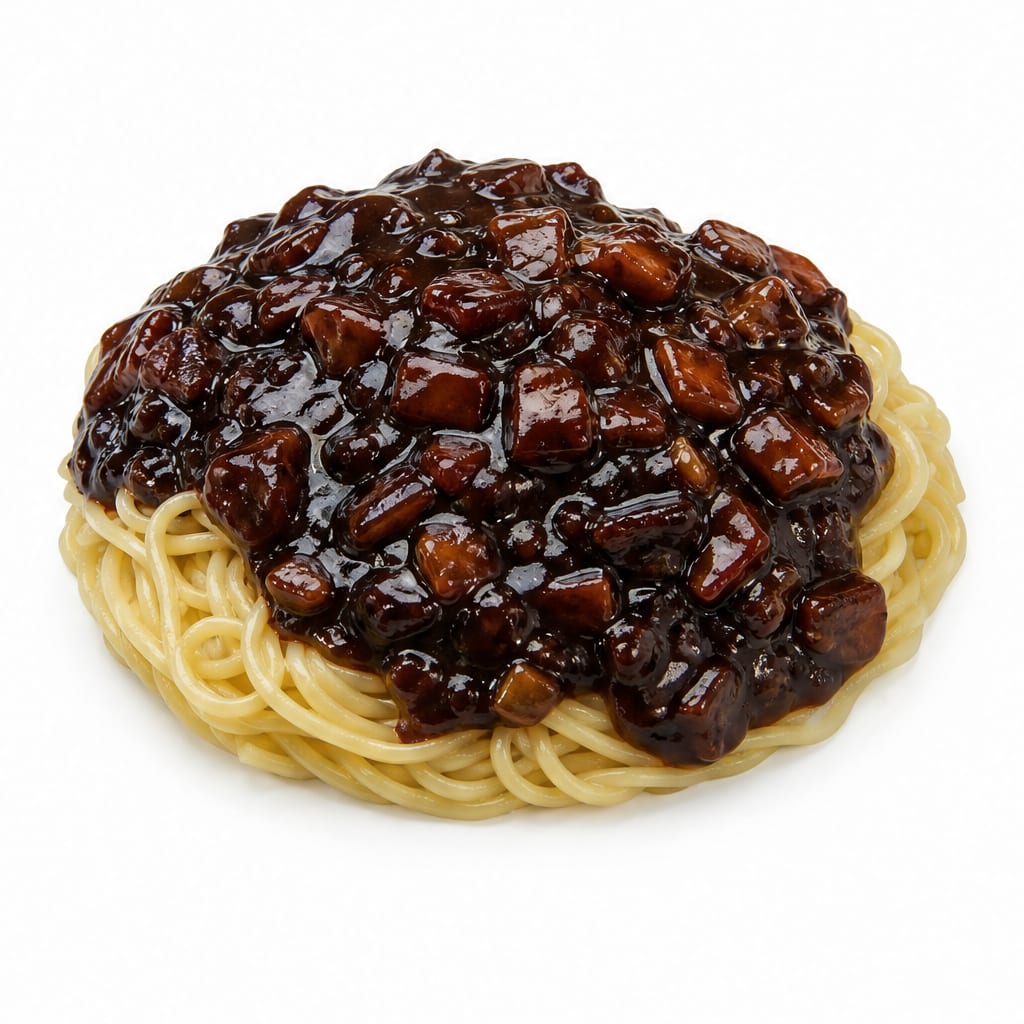
Jajangmyeon
Jajangmyeon edges ahead thanks to more protein, fat, and staying power, though both are heavy comfort meals best enjoyed moderately.
Neither dish scores well as a health food, but Jajangmyeon's protein and fat content provide more nutritional substance. Tteokbokki's near-zero protein and rapid-digesting carbs pull its score down significantly.
Tteokbokki delivers a spicy carb rush that burns fast; Jajangmyeon offers steadier satisfaction from fat and protein but packs more calories per bowl.
At a glance
Executive summary
Overall
Jajangmyeon
Healthier
Jajangmyeon
More practical
Jajangmyeon
Daily use
It depends
Key comparison lenses
comfort food nutritional tradeoff
Both are iconic Korean comfort foods people choose emotionally, not nutritionally
blood sugar and carb load comparison
Rice cakes and wheat noodles both deliver heavy carb hits but with different glycemic profiles
satiety and meal satisfaction
Users want to know which keeps them fuller longer without afternoon crashes
sodium and heart health concerns
Both dishes are sodium-heavy Korean staples with long-term health implications
everyday lunch decision
These are common competing options at Korean restaurants and delivery apps
Best choice for
Tteokbokki
- Spicy food cravings and flavor seekers
- Lighter appetite days when you want taste without a full meal
- Street food snacking and social eating
Jajangmyeon
- Longer workdays needing sustained energy
- Bigger appetites wanting real fullness
- Post-workout recovery needing protein and carbs together
Least suitable for
Tteokbokki
- Anyone managing blood sugar or insulin resistance
- Sensitive stomachs irritated by spice
- People prone to overeating chewy foods
Jajangmyeon
- Strict calorie counters watching portion sizes
- Those avoiding high-fat meals
- People sensitive to wheat or gluten
Deep comparison
Dimension by dimension
Each lens scores both foods and breaks down who each option suits.
- Dimension 1 · Priority 95Jajangmyeon
blood sugar stability
Tteokbokki · 22Jajangmyeon · 42Both spike blood sugar, but Tteokbokki's glutinous rice cakes digest faster than Jajangmyeon's wheat noodles.
Tradeoff
Tteokbokki gives a quick energy burst followed by a steeper crash; Jajangmyeon's fat and protein slow absorption slightly.
Why it matters
The difference between a 2pm energy dip and making it to dinner without snacking.
Real-world impact
After Tteokbokki, you may feel hungry again within 90 minutes. Jajangmyeon typically buys you 3-4 hours of fullness.
Tteokbokki
- Quick pre-workout energy when you need fast carbs
Better for
- Diabetics and anyone monitoring glucose
- Sedentary days with no carb demand
Worse for
Jajangmyeon
- Office lunch where afternoon focus matters
- Anyone prediabetic or insulin resistant
Better for
- Late-night eating close to bedtime
- Anyone counting strict carbs
Worse for
- Dimension 2 · Priority 90Jajangmyeon
satiety and fullness
Tteokbokki · 30Jajangmyeon · 62Jajangmyeon is significantly more filling due to its fat content, pork protein, and denser noodle base.
Tradeoff
That fullness comes with a heavier calorie load, so portion control matters more with Jajangmyeon.
Why it matters
A meal that actually satisfies prevents mindless snacking later.
Real-world impact
One bowl of Jajangmyeon can replace a full meal. Tteokbokki often leaves you reaching for something else within an hour.
Tteokbokki
- Smaller appetites who want flavor without feeling stuffed
- Grazing-style eating with friends
Better for
- Anyone trying to eat fewer meals per day
- Hunger-prone individuals
Worse for
Jajangmyeon
- Skipping dinner and needing one meal to carry you
- Physically active days requiring sustained fuel
Better for
- Light eaters who feel sluggish after heavy meals
- Hot summer days when heavy food feels oppressive
Worse for
- Dimension 3 · Priority 82Jajangmyeon
protein and muscle support
Tteokbokki · 12Jajangmyeon · 45Jajangmyeon contains pork and sometimes seafood, offering modest protein. Tteokbokki is almost entirely carbohydrate.
Tradeoff
Neither is a protein powerhouse, but Jajangmyeon at least contributes meaningfully toward daily protein targets.
Why it matters
Protein preserves muscle, supports satiety, and prevents the carb-crash cycle.
Real-world impact
A bowl of Jajangmyeon might deliver 15-20g of protein. Tteokbokki typically lands under 5g without fish cake additions.
Tteokbokki
- Carb-loading before endurance activity
Better for
- Athletes and anyone building muscle
- Older adults at risk of muscle loss
Worse for
Jajangmyeon
- Post-workout recovery meals
- Older adults needing protein with every meal
Better for
- Vegetarians and those avoiding pork
Worse for
- Dimension 4 · Priority 80It depends
sodium and heart health
Tteokbokki · 28Jajangmyeon · 30Both are high-sodium Korean staples. Tteokbokki's gochujang sauce and Jajangmyeon's fermented black bean paste both deliver heavy salt loads.
Tradeoff
Tteokbokki's sodium comes more from added salt and sauce; Jajangmyeon's comes from fermented paste which at least carries some beneficial compounds.
Why it matters
Regular high-sodium meals raise blood pressure over time, especially for salt-sensitive individuals.
Real-world impact
Either dish can deliver 1500-2500mg of sodium per serving, approaching or exceeding a full day's recommended limit in one meal.
Tteokbokki
- Slightly lower total sodium in smaller portions
Better for
- Hypertension patients
- Kidney disease management
Worse for
Jajangmyeon
- Fermented bean compounds may offer marginal gut health benefits
Better for
- Same cardiovascular risk profile
- Those on strict low-sodium diets
Worse for
- Dimension 5 · Priority 72Jajangmyeon
digestive tolerance
Tteokbokki · 28Jajangmyeon · 48Tteokbokki's intense spice and chewy rice cakes challenge sensitive stomachs. Jajangmyeon is gentler despite being heavy.
Tradeoff
Jajangmyeon's richness can cause bloating in some, but it rarely triggers the acid reflux that Tteokbokki's spice provokes.
Why it matters
A meal that hurts afterward isn't worth the flavor, no matter how good it tastes going down.
Real-world impact
Spicy Tteokbokki commonly causes heartburn or stomach discomfort within hours. Jajangmyeon may cause heaviness but rarely burning or reflux.
Tteokbokki
- People with high spice tolerance and iron stomachs
Better for
- GERD, IBS, and acid reflux conditions
- Anyone prone to stomach upset from spice
Worse for
Jajangmyeon
- Acid reflux and GERD sufferers
- Sensitive digestion that can't handle capsaicin
Better for
- Gallbladder issues triggered by high-fat meals
- Sluggish digestion that struggles with rich food
Worse for
- Dimension 6 · Priority 75Tteokbokki
calorie density and weight management
Tteokbokki · 42Jajangmyeon · 32Tteokbokki has fewer calories per serving than Jajangmyeon, but the low satiety often leads to eating more overall.
Tradeoff
Jajangmyeon packs more calories but satisfies longer. Tteokbokki seems lighter but rarely fills you up on its own.
Why it matters
Calories per meal matter less than calories per day of satisfied eating.
Real-world impact
A standard Tteokbokki portion runs 400-500 calories. Jajangmyeon typically hits 700-900 calories per bowl.
Tteokbokki
- Smaller calorie budgets per meal
- Active people who burn carbs quickly
Better for
- Mindless snacking after the meal because you're still hungry
- Underestimating total daily intake from add-ons
Worse for
Jajangmyeon
- One-meal days where a single bowl replaces multiple meals
- People who overeat when unsatisfied
Better for
- Consistent daily consumption leading to gradual weight gain
- Difficulty stopping at half portions
Worse for
Timeline
Health impact over time
Short-term
Hours to days
Tteokbokki
- Rapid blood sugar spike within 30-60 minutes
- Possible heartburn or acid reflux from capsaicin
- Quick energy burst followed by noticeable crash
- Thirst from high sodium and spice
Jajangmyeon
- Heavy fullness that may cause post-meal drowsiness
- Steadier blood sugar with slower rise and gentler decline
- Possible bloating from high fat and noodle density
- Thirst from sodium but less intense than Tteokbokki
Long-term
Months to years
Tteokbokki
- Frequent consumption risks insulin resistance from repeated glucose spikes
- High sodium intake contributes to elevated blood pressure over time
- Chronic spice exposure may irritate gastric lining with regular consumption
- Minimal protein intake offers no muscle preservation benefits
Jajangmyeon
- Regular high-calorie meals may contribute to gradual weight gain
- Sodium load similarly impacts cardiovascular health over time
- Moderate protein at least supports muscle maintenance
- Black bean paste fermentation may offer some gut microbiome benefits
Risk profile
Safety & processing
Both rely on processed core ingredients — factory-made rice cakes and commercial gochujang for Tteokbokki, refined wheat noodles and fermented black bean paste for Jajangmyeon. Neither is a whole-food meal, but neither reaches ultra-processed territory with artificial preservatives or emulsifiers in traditional preparations.
Tteokbokki
Foodborne illness from improperly stored rice cakes
mediumRice cakes can harbor Bacillus cereus if left at room temperature, a known risk with street vendor Tteokbokki held in warm pots for hours.
Excessive capsaicin exposure
lowVery spicy versions can cause gastric distress or exacerbate ulcers in susceptible individuals.
Jajangmyeon
Undercooked pork in sauce
mediumPork must be thoroughly cooked. Reputable restaurants handle this well, but home preparation carries risk if pork is not fully cooked through.
High sodium from fermented paste
mediumChunjang is salted during fermentation. Combined with cooking soy sauce, sodium levels can reach concerning amounts per serving.
Who wins for whom
Audience fit
Same foods, different winners depending on your goal.
children
JajangmyeonMilder flavor and softer texture suit kids better. Tteokbokki's spice and chewy texture can be challenging for young children.
daily consumption
It dependsNeither should be eaten daily. Both are high-sodium, high-carb comfort foods best limited to 1-2 times per week.
diabetes
JajangmyeonFat and protein slow carbohydrate absorption, creating a less severe glucose spike than Tteokbokki's rapid-digesting rice cakes.
elderly
JajangmyeonJajangmyeon's softer noodles are easier to chew than sticky rice cakes, and protein content supports age-related muscle preservation.
muscle gain
JajangmyeonPork protein and higher calorie content support muscle-building goals when combined with resistance training.
weight loss
TteokbokkiLower calories per serving, though the poor satiety means you must pair it with protein or vegetables to avoid rebound hunger.
Your move
Decision guide
Choose Tteokbokki
- You're craving something spicy and bold
- You want a lighter-calorie comfort food option
- You're sharing snacks with friends rather than eating a full meal
- You need quick energy before physical activity
Choose Jajangmyeon
- You need one meal to actually carry you through the afternoon
- You want something savory and rich without the burn
- You're recovering from exercise and need protein with your carbs
- You have a sensitive stomach that can't handle spice
Either works if
- Comfort food is the priority and nutrition is secondary today
- You're ordering Korean delivery and both sound equally appealing
- You plan to balance the meal with a side of vegetables or kimchi
Avoid both if
- You're on a strict low-sodium diet for blood pressure management
- You're managing diabetes and need low-glycemic meals
- You're counting macros and need high-protein, low-carb options
Final recommendation
For a satisfying meal that holds you over, Jajangmyeon wins. For a spicy snack with fewer calories, Tteokbokki fits better. Neither belongs in your daily rotation — save both for when comfort food genuinely matters, and always add vegetables on the side to round out the plate.
Practical
Consumer tips
- 1
Ask for Tteokbokki with added boiled eggs and fish cakes to boost protein and slow the carb crash
- 2
Order Jajangmyeon with extra vegetables mixed in to add fiber and reduce calorie density per bite
- 3
Drink plenty of water after either meal to help manage the sodium load
- 4
Consider splitting a Jajangmyeon bowl if calorie content concerns you — half a bowl is still satisfying
- 5
Street vendor Tteokbokki held in warm pots all day carries higher food safety risk than freshly made restaurant versions
- 6
If managing blood sugar, eat the protein and vegetable components first before tackling the noodles or rice cakes
- 7
Both dishes freeze and reheat poorly — order only what you'll finish to avoid waste