
Nutrition comparison
Tteokbokki vs French Fries: Which Carb Snack Is Healthier?
Compare Tteokbokki and French Fries to see which snack wins on calories, fat, blood sugar impact, and sodium. Find out which is better for your diet.
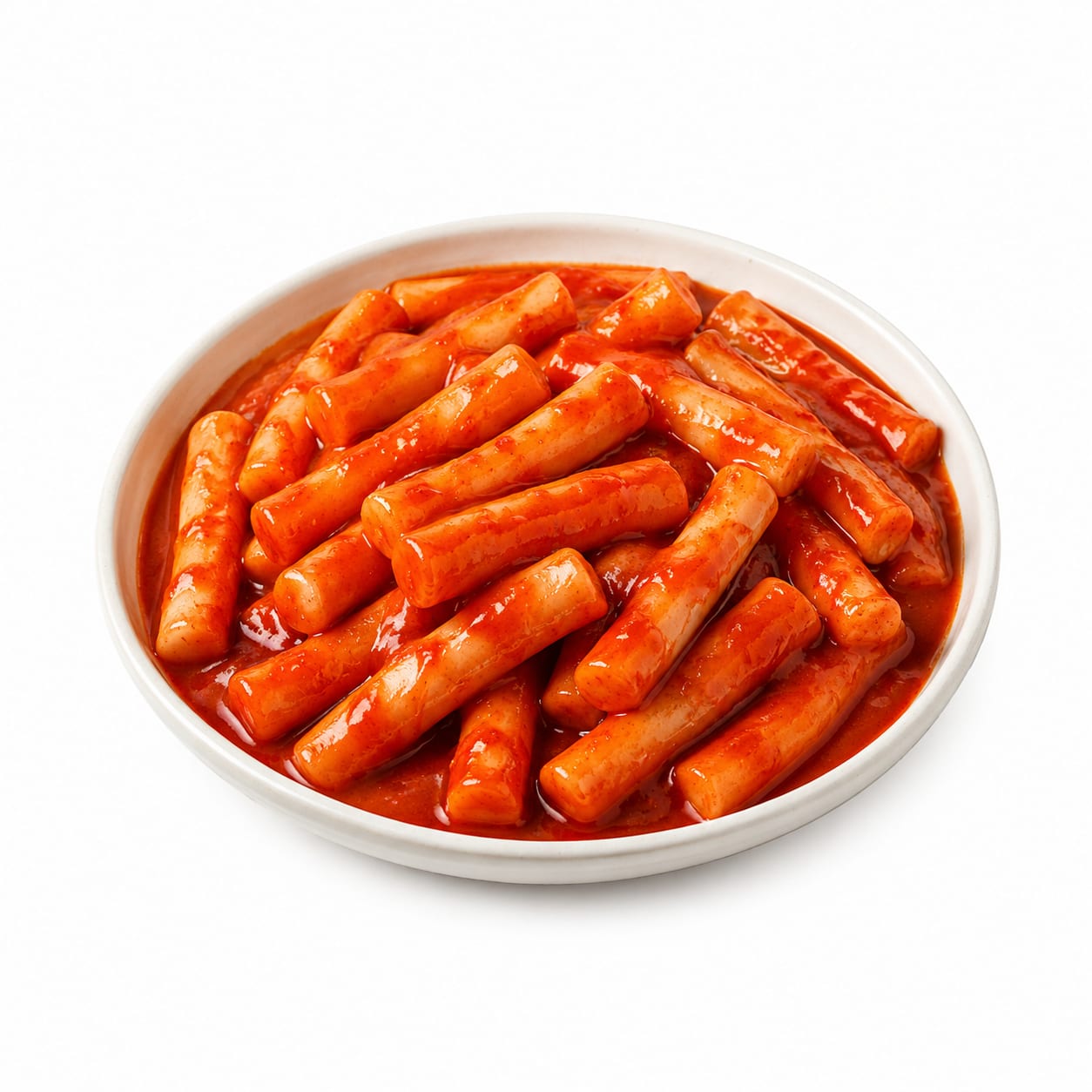
Tteokbokki
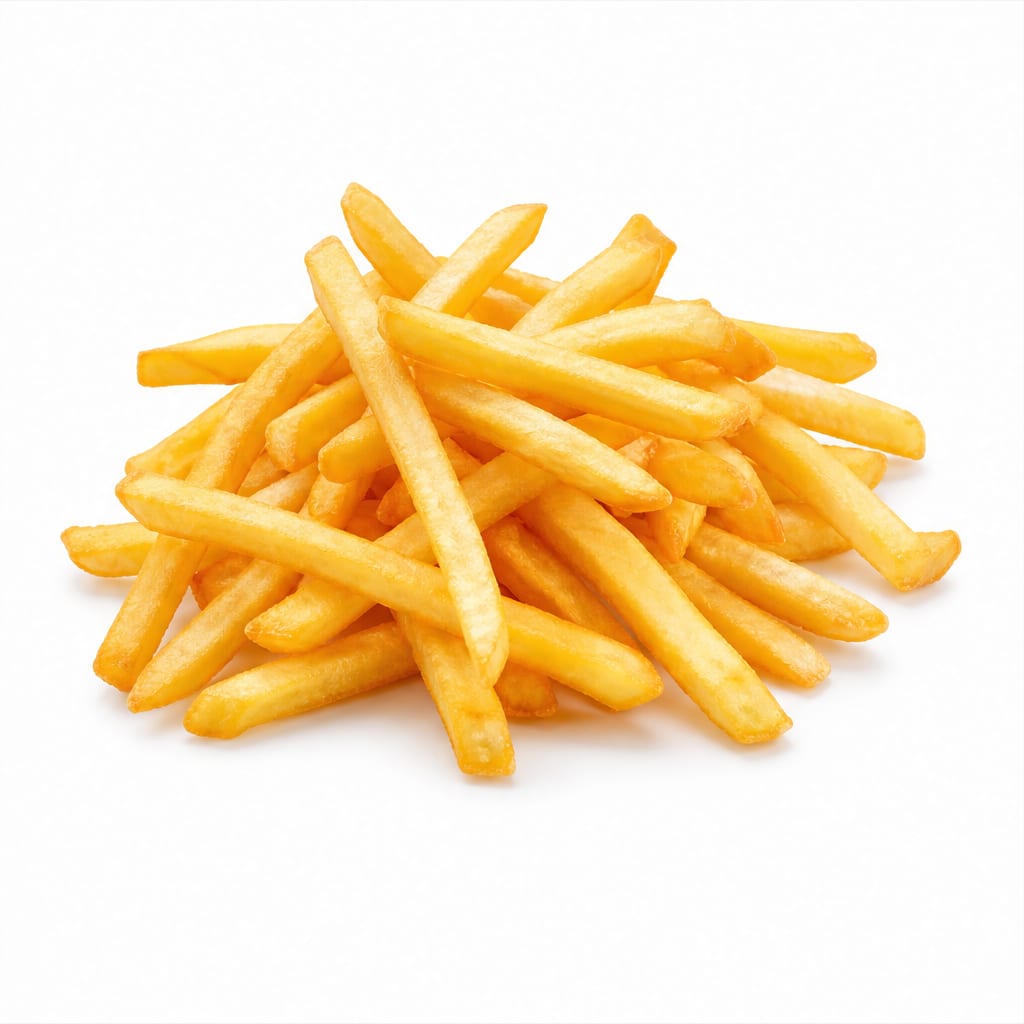
French Fries
Tteokbokki offers a spicy, lower-fat carb rush, while French Fries deliver a savory, high-fat comfort hit.
Tteokbokki scores slightly higher due to being boiled rather than deep-fried, but both are indulgent, high-glycemic snacks that should be eaten in moderation.
Choosing between the blood sugar spike of Tteokbokki's glutinous rice and the calorie-dense frying oil in French Fries.
At a glance
Executive summary
Overall
It depends
Healthier
It depends
More practical
French Fries
Daily use
It depends
Key comparison lenses
Carbohydrate density and blood sugar impact
Both Tteokbokki and French Fries are heavily carb-based, making glycemic response a primary concern.
Fat content and cooking method tradeoffs
Tteokbokki is boiled in sauce while French Fries are deep-fried, creating a stark fat and calorie density contrast.
Sodium and spice intake
Tteokbokki's gochujang sauce is extremely high in sodium and spice, while French Fries rely on salt for flavor.
Best choice for
Tteokbokki
- Those avoiding deep-fried oils and excess dietary fat
- People craving a spicy, warming comfort food
- Individuals who prefer chewy textures that slow down eating speed
French Fries
- Those who find fat helps keep them full longer
- People wanting a universally available, shareable side dish
- Individuals sensitive to very spicy foods
Least suitable for
Tteokbokki
- People with severe blood sugar control issues due to the rapid spike from glutinous rice
- Those on a strict low-sodium diet
- Individuals with sensitive stomachs who cannot tolerate spicy food
French Fries
- Anyone strictly monitoring calorie density or fat intake
- People concerned about acrylamide exposure from fried starches
- Those prone to acid reflux triggered by greasy foods
Deep comparison
Dimension by dimension
Each lens scores both foods and breaks down who each option suits.
- Dimension 1 · Priority 95French Fries
Blood Sugar Stability
Tteokbokki · 15French Fries · 25Tteokbokki causes a faster, sharper blood sugar spike than French Fries.
Tradeoff
Tteokbokki's glutinous rice cakes digest almost instantly, while the fat in French Fries slightly slows sugar absorption.
Why it matters
A massive blood sugar spike leads to an energy crash and triggers hunger again quickly.
Real-world impact
Eating Tteokbokki can leave you feeling sluggish and hungry an hour later, whereas French Fries might sustain energy slightly longer.
Tteokbokki
- Quick energy replenishment after intense, glycogen-depleting exercise
Better for
- People with insulin resistance or diabetes
- Those prone to afternoon energy crashes
Worse for
French Fries
- Slightly steadier energy curve if eaten as part of a meal with protein
Better for
- Sedentary individuals consuming a massive portion
Worse for
- Dimension 2 · Priority 90Tteokbokki
Fat and Calorie Density
Tteokbokki · 60French Fries · 25Tteokbokki is significantly lower in fat and calories per serving than French Fries.
Tradeoff
You avoid the deep-frying oil with Tteokbokki, but you miss out on the satiety that dietary fat provides.
Why it matters
Lower fat content makes it easier to stay within daily calorie limits, but may leave you less full.
Real-world impact
A standard portion of Tteokbokki feels lighter in the stomach, while an equivalent portion of French Fries feels heavy and greasy.
Tteokbokki
- Those tracking overall calorie intake
- People avoiding greasy or heavy feelings after eating
Better for
- People who need lasting fullness from a snack
Worse for
French Fries
- Individuals who need a high-calorie option to feel satisfied
- Those following a higher-fat, lower-carb approach
Better for
- Anyone trying to lose weight or reduce body fat
Worse for
- Dimension 3 · Priority 85It depends
Sodium and Heart Health
Tteokbokki · 20French Fries · 30Both are sodium bombs, but Tteokbokki's sauce is exceptionally salty.
Tradeoff
Tteokbokki delivers a massive sodium hit through its savory-sweet gochujang sauce, while French Fries rely on surface salt.
Why it matters
High sodium intake leads to bloating and raises blood pressure over time.
Real-world impact
Eating either snack can make you feel puffy and thirsty the next day, but Tteokbokki often packs a larger sodium punch per bite.
Tteokbokki
- Situations where you can control the amount of sauce added
Better for
- People with hypertension or salt sensitivity
- Those prone to bloating and water retention
Worse for
French Fries
- Ordering without added salt to drastically reduce sodium
Better for
- Those who eat heavily salted fast-food versions
Worse for
- Dimension 4 · Priority 80Tteokbokki
Satiety and Eating Speed
Tteokbokki · 65French Fries · 55Tteokbokki's chewy texture forces you to eat slower, which can improve fullness signals.
Tradeoff
The physical effort of chewing Tteokbokki slows consumption, while French Fries are easy to mindlessly overeat.
Why it matters
Eating speed directly impacts how much you consume before your brain registers fullness.
Real-world impact
You are more likely to stop eating Tteokbokki when you are full, whereas you might accidentally finish a giant basket of French Fries.
Tteokbokki
- Mindful eaters who benefit from a food's physical texture slowing them down
Better for
- People with dental or jaw issues making chewy foods uncomfortable
Worse for
French Fries
- Those eating on a tight timeline who need to consume calories quickly
Better for
- People who struggle with portion control
Worse for
Timeline
Health impact over time
Short-term
Hours to days
Tteokbokki
- Rapid blood sugar spike followed by an energy crash
- Potential stomach irritation from spicy gochujang sauce
- Immediate feeling of fullness from the dense, chewy rice cakes
French Fries
- Heavy, sluggish feeling from the high fat content
- Quick satisfaction from the salt and fat combination
- Thirst and mild bloating from high salt intake
Long-term
Months to years
Tteokbokki
- Increased risk of insulin resistance from frequent high-glycemic meals
- Elevated blood pressure if consumed regularly due to high sodium
- Potential weight gain if portions are not controlled
French Fries
- Increased cardiovascular risk from trans fats and oxidized cooking oils
- Weight gain due to the extreme calorie density of deep-fried foods
- Potential inflammatory effects from high omega-6 seed oils
Risk profile
Safety & processing
Tteokbokki uses refined rice flour and often includes processed fish cakes and preservatives in the sauce. French Fries are a whole vegetable stripped of its skin and deep-fried, often containing preservatives or flavor enhancers in fast-food settings.
Tteokbokki
High sodium overload
highThe gochujang sauce and added broth can push sodium levels dangerously high for sensitive individuals.
Spicy food gastrointestinal distress
mediumThe capsaicin in the sauce can cause heartburn or stomach upset in those unaccustomed to spicy food.
French Fries
Acrylamide exposure
highDeep-frying starchy potatoes at high temperatures creates acrylamide, a potential carcinogen.
Oxidized and trans fats
highFrying in reused or low-quality oils introduces inflammatory compounds and trans fats.
Who wins for whom
Audience fit
Same foods, different winners depending on your goal.
children
French FriesFrench Fries are milder and more universally accepted by kids, whereas Tteokbokki's intense spice is often rejected by young palates.
daily consumption
It dependsNeither should be eaten daily, but if forced, a small portion of Tteokbokki avoids the daily burden of deep-fried oils.
diabetes
French FriesThe fat in French Fries slows down the absorption of carbohydrates slightly compared to the near-instant digestion of Tteokbokki's glutinous rice, though both are poor choices.
elderly
French FriesFrench Fries are much easier to chew than the dense, sticky rice cakes in Tteokbokki, which can be a choking hazard or jaw strain for older adults.
muscle gain
French FriesFrench Fries offer a higher calorie surplus and slightly more potassium, which can help with muscle cramping, though neither is a good protein source.
weight loss
TteokbokkiTteokbokki is lower in calories and fat, making it easier to fit into a calorie deficit, provided you control the portion.
Your move
Decision guide
Choose Tteokbokki
- You want a spicy, comforting snack without the heavy grease of deep-frying
- You are watching your fat intake but still want something flavorful
- You prefer foods that make you chew, helping you eat more mindfully
Choose French Fries
- You want a savory, salty side that provides a feeling of lasting fullness from fat
- You are sharing food with kids or people who avoid spicy food
- You need something easy to chew and digest quickly
Either works if
- You are simply craving a high-carb comfort food and plan to balance it with a lean protein and vegetables later
- You are eating after a long, physically exhausting day
Avoid both if
- You are managing diabetes or severe insulin resistance
- You are on a strict low-sodium or heart-healthy diet
- You are looking for a nutrient-dense, energizing snack
Final recommendation
Choose Tteokbokki when you want bold spice and a chewy, lower-fat experience, and pick French Fries when you crave savory, fatty comfort. For both, portion control is essential to avoid the blood sugar rollercoaster and sodium bloat.
Practical
Consumer tips
- 1
Add boiled eggs and vegetables to Tteokbokki to increase protein and fiber, which softens the blood sugar spike.
- 2
Ask for French Fries to be cooked in healthier oils or bake them at home to drastically reduce acrylamide and trans fat risks.
- 3
Drink plenty of water after eating either snack to help flush out the high sodium content.
- 4
Share a single portion of Tteokbokki or French Fries with a friend to satisfy the craving without overconsuming calories or carbs.