
Nutrition comparison
Tteokbokki vs Pasta: Which Carb Is Better for Energy, Weight Loss, and Daily Eating?
Compare Tteokbokki and Pasta on blood sugar impact, sodium, protein, and satiety. Find out which carb staple keeps you full longer and fits your health goals.
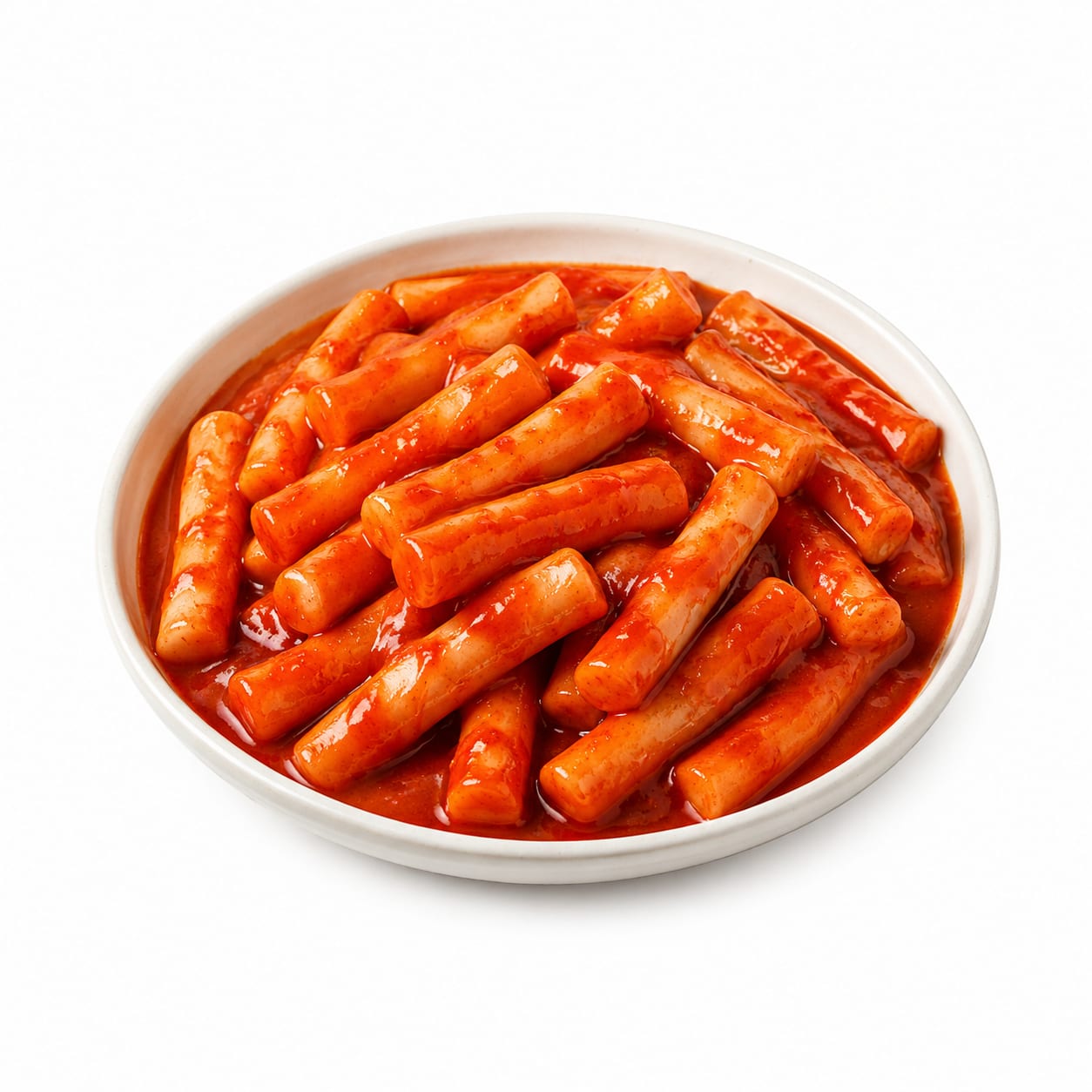
Tteokbokki
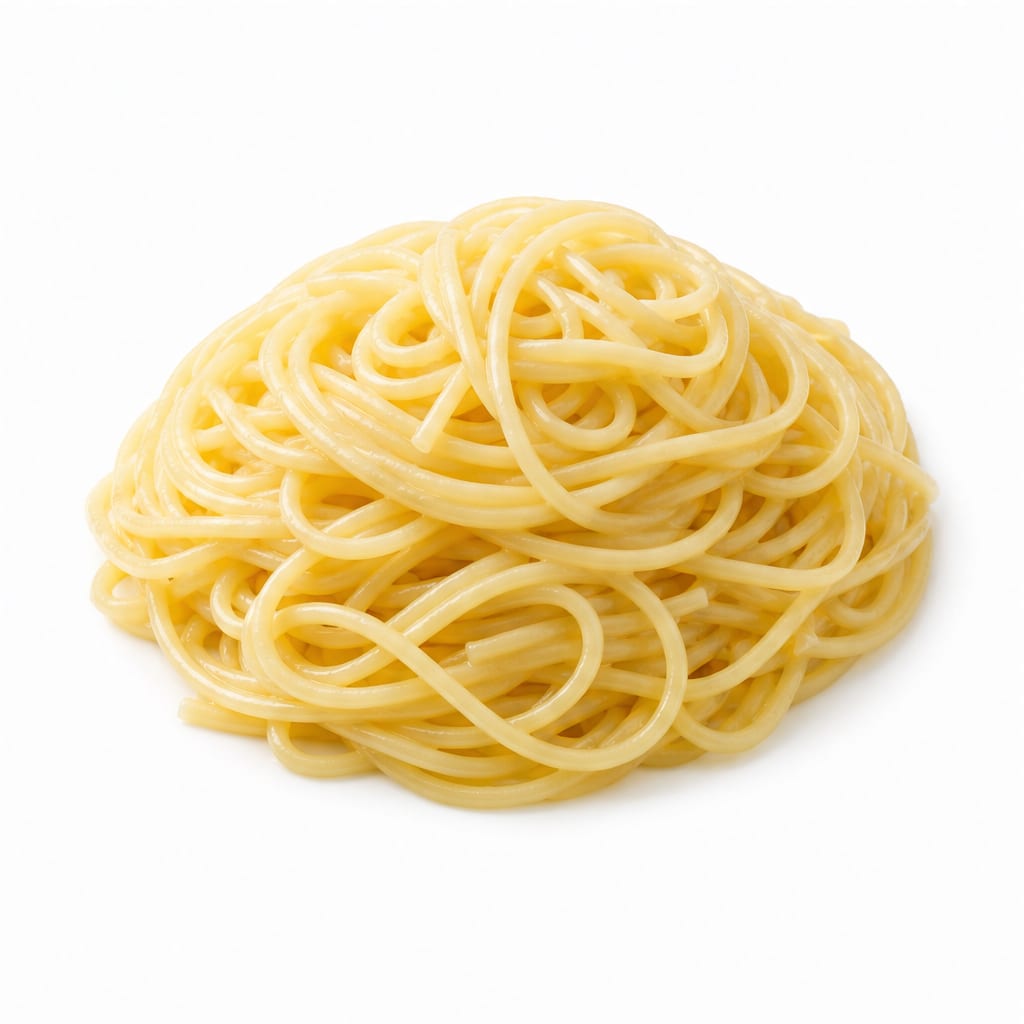
Pasta
Pasta offers steadier energy and more meal flexibility, while Tteokbokki delivers a unique comforting chew but hits your blood sugar harder.
Pasta scores higher due to better blood sugar stability, lower sodium, and superior versatility. Tteokbokki loses ground on glycemic impact and sodium load but remains a valid occasional comfort choice.
Tteokbokki is more exciting and satisfying in the moment, but Pasta is easier on your metabolism and more adaptable to different health goals.
At a glance
Executive summary
Overall
It depends
Healthier
Pasta
More practical
Pasta
Daily use
Pasta
Key comparison lenses
blood sugar and glycemic impact
Both are carb-heavy staples but Tteokbokki's rice flour spikes blood sugar faster than wheat-based pasta
satiety and lasting fullness
Users choosing between these want to know which keeps them full longer without crashing
sodium and sauce impact
Tteokbokki's gochujang sauce is extremely high in sodium compared to typical pasta preparations
versatility and meal customization
Pasta adapts to countless sauces and proteins while Tteokbokki is more rigid in preparation
everyday practicality and accessibility
Pasta is globally available and easy to cook; Tteokbokki requires specific ingredients
Best choice for
Tteokbokki
- Craving something spicy and chewy
- Need a quick comfort food fix
- Want Korean street food experience at home
- Looking for a gluten-free carb option
Pasta
- Steady energy for hours without crashing
- Meal prepping for the week
- Building a balanced plate with protein and veggies
- Managing blood sugar or weight
Least suitable for
Tteokbokki
- People with diabetes or insulin resistance
- Anyone watching sodium intake
- Those prone to afternoon energy crashes
- People seeking high-protein meals
Pasta
- Those avoiding wheat or gluten
- People wanting bold spicy flavors without extra effort
- Anyone bored with bland meals and needing excitement to eat well
Deep comparison
Dimension by dimension
Each lens scores both foods and breaks down who each option suits.
- Dimension 1 · Priority 95Pasta
Blood Sugar Stability
Tteokbokki · 25Pasta · 60Tteokbokki's rice cakes cause rapid blood sugar spikes; pasta digests more slowly especially when al dente.
Tradeoff
You get faster energy from Tteokbokki but crash harder. Pasta gives you a slower burn that lasts longer.
Why it matters
Frequent blood sugar spikes lead to cravings, fatigue, and long-term metabolic strain.
Real-world impact
Eat Tteokbokki at lunch and you may be starving by 2pm. Pasta with olive oil and chicken keeps you steady until dinner.
Tteokbokki
- Quick pre-workout fuel when you need fast carbs
Better for
- Anyone prone to reactive hypoglycemia
- Late-night eating when you want stable sleep
Worse for
Pasta
- Sustained focus through a long workday
- Avoiding the 3pm energy crash
- Managing prediabetes or insulin resistance
Better for
- Moments when you need immediate energy replenishment
Worse for
- Dimension 2 · Priority 88Pasta
Sodium Load
Tteokbokki · 20Pasta · 65Tteokbokki's gochujang sauce packs massive sodium; plain pasta with light sauce is far gentler.
Tradeoff
The bold spicy flavor of Tteokbokki comes with a sodium cost that pasta simply does not carry.
Why it matters
High sodium drives bloating, thirst, blood pressure spikes, and long-term cardiovascular risk.
Real-world impact
A single Tteokbokki serving can hit 1500mg sodium. That is over half your daily limit in one sitting.
Tteokbokki
- Post-sweat repletion when you actually need salt
Better for
- Anyone with high blood pressure
- People who already eat processed foods regularly
Worse for
Pasta
- Managing hypertension
- Reducing morning puffiness and bloating
- Eating multiple carb meals per day without sodium stacking
Better for
- Endurance athletes who genuinely need electrolyte replenishment
Worse for
- Dimension 3 · Priority 82Pasta
Protein and Nutritional Value
Tteokbokki · 30Pasta · 55Plain pasta has more protein than rice cakes, and pasta dishes more easily incorporate protein-rich add-ins.
Tradeoff
Tteokbokki is harder to turn into a complete meal without significantly altering the dish.
Why it matters
Protein is essential for satiety, muscle maintenance, and preventing carb-heavy meals from leaving you hungry.
Real-world impact
A bowl of Tteokbokki leaves you full for 90 minutes. Pasta with ground turkey and spinach keeps you satisfied for 4 hours.
Tteokbokki
- Light snacking when you do not want a heavy meal
Better for
- Athletes or active people needing protein
- Anyone trying to eat fewer but more satisfying meals
Worse for
Pasta
- Building a balanced plate around carbs
- Post-workout recovery meals
- Getting enough protein without supplements
Better for
- Those who find high-protein meals too heavy
Worse for
- Dimension 4 · Priority 80Pasta
Versatility and Meal Building
Tteokbokki · 30Pasta · 90Pasta is a blank canvas for any cuisine or dietary need. Tteokbokki is a specific dish with limited variation.
Tradeoff
Pasta can be healthy or indulgent depending on what you add. Tteokbokki is always Tteokbokki.
Why it matters
Versatility determines whether a food supports long-term healthy eating or becomes a one-note indulgence.
Real-world impact
You can eat pasta five days a week with different sauces and never get bored. Tteokbokki gets repetitive fast.
Tteokbokki
- When you specifically crave that chewy spicy experience
Better for
- Households with varied taste preferences
- Anyone meal prepping for the whole week
Worse for
Pasta
- Meal prepping diverse weekly menus
- Adapting meals for picky eaters or different diets
- Using whatever ingredients are in your fridge
Better for
- Those who want a quick no-decision meal
Worse for
- Dimension 5 · Priority 75It depends
Comfort and Satisfaction
Tteokbokki · 80Pasta · 70Tteokbokki delivers intense spicy chewy satisfaction that pasta rarely matches. Pasta offers a different cozy warmth.
Tradeoff
Tteokbokki is more exciting per bite but less soothing. Pasta is mellow comfort that never overwhelms.
Why it matters
Emotional satisfaction determines whether you stick with a food or binge on junk later seeking fulfillment.
Real-world impact
When you are stressed and craving bold flavors, Tteokbokki scratches an itch pasta cannot reach.
Tteokbokki
- Stress eating when you need intense flavor
- Breaking out of a food rut
- Social eating and sharing with friends
Better for
- Sensitive stomachs that cannot handle spice
- Late-night eating when heat disrupts sleep
Worse for
Pasta
- Sick days when you need gentle nourishment
- Cozy nights when you want warmth without spice
- Comfort without digestive irritation
Better for
- Adventurous eaters bored by plain flavors
Worse for
- Dimension 6 · Priority 70Pasta
Digestive Tolerance
Tteokbokki · 35Pasta · 65Tteokbokki's spice and chewiness can irritate sensitive stomachs. Pasta is generally easier to digest.
Tradeoff
The satisfying chew of rice cakes requires more digestive effort than softer cooked pasta.
Why it matters
Digestive discomfort undermines nutrition regardless of how healthy a food looks on paper.
Real-world impact
Eat Tteokbokki before bed and you may feel heavy and reflux-prone. Pasta with light sauce sits gently.
Tteokbokki
- Those with robust digestion who enjoy spicy food
Better for
- Anyone with IBS or spice sensitivity
- People prone to heartburn
Worse for
Pasta
- People with acid reflux or GERD
- Recovery meals after stomach illness
- Eating before physical activity
Better for
- Those with gluten sensitivity or celiac disease
Worse for
Timeline
Health impact over time
Short-term
Hours to days
Tteokbokki
- Rapid blood sugar spike followed by a crash within 1-2 hours
- Immediate satisfaction from spicy chewy texture
- Possible bloating from high sodium and sticky rice
- Thirst and water retention from salt-heavy sauce
Pasta
- Steady energy release especially when eaten al dente
- Mild fullness that builds gradually
- Minimal sodium impact if sauce is light
- Comforting warmth without digestive irritation
Long-term
Months to years
Tteokbokki
- Frequent consumption may worsen insulin sensitivity due to high glycemic load
- High sodium intake increases cardiovascular risk over time
- Low protein content may not support muscle maintenance with aging
- Possible weight gain if eaten as a regular meal without protein additions
Pasta
- Regular pasta consumption is manageable within a balanced diet
- Whole wheat versions improve fiber intake and gut health
- Portion control remains important for weight management
- Versatility makes it easier to maintain long-term healthy eating patterns
Risk profile
Safety & processing
Both are processed from whole grains into refined forms. Tteokbokki's sauce often contains added sugar, preservatives, and flavor enhancers, while dried pasta is typically just semolina and water.
Tteokbokki
High sodium from gochujang sauce
mediumA single serving can contain 1000-1800mg sodium, which is problematic for those with hypertension or kidney issues.
Potential allergens in fish cakes
mediumMany Tteokbokki recipes include fish cakes containing hidden seafood and wheat allergens.
Choking hazard from chewy texture
lowThe sticky chewy rice cakes can be a choking risk for young children or elderly with swallowing difficulties.
Pasta
Gluten exposure for celiac individuals
highStandard wheat pasta is strictly off-limits for anyone with celiac disease or gluten intolerance.
Cross-contamination with allergens in packaged pasta
lowSome facilities process pasta alongside eggs and nuts, posing risks for highly allergic individuals.
Sauce-dependent risks
lowPasta itself is low-risk but cream-based or processed sauces can introduce sodium and preservative concerns.
Who wins for whom
Audience fit
Same foods, different winners depending on your goal.
children
PastaPasta is easier for kids to eat and digest. Tteokbokki's spice level and chewy texture can be challenging and pose a mild choking risk for young children.
daily consumption
PastaPasta's lower sodium, better blood sugar profile, and meal versatility make it more sustainable as a daily staple without health tradeoffs stacking up.
diabetes
PastaPasta especially whole wheat or al dente has a lower glycemic index. Tteokbokki's rice flour causes rapid glucose spikes that are dangerous for blood sugar management.
elderly
PastaPasta is softer and easier to chew and digest. Tteokbokki's sticky chewiness and high sodium are concerns for older adults with dental or cardiovascular issues.
muscle gain
PastaPasta pairs naturally with protein sources like chicken, lean beef, or legumes. Tteokbokki is harder to build into a high-protein meal.
weight loss
PastaPasta can be portioned easily and paired with lean protein and vegetables for a filling low-calorie meal. Tteokbokki's high glycemic load triggers hunger sooner.
Your move
Decision guide
Choose Tteokbokki
- You are craving bold spicy flavors and nothing else will satisfy you
- You need a gluten-free carb option and can tolerate the sodium
- You are sharing a fun social meal and want something exciting
- You had an intense workout and need quick carb replenishment
Choose Pasta
- You want steady energy for hours without crashing
- You are meal prepping or cooking for the whole week
- You need a base that adapts to any protein, vegetable, or sauce
- You are managing blood sugar, weight, or sodium intake
Either works if
- You just want a comforting carb meal and both are available
- You plan to add lots of vegetables and protein regardless of base
- You are eating occasionally and neither choice will make or break your health
Avoid both if
- You are on a strict low-carb or ketogenic diet
- You have diabetes and need low-glycemic meals right now
- You are trying to minimize refined carbohydrates for metabolic health
Final recommendation
Make Pasta your everyday carb staple for its versatility and metabolic steadiness. Save Tteokbokki for when you genuinely crave it, and add boiled eggs or fish cakes to boost protein when you do.
Practical
Consumer tips
- 1
Cook pasta al dente to lower its glycemic index significantly
- 2
Add vegetables and lean protein to either dish to slow digestion and stabilize blood sugar
- 3
Make Tteokbokki at home with reduced-sodium gochujang to cut salt by 40%
- 4
Choose whole wheat or legume-based pasta for extra fiber and protein
- 5
Drink extra water after Tteokbokki to help flush excess sodium
- 6
Freeze leftover cooked pasta in portions for quick future meals
- 7
Add a hard-boiled egg to Tteokbokki for cheap easy protein
- 8
If watching blood sugar, eat a small protein-rich snack 15 minutes before either carb-heavy meal