
Nutrition comparison
Tteokbokki vs Fried Rice: Which Comfort Food Is Healthier?
Compare Tteokbokki and Fried Rice on blood sugar, protein, sodium, and satiety. Find out which Korean and Asian comfort food fits your health goals better.
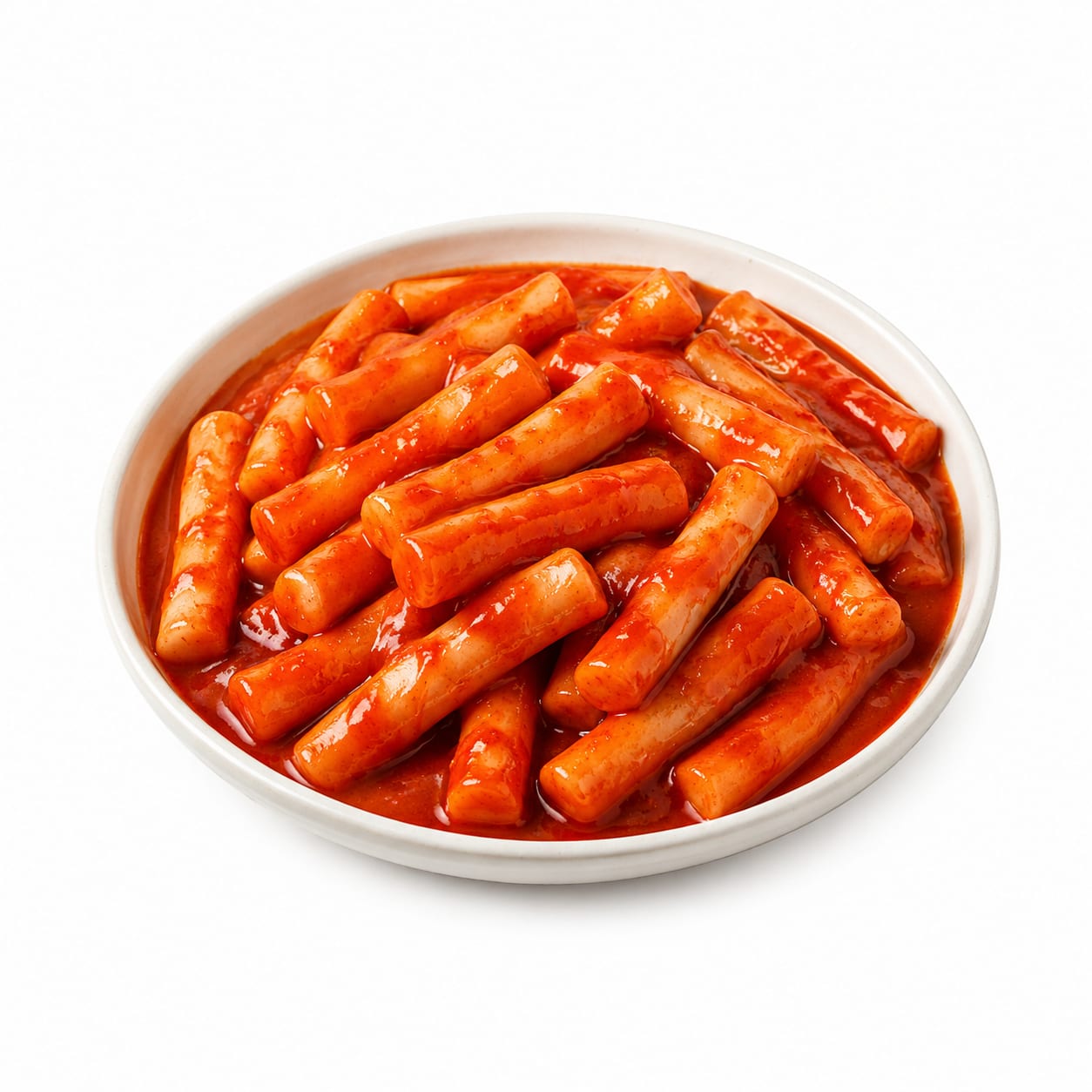
Tteokbokki
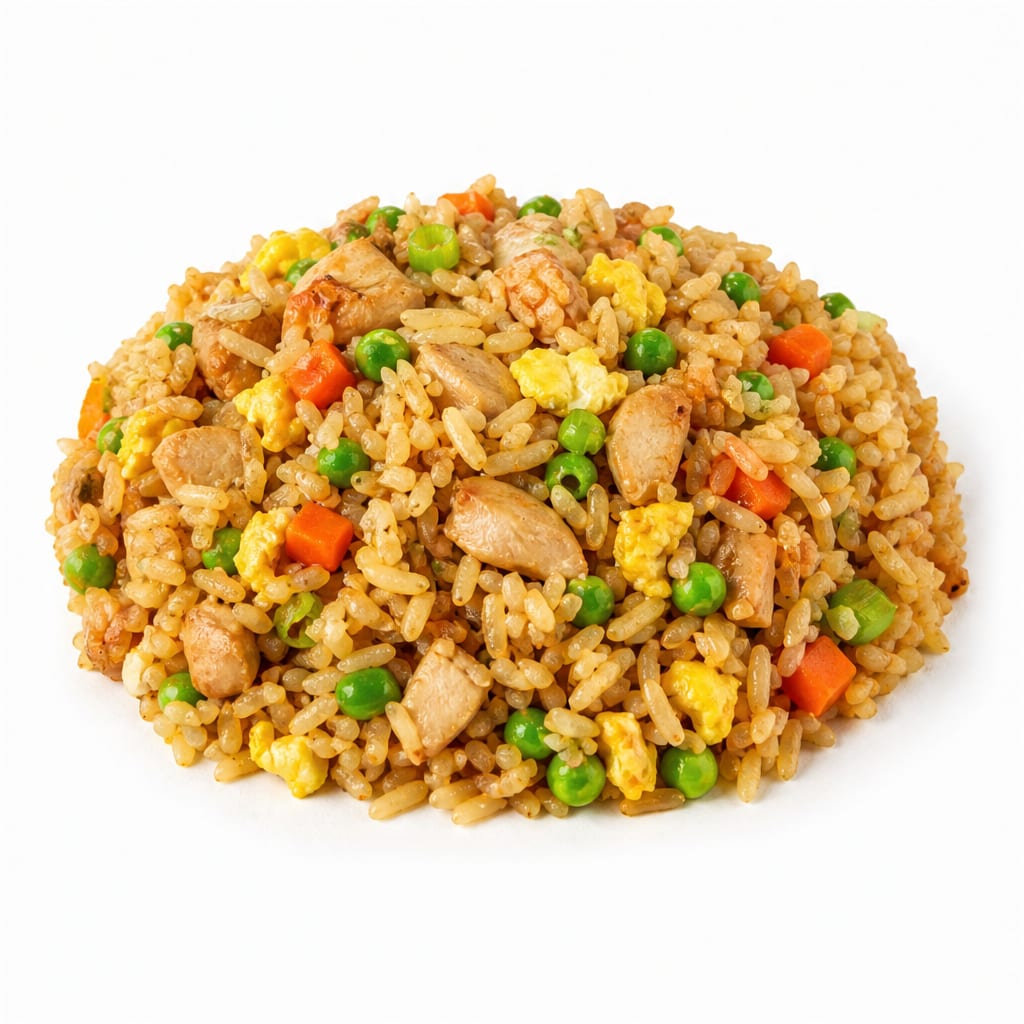
Fried Rice
Fried Rice wins on balance and protein, but Tteokbokki delivers a unique spicy comfort that's hard to replace.
Fried Rice scores notably higher due to better protein content, more vegetable inclusion, and a gentler blood sugar curve. Tteokbokki isn't unhealthy in isolation, but its high glycemic impact, lower protein, and sugar-laden sauce make it harder to justify as a regular meal.
Tteokbokki gives you chewy, spicy satisfaction but with a steeper blood sugar spike and less protein. Fried Rice offers more balanced nutrition and easier portion control but carries its own sodium and oil load.
At a glance
Executive summary
Overall
It depends
Healthier
Fried Rice
More practical
Fried Rice
Daily use
Fried Rice
Key comparison lenses
blood sugar and glycemic impact
Both are carb-dense dishes, but Tteokbokki's rice cakes spike blood sugar faster than Fried Rice's grain-based carbs
protein and satiety comparison
Fried Rice typically includes eggs and meat, while Tteokbokki relies on fish cakes with less protein density
sodium and sauce-related health concerns
Both dishes are sodium-heavy, but from different sources—gochujang vs soy sauce—with different additive profiles
comfort food and emotional eating
Both are deeply satisfying comfort foods with high craving potential and overeating risk
everyday meal practicality
Fried Rice is easier to make at home with leftovers, while Tteokbokki requires specific ingredients
Best choice for
Tteokbokki
- Spicy food lovers seeking an intense flavor experience
- Those wanting a quick, energizing carb boost before activity
- Emotional eaters craving chewy, comforting textures
- Korean cuisine enthusiasts exploring street food culture
Fried Rice
- Those needing a more balanced meal with protein and veggies
- People managing blood sugar who want slower-digesting carbs
- Home cooks looking to use leftover rice and ingredients
- Anyone wanting a filling meal that's easier to portion control
Least suitable for
Tteokbokki
- People with diabetes or insulin resistance
- Those on low-sodium diets
- Anyone sensitive to spicy foods
- People seeking high-protein meals
Fried Rice
- People strictly limiting oil or fat intake
- Those avoiding eggs or soy
- Individuals prone to overeating calorie-dense foods
- People on very low-carb diets
Deep comparison
Dimension by dimension
Each lens scores both foods and breaks down who each option suits.
- Dimension 1 · Priority 95Fried Rice
blood sugar stability
Tteokbokki · 22Fried Rice · 45Tteokbokki's rice cakes digest extremely fast, causing rapid glucose spikes. Fried Rice digests more slowly thanks to fat, protein, and the grain structure of rice.
Tradeoff
Tteokbokki gives quick energy but crashes harder. Fried Rice provides steadier fuel but won't deliver that immediate rush.
Why it matters
Frequent blood sugar spikes drive cravings, fatigue, and long-term metabolic strain. The difference here is significant for daily energy and health.
Real-world impact
After Tteokbokki, you'll likely feel hungry again within 1-2 hours. Fried Rice can keep you satisfied for 3-4 hours.
Tteokbokki
- Pre-workout energy when you need fast carbs
- Recovering from intense exercise
Better for
- Managing diabetes or prediabetes
- Avoiding afternoon energy crashes
- Sustained focus during long work sessions
Worse for
Fried Rice
- Stable energy through the afternoon
- Blood sugar management
- Reducing between-meal snacking
Better for
- Moments when you need immediate energy
- Post-fasted training when quick glycogen replenishment matters
Worse for
- Dimension 2 · Priority 88Fried Rice
protein and satiety
Tteokbokki · 30Fried Rice · 62Fried Rice typically contains eggs, meat, or tofu, providing substantially more protein. Tteokbokki's fish cakes add modest protein but not enough for real satiety.
Tradeoff
You'd need a large portion of Tteokbokki to match the protein in a standard Fried Rice serving, which means more carbs and calories.
Why it matters
Protein is the main driver of fullness. Low-protein meals lead to overeating and more frequent snacking.
Real-world impact
A Fried Rice lunch keeps you full until dinner. Tteokbokki often leaves you hunting for a snack by 3pm.
Tteokbokki
- Light eaters who prefer smaller protein portions
- Snacking occasions where heavy protein feels excessive
Better for
- Athletes or active people needing protein recovery
- Anyone trying to eat fewer meals per day
Worse for
Fried Rice
- Building or maintaining muscle
- Staying full between meals
- Active lifestyles requiring sustained fuel
Better for
- Those who find high-protein meals too heavy
- Late-night eating when lighter is better
Worse for
- Dimension 3 · Priority 85It depends
sodium and sauce additives
Tteokbokki · 35Fried Rice · 40Both are sodium bombs. Tteokbokki's gochujang and sugar-laden sauce adds sodium plus refined sugar. Fried Rice relies on soy sauce and oyster sauce, adding sodium but less sugar.
Tradeoff
Tteokbokki trades sodium for sugar. Fried Rice trades sodium for oil. Neither wins cleanly on health grounds.
Why it matters
High sodium intake drives blood pressure issues and bloating. The sugar in Tteokbokki sauce compounds the glycemic problem.
Real-world impact
After either dish, you may notice thirst, bloating, or water retention. Tteokbokki's sugar makes the sodium hit feel worse metabolically.
Tteokbokki
- Those who prefer spicy heat over salty richness
- People avoiding oil-heavy sauces
Better for
- Sodium-sensitive individuals
- People monitoring sugar intake
- Those prone to bloating
Worse for
Fried Rice
- People who tolerate salt better than sugar
- Those avoiding sweet sauces
Better for
- Anyone on a low-sodium diet
- People sensitive to MSG or soy-based sauces
Worse for
- Dimension 4 · Priority 72Fried Rice
vegetable and micronutrient content
Tteokbokki · 25Fried Rice · 55Fried Rice commonly includes carrots, peas, onions, and greens. Tteokbokki is mostly rice cakes and sauce with minimal vegetable matter beyond scallions.
Tradeoff
Fried Rice can be a vehicle for vegetables. Tteokbokki is essentially a carb-and-sauce delivery system.
Why it matters
Vegetable content adds fiber, vitamins, and antioxidants that neither dish provides in large amounts, but Fried Rice at least makes an effort.
Real-world impact
Adding veggies to Fried Rice is easy and expected. Making Tteokbokki nutritious requires deliberate additions most recipes skip.
Tteokbokki
- Situations where vegetables aren't a priority
- Pure comfort eating
Better for
- Meeting daily vegetable targets
- Getting adequate fiber
Worse for
Fried Rice
- Sneaking vegetables into a tasty meal
- Families trying to feed kids veggies
Better for
- Vegetable-averse eaters who pick them out anyway
Worse for
- Dimension 5 · Priority 80Tteokbokki
emotional satisfaction and cravings
Tteokbokki · 82Fried Rice · 70Tteokbokki's chewy texture and spicy-sweet sauce create a uniquely addictive eating experience. Fried Rice is comforting but less crave-inducing.
Tradeoff
Tteokbokki is harder to stop eating once you start. Fried Rice satisfies without the same intensity, which can actually be an advantage for portion control.
Why it matters
Foods that trigger intense cravings can undermine healthy eating patterns. Emotional satisfaction matters, but so does self-regulation.
Real-world impact
You might plan to eat half a Tteokbokki portion and finish the whole thing. Fried Rice is easier to put down halfway.
Tteokbokki
- Genuine comfort-seeking after a hard day
- Social eating and sharing experiences
- Breaking a flavor rut
Better for
- Emotional eaters who struggle with portion control
- Late-night snacking situations
Worse for
Fried Rice
- Comfort without triggering binge behavior
- Family meals where moderation matters
Better for
- When only intense flavor will satisfy
- Craving something specifically spicy and chewy
Worse for
- Dimension 6 · Priority 75Fried Rice
home cooking practicality
Tteokbokki · 35Fried Rice · 75Fried Rice is one of the easiest dishes to make with leftovers and basic ingredients. Tteokbokki requires specific rice cakes and gochujang that most kitchens don't stock.
Tradeoff
Fried Rice turns random fridge contents into a meal. Tteokbokki demands a shopping trip and specialty items.
Why it matters
The easier a healthy meal is to make, the more often you'll cook instead of ordering takeout.
Real-world impact
You can make Fried Rice on any weeknight with whatever you have. Tteokbokki is usually a planned dish or restaurant order.
Tteokbokki
- Those near Korean markets with ready-made kits
- Weekend cooking projects
Better for
- Busy weeknight dinners
- Spontaneous meals from pantry staples
Worse for
Fried Rice
- Cleaning out the fridge efficiently
- Beginner cooks building confidence
- Quick weeknight meals
Better for
- Those without leftover rice on hand
- People without a wok or large skillet
Worse for
Timeline
Health impact over time
Short-term
Hours to days
Tteokbokki
- Rapid blood sugar spike within 30-60 minutes
- Possible energy crash 1-2 hours after eating
- Thirst and bloating from high sodium
- Spicy heat may cause stomach discomfort in sensitive individuals
- Satisfying emotional comfort from chewy texture and bold flavor
Fried Rice
- Moderate blood sugar rise that stabilizes more gradually
- Longer-lasting fullness from protein and fat content
- Possible oil-related heaviness or heartburn in large portions
- Thirst from soy sauce sodium
- Comforting warmth without extreme metabolic swings
Long-term
Months to years
Tteokbokki
- Frequent consumption may worsen insulin sensitivity due to high glycemic load
- High sodium intake could contribute to elevated blood pressure over time
- Added sugar in sauce adds to cumulative sugar burden
- Low protein content may not support muscle maintenance if eaten as a regular meal
- Emotional attachment to the dish can make moderation difficult
Fried Rice
- More balanced macronutrients support steadier metabolic health
- Oil content adds calories that can accumulate if portions are large
- Sodium from soy sauce remains a long-term blood pressure concern
- Easier to modify with vegetables and lean proteins for better outcomes
- Generally more sustainable as an occasional regular meal
Risk profile
Safety & processing
Tteokbokki rice cakes are processed from rice flour, and commercial gochujang often contains preservatives, corn syrup, and color additives. Fried Rice uses whole cooked rice but restaurant versions may include MSG and commercial sauces. Home-cooked Fried Rice with basic ingredients is closer to whole food than most Tteokbokki preparations.
Tteokbokki
Stale rice cakes causing digestive issues
mediumRice cakes past their prime can become excessively hard and difficult to digest, potentially causing stomach discomfort or blockage concerns.
Street vendor hygiene variability
mediumTteokbokki is commonly sold at street stalls where temperature control and hygiene practices may be inconsistent, increasing foodborne illness risk.
Sauce contamination with unlisted allergens
lowCommercial gochujang may contain wheat, shellfish, or other allergens not immediately obvious to consumers.
Fried Rice
Bacillus cereus from improperly stored rice
highLeftover rice left at room temperature can harbor Bacillus cereus, a bacteria causing food poisoning. This is the classic 'fried rice syndrome' and a real safety concern.
Cross-contamination in restaurant woks
mediumRestaurant woks are typically used for multiple dishes, creating cross-contamination risk for those with allergies.
Excessive oil reuse in commercial settings
lowSome restaurants reuse cooking oil extensively, which can create harmful compounds over time.
Who wins for whom
Audience fit
Same foods, different winners depending on your goal.
children
Fried RiceFried Rice is milder, easier to chew, and can hide vegetables. Tteokbokki's intense spice and chewy texture are challenging for most kids.
daily consumption
Fried RiceFried Rice offers more nutritional balance and flexibility. Tteokbokki is better enjoyed as an occasional treat due to its sugar, sodium, and glycemic profile.
diabetes
Fried RiceNeither is ideal, but Fried Rice's fat and protein slow glucose absorption. Tteokbokki's rice cakes and sweet sauce create a much sharper blood sugar spike.
elderly
Fried RiceFried Rice is softer and easier to digest with more balanced nutrition. Tteokbokki's chewy rice cakes can be difficult for those with dental issues or slower digestion.
muscle gain
Fried RiceFried Rice's egg and meat content delivers more usable protein. Tteokbokki would need significant additions to support muscle recovery.
weight loss
Fried RiceFried Rice provides more protein and satiety per calorie, making it easier to eat less overall. Tteokbokki's low protein and high glycemic load trigger hunger sooner.
Your move
Decision guide
Choose Tteokbokki
- You're craving something spicy, chewy, and deeply satisfying
- It's a special occasion or you're exploring Korean street food
- You need quick carbs before or after intense physical activity
- You're sharing with friends and want a fun, interactive eating experience
- You can balance it with a protein-rich side or snack later
Choose Fried Rice
- You want a complete meal that keeps you full for hours
- You're cooking at home with leftover rice and random ingredients
- Blood sugar management matters to you
- You need to feed a family with varying tastes
- You're meal-prepping or planning regular lunches
Either works if
- Neither dish will be a regular part of your diet
- You're eating out and both options are available
- Comfort food is the priority and nutrition is secondary today
Avoid both if
- You're on a strict low-sodium diet
- You're managing severe insulin resistance or diabetes
- You're following a low-carb or ketogenic protocol
- You need anti-inflammatory eating patterns for health conditions
Final recommendation
Make Fried Rice your everyday choice and save Tteokbokki for when the craving truly hits. If you love Tteokbokki, try adding boiled eggs, extra vegetables, or reducing the sauce sugar to make it more balanced. Neither dish is a health food, but Fried Rice is far easier to adapt into something nutritious.
Practical
Consumer tips
- 1
Ask for less sauce on Tteokbokki to cut sugar and sodium significantly
- 2
Add a fried egg on top of either dish for affordable protein boosting
- 3
Make Fried Rice with brown rice or cauliflower rice to lower the glycemic impact
- 4
Freeze leftover rice on a sheet pan before storing to reduce Bacillus cereus risk
- 5
Choose Tteokbokki with added vegetables or a side of kimchi for probiotics and fiber
- 6
Order Fried Rice with less oil by requesting it 'light' or 'dry' at restaurants
- 7
Keep gochujang in your fridge to make quicker Tteokbokki at home where you control the sugar
- 8
Use day-old refrigerated rice for Fried Rice—it absorbs less oil and fries better