
Nutrition comparison
Tteokbokki vs Bibimbap: Which Korean Dish Is Actually Healthier?
Tteokbokki and Bibimbap both deliver bold Korean flavors, but their nutritional profiles are worlds apart. Compare blood sugar impact, satiety, sodium, and real-world eating outcomes.
Overall winner · Bibimbap
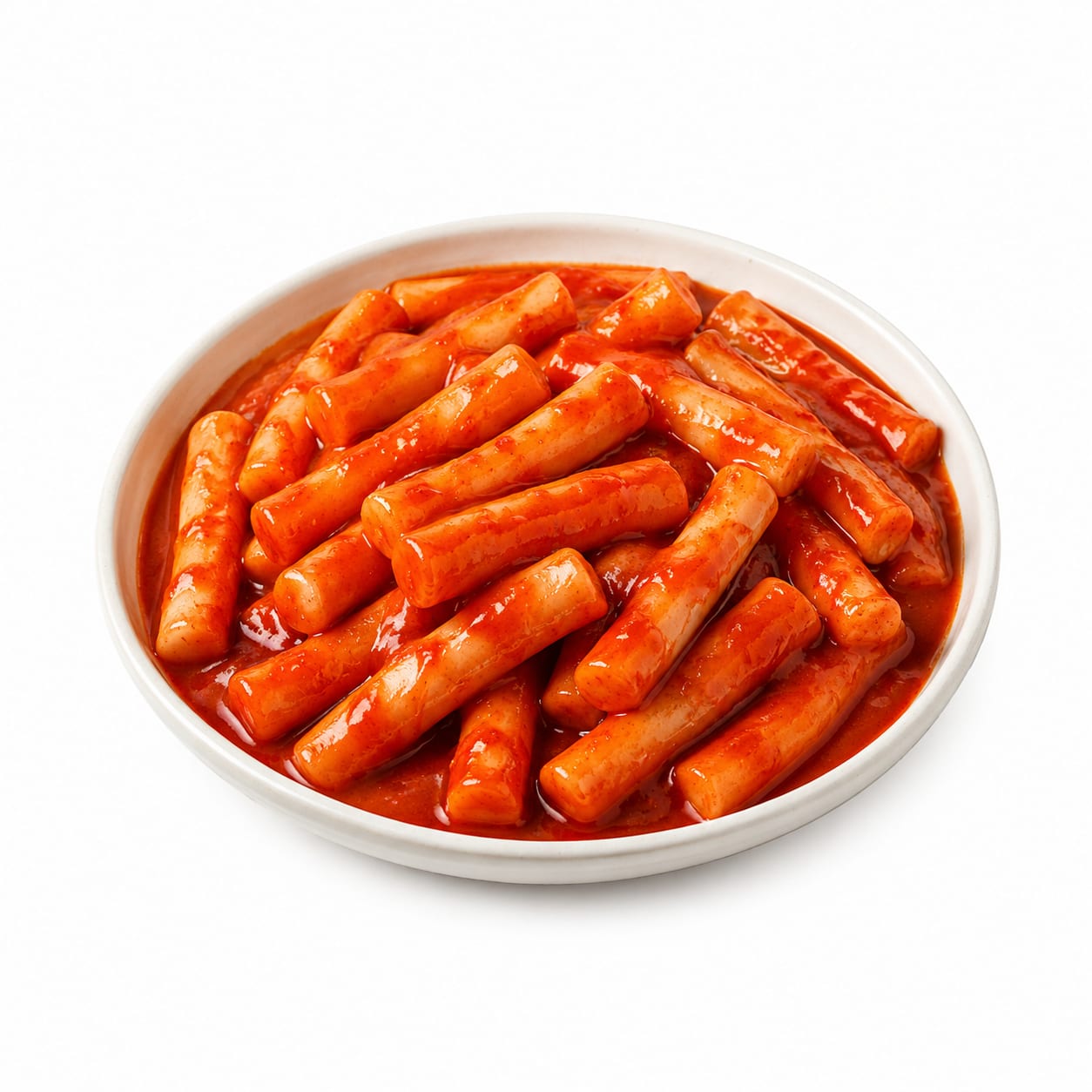
Tteokbokki
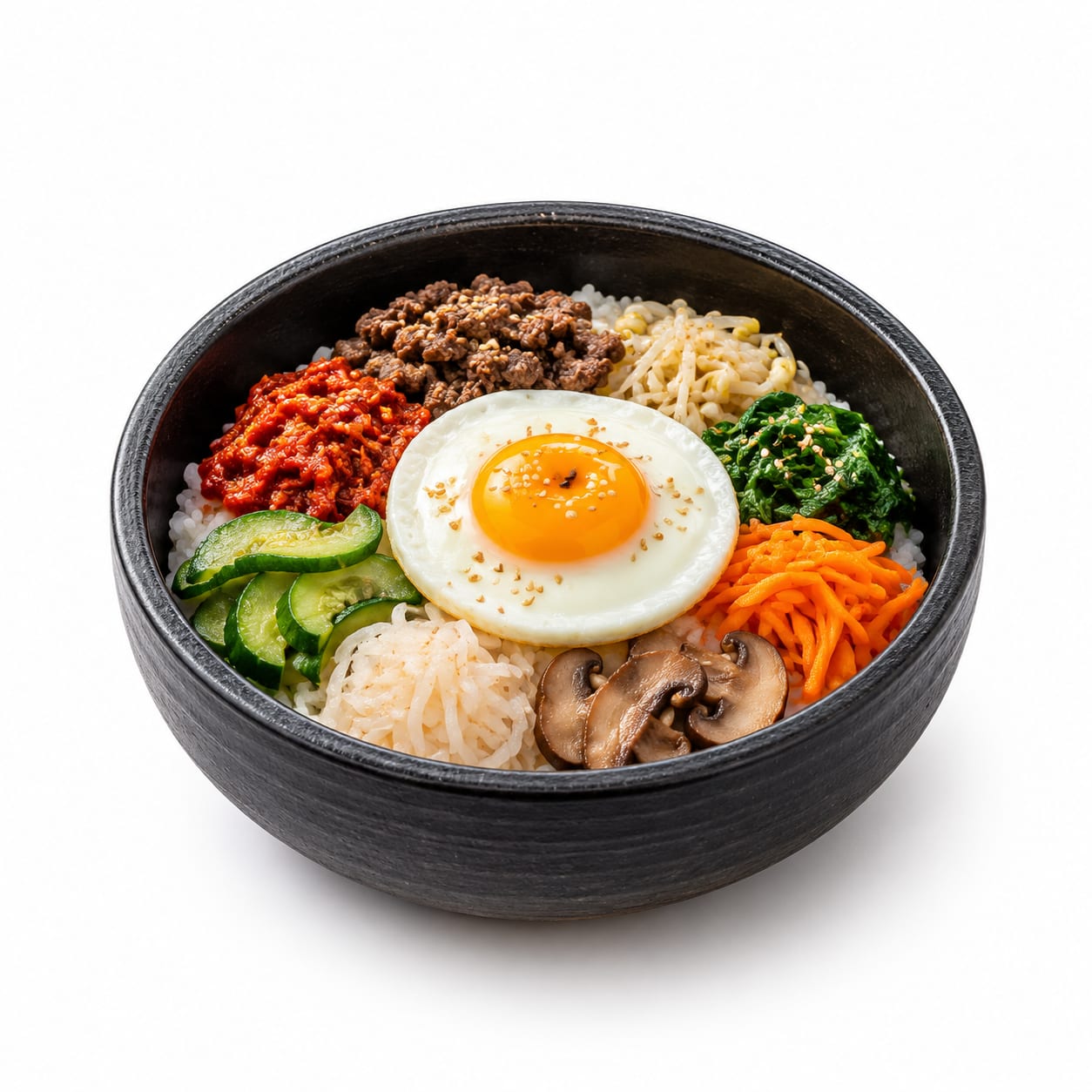
Bibimbap
Bibimbap is the nutritionally superior choice almost every time, offering balanced macros, vegetables, and protein. Tteokbokki is a delicious treat but nutritionally resembles candy more than a meal.
Bibimbap wins decisively because it delivers complete nutrition—protein, fiber, vitamins, and minerals—within the same flavor tradition. Tteokbokki scores low because it is essentially refined carbs in spicy sugar sauce, despite being delicious.
Tteokbokki delivers an addictive chewy-spicy comfort hit but spikes blood sugar and leaves you hungry. Bibimbap takes the same Korean flavor profile and builds a real meal around it.
At a glance
Executive summary
Overall
Bibimbap
Healthier
Bibimbap
More practical
Bibimbap
Daily use
Bibimbap
Key comparison lenses
blood sugar and carb load comparison
Tteokbokki is almost pure refined rice cake carbs with spicy sauce, while Bibimbap balances rice with protein and fiber from vegetables
meal completeness and satiety
Bibimbap is a full meal with macros represented; Tteokbokki is a carb-heavy snack that leaves you hungry again fast
everyday lunch decision for Korean food lovers
This is a common real-world choice: comforting street snack vs balanced bowl meal
sodium and sauce intensity
Both rely on gochujang-based sauces, but Tteokbokki's sauce is more concentrated and sugary
weight management and overeating risk
Tteokbokki's chewy texture and sweet-spicy sauce make it easy to overeat; Bibimbap is more self-limiting
Best choice for
Tteokbokki
- Craving something chewy, spicy, and emotionally comforting
- Quick street snack or afternoon pick-me-up
- Sharing with friends as a fun food experience
Bibimbap
- A satisfying lunch that actually keeps you full for hours
- Balanced nutrition without giving up Korean flavors
- Post-workout meal with protein and carbs together
Least suitable for
Tteokbokki
- Anyone managing diabetes or blood sugar issues
- People trying to lose weight or control portions
- Those needing sustained energy without a crash
Bibimbap
- Very low-carb or keto eaters due to the rice base
- Someone wanting a quick grab-and-go snack
Deep comparison
Dimension by dimension
Each lens scores both foods and breaks down who each option suits.
- Dimension 1 · Priority 95Bibimbap
blood sugar stability
Tteokbokki · 18Bibimbap · 62Tteokbokki is a glycemic rollercoaster; Bibimbap slows sugar absorption with protein and fiber.
Tradeoff
You gain steadier energy with Bibimbap but lose the immediate carb-rush satisfaction of Tteokbokki's chewy rice cakes.
Why it matters
Blood sugar crashes after Tteokbokki lead to fatigue, irritability, and cravings within 1-2 hours.
Real-world impact
After Tteokbokki you will likely feel sleepy and hungry again by mid-afternoon. Bibimbap carries you to dinner.
Tteokbokki
- Quick pre-workout energy if you need fast carbs
Better for
- Anyone with blood sugar concerns
- People prone to energy crashes
Worse for
Bibimbap
- Avoiding the 2pm energy crash
- Managing prediabetes or insulin resistance
- Sustained focus through afternoon work
Better for
- Situations requiring immediate rapid energy
Worse for
- Dimension 2 · Priority 92Bibimbap
nutritional completeness
Tteokbokki · 15Bibimbap · 82Bibimbap is a genuine meal with protein, vegetables, and healthy fats. Tteokbokki is carbs and sauce with minimal nutrients.
Tradeoff
Bibimbap requires more ingredients and preparation but delivers actual nutrition. Tteokbokki is simple but nutritionally hollow.
Why it matters
Eating nutritionally complete meals reduces cravings, supports muscle, and prevents micronutrient gaps over time.
Real-world impact
Bibimbap at lunch means you probably will not need a snack. Tteokbokki at lunch means you definitely will.
Tteokbokki
- Nothing nutritionally—this is Tteokbokki's weakest dimension
Better for
- Reliance on it as a meal creates nutritional gaps
- No meaningful protein, fiber, or micronutrients
Worse for
Bibimbap
- Getting protein without a separate protein source
- Eating vegetables easily without thinking about it
- Covering multiple micronutrient bases in one bowl
Better for
- Restaurant versions can overload on oil and sodium
Worse for
- Dimension 3 · Priority 88Bibimbap
satiety and fullness
Tteokbokki · 25Bibimbap · 78Bibimbap keeps you full for 4-5 hours. Tteokbokki leaves you hungry again within 90 minutes despite high calories.
Tradeoff
Tteokbokki's chewiness creates momentary satisfaction but no lasting fullness. Bibimbap's protein and fiber create genuine satiety.
Why it matters
Foods that do not fill you up lead to overeating later, making weight management much harder.
Real-world impact
A Tteokbokki lunch often ends with a 3pm vending machine visit. Bibimbap lunch ends with feeling comfortably full until dinner.
Tteokbokki
- Situations where you want a light snack, not a full meal
Better for
- Anyone trying to eat less frequently
- People who struggle with constant snacking
Worse for
Bibimbap
- Long workdays without snack access
- Controlling overall daily calorie intake naturally
- Avoiding late-afternoon hunger binges
Better for
- Times you want something light before a big dinner
Worse for
- Dimension 4 · Priority 78Bibimbap
sodium and sauce load
Tteokbokki · 28Bibimbap · 52Both are salty Korean dishes, but Tteokbokki's sauce is more concentrated with added sugar on top of the sodium.
Tradeoff
Bibimbap's sauce is typically a moderate dollop you control. Tteokbokki's sauce saturates every bite and is sweeter.
Why it matters
High sodium worsens blood pressure and causes bloating. The added sugar in Tteokbokki sauce compounds the problem.
Real-world impact
After Tteokbokki you may notice thirst, bloating, and puffy fingers. Bibimbap is salty but more manageable.
Tteokbokki
- Nothing—Tteokbokki loses on sodium too
Better for
- Blood pressure concerns
- People sensitive to sodium bloating
Worse for
Bibimbap
- Controlling sauce amount by adding it yourself
- Less hidden sugar in the sauce
Better for
- Still not a low-sodium choice by any means
Worse for
- Dimension 5 · Priority 72Tteokbokki
comfort and craving satisfaction
Tteokbokki · 88Bibimbap · 70Tteokbokki is one of Korea's most craveable foods—the chewy-spicy-sweet combo hits hard. Bibimbap is satisfying but less addictive.
Tradeoff
Tteokbokki's addictiveness is precisely what makes it dangerous for overeating. Bibimbap satisfies without hijacking your appetite.
Why it matters
Foods that trigger cravings can undermine healthy eating patterns even when you have good intentions.
Real-world impact
It is very hard to stop eating Tteokbokki once you start. Bibimbap you eat until full and then stop naturally.
Tteokbokki
- Emotional eating when you need genuine comfort
- Sharing a fun food experience with friends
- Satisfying a specific spicy-chewy craving
Better for
- Anyone who struggles with portion control
- Emotional eaters trying to break cycles
Worse for
Bibimbap
- Comfort without the guilt spiral
- Feeling good about your meal choice afterward
Better for
- When only that specific chewy-spicy hit will do
Worse for
- Dimension 6 · Priority 65Tteokbokki
convenience and accessibility
Tteokbokki · 75Bibimbap · 55Tteokbokki is widely available as street food and instant packs. Bibimbap requires more ingredients or restaurant ordering.
Tradeoff
Tteokbokki is easier to grab on the go but nutritionally costs you. Bibimbap takes more effort but pays off nutritionally.
Why it matters
Convenience often wins over nutrition in real life, making Tteokbokki a frequent default choice.
Real-world impact
You can find Tteokbokki at any Korean street stall or convenience store. Good Bibimbap takes more searching.
Tteokbokki
- Quick street food while walking
- Instant pack from a Korean grocery
- Late-night food stall availability
Better for
- Nothing—convenience is Tteokbokki's real advantage
Worse for
Bibimbap
- Most Korean restaurants serve it
- Easy to meal-prep at home in batches
Better for
- Harder to find quality Bibimbap outside Korean restaurants
- More components to prep at home
Worse for
Timeline
Health impact over time
Short-term
Hours to days
Tteokbokki
- Rapid blood sugar spike within 30-60 minutes
- Energy crash and hunger return within 1.5-2 hours
- Possible bloating from refined carbs and sodium
- Thirst from high sodium and spice
Bibimbap
- Steady energy for 3-5 hours after eating
- Comfortable fullness without heaviness
- Mild sodium load but manageable
- Sustained alertness without crash
Long-term
Months to years
Tteokbokki
- Regular consumption promotes insulin resistance risk
- High sodium intake may raise blood pressure over time
- Nutritional gaps if frequently replacing real meals
- Weight gain from calorie-dense, low-satiety eating pattern
Bibimbap
- Balanced macro intake supports metabolic health
- Vegetable variety provides diverse micronutrients
- Protein supports muscle maintenance
- Still high in sodium if eaten daily at restaurants
Risk profile
Safety & processing
Tteokbokki uses refined rice cakes (processed from rice flour) and sauce with added sugar and sometimes preservatives. Bibimbap is assembled from whole vegetables, rice, egg, and meat with minimal processing beyond the gochujang condiment.
Tteokbokki
Foodborne illness from street vendors
mediumTteokbokki is often held at warm temperatures for extended periods at street stalls, creating bacterial growth risk if not properly managed.
Excessive sodium intake
mediumA single serving can contain 1500-2500mg sodium, approaching or exceeding daily limits for sensitive individuals.
Bibimbap
Raw egg yolk safety
lowTraditional Bibimbap sometimes includes a raw or lightly cooked egg yolk; use pasteurized eggs or cook fully to eliminate salmonella risk.
Restaurant sodium levels
mediumRestaurant Bibimbap can be very high in sodium from seasoned vegetables and gochujang, though less concentrated than Tteokbokki sauce.
Who wins for whom
Audience fit
Same foods, different winners depending on your goal.
children
BibimbapBibimbap offers vegetables and protein in an approachable format. Tteokbokki's extreme spice and sugar are not ideal for kids, though many Korean children love it.
daily consumption
BibimbapBibimbap can reasonably be eaten several times per week as part of a balanced diet. Daily Tteokbokki would create significant metabolic and sodium concerns.
diabetes
BibimbapBibimbap's fiber and protein slow glucose absorption. Tteokbokki is essentially a refined carb bomb that will spike blood sugar aggressively.
elderly
BibimbapBibimbap provides balanced nutrition with softer vegetables. Tteokbokki's chewy texture can be difficult for some elderly people to eat safely.
muscle gain
BibimbapBibimbap provides actual protein from meat and egg. Tteokbokki has negligible protein unless you add fish cakes, which are low-quality protein.
weight loss
BibimbapBibimbap's protein and fiber create natural portion control and sustained fullness. Tteokbokki's low satiety per calorie makes overeating almost inevitable.
Your move
Decision guide
Choose Tteokbokki
- You are specifically craving that chewy-spicy comfort and nothing else will satisfy
- It is an occasional treat, not a regular meal
- You are sharing with friends as a social food experience
- You need quick carbs before intense exercise
Choose Bibimbap
- You want a complete meal that keeps you full for hours
- Blood sugar management matters to you
- You are trying to eat more vegetables without suffering through salads
- You want Korean flavors without the metabolic cost
- It is a regular lunch, not a special occasion
Either works if
- You are at a Korean restaurant and both are available—just alternate between visits
- You want Korean food but are flexible on the specific dish
Avoid both if
- You are on a strict low-sodium diet—both are salty Korean dishes
- You are eating keto or very low-carb—both are rice-based
- You have a rice allergy or severe gluten sensitivity from cross-contamination
Final recommendation
Make Bibimbap your everyday Korean meal and treat Tteokbokki as what it is: a delicious snack for occasional enjoyment. If you love Tteokbokki, try adding boiled eggs and vegetables to make it slightly more balanced, but know that Bibimbap already solved this problem beautifully.
Practical
Consumer tips
- 1
Ask for less sauce on Bibimbap to cut sodium by 30-40% without losing flavor
- 2
If eating Tteokbokki, add a protein side like hard-boiled eggs to slow the blood sugar spike
- 3
Restaurant Bibimbap is often healthier than Tteokbokki even though both feel like comfort food
- 4
Make Bibimbap at home to control oil, sodium, and vegetable portions precisely
- 5
Instant Tteokbokki packs are even worse than fresh—more sodium, more sugar, more preservatives
- 6
If you crave Tteokbokki's spice, try adding gochujang to Bibimbap for a similar flavor profile with better nutrition