
Nutrition comparison
Tteokbokki vs Ramen: Which Comfort Food Is Healthier?
Compare Tteokbokki and Ramen on calories, sodium, blood sugar impact, and satiety. Find out which Korean or Japanese comfort food fits your health goals better.
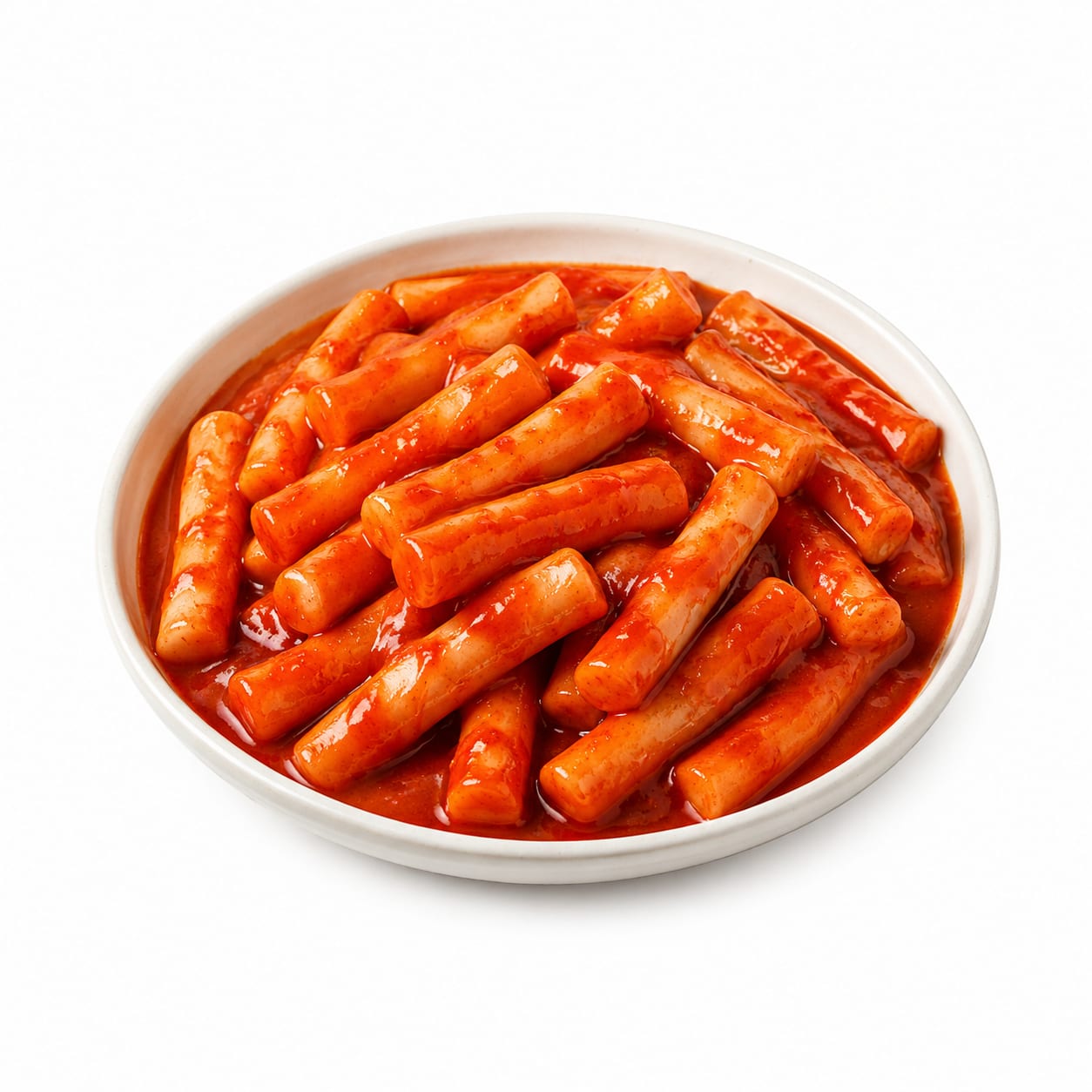
Tteokbokki
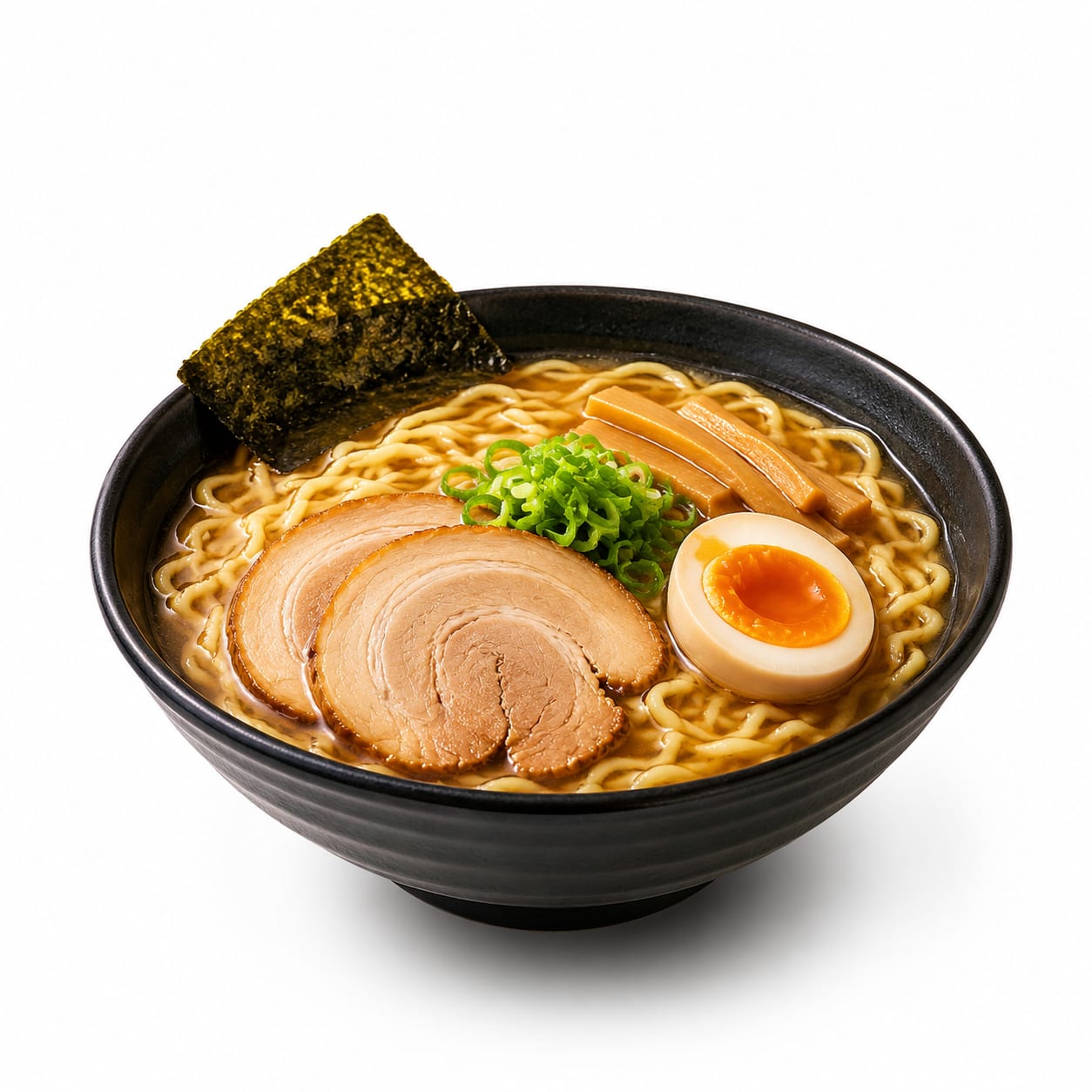
Ramen
Tteokbokki is lighter and lower in fat, while Ramen offers more protein and satiety from broth. Neither is a health food.
Ramen edges ahead slightly due to better satiety and protein potential, but both score low because of high sodium, refined carbs, and limited micronutrients. The gap is small because neither is a strong nutritional choice.
Tteokbokki gives you a lower-calorie carb hit with chewy satisfaction, but Ramen fills you longer with broth and protein at the cost of more sodium and fat.
At a glance
Executive summary
Overall
It depends
Healthier
It depends
More practical
Ramen
Daily use
It depends
Key comparison lenses
carb-heavy comfort food comparison
Both are high-carb, comforting Asian staples often craved emotionally
sodium and blood sugar impact
Both deliver significant sodium and refined carbs that spike blood sugar
everyday meal practicality
Both are quick, affordable, and widely available as street food or instant options
weight management tradeoffs
Users choosing between these are often concerned about calorie density and overeating
processing and additive exposure
Instant versions of both raise concerns about preservatives and ultra-processing
Best choice for
Tteokbokki
- People watching calorie intake who still want a comforting carb fix
- Those who prefer lighter meals that won't cause a food coma
- Anyone seeking a quicker, snack-sized comfort food
Ramen
- People needing a full meal that keeps them full for hours
- Those who want protein from toppings like egg and pork
- Anyone recovering from illness needing warm, hydrating broth
Least suitable for
Tteokbokki
- People with diabetes due to rapid blood sugar spikes from rice cakes
- Those needing high protein intake
- Anyone on a low-sodium diet who is sensitive to spicy sauces
Ramen
- People with hypertension due to extremely high sodium broth
- Those watching calorie intake closely
- Anyone prone to bloating from rich, fatty soups
Deep comparison
Dimension by dimension
Each lens scores both foods and breaks down who each option suits.
- Dimension 1 · Priority 92Ramen
Satiety & Fullness
Tteokbokki · 35Ramen · 65Ramen keeps you full much longer thanks to liquid volume from broth and typical protein toppings.
Tradeoff
Tteokbokki digests quickly, leaving you hungry again within an hour or two, while Ramen's broth and fat slow digestion.
Why it matters
If you're eating one meal to get through a long afternoon, Ramen prevents the crash and cravings better.
Real-world impact
After Tteokbokki, you're likely snacking again by 2pm. After Ramen, you may skip your afternoon snack entirely.
Tteokbokki
- Light lunch before an active afternoon
- Pre-workout carb loading when you need quick energy
Better for
- Situations requiring sustained energy for 4+ hours
Worse for
Ramen
- Long work shifts with no break
- Recovery meal after intense exercise
Better for
- Hot humid days when heavy soup feels oppressive
Worse for
- Dimension 2 · Priority 88Tteokbokki
Sodium Load
Tteokbokki · 45Ramen · 25Tteokbokki is salty, but Ramen broth can deliver nearly a full day's sodium in one bowl.
Tradeoff
Tteokbokki's gochujang sauce is sodium-heavy, but you consume less total volume than Ramen's broth, which you often drink.
Why it matters
Regular high sodium intake raises blood pressure and increases cardiovascular risk over time.
Real-world impact
A single Ramen bowl can hit 1500-2500mg sodium. Tteokbokki typically lands around 800-1200mg. Both are high, but Ramen is often the bigger offender.
Tteokbokki
- Those monitoring blood pressure who still want a treat
- Days when you've had low sodium otherwise
Better for
- Anyone on a strict low-sodium diet
Worse for
Ramen
- After heavy sweating when sodium replenishment is actually useful
Better for
- People with hypertension or kidney issues
Worse for
- Dimension 3 · Priority 85It depends
Blood Sugar Stability
Tteokbokki · 25Ramen · 35Both spike blood sugar, but Tteokbokki's rice cakes cause a faster, sharper spike.
Tradeoff
Rice cakes are nearly pure refined carbohydrate with almost no fiber. Ramen noodles spike blood sugar too, but broth fat and protein slow the rise somewhat.
Why it matters
Sharp blood sugar spikes lead to energy crashes, cravings, and over time, insulin resistance.
Real-world impact
Tteokbokki can make you feel energized for 30 minutes then sluggish. Ramen's crash is softer but still real.
Tteokbokki
- Quick pre-workout fuel when you need fast glucose
Better for
- People with prediabetes or diabetes
- Those prone to afternoon energy crashes
Worse for
Ramen
- Meals where steadier energy matters more than quick fuel
Better for
- Anyone managing insulin resistance should still limit both
Worse for
- Dimension 4 · Priority 80Tteokbokki
Calorie Density
Tteokbokki · 55Ramen · 35Tteokbokki is generally lower in calories per serving than Ramen, especially restaurant-style Ramen.
Tradeoff
Tteokbokki's lower calorie count comes with less satiety, so you may eat more later. Ramen costs more calories upfront but reduces later snacking.
Why it matters
For weight management, total daily calories matter more than single-meal calories.
Real-world impact
A Tteokbokki portion runs 400-550 calories. Ramen easily hits 600-900 calories with toppings. But the Ramen eater may eat less overall that day.
Tteokbokki
- Calorie-counters who track strictly
- Smaller appetites who want a treat without overeating
Better for
- Those who confuse low calories with healthy
Worse for
Ramen
- One-meal days where a single bowl needs to carry you
Better for
- Consistent daily consumption leading to gradual weight gain
Worse for
- Dimension 5 · Priority 78Ramen
Protein & Nutritional Value
Tteokbokki · 20Ramen · 50Ramen typically delivers more protein through chashu pork, egg, and sometimes tofu. Tteokbokki is nearly protein-free unless you add fish cakes.
Tradeoff
Ramen's protein advantage depends heavily on toppings. A bare bowl of instant Ramen has almost as little protein as Tteokbokki.
Why it matters
Protein preserves muscle, supports satiety, and stabilizes blood sugar. Both foods are weak here, but Ramen has more potential.
Real-world impact
A proper Ramen bowl with egg and pork might give you 20-30g protein. Tteokbokki with fish cakes might reach 8-12g. Neither is a protein meal.
Tteokbokki
- Vegetarians who add tofu or mushrooms to Tteokbokki
Better for
- Athletes and older adults needing protein preservation
Worse for
Ramen
- Anyone needing post-workout protein recovery
- People trying to hit daily protein minimums
Better for
- Instant Ramen without toppings, which is protein-empty
Worse for
- Dimension 6 · Priority 75It depends
Comfort & Emotional Satisfaction
Tteokbokki · 70Ramen · 75Both are peak comfort foods. Tteokbokki satisfies chewy, spicy cravings. Ramen delivers warm, rich, umami depth.
Tradeoff
Tteokbokki is more stimulating with its heat and texture. Ramen is more soothing with its warmth and richness.
Why it matters
Emotional eating isn't inherently bad. Choosing the right comfort food for your mood prevents bingeing on both.
Real-world impact
Stressed and wired? Tteokbokki's spice and chew can release tension. Exhausted and cold? Ramen's broth feels like a warm hug.
Tteokbokki
- Spicy food lovers seeking an endorphin boost
- Social eating and street food experiences
Better for
- Upset stomachs that can't handle spice
Worse for
Ramen
- Sick days when you need something gentle and warming
- Cold winter evenings requiring deep comfort
Better for
- Hot summer days when soup feels heavy
Worse for
- Dimension 7 · Priority 70Ramen
Convenience & Accessibility
Tteokbokki · 55Ramen · 75Instant Ramen is universally available and requires only hot water. Tteokbokki needs more prep or specialty store access.
Tradeoff
Fresh Tteokbokki from a street stall is fast, but making it at home requires specific ingredients. Instant Ramen is available everywhere.
Why it matters
The food you can actually make on a tired weeknight wins in real life.
Real-world impact
Instant Ramen is in every grocery store worldwide. Tteokbokki kits are becoming more common but still less ubiquitous.
Tteokbokki
- Living near Korean markets or street food stalls
- When you want something snack-like rather than a full meal
Better for
- Rural areas without Asian grocery stores
Worse for
Ramen
- Late nights with zero energy to cook
- Travel or dorm situations with limited kitchen access
Better for
- Those trying to avoid ultra-processed instant foods
Worse for
Timeline
Health impact over time
Short-term
Hours to days
Tteokbokki
- Rapid blood sugar spike within 30-60 minutes
- Possible stomach irritation from spicy gochujang sauce
- Quick burst of energy followed by a crash
- Thirst from high sodium content
Ramen
- Heavy fullness that may cause drowsiness
- Significant sodium intake causing thirst and mild bloating
- Warmed body temperature from hot broth
- More sustained energy than Tteokbokki due to fat and protein
Long-term
Months to years
Tteokbokki
- Frequent consumption may contribute to insulin resistance from refined carb load
- High sodium intake from sauce can raise blood pressure over time
- Minimal protein means poor support for muscle maintenance
- Low fiber offers little for gut health
Ramen
- Regular consumption increases cardiovascular risk from sodium and saturated fat
- Restaurant Ramen's rich broth may contribute to elevated cholesterol
- Better protein intake supports muscle if toppings are included
- Still lacks meaningful fiber and micronutrients for long-term health
Risk profile
Safety & processing
Fresh Tteokbokki uses relatively simple ingredients like rice cakes, gochujang, and fish cakes. Instant Ramen contains dehydrated noodles, MSG, preservatives, and flavor enhancers that push it into ultra-processed territory. Restaurant versions of both are better than instant, but Ramen's broth often relies on concentrated bases with additives.
Tteokbokki
Choking hazard
mediumRice cakes are extremely chewy and sticky. Children and elderly should eat them carefully. Choking incidents are documented, especially with fresh garaetteok.
Sodium-related health effects
mediumGochujang and soy sauce contribute significant sodium. Regular consumption without dietary balance raises blood pressure risk.
Foodborne illness from street vendors
lowStreet Tteokbokki sits in sauce at warm temperatures. Reputable vendors are generally safe, but hygiene varies.
Ramen
Extremely high sodium
highA single bowl can contain 1500-3000mg sodium, approaching or exceeding daily limits. This is the most significant health risk for regular consumers.
Preservatives in instant versions
mediumInstant Ramen contains TBHQ and other preservatives. Occasional consumption is low risk, but daily intake raises concerns.
MSG sensitivity
lowSome people report headaches or flushing from MSG. Scientific evidence doesn't strongly support widespread MSG danger, but individual sensitivity exists.
Who wins for whom
Audience fit
Same foods, different winners depending on your goal.
children
TteokbokkiTteokbokki is a popular Korean street snack for kids, but rice cakes pose a choking risk for young children. Ramen's sodium is excessive for kids. Both need moderation, but mild Tteokbokki in small portions is more kid-friendly.
daily consumption
It dependsNeither should be consumed daily. If forced to choose, small portions of Tteokbokki with added vegetables cause less sodium accumulation than daily Ramen.
diabetes
It dependsNeither is good for diabetes. Tteokbokki spikes blood sugar faster. Ramen has a slightly slower spike but still poses significant risk. Both require extreme portion control.
elderly
RamenRamen's soft noodles and warm broth are easier to eat for those with dental issues or poor appetite. However, sodium must be managed carefully. Tteokbokki's chewy texture is a choking risk for elderly.
muscle gain
RamenRamen with egg and pork toppings provides more protein, which is essential for muscle maintenance and growth.
weight loss
TteokbokkiTteokbokki has fewer calories per serving, making it easier to fit into a calorie deficit. However, neither is ideal for weight loss.
Your move
Decision guide
Choose Tteokbokki
- You want a lighter, lower-calorie comfort food
- Spicy, chewy textures satisfy you more than soup
- You're counting calories but need a carb craving fix
- You have access to fresh Tteokbokki from a good vendor
Choose Ramen
- You need one meal to keep you full for hours
- You're recovering from illness and need warm, gentle nourishment
- Protein intake matters to you and you'll add toppings
- It's cold and you want deep, warming comfort
Either works if
- You're treating yourself and neither will be a regular habit
- You can add vegetables to either dish to improve nutritional value
- You're sharing with friends and portion sizes stay reasonable
Avoid both if
- You have hypertension and are not controlling sodium elsewhere
- You have diabetes and struggle with blood sugar management
- You eat carb-heavy comfort foods more than twice weekly
- You're trying to break a cycle of emotional eating
Final recommendation
Choose Tteokbokki when you want something lighter and snack-like with a spicy kick. Choose Ramen when you need a full, filling meal with more protein potential. For either, add vegetables, control portions, and limit frequency to a few times per month. Neither belongs in your daily rotation, but both can coexist in a balanced life when enjoyed mindfully.
Practical
Consumer tips
- 1
Add cabbage, carrots, or scallions to Tteokbokki to slow blood sugar spikes and add fiber
- 2
Ask for less broth or drink only half the Ramen soup to cut sodium by 30-40%
- 3
Choose fresh Ramen over instant to avoid preservatives and improve taste dramatically
- 4
Split a Ramen bowl with a friend and add a side salad for a more balanced meal
- 5
Make Tteokbokki at home where you can control sauce sodium and add boiled eggs for protein
- 6
Drink extra water after either meal to help your body process the sodium load
- 7
If eating Tteokbokki, cut rice cakes into smaller pieces to reduce choking risk
- 8
Keep instant Ramen for emergencies only, not as a pantry staple