
Nutrition comparison
Tteokbokki vs Udon: Which Noodle Dish is Healthier?
Compare Tteokbokki and Udon to see which is better for digestion, blood sugar, and weight loss. Discover the nutritional tradeoffs between spicy rice cakes and Japanese wheat noodles.
Overall winner · Udon
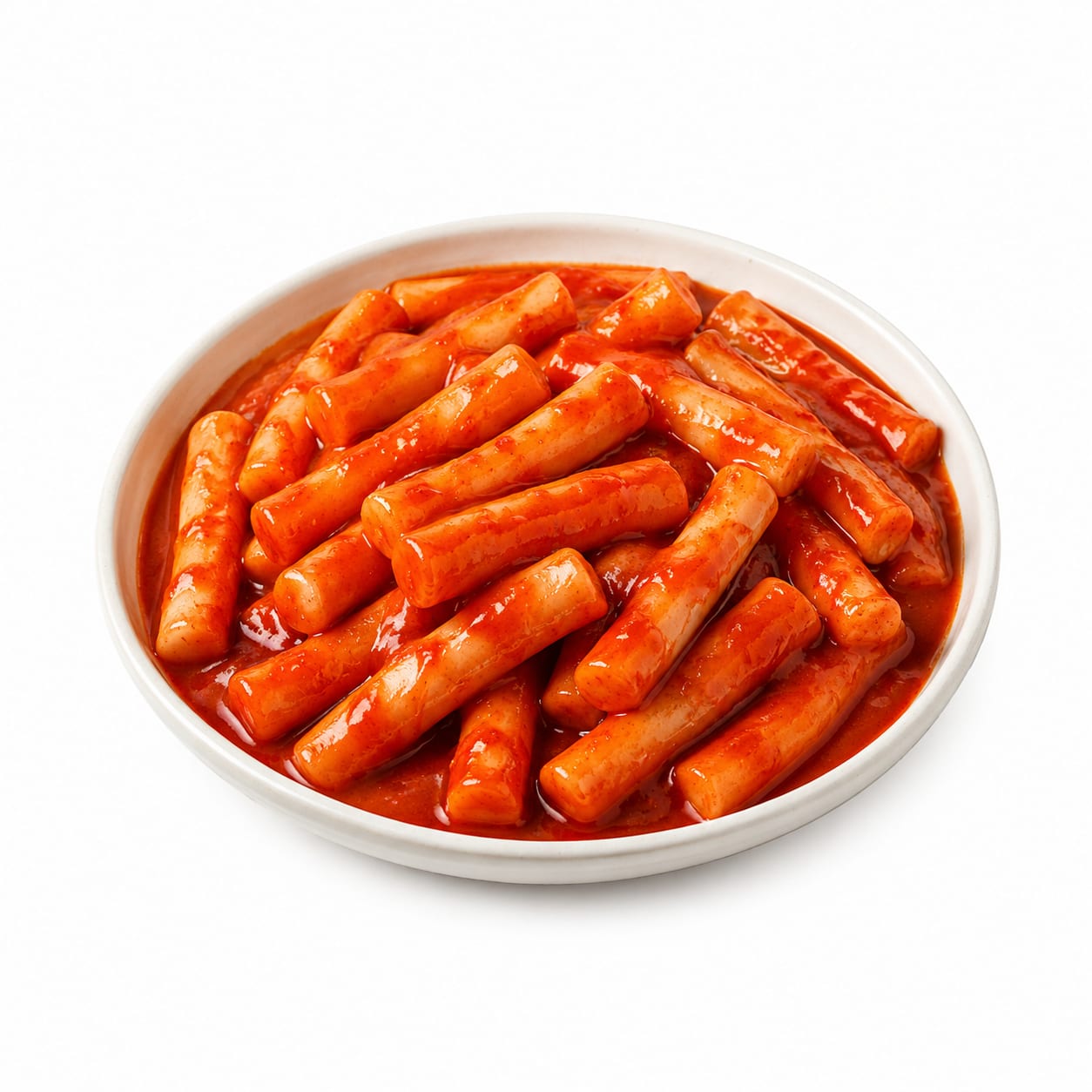
Tteokbokki
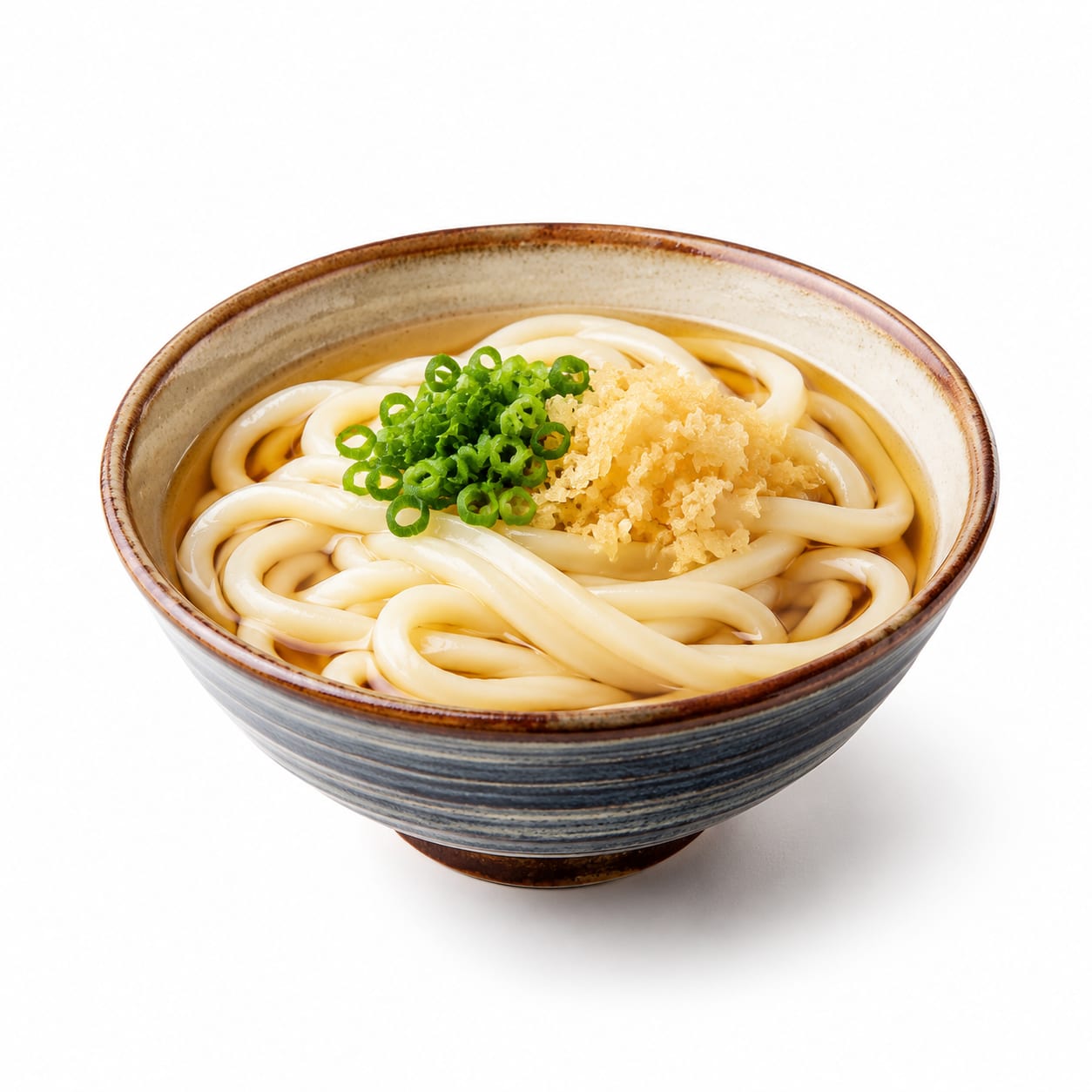
Udon
Udon is gentler on digestion and blood sugar, while Tteokbokki delivers a spicy-sweet kick but hits you with a heavier carb crash.
Neither is a nutritional powerhouse, but Udon scores higher due to easier digestion, lower sugar content, and the hydrating benefits of broth. Tteokbokki loses points for its high sugar sauce and harsher gastrointestinal impact.
Intense spicy-sweet satisfaction and chewy texture versus softer, broth-based comfort and steadier energy.
At a glance
Executive summary
Overall
Udon
Healthier
Udon
More practical
Udon
Daily use
Udon
Key comparison lenses
blood sugar impact
Both are heavy refined carb dishes, but Tteokbokki's rice cakes and sweet sauce create a sharper blood sugar spike
digestive comfort
Tteokbokki is notoriously spicy and chewy, while Udon is a soft, broth-based comfort food that is gentler on the stomach
sodium and hydration
Both are high-sodium Asian staples, but Udon provides hydrating broth which mitigates some dehydrating effects
satiety and crash risk
The sugar in Tteokbokki sauce leads to faster crashes, whereas Udon's hot broth provides a steadier feeling of fullness
Best choice for
Tteokbokki
- Craving a bold, spicy-sweet flavor punch
- Need a very chewy, snack-like texture
- Want a street-food experience at home
Udon
- Soothing an upset or sensitive stomach
- Needing a filling, warming meal in cold weather
- Prefer savory over sweet flavor profiles
Least suitable for
Tteokbokki
- People with acid reflux or sensitive stomachs
- Anyone monitoring blood sugar spikes
- Those trying to reduce sugar intake
Udon
- People strictly avoiding wheat or gluten
- Those who dislike hot liquids or soups
- Anyone looking for a low-sodium meal
Deep comparison
Dimension by dimension
Each lens scores both foods and breaks down who each option suits.
- Dimension 1 · Priority 95Udon
Blood Sugar Stability
Tteokbokki · 25Udon · 45Udon causes a slower rise in blood sugar compared to the rapid spike from Tteokbokki.
Tradeoff
You trade the immediate intense energy from Tteokbokki's sugar for a more sustained, less crash-prone energy from Udon.
Why it matters
Avoiding the sugar spike and crash cycle keeps your mood stable and prevents the afternoon slump.
Real-world impact
After eating Tteokbokki you might feel great for 30 minutes then suddenly exhausted; Udon keeps you feeling more even-keeled.
Tteokbokki
- Quick pre-workout carb loading if you need fast energy
Better for
- Triggering intense sugar cravings later in the day
Worse for
Udon
- Preventing the post-lunch food coma
- Managing insulin resistance
Better for
- Still high enough in refined carbs to disrupt ketosis
Worse for
- Dimension 2 · Priority 90Udon
Digestive Comfort
Tteokbokki · 20Udon · 75Udon is soothing and easy to digest, while Tteokbokki is spicy and extremely chewy, which can irritate the gut.
Tradeoff
You give up the exciting mouthburn of spicy food in exchange for a meal that won't leave you reaching for antacids.
Why it matters
Spicy, chewy foods can trigger acid reflux, bloating, and indigestion, especially if eaten quickly.
Real-world impact
Udon is the classic sick-day food for a reason—it goes down easy. Tteokbokki can leave your stomach churning for hours.
Tteokbokki
- Clearing sinuses when congested
Better for
- Worsening IBS or acid reflux symptoms
- Causing bloating from the dense rice cakes
Worse for
Udon
- Eating when you already have heartburn
- Recovering from a stomach bug
- Eating a late-night meal before bed
Better for
- Feeling too heavy if you eat the entire broth
Worse for
- Dimension 3 · Priority 80Udon
Satiety and Fullness
Tteokbokki · 40Udon · 70Udon's hot broth fills the stomach physically, while Tteokbokki's chewiness slows down eating but lacks lasting fullness.
Tradeoff
Chewy resistance versus volumetric filling. Broth takes up space in the stomach immediately, while chewy rice cakes digest quickly once swallowed.
Why it matters
Staying full longer helps you avoid unnecessary snacking between meals.
Real-world impact
A bowl of Udon feels like a heavy, warming anchor in your stomach. Tteokbokki can leave you surprisingly hungry an hour later despite the calorie load.
Tteokbokki
- Satisfying the urge to continuously chew
Better for
- High calorie density without lasting satiety
Worse for
Udon
- Staying full through a long work afternoon
- Warming up from the inside out
Better for
- Can feel too heavy right before physical activity
Worse for
- Dimension 4 · Priority 85It depends
Sodium Load
Tteokbokki · 35Udon · 40Both are sodium bombs, but the source differs. Tteokbokki gets it from concentrated sauce, Udon from soy-dashi broth.
Tradeoff
Concentrated sticky sodium versus liquid sodium. With Udon, you can leave some broth in the bowl to cut your salt intake.
Why it matters
High sodium intake directly impacts blood pressure and can cause next-day bloating.
Real-world impact
You will likely wake up puffy after eating either, but you can control the salt more easily by not drinking all the Udon broth.
Tteokbokki
- Sodium is mostly on the surface, so portion control is easier
Better for
- Sauce clings to the rice cakes, ensuring you consume every drop of sodium
Worse for
Udon
- You can dilute the broth or simply not drink it to reduce intake
Better for
- Drinking the entire bowl of broth is the equivalent of a salt bomb
Worse for
Timeline
Health impact over time
Short-term
Hours to days
Tteokbokki
- Rapid blood sugar spike followed by a crash
- Possible heartburn or stomach upset from spice and chewiness
- Immediate thirst from the sweet and salty sauce
Udon
- Comforting, warming sensation in the stomach
- Moderate blood sugar rise without a severe crash
- Bloating if you consume the entire large portion of broth
Long-term
Months to years
Tteokbokki
- Weight gain risk from high sugar and refined carb density
- Worsened insulin sensitivity from frequent sugar spikes
- Chronic acid reflux if eaten regularly
Udon
- Increased blood pressure risk from frequent high sodium intake
- Weight gain if portions are not controlled due to high carb load
- Potential wheat dependency and bloating
Risk profile
Safety & processing
Both rely on refined carbohydrates, but Tteokbokki sauce often contains added sugars, corn syrups, and preservatives, making it slightly more processed than simple Udon broth.
Tteokbokki
Foodborne illness from street vendors
mediumTteokbokki is often kept warm in large vats at street stalls, which can create bacterial growth if not heated properly.
Choking hazard
mediumThe extremely chewy and sticky texture of rice cakes poses a real choking risk, especially for children or if eaten too quickly.
Udon
Dehydration from high sodium
lowThe high salt content in the broth can cause water retention and dehydration if not balanced with water intake.
Gluten contamination
lowUdon noodles are strictly wheat-based, making them entirely unsafe for those with celiac disease or severe gluten intolerance.
Who wins for whom
Audience fit
Same foods, different winners depending on your goal.
children
UdonUdon's soft texture and mild, savory flavor are much safer and more appealing for kids than the choking hazard and intense spice of Tteokbokki.
daily consumption
UdonUdon is easier on the gastrointestinal tract and lacks the daily sugar hit, making it a more sustainable everyday lunch option.
diabetes
UdonUdon lacks the added sugar of Tteokbokki's gochujang sauce and causes a slightly less aggressive blood sugar spike.
elderly
UdonSoft noodles and warm broth are far easier to chew and digest than the tough, sticky rice cakes found in Tteokbokki.
muscle gain
It dependsNeither is ideal due to low protein, but Tteokbokki's faster-digesting carbs could serve as a quick post-workout glycogen replenisher if paired with a protein source.
weight loss
UdonThe hot broth fills the stomach with liquid volume, making it easier to feel full on fewer actual carb calories compared to the dense, sugar-heavy rice cakes.
Your move
Decision guide
Choose Tteokbokki
- You are craving something intensely spicy, sweet, and chewy
- You want a fun, snack-like street food experience
- You need a quick carb hit before a highly active afternoon
Choose Udon
- Your stomach is feeling sensitive or you have heartburn
- It is cold out and you want a warming, comforting meal
- You want to avoid the sugar crash that comes with sweet sauces
Either works if
- You are looking for a comforting, carb-heavy meal
- You are willing to add vegetables and lean protein to balance the bowl
- You are not worried about sodium intake today
Avoid both if
- You are on a strict low-carb or ketogenic diet
- You have severe hypertension and must minimize sodium
- You are looking for a high-protein, muscle-building meal
Final recommendation
Choose Udon for a comforting, stomach-friendly meal that will not send your blood sugar on a rollercoaster. Save Tteokbokki for when you specifically crave its unique spicy-sweet chew, but be prepared for the heavier crash and digestive load.
Practical
Consumer tips
- 1
Ask for Udon broth on the side to control your sodium intake by dipping rather than slurping the whole bowl
- 2
Add boiled eggs, fish cakes, or tofu to Tteokbokki to slow down the sugar absorption with protein
- 3
Drink plenty of water after eating either dish to flush out the high sodium content and reduce next-day bloating
- 4
If making Udon at home, use low-sodium soy sauce and load up the broth with spinach and mushrooms for nutrients
- 5
Eat Tteokbokki slowly to avoid choking on the sticky rice cakes and to give your stomach time to process the spice