
Nutrition comparison
Tteokbokki vs Mochi: Which Chewy Rice Snack Is Better?
Compare Tteokbokki and Mochi to see which glutinous rice treat fits your goals. Learn about the sodium vs sugar tradeoff, choking hazards, and blood sugar impacts.
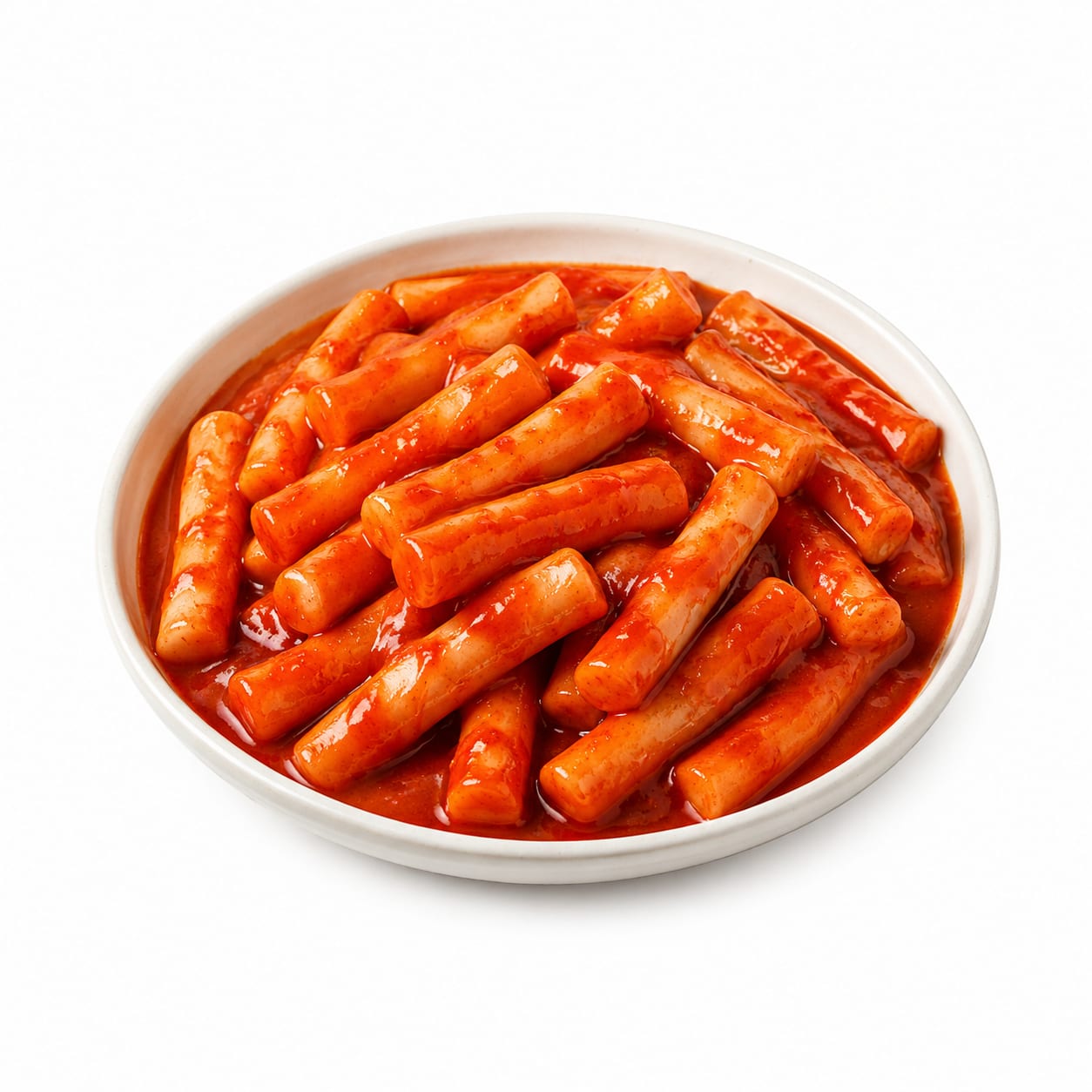
Tteokbokki
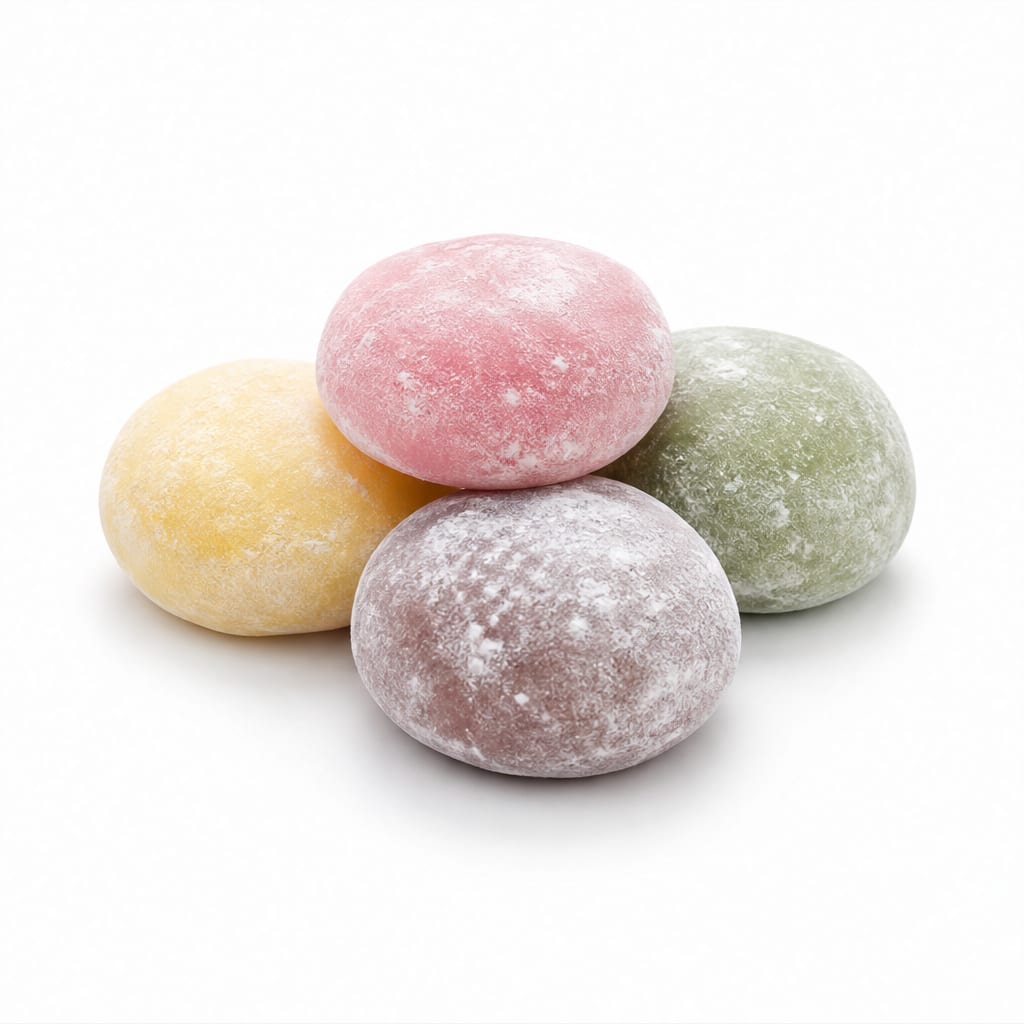
Mochi
Tteokbokki and Mochi are both chewy glutinous rice bases, but they trade sodium for sugar. Tteokbokki is a savory, spicy sodium bomb, while Mochi is a sweet, sugary dessert bite.
Both score low due to high refined carbohydrate content and minimal protein or fiber. Tteokbokki edges slightly ahead because its savory profile offers marginally better satiety, but its sodium is a major drawback. Mochi scores slightly lower due to higher sugar density and a severe choking hazard.
High sodium and savory satisfaction versus high sugar and sweet indulgence, with both delivering a heavy refined-carb load that spikes blood sugar.
At a glance
Executive summary
Overall
It depends
Healthier
It depends
More practical
Tteokbokki
Daily use
It depends
Key comparison lenses
blood sugar and carbohydrate load
Both are made from glutinous rice, making them high-glycemic foods that spike blood sugar rapidly
sodium versus sugar tradeoff
Tteokbokki is notoriously high in sodium from its spicy sauce, while Mochi is high in sugar from its sweet fillings and coatings
choking hazard and physical safety
Mochi is a well-known choking risk due to its dense, sticky texture, particularly for children and the elderly
satiety and meal replacement potential
Users often wonder if these can serve as a light meal or if they will just leave them hungry an hour later
Best choice for
Tteokbokki
- Savory snack cravings
- Post-workout carb replenishment (if sodium is needed)
- Those who prefer spicy comfort food
Mochi
- Sweet tooth satisfaction
- Lower sodium dietary requirements
- Quick dessert sharing
Least suitable for
Tteokbokki
- Hypertension and low-sodium diets
- Sensitive stomachs or acid reflux
- Late-night eating due to heavy spice
Mochi
- Diabetes or insulin resistance
- Young children and the elderly due to choking risk
- Strict low-sugar or keto diets
Deep comparison
Dimension by dimension
Each lens scores both foods and breaks down who each option suits.
- Dimension 1 · Priority 95It depends
Blood Sugar Stability
Tteokbokki · 20Mochi · 18Both are made of glutinous rice flour, which digests rapidly and causes sharp blood sugar spikes.
Tradeoff
Tteokbokki has added sugar in its sauce, but Mochi often contains dense sweet fillings like red bean or ice cream, making its sugar load slightly more aggressive.
Why it matters
Rapid blood sugar spikes lead to energy crashes and increased cravings shortly after eating.
Real-world impact
You will likely feel hungry again within an hour or two, regardless of which you choose.
Tteokbokki
- Those who can stop at a small portion
Better for
- People with insulin resistance
Worse for
Mochi
- Those pairing it with a protein source to blunt the spike
Better for
- Diabetics due to the double hit of rice and sweet filling
Worse for
- Dimension 2 · Priority 90Mochi
Sodium Load
Tteokbokki · 15Mochi · 80Tteokbokki is extremely high in sodium, while Mochi is naturally very low in sodium.
Tradeoff
The savory depth of Tteokbokki comes at the cost of massive sodium intake, whereas Mochi reserves its flavor budget entirely for sugar.
Why it matters
Excessive sodium intake drives up blood pressure and causes bloating.
Real-world impact
A single serving of Tteokbokki can easily contain half your daily sodium limit, leaving you thirsty and puffy the next day.
Tteokbokki
- Athletes who sweat heavily and need sodium replenishment
Better for
- People with hypertension
Worse for
Mochi
- Anyone watching their blood pressure
Better for
- Those who need electrolytes after intense exercise
Worse for
- Dimension 3 · Priority 85Tteokbokki
Sugar Content
Tteokbokki · 45Mochi · 25Tteokbokki sauce contains added sugar for balance, but Mochi is a fundamentally sweet dessert with high sugar density.
Tradeoff
Tteokbokki uses sugar to round out spice, while Mochi relies on sugar as its primary flavor driver.
Why it matters
High added sugar intake contributes to metabolic issues and feeds sugar cravings.
Real-world impact
Eating Mochi guarantees a significant sugar hit, whereas Tteokbokki's sugar is somewhat masked by heat and salt.
Tteokbokki
- Those trying to reduce overall added sugar intake
Better for
- People extremely sensitive to any sugar
Worse for
Mochi
- Those who prioritize low-sodium over low-sugar
Better for
- Anyone managing metabolic syndrome
Worse for
- Dimension 4 · Priority 85Tteokbokki
Safety and Choking Risk
Tteokbokki · 70Mochi · 30Mochi is a notorious choking hazard due to its dense, sticky, and elastic texture.
Tradeoff
While both foods are chewy, Mochi's thick, sticky consistency makes it far more dangerous to swallow improperly.
Why it matters
Choking on Mochi sends many people to the emergency room each year, especially children and the elderly.
Real-world impact
Mochi must be chewed thoroughly and eaten carefully, making it a stressful snack for young kids or older family members.
Tteokbokki
- Families with small children
Better for
- Those who eat too fast
Worse for
Mochi
- None regarding safety
Better for
- Elderly individuals with swallowing difficulties
Worse for
- Dimension 5 · Priority 75Tteokbokki
Satiety and Fullness
Tteokbokki · 55Mochi · 35Tteokbokki feels heavier and more filling initially due to its savory, saucy volume.
Tradeoff
Savory, spicy foods trick the brain into feeling more satisfied than sweet foods of equal caloric density.
Why it matters
Feeling full matters for preventing overconsumption later in the day.
Real-world impact
A bowl of Tteokbokki might hold you over for a couple of hours, while Mochi feels like an appetizer that triggers a desire for more sweets.
Tteokbokki
- A quick, heavy afternoon snack
Better for
- Those prone to overeating heavy carbs
Worse for
Mochi
- A light post-dinner treat
Better for
- Anyone trying to stay full until the next meal
Worse for
Timeline
Health impact over time
Short-term
Hours to days
Tteokbokki
- Rapid blood sugar spike followed by a crash
- Thirst and bloating from high sodium intake
- Potential indigestion or heartburn from spicy gochujang
Mochi
- Quick sugar rush and energy surge
- Immediate thirst from sugar density
- Risk of choking if not chewed completely
Long-term
Months to years
Tteokbokki
- Increased risk of hypertension from frequent high sodium consumption
- Weight gain from refined carbohydrate density
- Potential metabolic strain from blood sugar volatility
Mochi
- Increased risk of insulin resistance from frequent sugar spikes
- Dental cavities from sticky, sugary residues
- Weight gain from calorie-dense, low-satiety eating
Risk profile
Safety & processing
Tteokbokki often contains processed fish cakes and commercial sauces with preservatives and color additives. Traditional Mochi is relatively simple, using just glutinous rice, sugar, and bean paste, though commercial versions can contain artificial flavors and stabilizers.
Tteokbokki
Spicy food indigestion
lowThe heavy spice and chili paste can irritate the stomach lining or trigger acid reflux in sensitive individuals.
High sodium bloat
mediumCan cause immediate water retention and discomfort, particularly for those already salt-sensitive.
Mochi
Choking hazard
highThe sticky, elastic texture is a leading cause of food-related choking, especially in children under 5 and adults over 65.
Dental issues
lowThe sticky texture can pull out fillings or cling to teeth, promoting rapid cavity formation if not cleaned.
Who wins for whom
Audience fit
Same foods, different winners depending on your goal.
children
TteokbokkiTteokbokki is much safer for children due to the severe choking hazard posed by Mochi's sticky texture, though the spice level may need adjustment.
daily consumption
It dependsNeither should be consumed daily. Daily Tteokbokki will destroy your sodium budget, while daily Mochi will overload you with sugar and refined carbs.
diabetes
It dependsBoth are poor choices. Tteokbokki and Mochi will both cause sharp glucose spikes. Mochi's added sugar makes it slightly worse, but Tteokbokki's refined flour is nearly as problematic.
elderly
TteokbokkiMochi is extremely dangerous for the elderly due to choking risks and diminished swallowing reflexes. Tteokbokki is easier to swallow, though the sodium should be monitored.
muscle gain
TteokbokkiTteokbokki provides fast-digesting carbs that can replenish glycogen post-workout, and the sodium helps replace sweat losses, though it lacks protein.
weight loss
It dependsNeither is good for weight loss. Tteokbokki is more satiating but calorie-dense and high sodium. Mochi is less satiating, making it easier to overeat. Both should be strict portion-controlled treats.
Your move
Decision guide
Choose Tteokbokki
- You are craving something savory, spicy, and comforting
- You just finished a heavy workout and need carbs and salt
- You are sharing a snack with kids or older adults and want to avoid choking risks
Choose Mochi
- You want a sweet dessert to finish a meal
- You need to keep your sodium intake low for blood pressure reasons
- You are eating slowly and mindfully, and can chew thoroughly
Either works if
- You are simply looking for a chewy, carb-heavy comfort food
- You plan to pair it with a high-protein main dish to balance the meal
Avoid both if
- You are managing severe blood sugar issues or insulin resistance
- You are on a strict low-carb or ketogenic diet
- You are looking for a high-protein, nutrient-dense snack
Final recommendation
Choose Tteokbokki when you need a savory, filling snack and can afford the sodium hit. Choose Mochi when you want a sweet dessert treat, but always eat it carefully to avoid choking. For both, keep portions small and pair with protein or fiber to soften the inevitable blood sugar spike.
Practical
Consumer tips
- 1
Always cut Mochi into small, bite-sized pieces and chew thoroughly before swallowing, especially when serving to children or the elderly.
- 2
Drink plenty of water after eating Tteokbokki to help flush out the excess sodium and ease thirst.
- 3
Pair either snack with a protein source like boiled eggs or edamame to slow down digestion and prevent a severe sugar crash.
- 4
If making Tteokbokki at home, reduce the gochujang sauce amount and add lots of vegetables like cabbage and scallions to increase volume and fiber.
- 5
Opt for traditional plain Mochi over ice cream-filled versions to reduce the sheer amount of sugar per bite.