
Nutrition comparison
Tteokbokki vs Gnocchi: Which Carb Is Healthier and When to Choose Each
Compare Tteokbokki and Gnocchi on blood sugar, sodium, digestion, and meal versatility. Find out which one fits your health goals and when to indulge.
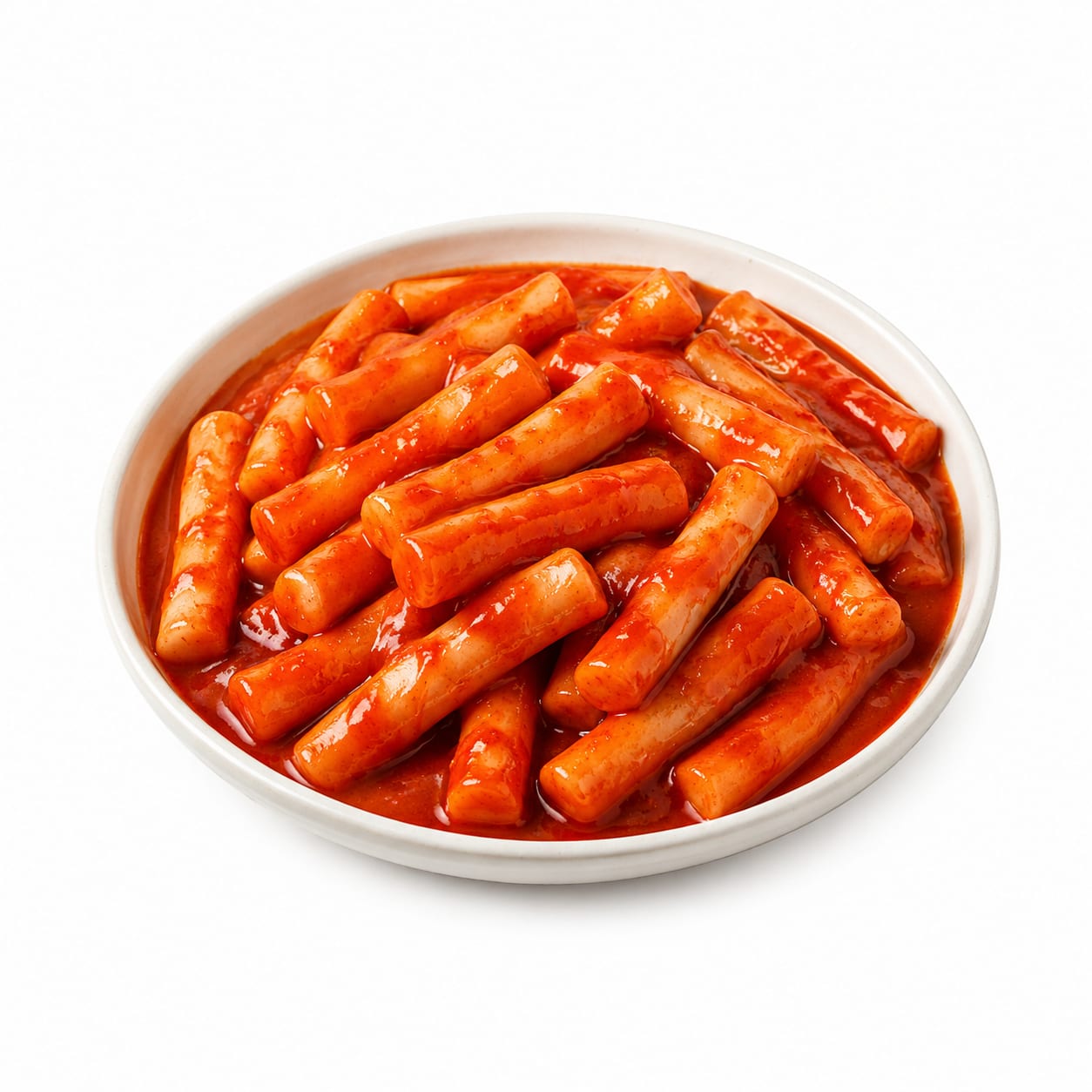
Tteokbokki
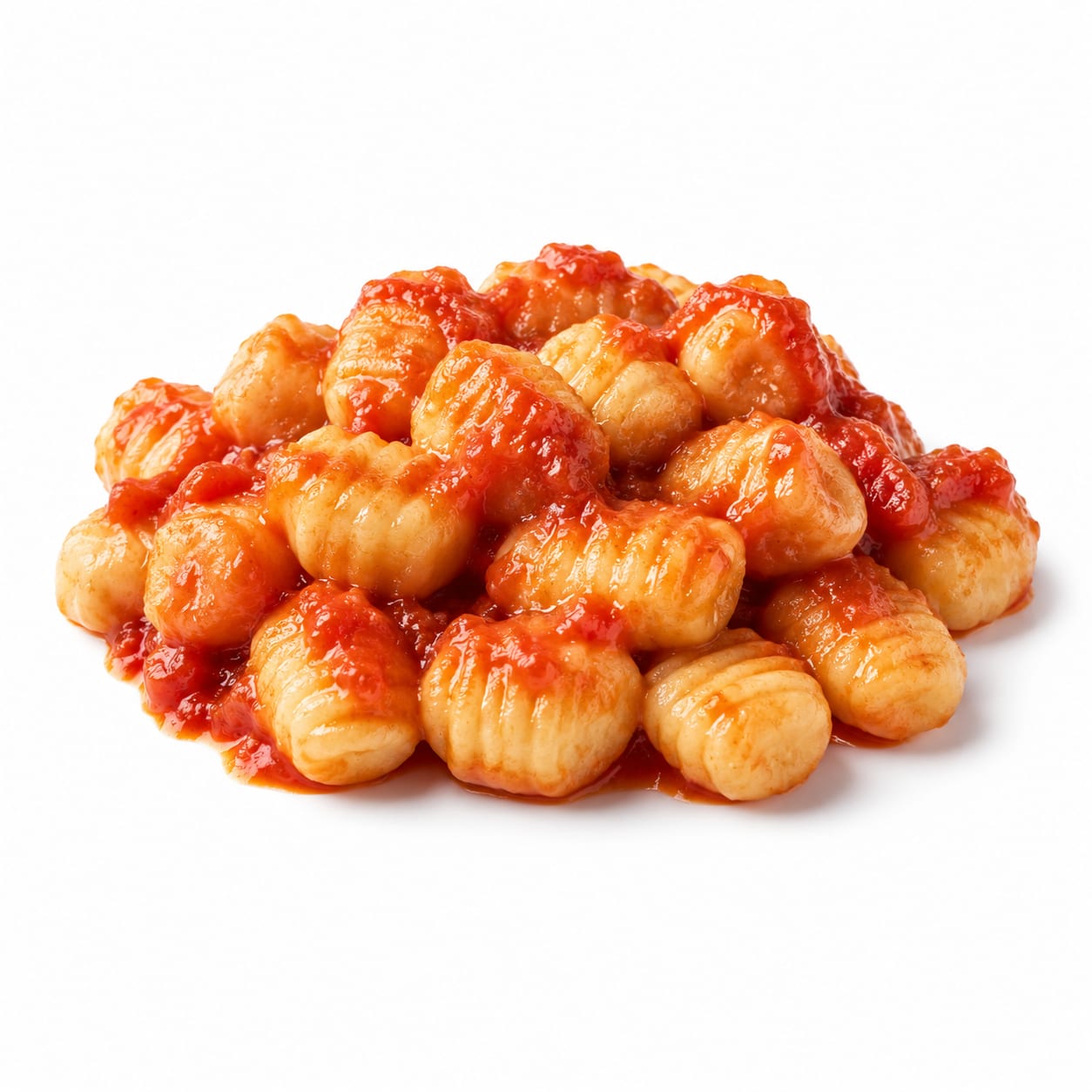
Gnocchi
Gnocchi is the safer everyday choice with lower sodium and more meal flexibility, while Tteokbokki offers bold flavor but comes with a heavy sodium and blood sugar cost.
Gnocchi scores moderately due to lower sodium, better versatility, and gentler digestion. Tteokbokki scores lower primarily because of its very high sodium load and sharp blood sugar impact, despite being deeply satisfying and culturally rich.
Tteokbokki delivers an intense, comforting spice experience at the expense of high sodium and blood sugar spikes; Gnocchi is milder and more adaptable but less exciting on its own.
At a glance
Executive summary
Overall
It depends
Healthier
Gnocchi
More practical
Gnocchi
Daily use
Gnocchi
Key comparison lenses
blood sugar and carb quality comparison
Both are dense carb-heavy foods but differ sharply in glycemic impact and how they affect energy after eating
sodium and heart health tradeoffs
Tteokbokki's gochujang sauce and fish cakes deliver very high sodium, while Gnocchi is typically much lower
digestive comfort and spice tolerance
Tteokbokki's chili heat can irritate sensitive stomachs, whereas Gnocchi is generally gentle and bland by comparison
versatility and meal flexibility
Gnocchi pairs with countless sauces and proteins, while Tteokbokki is usually eaten as a specific prepared dish
weight management and satiety
Both are calorie-dense carb foods, but their fillingness and overeating risk differ based on sauce and portion habits
Best choice for
Tteokbokki
- Craving bold spicy comfort food
- Need a quick energizing carb hit before physical activity
- Want an authentic Korean street food experience
Gnocchi
- Managing blood pressure or sodium intake
- Cooking a versatile dinner with varied sauces
- Needing a gentle, stomach-friendly carb base
Least suitable for
Tteokbokki
- People with hypertension or sodium-sensitive conditions
- Anyone monitoring blood sugar closely
- Those with spice sensitivity or GERD
Gnocchi
- People avoiding wheat or gluten
- Those seeking high-protein meals without add-ons
- Anyone wanting bold flavor without extra sauce effort
Deep comparison
Dimension by dimension
Each lens scores both foods and breaks down who each option suits.
- Dimension 1 · Priority 92Gnocchi
blood sugar stability
Tteokbokki · 22Gnocchi · 40Both spike blood sugar significantly, but Tteokbokki's rice cakes hit harder and faster than Gnocchi's potato-flour blend.
Tradeoff
Tteokbokki gives quick energy but crashes harder; Gnocchi is still high-GI but slightly slower to peak.
Why it matters
Frequent blood sugar spikes drive cravings, fatigue, and long-term metabolic risk.
Real-world impact
After Tteokbokki you may feel energized for 30 minutes then sluggish; Gnocchi gives a slightly longer runway before hunger returns.
Tteokbokki
- Pre-workout quick energy when you need fast carbs
Better for
- Anyone with insulin resistance or prediabetes
- Late-night eating when blood sugar should stay stable
Worse for
Gnocchi
- Sustained energy through a work afternoon
- Avoiding the post-meal crash and cravings
Better for
- Still not ideal for strict low-carb or keto diets
Worse for
- Dimension 2 · Priority 88Gnocchi
sodium and heart health
Tteokbokki · 18Gnocchi · 62Tteokbokki's sauce and fish cakes can deliver 1000-2000mg sodium per serving; Gnocchi with a simple sauce stays well under that.
Tradeoff
The bold umami flavor of Tteokbokki comes with a sodium hit that can exceed half your daily limit in one bowl.
Why it matters
High sodium intake is the leading dietary risk factor for hypertension and cardiovascular disease.
Real-world impact
Regular Tteokbokki consumption can easily push daily sodium over recommended limits, especially if you eat other seasoned foods that day.
Tteokbokki
- Replenishing sodium after heavy sweating or endurance exercise
Better for
- Anyone with hypertension, kidney issues, or salt sensitivity
Worse for
Gnocchi
- Managing blood pressure long-term
- Eating carb comfort food without the salt overload
Better for
- Not a concern — Gnocchi is relatively low sodium by default
Worse for
- Dimension 3 · Priority 80Gnocchi
digestive comfort
Tteokbokki · 30Gnocchi · 68Tteokbokki's chili sauce and chewy rice cakes can be rough on sensitive stomachs; Gnocchi is soft, mild, and easy to digest.
Tradeoff
The spicy kick that makes Tteokbokki addictive is the same thing that can trigger heartburn or stomach upset.
Why it matters
Digestive discomfort affects meal satisfaction, sleep quality, and whether you want to eat that food again.
Real-world impact
Tteokbokki late at night often means heartburn; Gnocchi with a gentle sauce is a safer evening choice.
Tteokbokki
- Those with strong digestion who enjoy spicy food without issues
Better for
- Anyone prone to heartburn or IBS flare-ups from spice
Worse for
Gnocchi
- People with GERD, acid reflux, or sensitive stomachs
- A comforting meal when your stomach is already upset
Better for
- Can feel heavy if served in rich cream sauce
Worse for
- Dimension 4 · Priority 75Gnocchi
versatility and meal building
Tteokbokki · 28Gnocchi · 78Gnocchi works as a blank canvas for pesto, tomato, sage butter, or protein additions; Tteokbokki is essentially a complete dish with limited variation.
Tradeoff
Tteokbokki delivers a specific experience that is hard to modify; Gnocchi adapts to whatever you have in the fridge.
Why it matters
Meal versatility determines how often you can eat something without getting bored or nutritionally imbalanced.
Real-world impact
You can build a different Gnocchi dinner every night of the week; Tteokbokki is more of a craving-specific indulgence.
Tteokbokki
- When you specifically want that Korean street food experience
Better for
- Limited ways to increase protein or add vegetables without changing the dish's identity
Worse for
Gnocchi
- Meal prep and weekly dinner rotation
- Adding vegetables, lean protein, or different flavor profiles
- Cooking for picky eaters who prefer mild flavors
Better for
- Requires more effort to make exciting on its own
Worse for
- Dimension 5 · Priority 72It depends
satiety and overeating risk
Tteokbokki · 45Gnocchi · 50Both are easy to overeat, but for different reasons: Tteokbokki's spicy-sweet sauce keeps you going back, while Gnocchi's soft texture disappears fast.
Tradeoff
Tteokbokki's chew gives more oral satisfaction but the sauce drives mindless eating; Gnocchi feels filling initially but hunger returns sooner.
Why it matters
Foods that are easy to overeat undermine weight management regardless of their other nutritional qualities.
Real-world impact
A large Tteokbokki portion can easily hit 600-800 calories before you feel full; Gnocchi with a light sauce is easier to portion-control.
Tteokbokki
- The chewy texture provides more eating satisfaction per bite
Better for
- Spicy-sweet sauce combo is engineered to override fullness signals
Worse for
Gnocchi
- Easier to pair with protein and vegetables for a balanced plate
- Simpler to control portions when not drenched in sauce
Better for
- Soft texture means you can eat a large volume before feeling full
Worse for
- Dimension 6 · Priority 65Gnocchi
nutritional density
Tteokbokki · 25Gnocchi · 42Neither food is a nutritional powerhouse, but Gnocchi's potato base offers slightly more potassium and vitamin C than Tteokbokki's refined rice flour.
Tradeoff
Both are primarily carb vehicles — the real nutrition comes from what you add, and Gnocchi makes adding nutrients easier.
Why it matters
Eating carb-heavy foods without micronutrients is a missed opportunity for daily nutrition.
Real-world impact
A Gnocchi dish with spinach and tomatoes actually contributes meaningful vitamins; Tteokbokki's additions are usually fish cakes with minimal micronutrient value.
Tteokbokki
- Fish cakes add a small amount of protein and iodine
Better for
- Rice cakes are essentially refined carbs with minimal micronutrients
Worse for
Gnocchi
- Potato base retains some potassium and B vitamins
- Easier to incorporate nutrient-dense sauces and toppings
Better for
- Still a low-protein, low-fiber food without thoughtful additions
Worse for
Timeline
Health impact over time
Short-term
Hours to days
Tteokbokki
- Rapid blood sugar spike within 30-60 minutes of eating
- Possible heartburn or stomach warmth from chili sauce
- High sodium may cause noticeable thirst and bloating
- Quick energy burst followed by a crash
Gnocchi
- Moderate blood sugar rise depending on sauce and portion
- Gentle on the stomach with most sauce pairings
- Comforting and filling in the moment
- Less thirst and bloating compared to Tteokbokki
Long-term
Months to years
Tteokbokki
- Frequent consumption raises hypertension risk due to sodium load
- Regular high-GI meals may worsen insulin sensitivity over time
- Spicy food habituation may increase tolerance but not reduce GI irritation risk
- Possible contribution to weight gain if eaten as frequent snacks
Gnocchi
- More sustainable as an occasional carb base in a balanced diet
- Lower sodium exposure supports better cardiovascular outcomes
- Versatility makes it easier to build nutritionally complete meals around it
- Still a high-carb food that needs portion awareness for weight management
Risk profile
Safety & processing
Both foods involve processing — rice cakes are made from refined rice flour, and Gnocchi combines potato with wheat flour. However, Tteokbokki's sauce often contains added sugar, preservatives in fish cakes, and flavor enhancers, pushing its additive concern higher. Fresh or homemade Gnocchi with simple ingredients is closer to whole food.
Tteokbokki
high sodium from sauce and fish cakes
mediumA single serving can contain 1000-2000mg sodium, which is 50-90% of the daily recommended limit for most adults.
potential allergens in fish cakes
mediumFish cakes commonly contain wheat, fish, and sometimes shellfish, which are major allergens often overlooked in street food settings.
foodborne illness from street vendors
lowStreet food Tteokbokki kept warm for extended periods can harbor bacteria if temperature control is inadequate.
Gnocchi
gluten exposure from wheat flour
mediumTraditional Gnocchi contains wheat flour, making it unsuitable for those with celiac disease or gluten sensitivity.
undercooking texture risk
lowUndercooked Gnocchi can be gummy and harder to digest, though not a safety concern per se.
Who wins for whom
Audience fit
Same foods, different winners depending on your goal.
children
GnocchiGnocchi's mild flavor and soft texture are kid-friendly; Tteokbokki's spice and high sodium make it less appropriate for young children.
daily consumption
GnocchiGnocchi's lower sodium, milder digestion impact, and meal versatility make it more sustainable as a regular carb option.
diabetes
GnocchiBoth are high-GI, but Gnocchi has a slightly lower glycemic impact and is easier to combine with fiber and protein to slow absorption.
elderly
GnocchiGnocchi is gentle on digestion and lower in sodium, which matters more for older adults managing blood pressure and stomach sensitivity.
muscle gain
It dependsNeither is a protein source — both need added protein. Gnocchi is easier to pair with chicken or lean meat, but Tteokbokki's fish cakes add a small protein edge.
weight loss
GnocchiGnocchi is easier to portion control and pair with low-calorie sauces and vegetables, while Tteokbokki's sauce-driven overeating makes calorie management harder.
Your move
Decision guide
Choose Tteokbokki
- You are craving bold, spicy comfort and nothing else will satisfy
- You need fast carbs before a workout or physical activity
- You are sharing a Korean food experience with friends
- You have no sodium or blood sugar concerns and want a treat
Choose Gnocchi
- You want a versatile carb base for a balanced dinner
- You are watching your sodium or blood pressure
- You have a sensitive stomach or are eating late at night
- You need something you can dress up with vegetables and lean protein
- You are meal prepping for the week
Either works if
- You just want a comforting carb dish and have no specific health restrictions
- You plan to add protein and vegetables regardless of which base you pick
Avoid both if
- You are on a strict low-carb or ketogenic diet
- You need high protein and neither food is paired with a protein source
- You are managing severe blood sugar issues and cannot afford any high-GI meal
Final recommendation
Make Gnocchi your everyday carb and save Tteokbokki for when the spicy craving hits. If you love Tteokbokki, consider making it at home with reduced-sauce portions and added vegetables to cut the sodium and slow the blood sugar spike.
Practical
Consumer tips
- 1
Ask for less sauce when ordering Tteokbokki to cut sodium by 30-40%
- 2
Add boiled eggs and vegetables to Tteokbokki for more protein and fiber
- 3
Choose fresh or homemade Gnocchi over shelf-stable versions for fewer preservatives
- 4
Pair Gnocchi with tomato-based sauces instead of cream sauces for a lighter meal
- 5
Drink extra water after Tteokbokki to help flush excess sodium
- 6
If making Tteokbokki at home, use low-sodium gochujang and reduce added sugar
- 7
Toss Gnocchi with spinach, zucchini, or broccoli to turn it into a more complete meal
- 8
Both foods freeze well — batch cook Gnocchi and freeze portions for quick weeknight dinners