
Nutrition comparison
Tteokbokki vs Mac and Cheese: Which Comfort Food Is Healthier?
Compare Tteokbokki and Mac and Cheese on calories, sodium, blood sugar impact, and satiety. Find out which spicy Korean comfort food or creamy classic fits your health goals better.
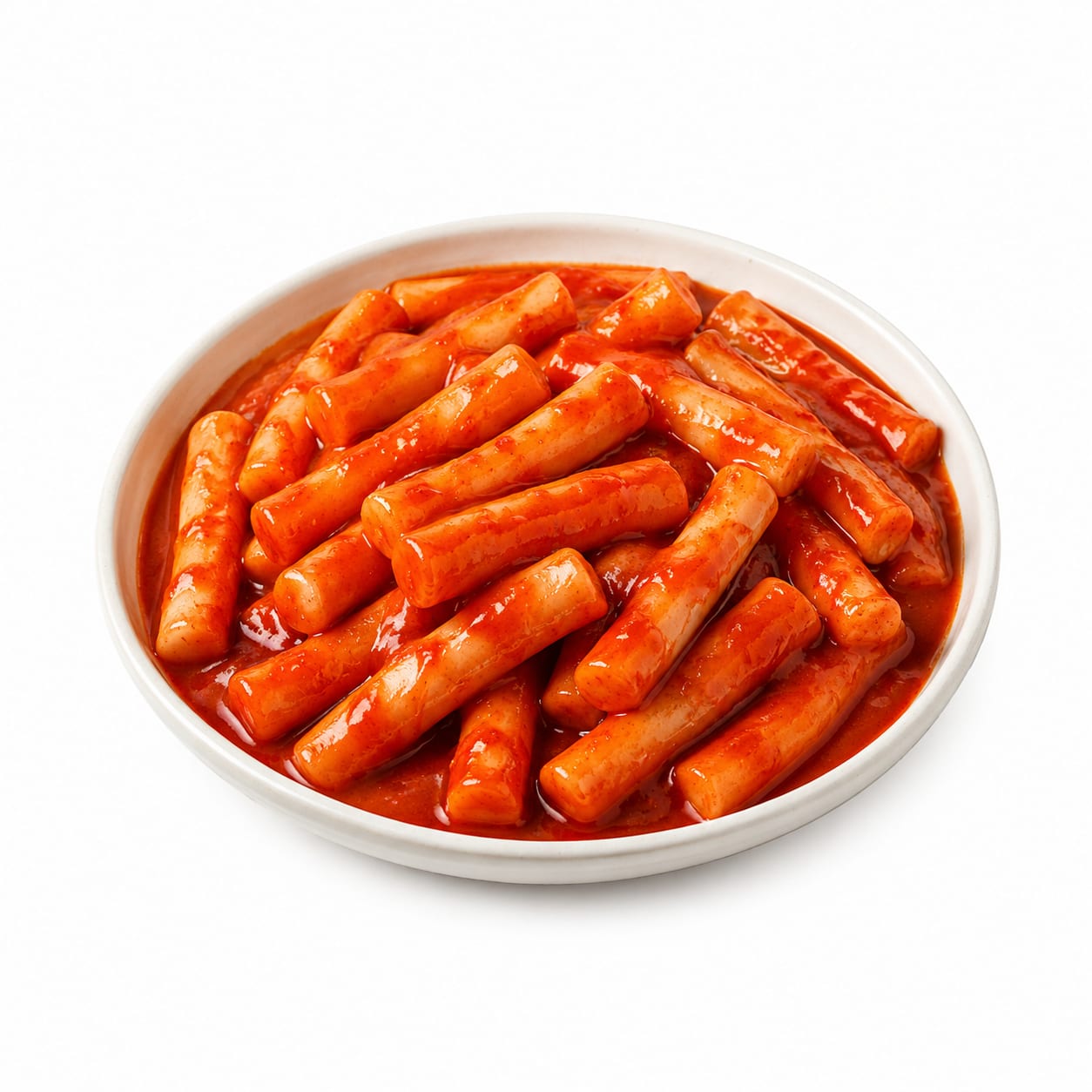
Tteokbokki
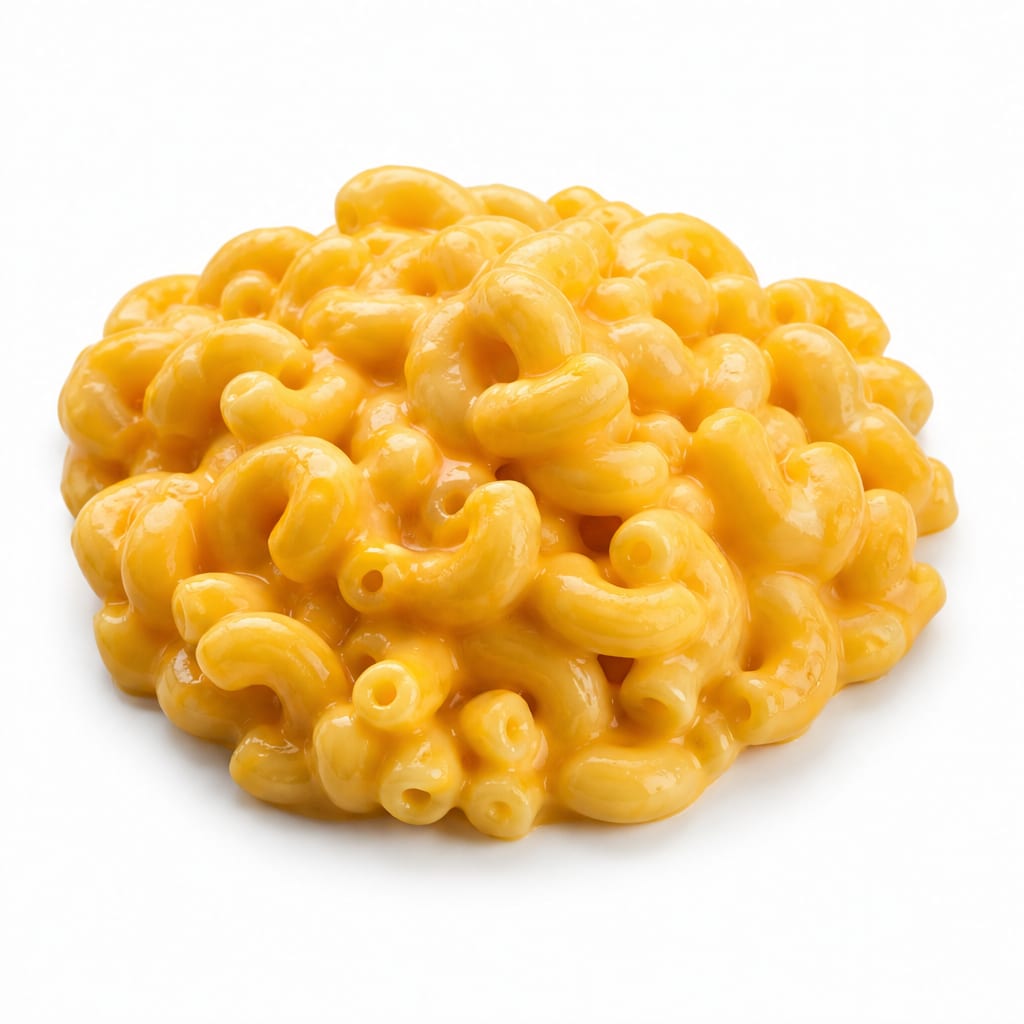
Mac and Cheese
Neither is a health food, but each shines in different moments — Tteokbokki for lighter spicy satisfaction, Mac and Cheese for creamy filling comfort.
Both score low-moderate because they are carb-heavy comfort foods with significant nutritional tradeoffs. Tteokbokki edges slightly ahead due to lower calorie density and fermented sauce benefits, but its sodium and blood sugar impact keep the score modest. Mac and Cheese offers better satiety through fat and protein but at a higher caloric cost.
Tteokbokki is lower in fat and calories but higher in sodium and faster-digesting carbs; Mac and Cheese offers more protein and satiety but packs more saturated fat and calories per bite.
At a glance
Executive summary
Overall
It depends
Healthier
It depends
More practical
Mac and Cheese
Daily use
neither
Key comparison lenses
comfort food tradeoff between spicy fermented vs creamy dairy
Both are iconic comfort foods but deliver satisfaction through completely different mechanisms — heat and fermentation versus richness and fat
blood sugar and carb load management
Both are carb-dense meals that can spike blood sugar, but the rice cakes in Tteokbokki digest even faster than wheat pasta
sodium awareness
Tteokbokki's gochujang and fish cakes load it with sodium, while Mac and Cheese can also be surprisingly salty especially from boxed versions
processing level and ingredient quality
Both range widely from homemade to ultra-processed instant versions, making preparation method the biggest variable
digestive tolerance and food sensitivity
Dairy and gluten in Mac and Cheese versus spice and sodium in Tteokbokki create different digestive stress points
Best choice for
Tteokbokki
- People avoiding dairy
- Those who prefer lighter-feeling meals
- Anyone seeking fermented food benefits from gochujang
- Gluten-sensitive individuals
- Spice lovers wanting metabolism-friendly heat
Mac and Cheese
- Kids and picky eaters
- People needing higher calorie intake
- Anyone craving genuine fullness after eating
- Those who find spicy food uncomfortable
- Post-workout when you need protein and carbs together
Least suitable for
Tteokbokki
- People with sodium-sensitive hypertension
- Anyone with GERD or acid reflux triggered by spice
- Those who need steady blood sugar control
- People prone to overeating when food is highly palatable
Mac and Cheese
- Anyone with lactose intolerance or dairy sensitivity
- People monitoring saturated fat for heart health
- Those trying to lose weight through calorie control
- Anyone avoiding gluten
Deep comparison
Dimension by dimension
Each lens scores both foods and breaks down who each option suits.
- Dimension 1 · Priority 92Mac and Cheese
Blood Sugar Stability
Tteokbokki · 25Mac and Cheese · 38Both will spike blood sugar, but rice cakes digest faster than wheat pasta, making Tteokbokki the rougher ride for glucose.
Tradeoff
Tteokbokki's rice cakes are essentially pure rapidly-digesting starch with almost no fiber buffer. Mac and Cheese at least has slightly slower-digesting pasta and fat from cheese that blunts the spike somewhat.
Why it matters
If you are prediabetic or sensitive to energy crashes, neither is great, but Tteokbokki will likely hit harder and fade faster.
Real-world impact
After Tteokbokki you might feel a quick surge then a slump within 90 minutes. Mac and Cheese tends to keep you fuller longer but can leave you feeling heavy and sluggish instead.
Tteokbokki
- Quick energy before activity when you need fast fuel
Better for
- Steady energy throughout the afternoon
- Anyone managing insulin resistance
Worse for
Mac and Cheese
- Longer-lasting energy between meals
- Slightly gentler glucose curve due to fat content
Better for
- Light meals that do not cause food coma
Worse for
- Dimension 2 · Priority 88Mac and Cheese
Satiety and Fullness
Tteokbokki · 35Mac and Cheese · 62Mac and Cheese keeps you full longer thanks to fat and protein from cheese. Tteokbokki digests quickly and hunger returns fast.
Tradeoff
The fullness from Mac and Cheese comes at a high calorie cost. Tteokbokki leaves you lighter but you will be hungry again sooner, which can lead to overeating later.
Why it matters
If you are eating one meal and need it to hold you, Mac and Cheese wins. If you prefer eating lighter and more frequently, Tteokbokki fits better.
Real-world impact
A bowl of Tteokbokki might leave you reaching for a snack in two hours. Mac and Cheese can suppress hunger for four hours but may make you feel too stuffed to be productive.
Tteokbokki
- Smaller appetite-friendly portions
- Avoiding that overly full sluggish feeling
Better for
- Reliable hunger suppression
- Avoiding late-night cravings after an unsatisfying dinner
Worse for
Mac and Cheese
- Getting through a long afternoon without snacking
- One meal that actually holds you
Better for
- Feeling light and energized after eating
Worse for
- Dimension 3 · Priority 85Mac and Cheese
Sodium Load
Tteokbokki · 28Mac and Cheese · 42Tteokbokki is a sodium bomb between gochujang, soy sauce, and fish cakes. Mac and Cheese can also be salty but typically less extreme.
Tradeoff
Homemade Mac and Cheese lets you control salt easily. Tteokbokki's signature flavor depends on high-sodium ingredients that are harder to reduce without losing taste.
Why it matters
A single serving of Tteokbokki can easily exceed 1000mg sodium. If you have blood pressure concerns, this matters daily.
Real-world impact
After Tteokbokki you might notice thirst, bloating, or puffy fingers the next morning. Mac and Cheese is more manageable, especially homemade with less salt.
Tteokbokki
- Post-sweat repletion when you actually need sodium
Better for
- Anyone watching blood pressure
- Evening meals when you want to avoid morning bloat
Worse for
Mac and Cheese
- Daily sodium budgets
- Blood pressure management
Better for
- Boxed versions can still be quite high in sodium
Worse for
- Dimension 4 · Priority 82Tteokbokki
Calorie Density and Weight Management
Tteokbokki · 55Mac and Cheese · 32Tteokbokki is generally lower in calories per serving because it relies on spice and starch rather than fat and cheese for flavor.
Tradeoff
Lower calories but less satiety means you might eat more overall. Mac and Cheese is calorie-dense but filling, so portions naturally stay smaller.
Why it matters
For pure calorie counting, Tteokbokki wins. But real-world weight management depends on whether you actually stop eating after one serving.
Real-world impact
You can eat a generous bowl of Tteokbokki for roughly 400-500 calories. The same volume of Mac and Cheese could easily top 600-800 calories.
Tteokbokki
- Calorie-conscious eating
- Larger portion satisfaction without the calorie hit
Better for
- Portion control when the spicy-sweet combo drives overeating
Worse for
Mac and Cheese
- High-calorie needs when you struggle to eat enough
Better for
- Cutting calories while still feeling satisfied
Worse for
- Dimension 5 · Priority 78Tteokbokki
Nutritional Value Beyond Calories
Tteokbokki · 42Mac and Cheese · 38Tteokbokki edges ahead slightly thanks to fermented gochujang and capsaicin benefits. Mac and Cheese offers calcium and protein but limited micronutrients.
Tradeoff
Neither is a nutritional powerhouse. Tteokbokki's fermentation and spice carry modest metabolic benefits. Mac and Cheese's cheese provides real calcium and protein but also significant saturated fat.
Why it matters
If you eat these regularly, the small advantages compound. Fermented foods support gut health; calcium supports bone density. Both matter long-term.
Real-world impact
Gochujang may support gut microbiome diversity and capsaicin can slightly boost metabolism. Cheese provides absorbable calcium but the saturated fat is a tradeoff for cardiovascular health.
Tteokbokki
- Gut health from fermented gochujang
- Metabolic boost from capsaicin
- Common additions like boiled eggs add real protein
Better for
- Meaningful micronutrient diversity
- Consistent protein intake
Worse for
Mac and Cheese
- Calcium for bone health
- More complete protein from cheese
Better for
- Gut microbiome support
- Anti-inflammatory food components
Worse for
- Dimension 6 · Priority 72It depends
Digestive Tolerance
Tteokbokki · 40Mac and Cheese · 40Both are common triggers but for different people. Spice and sodium bother some; dairy and fat bother others.
Tradeoff
Tteokbokki's spice can irritate GERD and sensitive stomachs. Mac and Cheese's dairy and fat can cause bloating and sluggish digestion. Your personal sensitivity determines which is worse.
Why it matters
If you have IBS, reflux, or food sensitivities, one of these will clearly be worse for you personally.
Real-world impact
Spicy Tteokbokki late at night is a reflux recipe for many. Heavy Mac and Cheese can cause bloating and constipation if you are lactose sensitive.
Tteokbokki
- People with lactose intolerance
- Those who tolerate spice well
Better for
- Acid reflux sufferers
- People with gastritis
Worse for
Mac and Cheese
- People with GERD or spice sensitivity
- Those who digest dairy without issues
Better for
- Lactose intolerant individuals
- Anyone with dairy-triggered acne or congestion
Worse for
- Dimension 7 · Priority 70It depends
Emotional Eating and Comfort
Tteokbokki · 60Mac and Cheese · 65Mac and Cheese is the ultimate creamy comfort classic. Tteokbokki delivers a different comfort through spicy warmth and chewy texture satisfaction.
Tradeoff
Mac and Cheese soothes through richness and familiarity. Tteokbokki soothes through heat-induced endorphins and the satisfying chew of rice cakes. Both can trigger overeating through different mechanisms.
Why it matters
Emotional eating patterns differ. Some people find spicy food self-limiting; others find creamy richness impossible to stop eating.
Real-world impact
Spice can naturally limit portions because your mouth says stop. Creamy cheese sauce rarely triggers that brake, making it easier to accidentally overeat.
Tteokbokki
- Built-in portion control from spice
- Endorphin-driven mood boost
Better for
- Stress eating when your stomach is already upset
Worse for
Mac and Cheese
- Deep soothing comfort on bad days
- Nostalgia and emotional warmth
Better for
- Mindless eating while distracted — easy to overconsume
Worse for
Timeline
Health impact over time
Short-term
Hours to days
Tteokbokki
- Quick energy spike followed by a crash within 1-2 hours
- Possible thirst and bloating from high sodium
- Endorphin release from capsaicin can improve mood temporarily
- Spice may cause heartburn or stomach irritation in sensitive people
Mac and Cheese
- Heavy fullness that can cause drowsiness or food coma
- Sustained energy for 3-4 hours due to fat and protein content
- Dairy may cause bloating or gas in lactose-sensitive individuals
- Warm comfort and satisfaction from creamy texture
Long-term
Months to years
Tteokbokki
- Regular high sodium intake may increase blood pressure over time
- Fermented gochujang may support gut microbiome if consumed regularly
- Chronic blood sugar spikes from refined rice cakes can worsen insulin sensitivity
- Capsaicin from regular spicy food consumption may support metabolic health
Mac and Cheese
- Frequent saturated fat intake from cheese may impact cardiovascular markers
- Regular calcium intake supports bone density long-term
- High calorie density can contribute to gradual weight gain if portions are not managed
- Ultra-processed boxed versions consumed regularly may increase inflammatory markers
Risk profile
Safety & processing
Both vary enormously by preparation. Homemade Tteokbokki with simple gochujang and fresh rice cakes is moderately processed. Homemade Mac and Cheese with real cheese and pasta is similarly moderate. However, instant Tteokbokki kits and boxed Mac and Cheese both push into ultra-processed territory with preservatives, artificial flavors, and emulsifiers. The boxed Mac and Cheese is generally more processed than instant Tteokbokki due to cheese powder, artificial colors, and emulsifiers.
Tteokbokki
High sodium from gochujang and fish cakes
mediumA single serving can contain 800-1500mg sodium. Regular consumption without balancing with low-sodium meals can strain blood pressure management.
Spice-related gastrointestinal irritation
lowCapsaicin can aggravate GERD, ulcers, or sensitive stomachs. Usually temporary and dose-dependent.
Fish cake additives and preservatives
lowCommercial fish cakes often contain phosphates and preservatives. Choosing quality fish cakes or omitting them reduces this concern.
Mac and Cheese
Saturated fat and cholesterol from cheese
mediumRegular high intake of saturated fat from cheese may raise LDL cholesterol over time, especially if the rest of the diet is also high in saturated fat.
Artificial colors and emulsifiers in boxed versions
mediumBoxed Mac and Cheese often contains yellow dyes and emulsifiers like sodium phosphate, which may have gut health implications with regular consumption.
Dairy-related foodborne illness if improperly stored
lowCheese sauce left at room temperature can grow harmful bacteria. Homemade versions require prompt refrigeration.
Who wins for whom
Audience fit
Same foods, different winners depending on your goal.
children
Mac and CheeseKids generally prefer mild creamy flavors over spicy heat. Mac and Cheese is a familiar, safe option that most children will actually eat and enjoy.
daily consumption
neitherBoth are comfort foods best enjoyed a few times per month. Daily consumption of either would likely contribute to excessive sodium, refined carbs, or saturated fat intake.
diabetes
It dependsNeither is ideal. Tteokbokki spikes blood sugar faster but has less fat. Mac and Cheese has a slightly gentler glucose curve due to fat content but is higher in calories. Both require portion control and pairing with fiber or protein.
elderly
Mac and CheeseSofter texture, higher calcium for bone health, and no spicy irritation make Mac and Cheese more suitable for older adults with digestive sensitivities.
muscle gain
Mac and CheeseMore protein from cheese and the carb-protein-fat combination supports muscle recovery better than the nearly protein-free rice cakes in Tteokbokki, unless you add eggs or fish cakes.
weight loss
TteokbokkiLower calorie density per serving makes it easier to fit into a calorie deficit, though the lack of satiety means you need to be mindful of hunger-driven snacking afterward.
Your move
Decision guide
Choose Tteokbokki
- You want something lighter that will not put you in a food coma
- You are avoiding dairy or gluten
- You crave spicy satisfaction and the endorphin rush that comes with it
- You want a lower-calorie comfort food option
- You are eating with others who enjoy Korean flavors
Choose Mac and Cheese
- You need a meal that will genuinely fill you up for hours
- You are feeding kids or people who avoid spice
- You want creamy comfort on a tough day
- You need more calories and protein in your day
- You are meal-prepping something universally crowd-pleasing
Either works if
- You are treating yourself and neither will be a regular habit
- You plan to add vegetables or protein to balance the meal
- You are eating after physical activity and need carb replenishment
Avoid both if
- You are managing diabetes and need stable blood sugar today
- You are on a strict low-sodium diet
- You are trying to break a cycle of emotional comfort eating
- You have already eaten heavily processed food today
Final recommendation
Choose based on what your body needs in the moment. Want something lighter and spicy? Tteokbokki satisfies without the heavy weight. Need real fullness and comfort? Mac and Cheese delivers. Whichever you pick, add a vegetable side and consider it a treat meal, not a daily staple. The biggest health win is making either one from scratch rather than reaching for the instant or boxed version.
Practical
Consumer tips
- 1
Add boiled eggs or edamame to Tteokbokki for protein that slows the blood sugar spike
- 2
Stir vegetables like cabbage or scallions into Tteokbokki to add fiber and bulk
- 3
Use whole wheat or chickpea pasta for Mac and Cheese to improve fiber and protein content
- 4
Reduce cheese amount by half in Mac and Cheese and add nutritional yeast for flavor with less saturated fat
- 5
Make either from scratch to control sodium and avoid preservatives found in instant or boxed versions
- 6
Drink extra water after Tteokbokki to help flush the sodium and ease digestion
- 7
If using boxed Mac and Cheese, skip the butter and use milk only to cut saturated fat significantly
- 8
Pair either dish with a large side salad to add volume and nutrients without many calories