
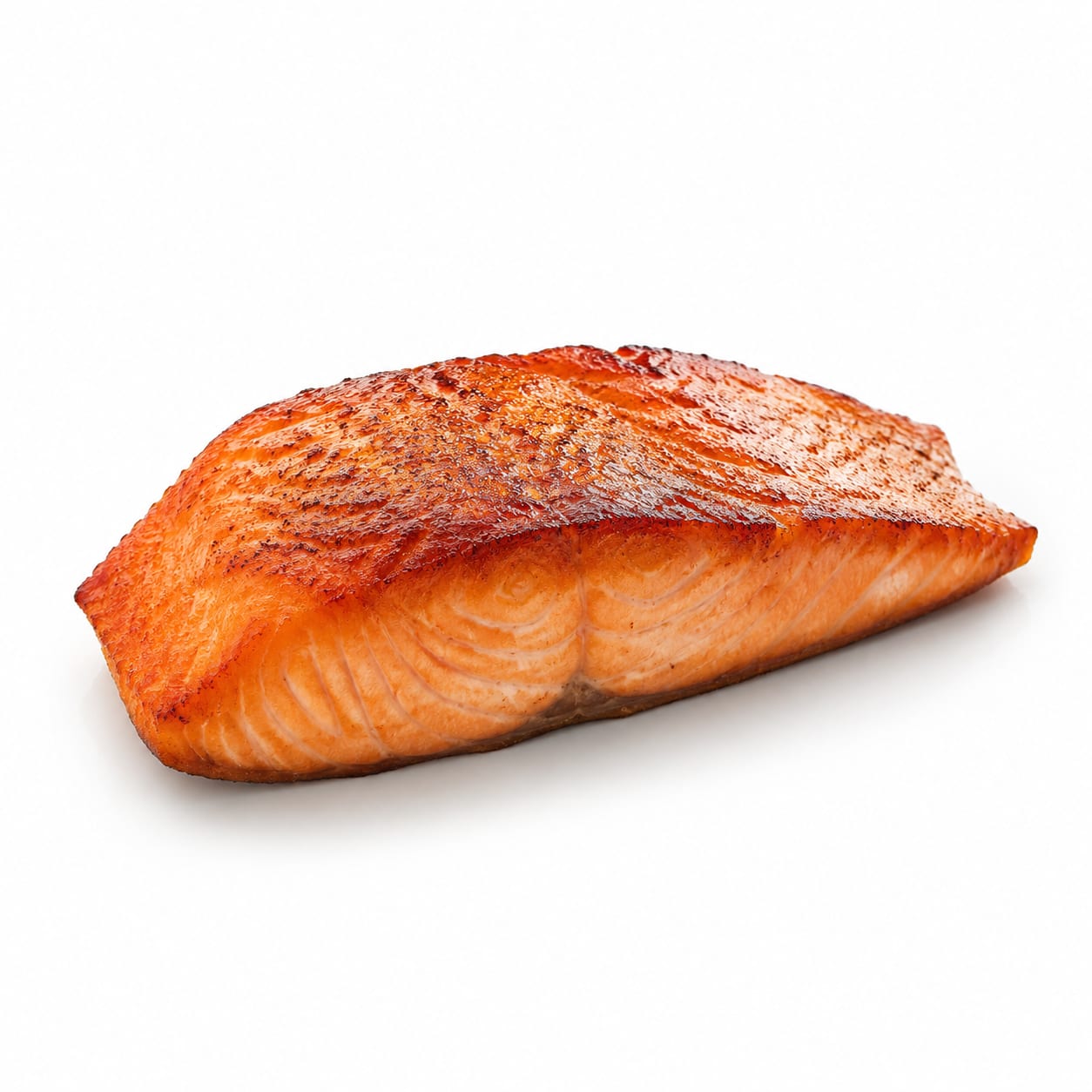
Seafood
Trout
Trout is a nutrient-dense freshwater fish high in protein and heart-healthy omega-3 fatty acids.
Trout is a freshwater fish prized for its delicate flavor and high omega-3 fatty acid content, commonly consumed baked, grilled, or smoked.
omega-3 rich protein source
Typical serving · 100g
Common varieties · rainbow trout, brook trout, brown trout, lake trout, steelhead
Overall context score across nutrition, safety, and diet fit
At a glance
Quick facts
Simple indicators based on nutrition, processing, and diet fit.
The story
What makes it unique
A fast-digesting, high-protein fish rich in EPA and DHA omega-3s. Satiety is high due to protein and fat content. Macronutrient profile is zero-carb with moderate fat. Minimally processed when fresh or frozen.
Varieties: rainbow trout · brook trout · brown trout · lake trout · steelhead
Per 100g
Nutrition breakdown
Macro balance and key metrics at a glance.
Energy
Density 1.40 kcal/g
Protein
Carbs
Fat
Fiber
Sugar
0 g
Sodium
39 mg
Potassium
455 mg
Glycemic index
0
Glycemic load
0
Water content
71%
Standout compounds
Nutrient highlights
Omega-3 Fatty Acids
highreduces inflammation and supports heart and brain health
Protein
highsupports muscle repair, growth, and satiety
Vitamin D
highessential for bone health and immune function
Vitamin B12
highvital for nerve function and red blood cell formation
Selenium
moderateacts as an antioxidant and supports thyroid function
Wellness map
Health scores & processing
NOVA processing scale
minimally processed · Whole food
Fresh or frozen trout is a single-ingredient whole food. Smoked trout is processed but not ultra-processed.
Diet compatibility
- Weight loss
- Muscle gain
- Diabetes
- Gut health
- Low carb
- High protein
- Heart health
Relative standing
Food rankings
Qualitative ranks compared to similar whole foods.
- Satietyexcellent
- Blood sugarexcellent
- Nutrient densityexcellent
- Fitness fuelexcellent
- Processing qualityexcellent
Eat with confidence
Food safety profile
Trout generally has lower mercury levels than large ocean fish, making it a safer frequent seafood choice. Farmed varieties should be sourced from well-regulated suppliers to minimize antibiotic and contaminant risks.
Evidence confidence 85%
- Pesticideslow
- Antibioticsmoderate
- Heavy metalsmoderate
- Contaminationmoderate
Watch for
- mercury
- PCBs
- parasites
Safer choices
Wild-caught trout or domestically farmed trout from certified sustainable sources.
Prep tips
Cook thoroughly to eliminate potential parasites; avoid consuming raw unless previously frozen to kill pathogens.
Farmed trout may have higher exposure to antibiotics and PCBs compared to wild-caught.
Deep dive
Health analysis
How this food may fit different goals and preparation choices.
Weight loss
High protein and moderate fat increase satiety, reducing overall calorie intake. Low energy density aids in portion control.
Blood sugar
Zero carbohydrates result in no glycemic spike, making it highly stable for blood sugar management.
Fitness & energy
Excellent post-workout recovery food due to high-quality protein for muscle repair and omega-3s for inflammation reduction.
Gut health
Provides easily digestible protein, though it lacks fiber; pair with vegetables for optimal gut motility.
Processing quality
Fresh or frozen trout is a whole, unprocessed food with maximum nutrient retention.
Food safety
Lower mercury risk than tuna, but farmed varieties require attention to sourcing for PCB and antibiotic concerns.
Common mistakes
Overcooking trout dries it out and diminishes its healthy fat profile; also, assuming all trout is wild-caught when much is farmed.
Best preparation
Baking, grilling, or pan-searing with minimal added fats preserves its natural omega-3 content.
Practical guide
Best use cases
When and how this food fits real eating patterns.
post-workout recovery
High-quality complete protein supports muscle protein synthesis after exercise.
heart-healthy dinner
Omega-3 fatty acids support cardiovascular function and help lower triglycerides.
low-carb main course
Zero carbohydrates make it ideal for ketogenic and low-carb dietary patterns.
diabetes-friendly meal
Does not raise blood glucose levels and pairs well with non-starchy vegetables.
Balance sheet
Pros & cons
Upsides
- Rich in heart-healthy omega-3 fatty acids
- Excellent high-quality protein source
- Zero carbohydrates with no glycemic impact
- Good natural source of vitamin D and B12
- Lower mercury levels compared to many ocean fish
- Versatile for multiple cooking methods
Trade-offs
- Farmed varieties may contain antibiotics and higher omega-6 levels
- Can be more expensive than common white fish
- Contains bones which require careful removal
- Wild-caught availability can be seasonal
- Risk of parasites if consumed raw without proper freezing
Fit check
Who is it for?
Great match
- heart-healthy diets
- low-carb and ketogenic diets
- post-workout muscle recovery
- blood sugar management
- weight maintenance
Consider alternatives
- strict low-fat diets
- vegans and vegetarians
- those with fish allergies
- people avoiding histamine in older fish
Side by side
How it compares
Open the full head-to-head analysis for nutrition, safety, and practical tradeoffs.
This food
Trout
VS92% alike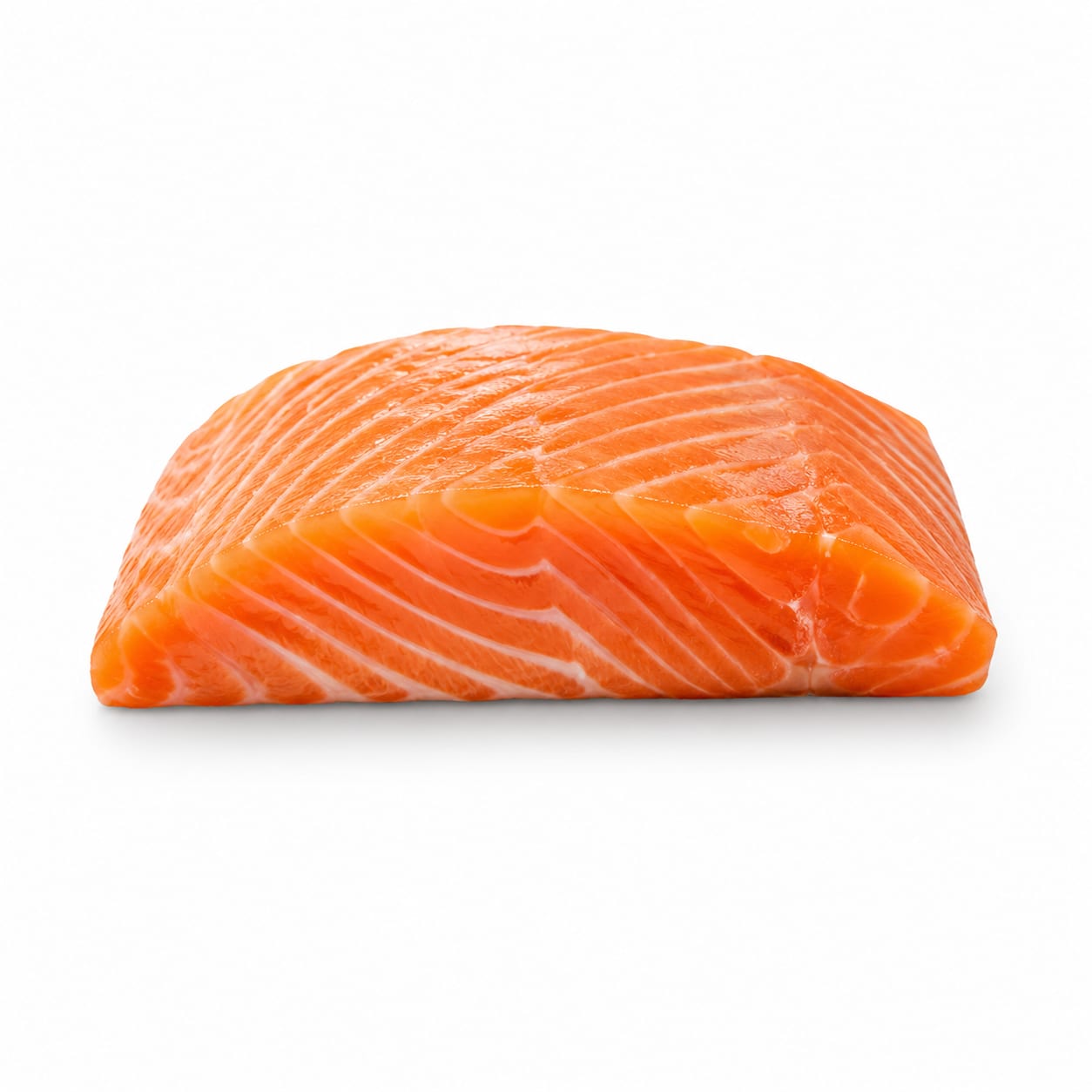
Compare with
Salmon
Salmon has slightly more fat and omega-3s, while trout is typically lower in calories.
Salmon provides more omega-3s and satiety, while trout is slightly lower in calories for weight loss.
This food
Trout
VS75% alike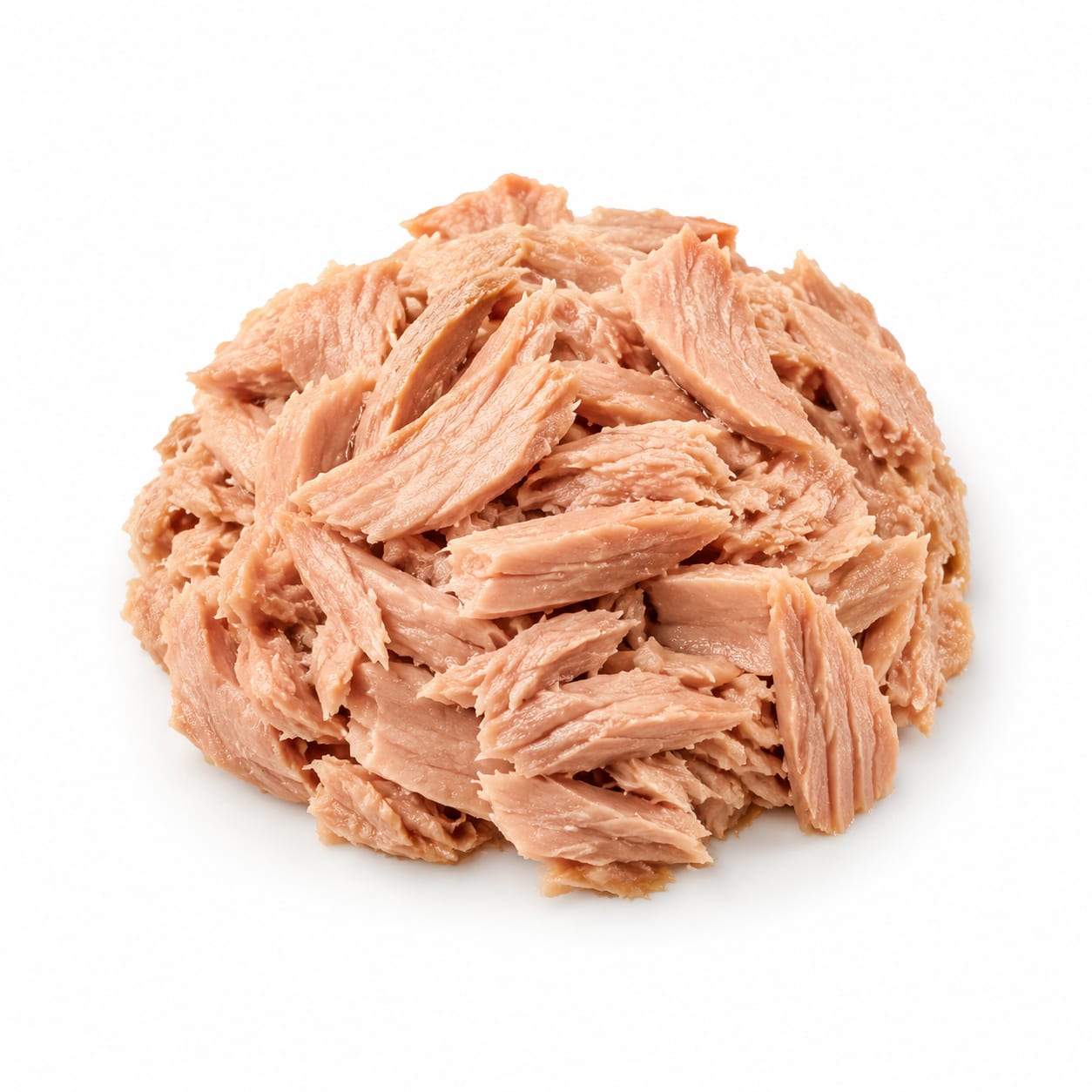
Compare with
Tuna
Tuna is lower in fat and calories but has higher mercury levels than trout.
Tuna is leaner for strict calorie cutting, but trout offers more omega-3s and lower mercury.
This food
Trout
VS65% alike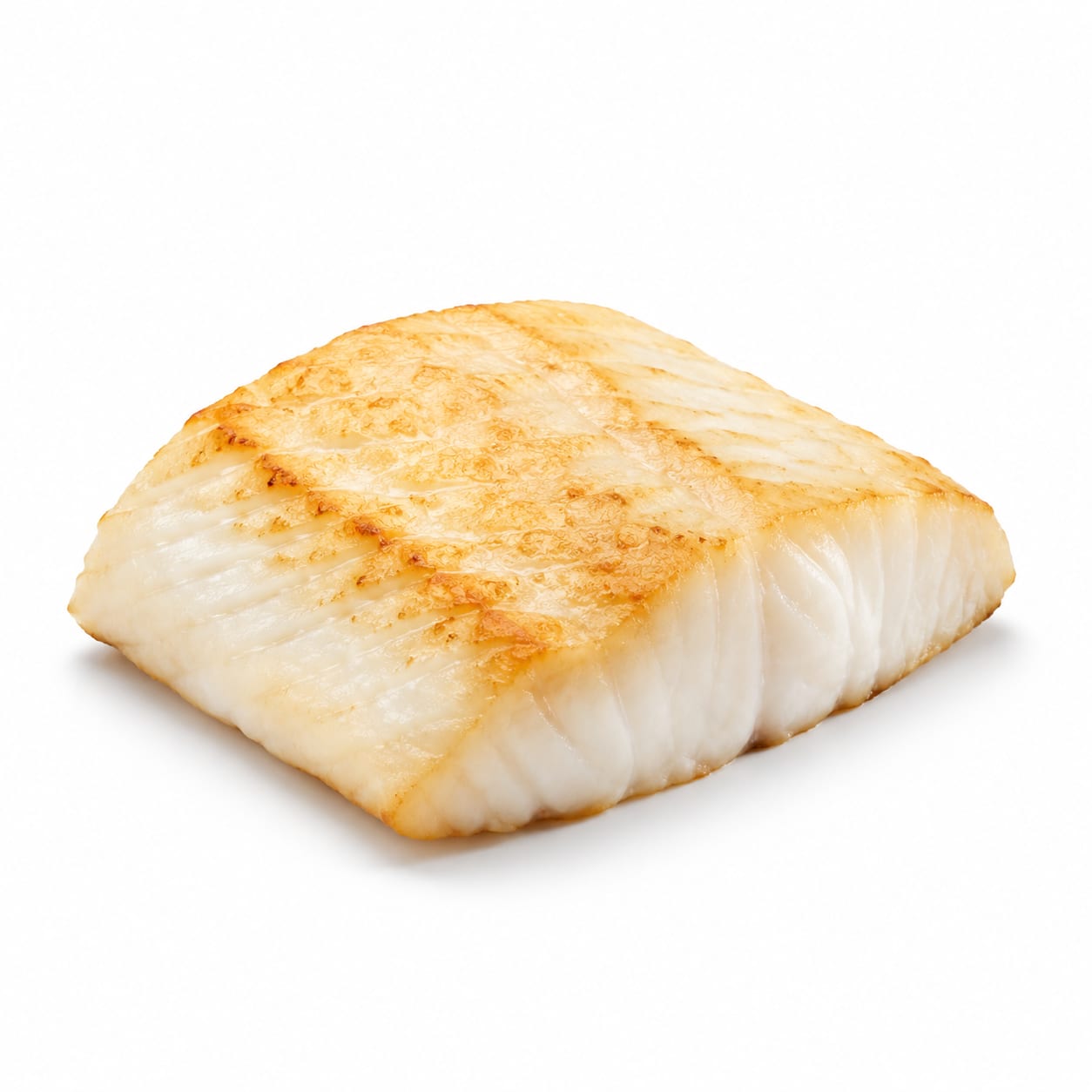
Compare with
Cod
Cod is much lower in calories and fat, but trout provides significantly more omega-3s and vitamin D.
Cod is a lean low-calorie choice, while trout is richer in healthy fats and fat-soluble vitamins.
This food
Trout
VS60% alike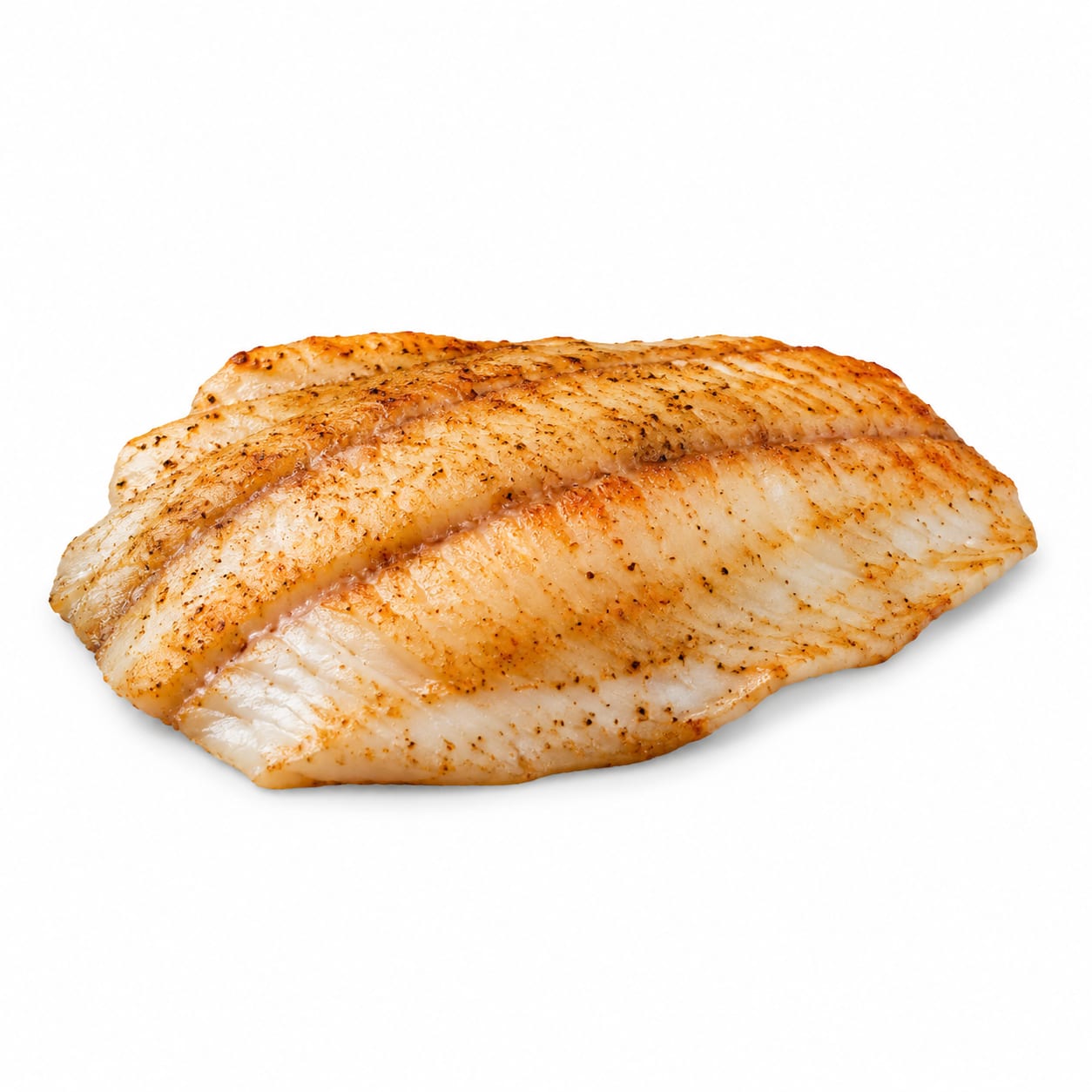
Compare with
Tilapia
Tilapia is leaner and cheaper but has far less omega-3 and a worse omega-3 to omega-6 ratio.
Tilapia is lower in calories, but trout is vastly superior for omega-3 intake and heart health.
This food
Trout
VS70% alike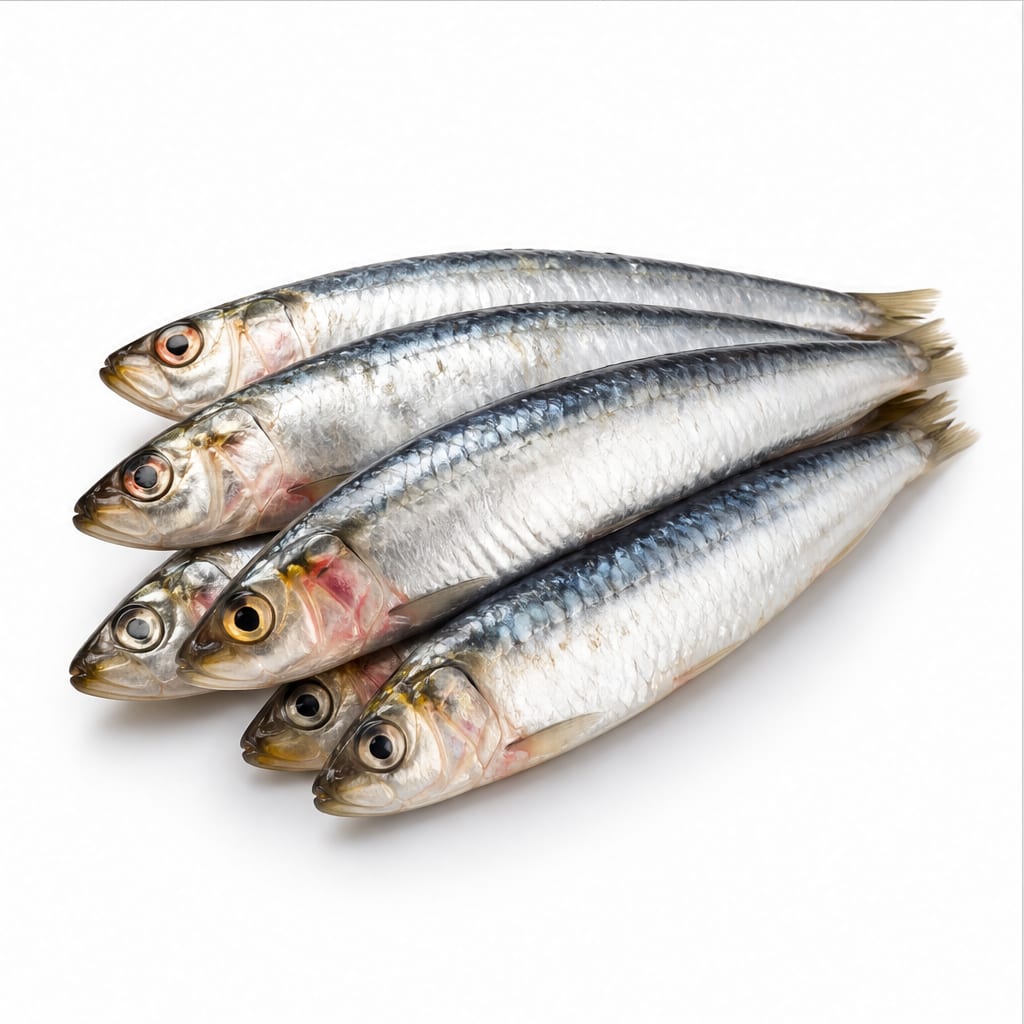
Compare with
Sardines
Sardines are higher in calcium if eaten with bones and have very low mercury, but have a stronger flavor.
Sardines offer more calcium and lower mercury, but trout provides a milder flavor and more protein per serving.
This food
Trout
VS85% alike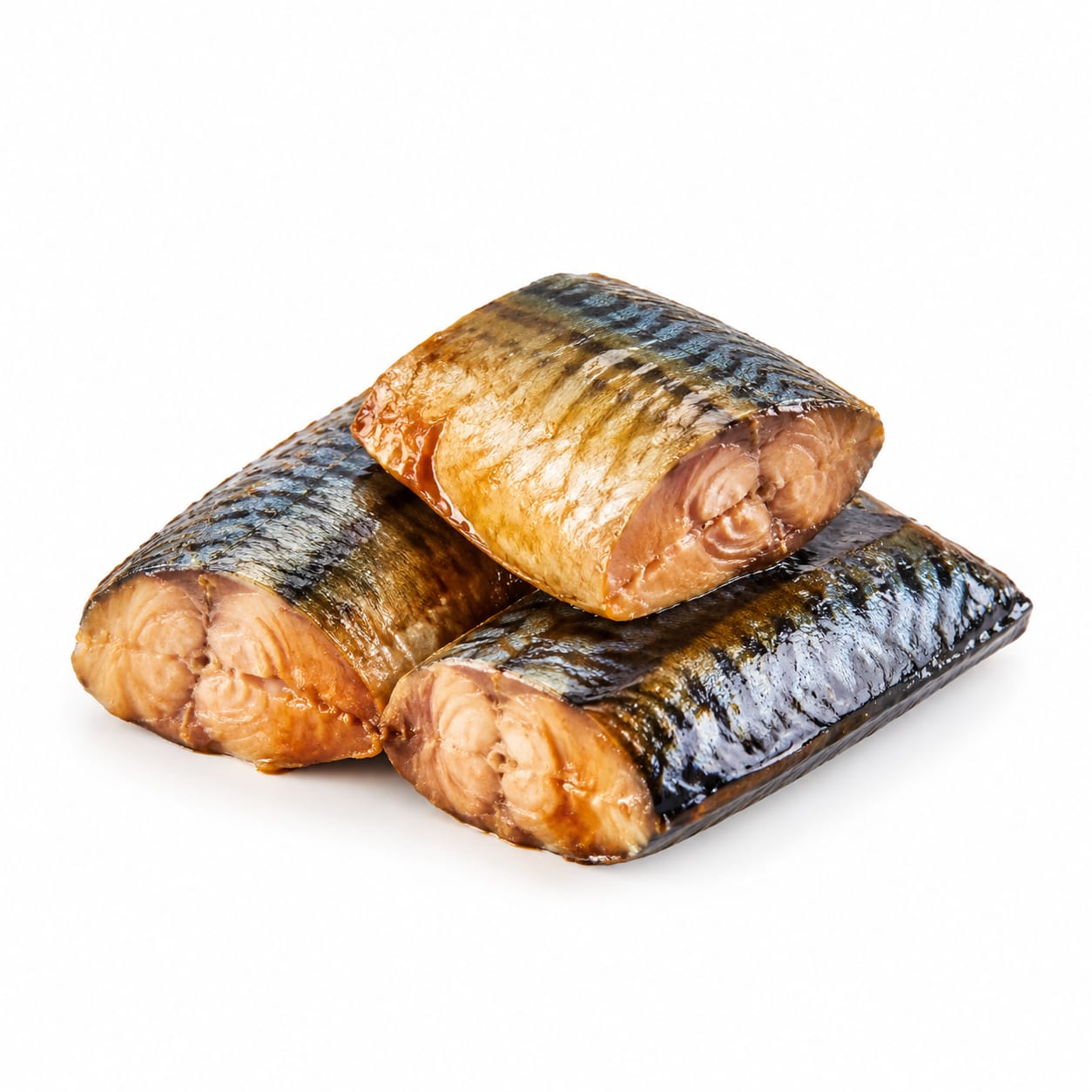
Compare with
Mackerel
Mackerel has more omega-3s but also more calories and higher mercury depending on the species.
Mackerel provides more omega-3s, but trout is lower in calories and generally safer regarding mercury.
This food
Trout
VS55% alike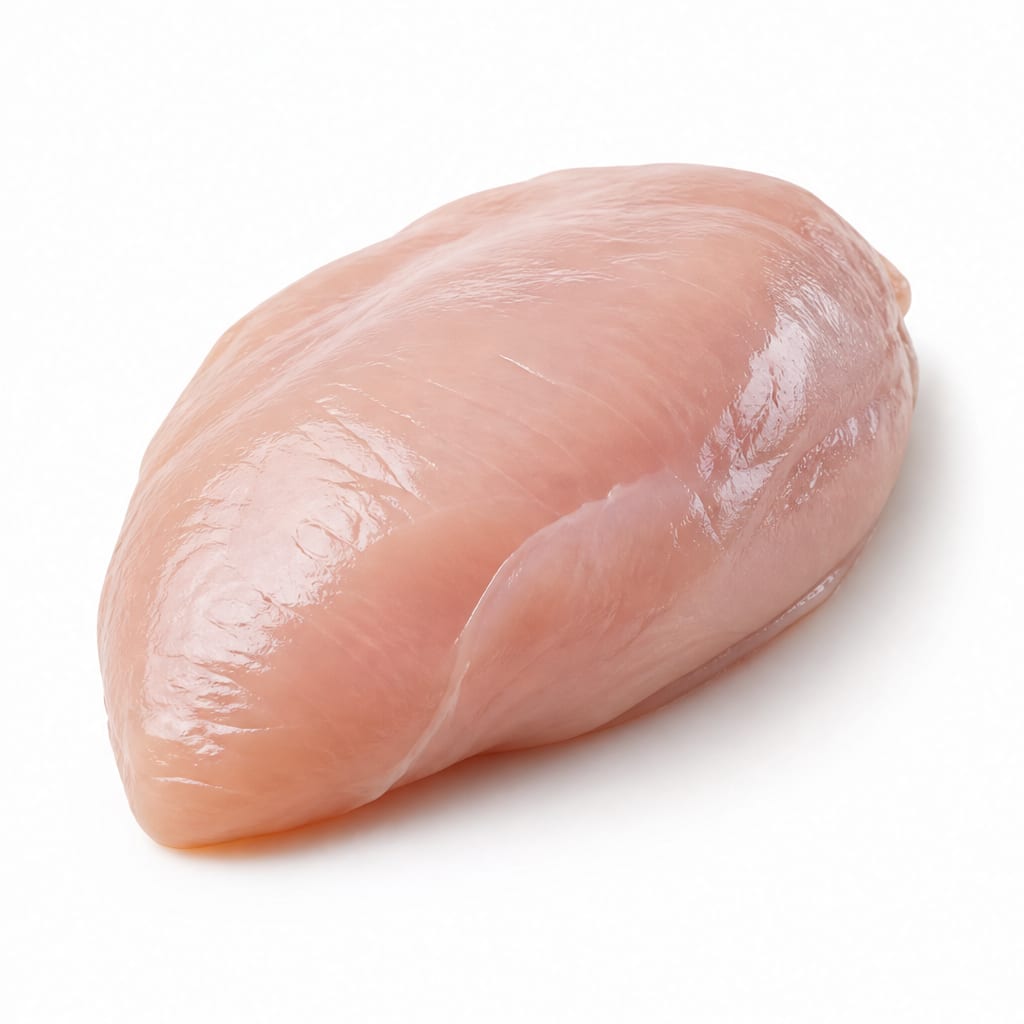
Compare with
Chicken Breast
Chicken breast is leaner with more protein per calorie, but lacks the omega-3s and vitamin D found in trout.
Chicken breast wins for pure protein and low calories, but trout is essential for omega-3 intake.
This food
Trout
VS60% alike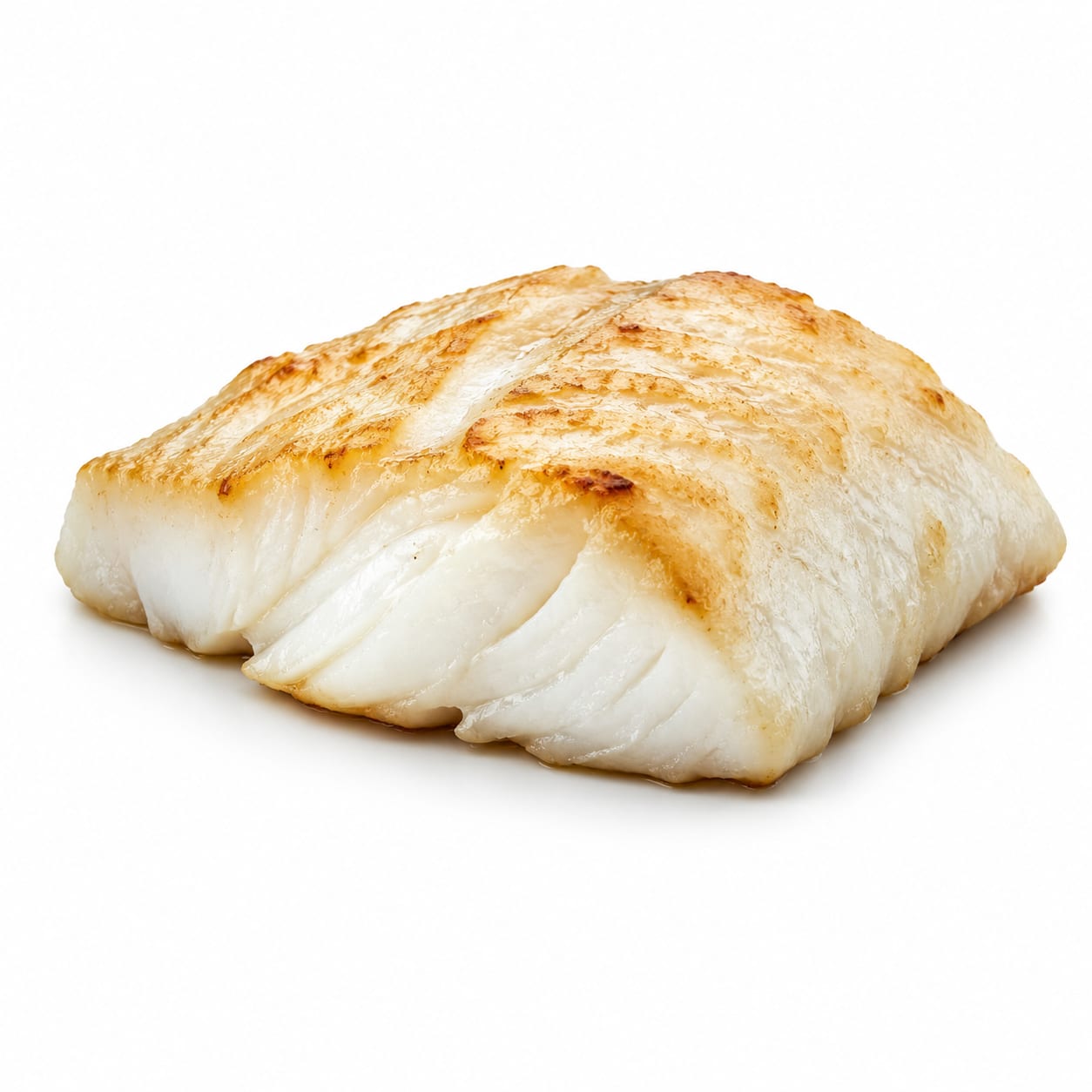
Compare with
Haddock
Haddock is a lean white fish with minimal fat, while trout offers substantial omega-3 benefits.
Haddock is lower in fat and calories, but trout provides much more omega-3 and vitamin D.
This food
Trout
VS68% alike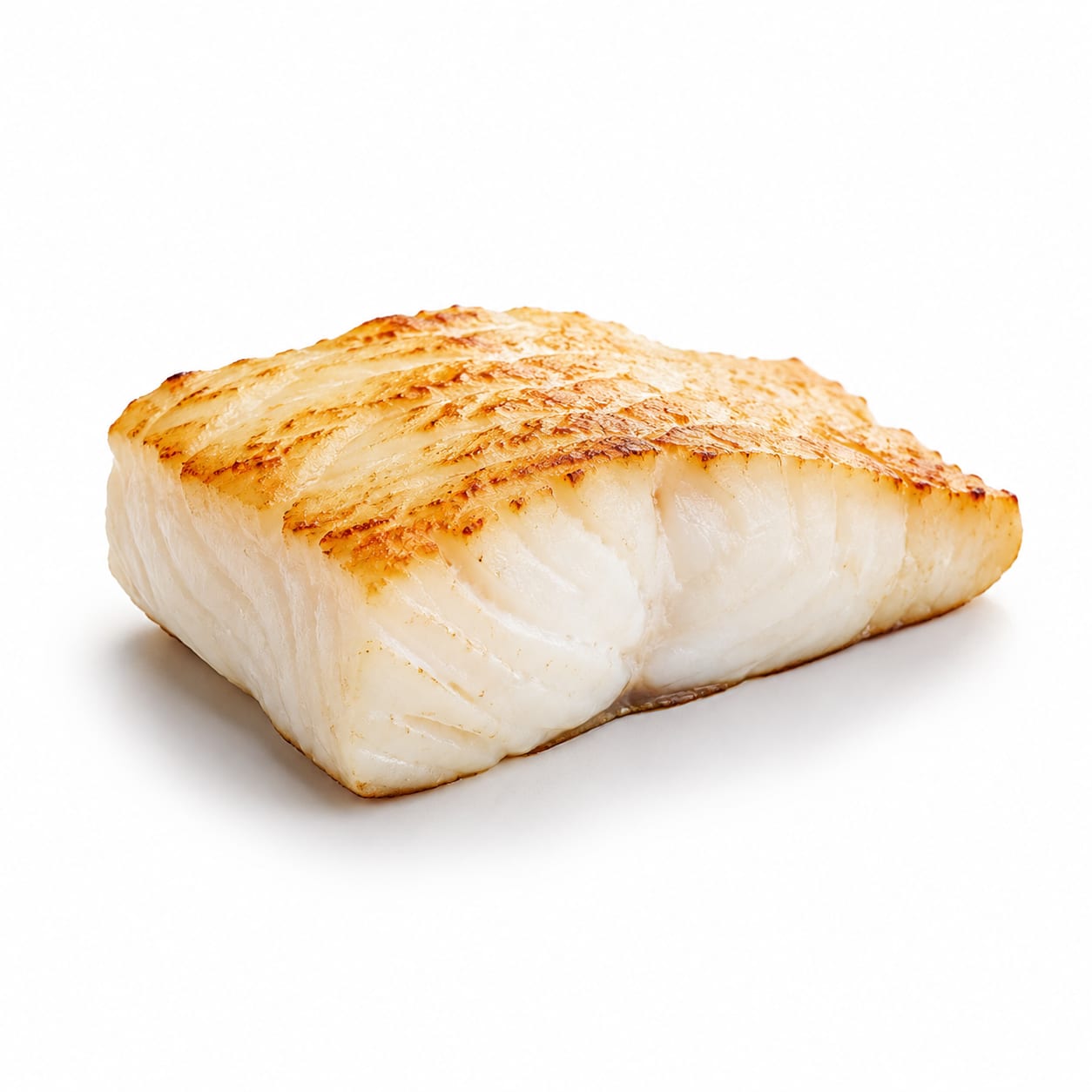
Compare with
Halibut
Halibut is leaner but has a higher mercury risk than trout.
Halibut is a leaner firm fish, while trout is richer in healthy fats and lower in mercury.
This food
Trout
VS45% alike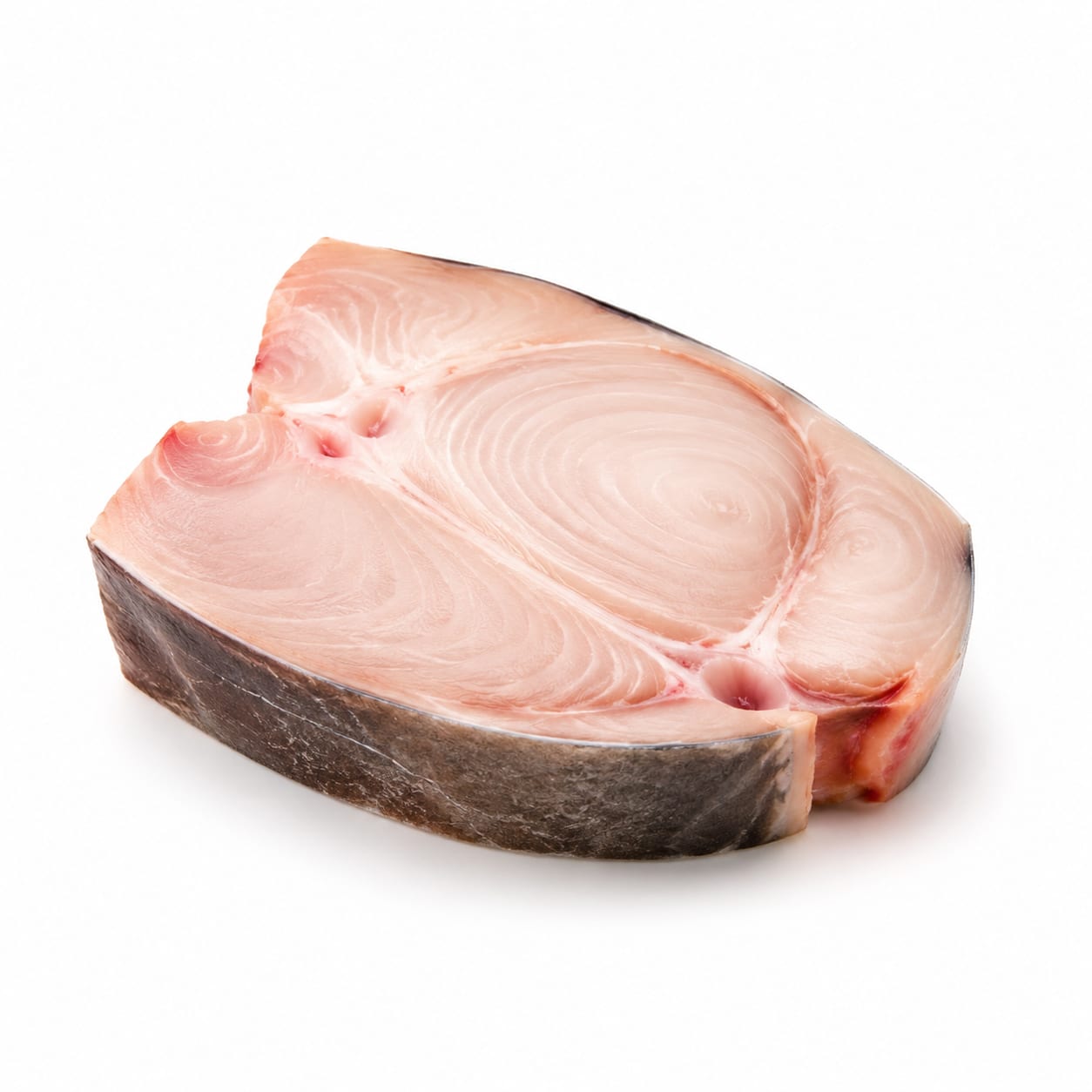
Compare with
Swordfish
Swordfish has high mercury levels making it unsuitable for frequent consumption, whereas trout is safe to eat regularly.
Trout is much safer for regular eating due to low mercury, whereas swordfish should be limited.
Common questions
FAQ
Answers aligned with how people search for this food.
Is trout good for weight loss?
Yes, trout is high in protein which boosts satiety, helping you eat fewer calories overall while maintaining muscle mass during weight loss.
Does trout have high mercury levels?
No, trout is generally a low-mercury fish compared to large predatory fish like tuna or swordfish, making it safe to eat several times a week.
Which is healthier, trout or salmon?
Both are excellent sources of omega-3s and protein. Salmon has slightly more fat and omega-3s, while trout is typically lower in calories and offers a similar nutrient profile.
Can diabetics eat trout?
Yes, trout contains zero carbohydrates and will not spike blood sugar. The healthy fats also help improve insulin sensitivity.
Is farmed trout safe to eat?
Farmed trout is safe to eat and widely available. Choosing domestically farmed trout from regulated sources minimizes risks related to antibiotics and contaminants.
What are the health benefits of eating trout?
Eating trout supports heart health through omega-3 fatty acids, aids muscle growth with high-quality protein, and provides essential B-vitamins and vitamin D.
Can you eat trout skin?
Yes, trout skin is safe and nutritious to eat, especially when cooked until crispy, as it contains additional omega-3 fats and collagen.
Is trout a good source of vitamin D?
Yes, trout is one of the few natural food sources of vitamin D, providing a significant portion of the daily recommended intake per serving.
Transparency
Data confidence
Estimated confidence for nutrition data, interpretation, safety notes, and comparisons.
Nutrition data
Health analysis
Food safety
Comparisons