
Nutrition comparison
Trout vs Sardines: Nutrition, Mercury, and Taste Compared
Discover the key differences between Trout and Sardines. Compare omega-3s, mercury levels, calcium, and taste to find out which fish is better for your health.
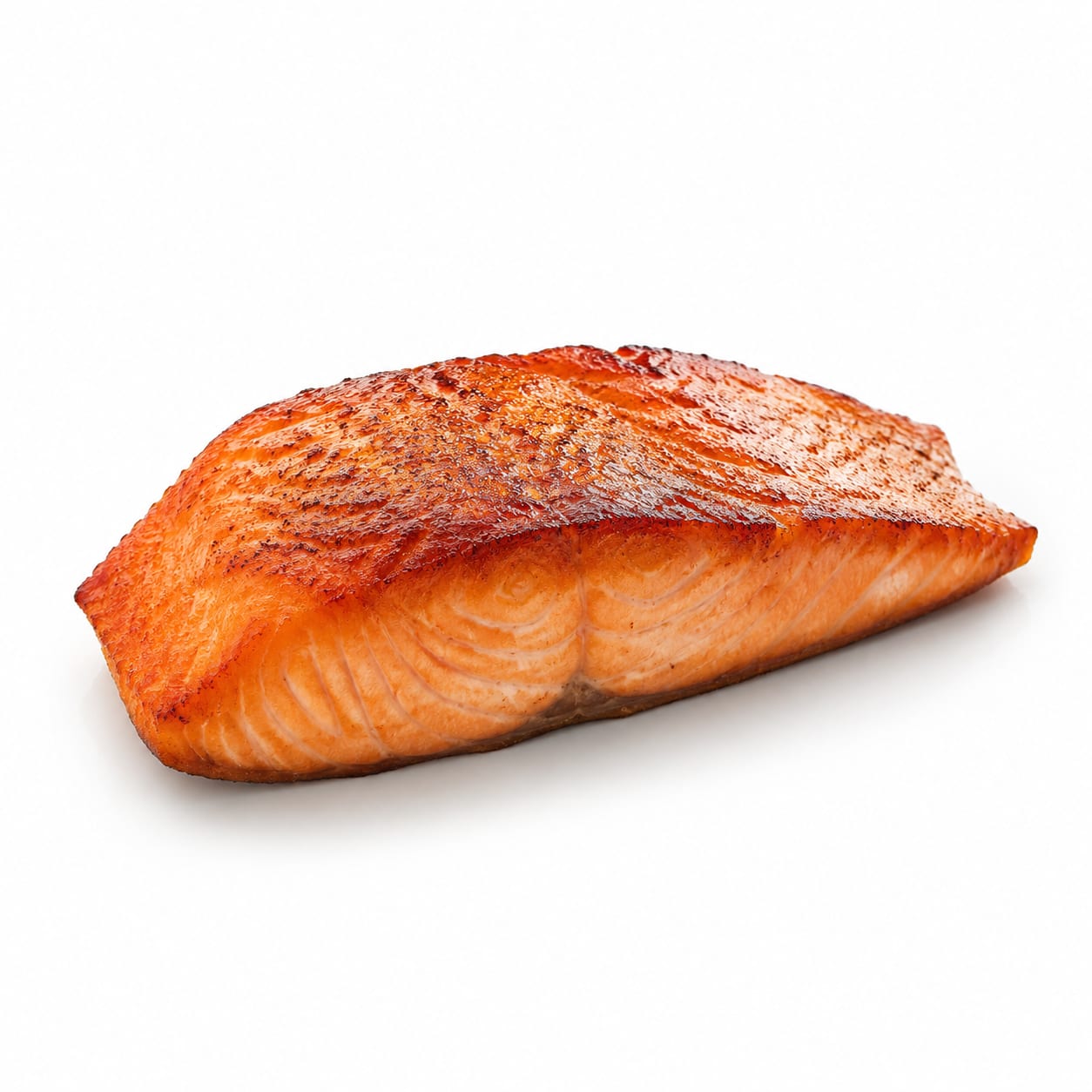
Trout
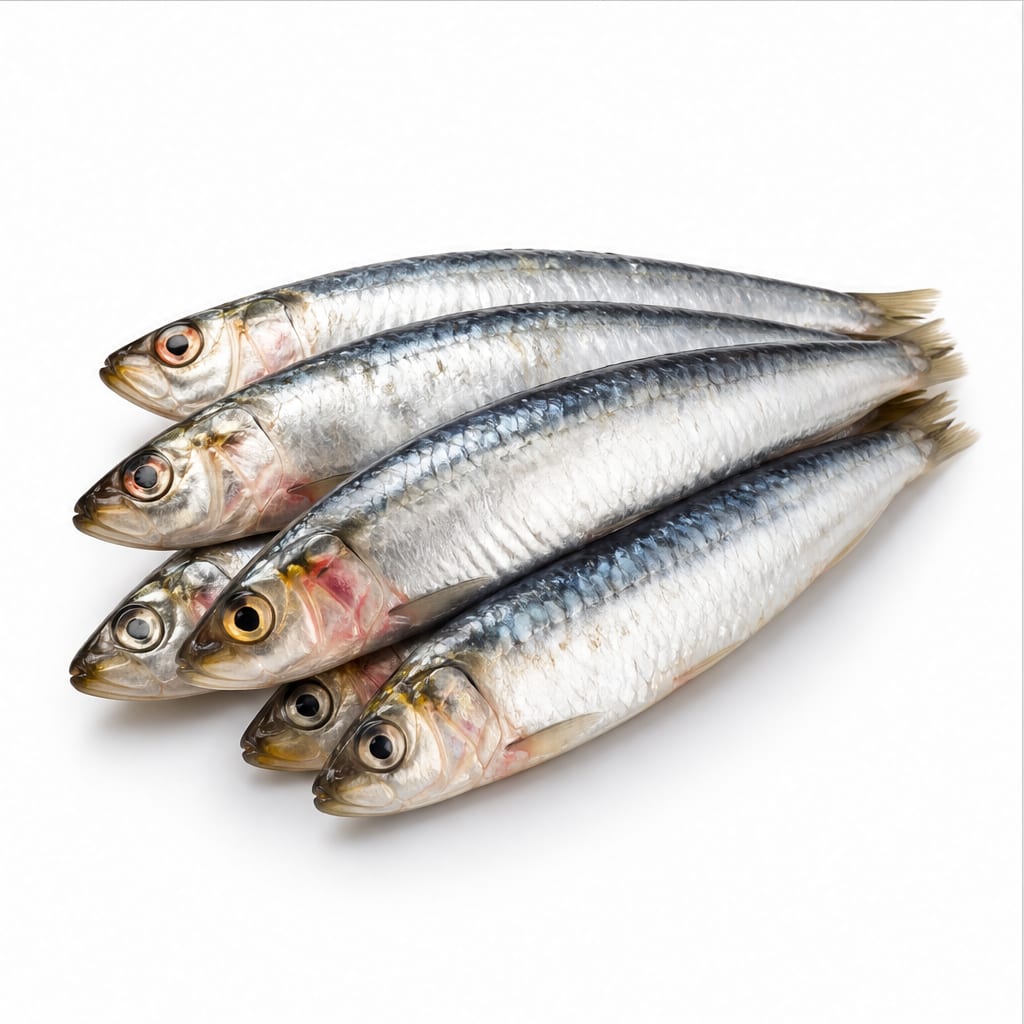
Sardines
Sardines edge out Trout for calcium and lower mercury, while Trout offers a milder flavor and lower sodium in its fresh form.
Sardines score slightly higher due to superior calcium content, lower mercury levels, and unmatched convenience, though Trout remains an excellent and more versatile fresh fish option.
Convenience and bone-building minerals from Sardines versus culinary versatility and a gentler flavor from Trout.
At a glance
Executive summary
Overall
It depends
Healthier
Sardines
More practical
Sardines
Daily use
Sardines
Key comparison lenses
Omega-3 and heart health optimization
Both are top-tier sources of EPA and DHA, making them direct competitors for cardiovascular benefits.
Mercury and contaminant safety
Users often compare fish based on heavy metal accumulation and ocean pollutant risks.
Convenience and meal preparation
Canned Sardines offer grab-and-go utility, while fresh Trout requires cooking, impacting daily dietary adherence.
Bone health and mineral density
Sardines provide a unique calcium advantage due to edible bones, a key differentiator from Trout.
Taste and culinary versatility
The strong flavor of Sardines versus the mildness of Trout heavily influences which food users can consistently eat.
Best choice for
Trout
Sardines
Least suitable for
Trout
Sardines
Deep comparison
Dimension by dimension
Each lens scores both foods and breaks down who each option suits.
- Dimension 1 · Priority 95It depends
Omega-3 & Heart Health
Trout · 92Sardines · 96Sardines pack slightly more omega-3s per serving, but both are top-tier choices for heart health.
Tradeoff
You get a marginal omega-3 edge with Sardines, but Trout still delivers more than enough for cardiovascular benefits.
Why it matters
Omega-3s reduce inflammation and keep your heart rhythm steady.
Real-world impact
Eating either twice a week significantly lowers your risk of heart disease.
Trout
- Getting high omega-3s with a milder flavor
Better for
- Slightly fewer omega-3s compared to Sardines
Worse for
Sardines
- Maximizing EPA and DHA intake per calorie
Better for
- Stronger flavor might make you eat them less often
Worse for
- Dimension 2 · Priority 85Sardines
Bone Health & Minerals
Trout · 40Sardines · 98Sardines are a calcium powerhouse because you eat their soft bones, while Trout provides minimal calcium.
Tradeoff
You sacrifice culinary elegance for a massive bone-building nutritional boost with Sardines.
Why it matters
Calcium is critical for preventing osteoporosis, and food sources are often better absorbed than supplements.
Real-world impact
A single can of Sardines provides about a third of your daily calcium needs.
Trout
- Avoiding tiny bones in your meal
Better for
- Missing out on an easy calcium source
Worse for
Sardines
- Getting a natural, highly absorbable calcium boost
Better for
- Textural annoyance from soft bones for some eaters
Worse for
- Dimension 3 · Priority 90Sardines
Contaminant & Mercury Safety
Trout · 75Sardines · 95Sardines are very low on the food chain, meaning they accumulate far less mercury and microplastics than Trout.
Tradeoff
Choosing Sardines gives you peace of mind about toxins, while Trout carries a slightly higher but still safe contaminant load.
Why it matters
Heavy metals and microplastics can disrupt hormones and brain function over time.
Real-world impact
Sardines are one of the safest fish you can eat regularly, even daily, without worrying about mercury.
Trout
- Enjoying a larger fish fillet experience
Better for
- Slightly higher mercury, especially in lake Trout
Worse for
Sardines
- Minimizing exposure to heavy metals and ocean pollutants
Better for
- None regarding contaminant safety
Worse for
- Dimension 4 · Priority 80Trout
Taste & Culinary Versatility
Trout · 90Sardines · 60Trout has a delicate, mild flavor that adapts to countless recipes, whereas Sardines have a distinct, fishy taste that limits their use.
Tradeoff
Trout elevates a home-cooked meal, while Sardines are mostly a quick, utilitarian topping or snack.
Why it matters
If food doesn't taste good, you won't eat it, no matter how healthy it is.
Real-world impact
Trout is perfect for a nice dinner; Sardines are ideal for a quick lunch on crackers.
Trout
- Pleasing picky eaters and dinner guests
- Versatile cooking methods like grilling or baking
Better for
- Requires cooking skills and time
Worse for
Sardines
- Adding a punch of umami to salads and toast
Better for
- Strong taste can be overpowering and off-putting
Worse for
- Dimension 5 · Priority 75It depends
Convenience & Sodium
Trout · 50Sardines · 85Canned Sardines are ready to eat instantly but come with high sodium, while fresh Trout takes time to cook but is naturally low in sodium.
Tradeoff
You trade sodium control for ultimate convenience with Sardines, and vice versa for Trout.
Why it matters
High sodium spikes blood pressure, but lack of convenience often leads to skipping healthy meals entirely.
Real-world impact
Sardines save you 20 minutes of cooking but might cost you 400mg of sodium.
Trout
- Keeping blood pressure in check with naturally low sodium
Better for
- Requires refrigeration and cooking
Worse for
Sardines
- Having a shelf-stable, instant protein source ready anytime
Better for
- Can easily push you over your daily sodium limit
Worse for
Timeline
Health impact over time
Short-term
Hours to days
Trout
Sardines
Long-term
Months to years
Trout
Sardines
Risk profile
Safety & processing
Fresh Trout is typically unprocessed, while canned Sardines undergo minimal traditional processing. Both are clean, whole-food choices with negligible artificial additives.
Trout
Mercury accumulation
lowTrout has low mercury but slightly more than Sardines, especially lake Trout which can be moderate.
PCBs in farmed varieties
lowFarmed Trout can have higher PCBs than wild, though still generally within safe limits.
Sardines
Sodium content
mediumCanned Sardines often contain high sodium, which can impact blood pressure if consumed frequently.
Purines
lowSardines are high in purines, which can trigger gout flare-ups in susceptible individuals.
Who wins for whom
Audience fit
Same foods, different winners depending on your goal.
children
TroutTrout has a milder taste and no tiny bones to navigate, making it far more kid-friendly.
daily consumption
SardinesLower mercury levels make Sardines a safer choice for everyday eating.
diabetes
SardinesSardines have zero carbs and are rich in omega-3s, plus the convenience helps maintain stable blood sugar without reaching for processed snacks.
elderly
SardinesThe high calcium in Sardines protects aging bones, and the soft texture is easy to chew.
muscle gain
It dependsBoth provide excellent protein, though Trout offers slightly more protein per calorie for bodybuilders.
weight loss
SardinesSardines offer high protein and satiety with effortless portion control, making them slightly easier to stick with.
Your move
Decision guide
Choose Trout
- You want a delicious, fresh fish for a dinner recipe
- You find strong fish flavors off-putting
- You need to keep your sodium intake low
Choose Sardines
- You want a quick, no-cook protein source
- You need to boost your calcium intake
- You are pregnant or planning to be and want the safest fish
Either works if
- You just want a solid dose of omega-3s
- You are looking for a high-protein, zero-carb meal
Avoid both if
- You have a severe fish allergy
- You are strictly avoiding all animal products
Final recommendation
Keep both in your rotation. Stock your pantry with Sardines for effortless lunches and bone-building calcium, and enjoy fresh Trout for dinners when you want something milder and more culinary.
Practical
Consumer tips
- 1
Rinse canned Sardines under water to remove up to 20% of the sodium.
- 2
Look for wild-caught Trout when possible to avoid potential contaminants in farmed varieties.
- 3
If you dislike Sardines' texture, mash them into a paste with mustard and avocado to mask the fishiness.
- 4
Grill Trout with lemon and herbs to naturally enhance its mild flavor without adding sodium.