
Nutrition comparison
Trout vs Tuna: Mercury, Omega-3, and Health Comparison
Trout vs Tuna: Which fish is healthier? Compare mercury levels, omega-3 fats, protein, and safety to find out which is better for your diet.
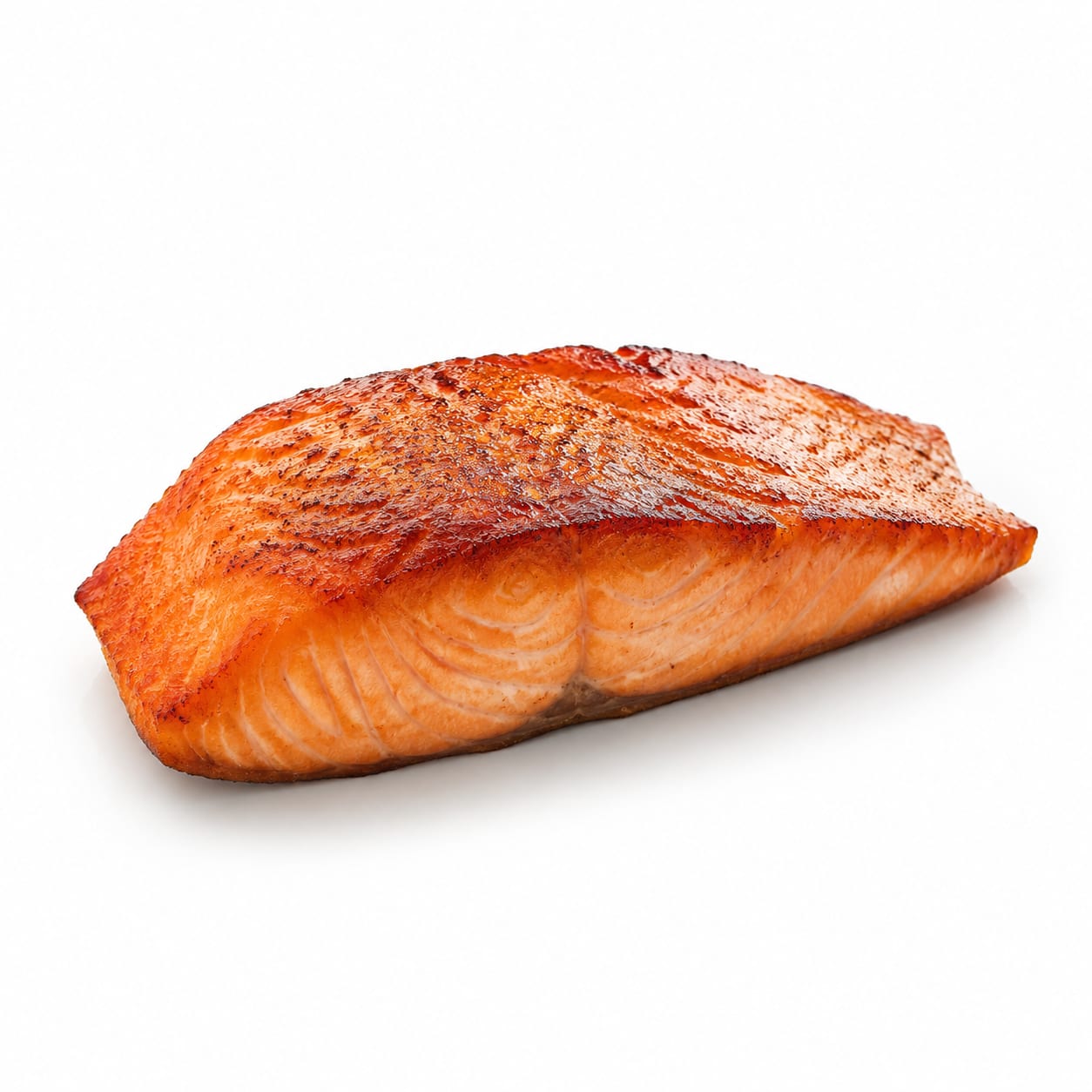
Trout
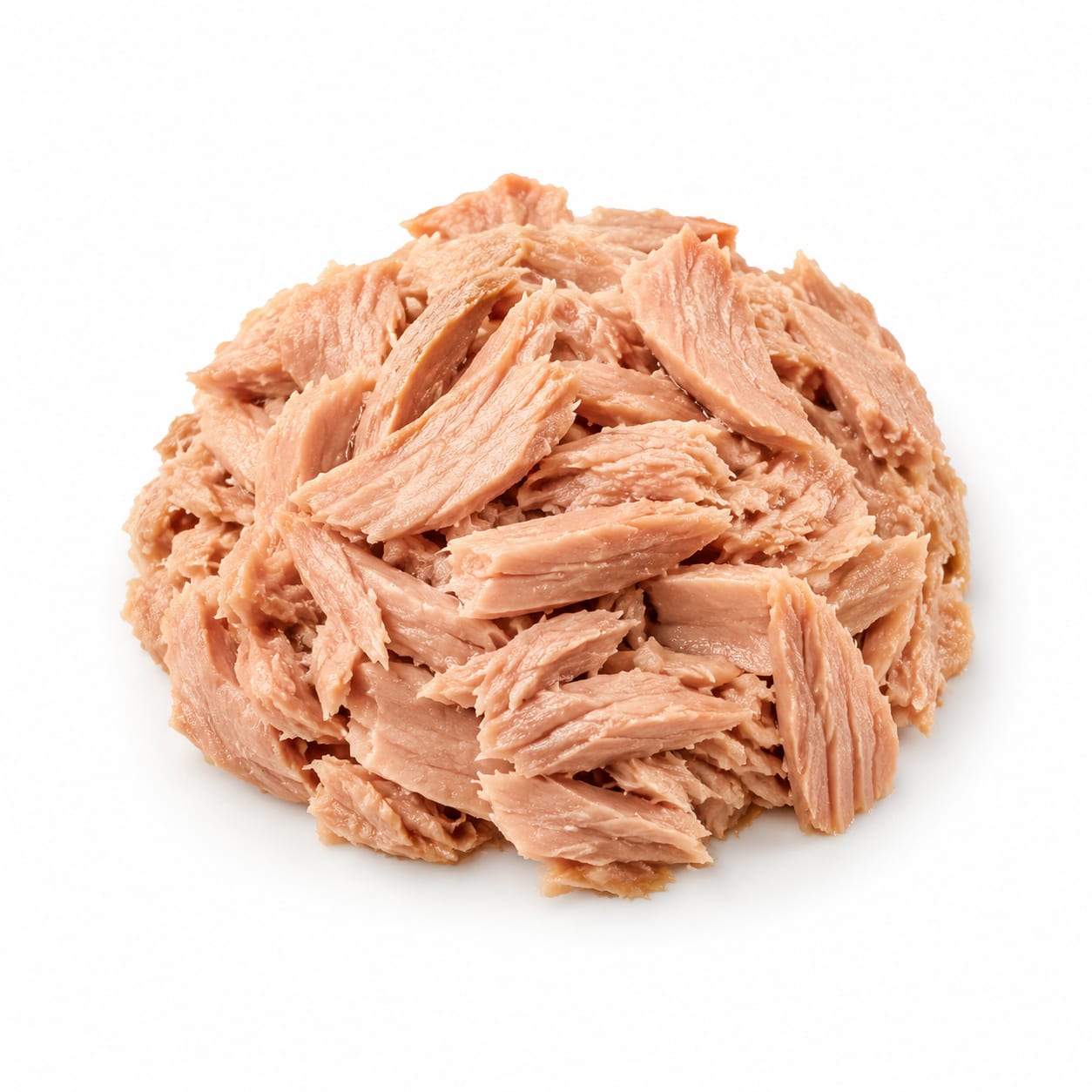
Tuna
Trout is the safer, omega-3 rich choice for frequent eating, while Tuna offers leaner protein and unmatched pantry convenience but carries a higher mercury load.
Trout scores higher overall due to its superior safety profile for regular consumption and higher omega-3 content. Tuna remains an excellent lean protein but is penalized for heavy metal accumulation risks that limit how often it can be safely eaten.
You are trading the superior omega-3s and low mercury of Trout for the pure protein density and shelf-stability of Tuna.
At a glance
Executive summary
Overall
It depends
Healthier
Trout
More practical
Tuna
Daily use
Trout
Key comparison lenses
Mercury and heavy metal exposure
Mercury levels are the primary safety concern differentiating frequent consumption of Trout versus Tuna.
Omega-3 fatty acid intake
Both are known for heart-healthy fats, but their specific omega-3 profiles impact daily nutritional value differently.
Protein density and leanness
Tuna is famously lean and protein-dense, making it a staple for muscle gain, while Trout offers a richer macro profile.
Convenience and pantry stability
Canned Tuna is a shelf-stable convenience food, whereas Trout is almost exclusively purchased fresh or frozen.
Sustainability and ocean impact
Overfishing and farming practices differ greatly between these two species, affecting eco-conscious choices.
Best choice for
Trout
- Pregnant women and children
- Frequent seafood eaters
- Those prioritizing heart and brain health
Tuna
- Bodybuilders and athletes
- Budget-conscious shoppers
- People needing shelf-stable pantry staples
Least suitable for
Trout
- Those needing non-perishable emergency food
- People strictly avoiding dietary fat
Tuna
- Pregnant women (especially albacore)
- Daily fish consumers
- Those highly sensitive to mercury
Deep comparison
Dimension by dimension
Each lens scores both foods and breaks down who each option suits.
- Dimension 1 · Priority 95Trout
Heavy Metal & Contamination Safety
Trout · 92Tuna · 55Trout is a low-mercury fish safe for frequent consumption, while Tuna accumulates significant mercury, restricting intake frequency.
Tradeoff
Eating Tuna daily can push mercury exposure to unsafe levels, whereas Trout can be eaten multiple times a week without concern.
Why it matters
Chronic mercury exposure impacts neurological function and is especially dangerous for developing brains.
Real-world impact
Choosing Trout means you can enjoy fish dinners 3-4 times a week without worry; with Tuna, you need to actively track your servings to stay safe.
Trout
- Pregnant women
- Children
- Frequent seafood eaters
Better for
- Those who assume all fish carry high mercury and avoid it entirely
Worse for
Tuna
- Occasional fish eaters
Better for
- Daily lunch preppers
- Anyone neurologically sensitive
Worse for
- Dimension 2 · Priority 90Trout
Omega-3 & Heart Health
Trout · 94Tuna · 72Trout packs significantly more omega-3 fatty acids per serving than Tuna, making it better for cardiovascular and cognitive health.
Tradeoff
You get more anti-inflammatory fats from Trout, but Tuna delivers its lower omega-3 content with far fewer overall calories.
Why it matters
Omega-3s are essential for reducing inflammation, lowering blood pressure, and supporting brain function.
Real-world impact
A single serving of Trout covers your daily omega-3 needs effortlessly; with Tuna, you would need to eat a larger portion or supplement.
Trout
- Heart health focus
- Anti-inflammatory diets
- Aging adults
Better for
- Strict macro trackers avoiding extra fats
Worse for
Tuna
- Low-calorie dieters
Better for
- Mediterranean diet followers
- Those relying on fish for essential fats
Worse for
- Dimension 3 · Priority 85Tuna
Protein Density & Leanness
Trout · 78Tuna · 96Tuna is one of the leanest protein sources available, offering more protein per calorie than Trout.
Tradeoff
Tuna provides pure protein with virtually no fat, while Trout offers a richer, more calorie-dense profile due to its healthy fats.
Why it matters
For strict muscle-building or fat-loss phases, maximizing protein while minimizing calories is often the goal.
Real-world impact
A can of Tuna delivers a massive protein hit for under 120 calories, making it a bodybuilding staple. Trout fills you up more but costs more calories.
Trout
- Those wanting satisfying, filling meals
- Keto diet followers
Better for
- Calorie restrictors
Worse for
Tuna
- Bodybuilders
- Competitive athletes
- Low-fat dieters
Better for
- Those finding lean proteins unsatisfying
Worse for
- Dimension 4 · Priority 75Tuna
Convenience & Meal Prep
Trout · 55Tuna · 93Canned Tuna is a shelf-stable, ready-to-eat convenience food, while Trout requires refrigeration and cooking.
Tradeoff
Trout offers a premium dining experience but demands prep time, whereas Tuna is ready in seconds but offers a drier texture.
Why it matters
The best food for you is the one you can actually prepare and eat consistently when life gets busy.
Real-world impact
You can throw a can of Tuna in a work bag for instant protein; Trout requires a pan, a stove, and 15 minutes.
Trout
- Weekend meal prep
- Dinner hosting
Better for
- Commuters
- People without full kitchens
Worse for
Tuna
- Office lunches
- Backpacking and travel
- Emergency pantries
Better for
- Fine dining experiences
Worse for
- Dimension 5 · Priority 70Trout
Sustainability & Sourcing
Trout · 86Tuna · 65US farmed Rainbow Trout is considered a highly sustainable choice, while Tuna fisheries often struggle with overfishing and bycatch.
Tradeoff
Choosing Trout supports more eco-friendly aquaculture, whereas Tuna's ocean harvest is harder on marine ecosystems.
Why it matters
Long-term availability of seafood depends on choosing species that can be farmed or caught responsibly.
Real-world impact
Choosing farmed Trout takes the guesswork out of eco-guilt; buying Tuna requires researching specific catch methods to ensure sustainability.
Trout
- Eco-conscious consumers
- Sustainable diet followers
Better for
- Wild-caught purists who avoid all farmed fish
Worse for
Tuna
- Those who verify pole-and-line caught sources
Better for
- Environmentalists concerned about ocean depletion
Worse for
Timeline
Health impact over time
Short-term
Hours to days
Trout
- Steadier, longer-lasting energy from higher fat content
- More satisfying and filling meal that prevents snacking
Tuna
- Very light feeling post-meal due to extremely low fat
- Quick, dense protein hit for muscle recovery
Long-term
Months to years
Trout
- Better cardiovascular protection from high omega-3 intake
- Safe for frequent consumption without heavy metal buildup
Tuna
- Excellent muscle maintenance from pure, lean protein
- Potential mercury accumulation if consumed too frequently
Risk profile
Safety & processing
Fresh or frozen Trout is typically sold as a whole, minimally processed fillet. Tuna is most commonly consumed from a can, which involves cooking and sealing processes, and often includes added sodium or broth.
Trout
PCBs and dioxins
lowFarmed Trout can have slightly higher levels of industrial pollutants than wild, but still well within safe limits.
Parasites
lowWild Trout may carry parasites; proper freezing or cooking eliminates this risk entirely.
Tuna
Mercury toxicity
highTuna is a large predatory fish that accumulates significant mercury, especially albacore, posing neurological risks if overconsumed.
Histamine toxicity
mediumImproperly refrigerated fresh Tuna can produce high histamine levels, causing scombroid poisoning symptoms like flushing and headaches.
Who wins for whom
Audience fit
Same foods, different winners depending on your goal.
children
TroutTrout's low mercury profile makes it much safer for developing nervous systems compared to Tuna.
daily consumption
TroutTrout can be safely eaten multiple times a week, whereas daily Tuna consumption quickly exceeds safe mercury limits.
diabetes
It dependsBoth are zero-carb foods that stabilize blood sugar; Trout's extra fats slow digestion further, but Tuna's leanness prevents calorie surplus.
elderly
TroutThe abundant omega-3s in Trout support cognitive health and joint mobility, without the mercury risks concerning for aging brains.
muscle gain
TunaTuna offers a denser, more concentrated source of pure protein per serving, ideal for repairing and building muscle.
weight loss
TunaTuna is exceptionally lean, providing maximum protein with minimal calories, which helps maintain a calorie deficit.
Your move
Decision guide
Choose Trout
- You eat fish multiple times a week
- You are pregnant, nursing, or feeding children
- You want maximum omega-3s for heart and brain health
- You prefer cooking fresh, premium dinners
Choose Tuna
- You need a shelf-stable, quick protein source
- You are tracking calories and macros strictly
- You only eat fish occasionally and want lean protein
- You are packing food for travel or the office
Either works if
- You want a high-quality, zero-carb protein source
- You are looking for a post-workout meal
- You are following a Mediterranean diet pattern
Avoid both if
- You have a severe fish or seafood allergy
- You are strictly vegan or vegetarian
Final recommendation
Make Trout your go-to for home-cooked dinners and daily health, and keep Tuna in the pantry as an occasional convenience protein. This balances the best of both: maximum omega-3s and low mercury from Trout, with the quick macro-hit from Tuna when you are in a rush.
Practical
Consumer tips
- 1
Choose canned skipjack or light Tuna over albacore to cut your mercury exposure by about a third.
- 2
Look for US farmed Rainbow Trout; it is rated as a 'Best Choice' for sustainability by seafood watchdogs.
- 3
Rinse canned Tuna with water to remove some excess sodium if you are watching your salt intake.
- 4
If buying fresh Trout, cook it the same day for the best flavor and texture, as its higher fat content can go off faster than lean fish.
- 5
Pole-and-line caught Tuna is the most sustainable option if you choose to buy it.