
Nutrition comparison
Trout vs Cod: Which Fish Is Healthier for You?
Compare Trout and Cod nutrition, omega-3 content, mercury levels, and health benefits. Find out which fish is better for weight loss, heart health, and daily meals.
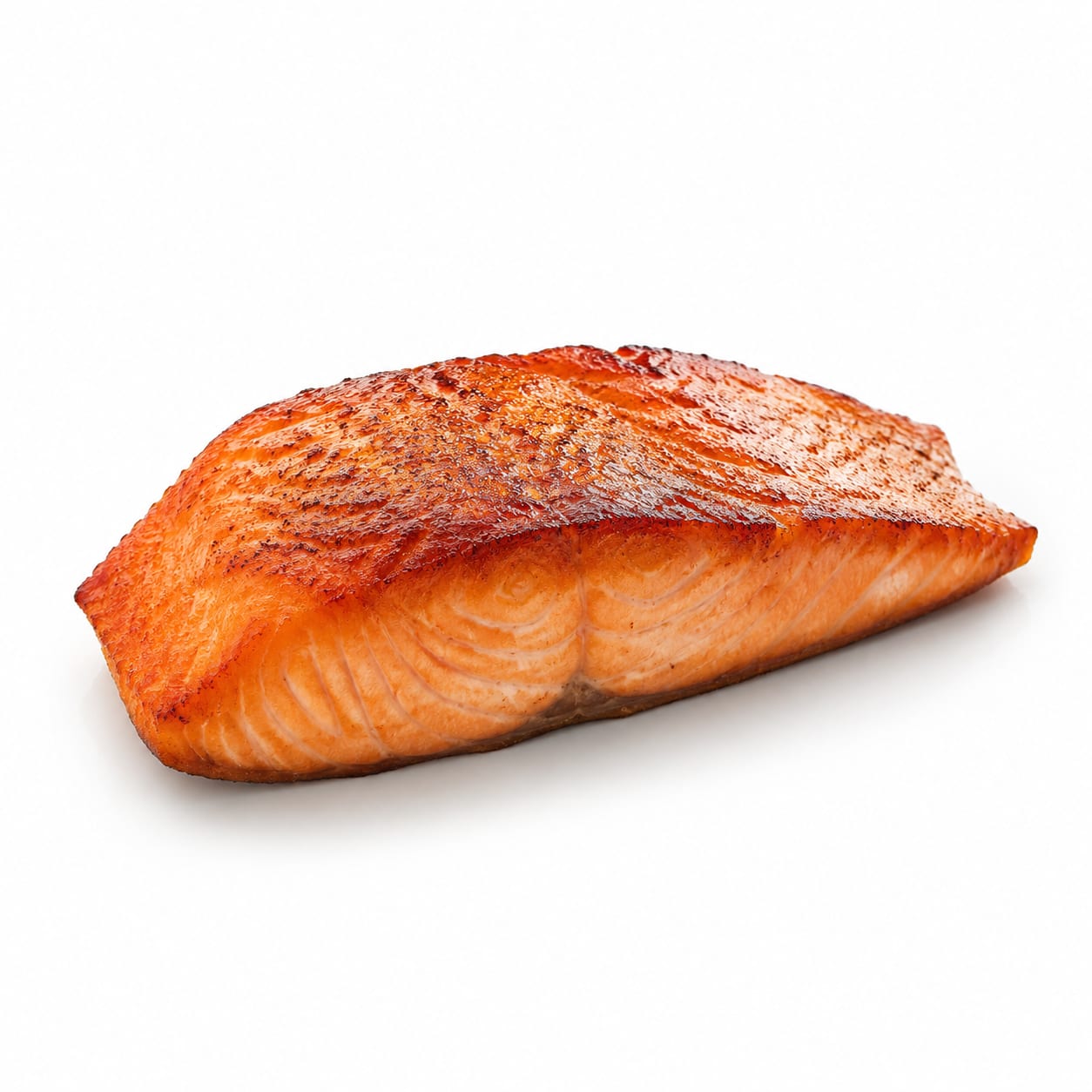
Trout
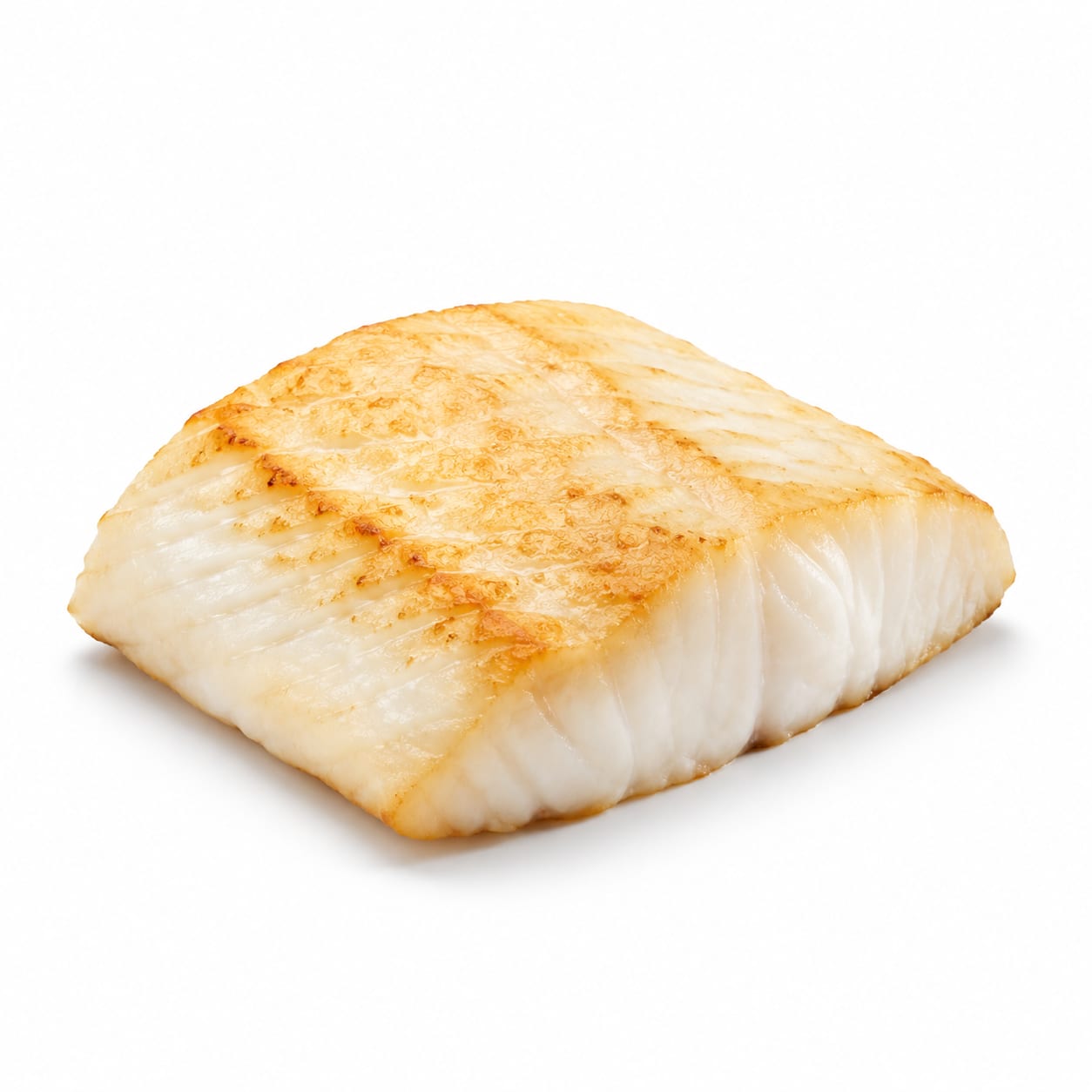
Cod
Trout delivers far more omega-3s and satisfaction per bite, while Cod offers lean versatility with fewer calories. Your pick depends on whether you prioritize heart-healthy fats or light, flexible protein.
Trout scores higher for nutrient density and health benefits, but Cod's leanness, affordability, and versatility keep it competitive. The gap reflects Trout's omega-3 advantage, which is hard to replicate elsewhere in diet.
Rich nourishment versus lean flexibility — Trout fills you up with healthy fats, Cod keeps meals light and adaptable.
At a glance
Executive summary
Overall
It depends
Healthier
Trout
More practical
Cod
Daily use
It depends
Key comparison lenses
omega-3 and heart health comparison
Trout is notably richer in omega-3 fatty acids, making this the most nutritionally significant difference between the two fish
weight management and calorie density
Cod is dramatically leaner, appealing to calorie-conscious eaters, while Trout offers more satiety per serving
contaminant and mercury safety
Both are relatively low-mercury fish, but sourcing and farming practices create meaningful safety differences
everyday meal versatility
Cod's mild flavor adapts to more recipes, while Trout's richer taste is more polarizing
sustainability and environmental impact
Atlantic cod has faced overfishing concerns, while farmed trout raises different environmental questions
Best choice for
Trout
- Heart health and omega-3 intake
- Satiety without overeating
- Vitamin D and B12 needs
- Those who find lean fish unsatisfying
Cod
- Low-calorie meal plans
- Gentle digestion and light eating
- Mild flavor preference
- Budget-conscious seafood eaters
Least suitable for
Trout
- Very low-fat diet prescriptions
- Those avoiding farmed fish
- People who dislike fishy flavor
Cod
- Omega-3 focused diets
- Those needing satiety from meals
- Vitamin D deficient individuals
Deep comparison
Dimension by dimension
Each lens scores both foods and breaks down who each option suits.
- Dimension 1 · Priority 95Trout
Omega-3 & Heart Health
Trout · 92Cod · 35Trout contains roughly 5-8 times more omega-3s than Cod, making it a genuinely heart-protective choice.
Tradeoff
You gain meaningful cardiovascular protection with Trout, but sacrifice the lightness Cod provides.
Why it matters
Omega-3s reduce inflammation, support brain function, and lower heart disease risk — benefits most people don't get enough of.
Real-world impact
Eating Trout twice weekly meaningfully moves the needle on omega-3 intake. Cod barely registers by comparison.
Trout
- Cardiovascular protection
- Brain health and mood support
- Anti-inflammatory diets
Better for
- People on strict fat restriction
Worse for
Cod
- Those already supplementing omega-3s
- Very low-fat therapeutic diets
Better for
- Anyone relying on fish as primary omega-3 source
Worse for
- Dimension 2 · Priority 85Cod
Calorie Density & Weight Management
Trout · 65Cod · 90Cod delivers high protein with minimal calories, making it a dieter's ally. Trout carries more calories from healthy fat.
Tradeoff
Cod helps you eat lighter, but you may feel hungrier sooner. Trout costs more calories but keeps you fuller longer.
Why it matters
For active weight loss, every calorie matters. For weight maintenance, satiety often matters more.
Real-world impact
A Cod dinner leaves room for sides and dessert. A Trout dinner is more self-contained and satisfying on its own.
Trout
- Sustained fullness between meals
- Reduced snacking urges
- Higher satisfaction with less food volume
Better for
- Those tracking calories closely
Worse for
Cod
- Strict calorie counting
- Larger portion sizes for fewer calories
- Flexible meal planning
Better for
- People who feel hungry after lean meals
Worse for
- Dimension 3 · Priority 80Trout
Nutrient Density Beyond Omega-3s
Trout · 85Cod · 65Trout provides more vitamin D, B12, and selenium per serving. Cod offers solid iodine but less overall nutritional breadth.
Tradeoff
Trout is the more complete nutrient package, while Cod covers basics without standing out.
Why it matters
Vitamin D deficiency is widespread, and Trout is one of the few food sources that delivers it meaningfully.
Real-world impact
Regular Trout eaters get a measurable vitamin D boost. Cod eaters should ensure they get D elsewhere.
Trout
- Vitamin D intake
- B12 for energy and nerve health
- Selenium for thyroid and immunity
Better for
- Those who get ample vitamin D from sun or supplements
Worse for
Cod
- Iodine for thyroid function
- Lower total fat for restricted diets
Better for
- People relying on food alone for vitamin D
Worse for
- Dimension 4 · Priority 70Cod
Flavor Versatility & Cooking Ease
Trout · 60Cod · 85Cod's neutral taste absorbs any flavor profile. Trout's richer, fishier character works in fewer dishes.
Tradeoff
Cod plays well with any cuisine; Trout demands recipes that complement its distinct personality.
Why it matters
If fish tastes good in more meals, you'll cook it more often and actually eat it consistently.
Real-world impact
Cod disappears into tacos, curries, and chowders. Trout shines simply grilled or smoked but fights against delicate sauces.
Trout
- Simple preparations that showcase flavor
- Smoked or cured applications
- Those who enjoy pronounced fish taste
Better for
- People avoiding strong fish flavors
- Complex sauce pairings
Worse for
Cod
- Diverse recipe adaptation
- Family meals with picky eaters
- Mild-flavored cuisine pairings
Better for
- Dishes where fish should be the star flavor
Worse for
- Dimension 5 · Priority 65It depends
Sustainability & Sourcing
Trout · 60Cod · 55Both have complicated sustainability stories. Farmed trout has environmental issues, while Atlantic cod populations remain fragile.
Tradeoff
Pacific Cod is generally sustainable but less available. US farmed trout is better regulated than imported alternatives.
Why it matters
Your sourcing choice matters more than the species itself for environmental impact.
Real-world impact
Ask where your fish came from. Well-sourced Trout or Cod can be responsible; poorly sourced versions of either are problematic.
Trout
- US-farmed rainbow trout (well-regulated)
- Wild-caught from managed fisheries
Better for
- Imported farmed trout with weak oversight
Worse for
Cod
- Pacific Cod (stronger stocks)
- MSC-certified sources
Better for
- Atlantic Cod from depleted stocks
Worse for
Timeline
Health impact over time
Short-term
Hours to days
Trout
- Greater meal satisfaction and reduced hunger within 2-3 hours
- Steadier energy from balanced protein-fat ratio
- Possible digestive heaviness if portion is large
Cod
- Light feeling after eating, easy on the stomach
- Possible hunger returning within 1-2 hours without adequate sides
- Quick digestion suitable for pre-workout meals
Long-term
Months to years
Trout
- Meaningful cardiovascular protection from consistent omega-3 intake
- Improved vitamin D status, especially in winter or northern climates
- Better triglyceride and inflammation markers over months
Cod
- Sustained low-calorie protein supporting healthy weight
- Thyroid support from reliable iodine intake
- Minimal omega-3 contribution unless supplemented elsewhere
Risk profile
Safety & processing
Both Trout and Cod are typically sold as whole, minimally processed fish. Watch for smoked or frozen preparations that may add sodium or preservatives.
Trout
Farmed fish contaminant exposure
mediumSome farmed trout may have higher PCB and dioxin levels than wild-caught, though US regulations keep this within safe limits.
Parasites in wild-caught
lowProper cooking or freezing eliminates parasite risk. Raw preparations require previously frozen fish.
Cod
Mercury exposure
lowCod is a low-mercury fish, among the safer choices for frequent consumption, including during pregnancy.
Sodium in preserved forms
mediumSalt cod and some frozen preparations can be very high in sodium. Fresh or plain frozen Cod avoids this.
Who wins for whom
Audience fit
Same foods, different winners depending on your goal.
children
CodCod's low mercury, mild flavor, and soft texture make it more kid-friendly and safer for regular consumption.
daily consumption
CodCod's low mercury and calorie content make it safer and more practical for daily eating without accumulation concerns.
diabetes
TroutTrout's omega-3s improve insulin sensitivity and reduce inflammation, both critical for diabetes management.
elderly
TroutTrout's vitamin D, B12, and omega-3s address common elderly deficiencies and support heart and cognitive health.
muscle gain
TroutTrout offers slightly more protein per serving with added healthy fats that support hormone production and recovery.
weight loss
CodCod provides filling protein at roughly half the calories of Trout, making it easier to maintain a calorie deficit.
Your move
Decision guide
Choose Trout
- Heart health and omega-3s are a top priority
- You find lean fish unsatisfying and end up snacking later
- You need more vitamin D from food sources
- You enjoy rich, pronounced fish flavor
Choose Cod
- You're actively managing calorie intake
- You want a fish that works in any recipe
- You prefer mild-tasting seafood
- You eat fish frequently and want low mercury exposure
Either works if
- You simply want a clean protein source for dinner
- You rotate proteins throughout the week anyway
- You're building a balanced diet with varied fish intake
Avoid both if
- You have a fish allergy
- You're following a strict plant-based diet
- You can't verify sustainable sourcing in your area
Final recommendation
Eat both strategically. Choose Trout 1-2 times weekly for omega-3s and satisfaction, and Cod on other fish days for light, versatile protein. This combo gives you heart protection, vitamin D, low mercury, and meal variety without overcommitting to either.
Practical
Consumer tips
- 1
Look for US-farmed rainbow trout or wild-caught lake trout for the best safety and sustainability profile
- 2
Choose Pacific Cod over Atlantic Cod when possible — stocks are healthier and better managed
- 3
Fresh or plain frozen is better than breaded, smoked, or salted versions of either fish
- 4
If omega-3s are your main goal, Trout is genuinely superior — don't expect Cod to deliver the same benefit
- 5
Pair Cod with olive oil or avocado to add healthy fats that make the meal more satisfying
- 6
Trout skin is nutritious and delicious when crisped — don't remove it unless you dislike the texture