
Nutrition comparison
Trout vs Swordfish: Mercury, Omega-3, and Safety Compared
Trout and swordfish both deliver protein and omega-3s, but mercury levels make trout the safer choice for regular eating. Compare nutrition, safety, and taste tradeoffs.
Overall winner · Trout
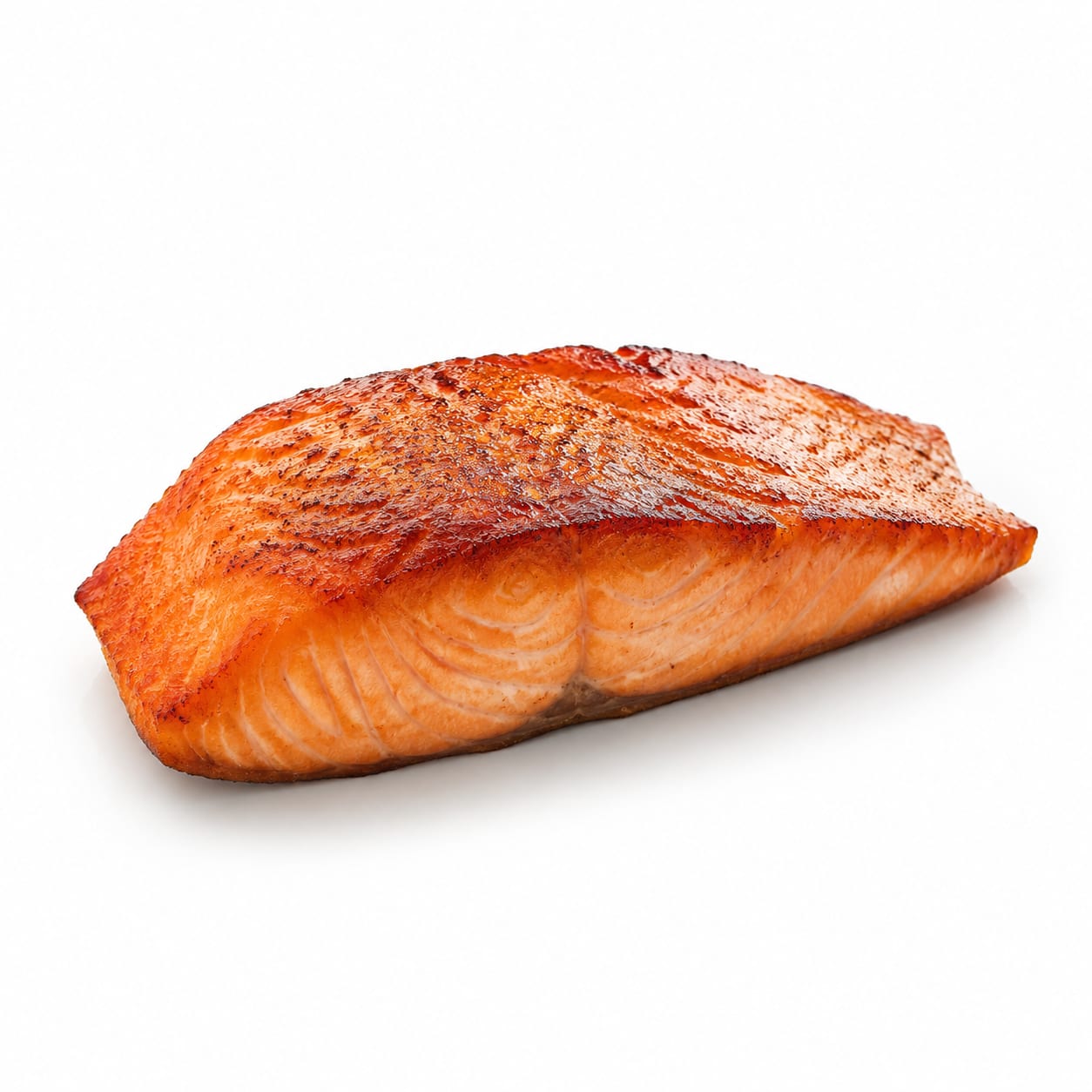
Trout
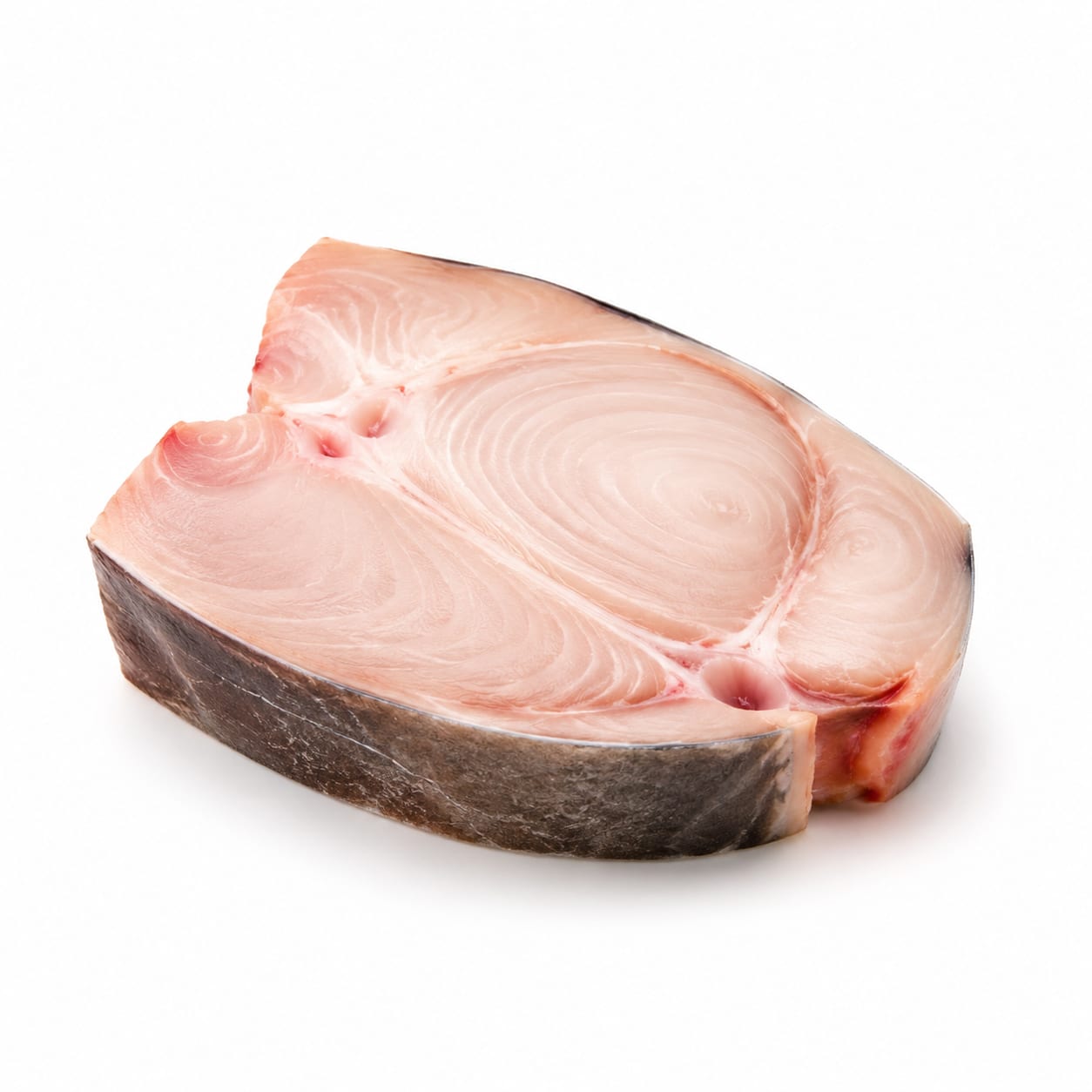
Swordfish
Trout wins for regular eating due to dramatically lower mercury and similar omega-3 benefits. Swordfish is an occasional luxury, not a staple.
Trout scores significantly higher because its nutritional profile is nearly as strong as swordfish while being dramatically safer for regular consumption. Swordfish loses substantial points on mercury risk and restricted eating frequency, which undermines its otherwise impressive nutrient density.
Swordfish delivers a meatier, more satisfying steak-like experience with higher selenium and vitamin D, but its mercury load makes frequent eating risky. Trout offers comparable nutrition with far safer regular consumption.
At a glance
Executive summary
Overall
Trout
Healthier
Trout
More practical
Trout
Daily use
Trout
Key comparison lenses
mercury safety concerns
Swordfish is notoriously high in mercury, making safety the dominant decision factor between these two fish
safe consumption frequency
Trout can be eaten multiple times per week safely while swordfish requires strict portion control
omega3 nutrient density
Both are praised for omega-3s but deliver them with very different risk profiles
protein quality and satiation
Both offer excellent protein but swordfish is denser and more filling per serving
environmental sustainability
Swordfish populations and fishing methods raise sustainability questions that trout farming addresses more cleanly
Best choice for
Trout
- Families wanting safe fish multiple times per week
- Pregnant or breastfeeding women needing low-mercury omega-3s
- Budget-conscious shoppers seeking nutritional value
- Anyone prioritizing long-term heavy metal safety
Swordfish
- Occasional restaurant diners craving a steak-like fish
- Athletes wanting dense protein in a single sitting
- People who rarely eat fish and want maximum selenium and vitamin D per meal
- Those specifically seeking firm-textured grilling fish for a special occasion
Least suitable for
Trout
- Those seeking a meaty steak-like fish texture
- Diners wanting a high-selenium single meal boost
Swordfish
- Pregnant or breastfeeding women
- Children under 12
- Anyone eating fish more than twice per week
- People with kidney issues sensitive to heavy metals
Deep comparison
Dimension by dimension
Each lens scores both foods and breaks down who each option suits.
- Dimension 1 · Priority 95Trout
Mercury and Heavy Metal Safety
Trout · 90Swordfish · 25Trout has roughly 10-20x less mercury than swordfish, making it safe for frequent consumption while swordfish requires strict limits.
Tradeoff
Swordfish's position as a large predatory fish means it accumulates mercury heavily. Trout, being smaller and mostly farmed, stays well within safe thresholds.
Why it matters
Chronic mercury exposure damages the nervous system, impairs cognition, and poses serious risks to fetal development. This single factor reshapes how often each fish can realistically be eaten.
Real-world impact
You can enjoy trout 3-4 times per week without worry. Swordfish should be limited to once per week at most, and avoided entirely by pregnant women and children.
Trout
- Pregnant and breastfeeding women
- Children
- Anyone eating fish regularly
Better for
- No meaningful downside on mercury
Worse for
Swordfish
- Infrequent fish eaters who want maximum nutrients per rare meal
Better for
- Pregnant women
- Children
- Weekly fish eaters
- People with cumulative mercury concerns
Worse for
- Dimension 2 · Priority 80Trout
Omega-3 Fatty Acid Content
Trout · 85Swordfish · 72Trout delivers more omega-3s per serving than swordfish, especially EPA and DHA, making it the better choice for anti-inflammatory benefits.
Tradeoff
Swordfish still provides decent omega-3s but less than trout. Since swordfish cannot be eaten as frequently, the cumulative omega-3 intake from trout is substantially higher over time.
Why it matters
Omega-3s support heart health, brain function, and joint comfort. Consistent intake matters more than occasional large doses.
Real-world impact
Eating trout twice a week gives you more total omega-3s than swordfish once a week, and you avoid the mercury penalty that comes with it.
Trout
- Heart health optimization
- Consistent anti-inflammatory intake
- Brain health maintenance
Better for
- None significant for omega-3s
Worse for
Swordfish
- Situations where you rarely eat fish and want some omega-3s in a single meal
Better for
- Cannot be eaten frequently enough to maximize cumulative omega-3 benefits
Worse for
- Dimension 3 · Priority 70Swordfish
Protein Density and Satiety
Trout · 75Swordfish · 88Swordfish is denser and more filling per serving, with a meaty texture that satisfies like a steak.
Tradeoff
That satisfying density comes with the mercury tradeoff. Trout still provides excellent protein but feels lighter and less steak-like.
Why it matters
For active people or those relying on a single fish portion to feel full, swordfish delivers more satiety per bite.
Real-world impact
A swordfish steak feels like a real meal. A trout fillet may leave heartier eaters wanting a side dish or second portion.
Trout
- Lighter meals
- Smaller appetites
- Post-workout without feeling heavy
Better for
- Very active people wanting maximum protein density per serving
Worse for
Swordfish
- Big eaters wanting one filling piece of fish
- Athletes needing dense protein in fewer bites
- Grilling occasions where steak-like texture matters
Better for
- Light eaters who find dense fish too heavy
Worse for
- Dimension 4 · Priority 72It depends
Micronutrient Profile
Trout · 80Swordfish · 78Trout excels in B vitamins and potassium, while swordfish offers more selenium and vitamin D. Both are strong but in different ways.
Tradeoff
Swordfish is one of the best selenium sources available, which helps counter some mercury effects. Trout provides more B12 and potassium per calorie.
Why it matters
Selenium supports thyroid and immune function. B12 powers energy metabolism. Both matter, but most people get adequate selenium from other sources.
Real-world impact
Unless you are specifically selenium-deficient, trout's broader B-vitamin profile serves everyday energy needs more practically.
Trout
- B-vitamin replenishment
- Potassium intake for blood pressure
- General micronutrient coverage
Better for
- Those specifically seeking high selenium or vitamin D from food
Worse for
Swordfish
- Selenium boosting
- Vitamin D in colder months
- Mineral-dense single meals
Better for
- Those needing B-vitamin support
Worse for
- Dimension 5 · Priority 65Trout
Environmental Sustainability
Trout · 78Swordfish · 50Farmed trout has a relatively low environmental footprint, while swordfish fishing raises bycatch and overfishing concerns.
Tradeoff
Some swordfish fisheries are well-managed, but many still use longline methods with significant bycatch. Trout farming, while not perfect, is generally more resource-efficient.
Why it matters
Sustainable seafood choices protect ocean ecosystems and ensure future availability.
Real-world impact
Choosing trout more often supports lower-impact aquaculture. Swordfish should come from verified sustainable sources when chosen.
Trout
- Environmentally conscious consumers
- Those wanting lower-carbon protein
Better for
- Those concerned about farmed fish feed sourcing
Worse for
Swordfish
- Diners who verify MSC-certified or well-managed swordfish sources
Better for
- Anyone prioritizing low-bycatch seafood
- Budget and sustainability-minded shoppers
Worse for
- Dimension 6 · Priority 60Trout
Culinary Versatility and Accessibility
Trout · 82Swordfish · 60Trout is more affordable, easier to find fresh, and works in more recipes. Swordfish is a specialty item best suited for grilling.
Tradeoff
Swordfish has a unique firm texture that holds up beautifully on the grill, but it costs more and appears less often in grocery stores.
Why it matters
A fish you can actually find and afford matters more than one that is theoretically superior but rarely accessible.
Real-world impact
Trout can be pan-seared, baked, smoked, or grilled any night of the week. Swordfish is more of a planned occasion meal.
Trout
- Weeknight cooking
- Budget meal planning
- Multiple cooking methods
Better for
- Those wanting a steak-like grilling experience
Worse for
Swordfish
- Outdoor grilling events
- Special occasion dinners
- Steak replacements for pescatarians
Better for
- Quick weeknight meals
- Budget households
- Areas with limited fresh fish availability
Worse for
Timeline
Health impact over time
Short-term
Hours to days
Trout
- Provides steady energy from high-quality protein without feeling heavy
- Easy to digest with minimal gastrointestinal discomfort
- Mild, non-fishy flavor makes it tolerable for fish-averse eaters
Swordfish
- Dense protein creates strong satiety that lasts for hours
- Heavier texture may feel too filling for light eaters
- Single meal mercury exposure is low risk but contributes to cumulative load
Long-term
Months to years
Trout
- Consistent omega-3 intake supports cardiovascular and cognitive health over decades
- Low mercury allows safe lifelong regular consumption
- Regular fish intake associated with reduced inflammation and better metabolic markers
Swordfish
- Cumulative mercury exposure poses risks to neurological health if eaten frequently
- Selenium and vitamin D contributions support thyroid and bone health when consumed occasionally
- Best treated as an infrequent addition rather than a dietary staple
Risk profile
Safety & processing
Both trout and swordfish are whole, minimally processed foods. Farmed trout may have some antibiotic and feed concerns, but overall both are clean protein sources when sourced responsibly. The bigger difference is what the fish carry environmentally, not what is added to them.
Trout
Mercury exposure
lowTrout consistently tests well below FDA mercury limits, making it safe for frequent consumption including by pregnant women and children.
Farmed fish contaminants
lowSome farmed trout may have trace PCBs or antibiotic residues, but levels are generally well-controlled in regulated aquaculture.
Parasites in wild trout
lowWild-caught trout can carry parasites but proper cooking eliminates this risk entirely.
Swordfish
Mercury exposure
highSwordfish is one of the highest-mercury fish commonly sold. FDA and EPA advise pregnant women, breastfeeding mothers, and children to avoid it entirely. Adults should limit to one serving per week maximum.
Heavy metal accumulation
mediumBeyond mercury, swordfish can accumulate arsenic and other heavy metals from ocean pollution, particularly in larger older specimens.
Parasitic concerns
lowSwordfish is occasionally served raw but should be frozen first per FDA guidelines to kill parasites.
Who wins for whom
Audience fit
Same foods, different winners depending on your goal.
children
TroutSwordfish is explicitly not recommended for children due to mercury content. Trout is safe and provides growing bodies with essential omega-3s and protein.
daily consumption
TroutTrout can safely be eaten 3-4 times per week. Swordfish should not be eaten more than once per week, making it unsuitable as a daily protein source.
diabetes
TroutBoth fish have zero carbs and minimal blood sugar impact, but trout can be eaten more consistently for ongoing metabolic benefits without mercury risk.
elderly
TroutOlder adults benefit from consistent omega-3 intake for cognitive and joint health, and trout allows this without the cumulative mercury exposure that is harder for aging kidneys to process.
muscle gain
SwordfishSwordfish offers denser protein per serving with a more filling texture, which supports higher protein intake in fewer bites for active individuals.
weight loss
TroutTrout is lower in calories per serving while still providing strong protein and omega-3s, making it easier to fit into calorie-controlled meals multiple times per week.
Your move
Decision guide
Choose Trout
- You eat fish more than once per week
- You are pregnant, breastfeeding, or feeding children
- You want a versatile, affordable fish for weeknight meals
- You prioritize long-term mercury safety and cumulative omega-3 intake
- You are budget-conscious but still want high-quality protein
Choose Swordfish
- You eat fish rarely and want maximum impact per meal
- You are grilling for a special occasion and want steak-like texture
- You have no mercury sensitivity concerns and eat fish less than once per week otherwise
- You specifically want a high-selenium, high-vitamin-D meal
Either works if
- You want zero-carb, high-protein options
- You are looking for anti-inflammatory seafood choices
- You enjoy cooking fish at home
Avoid both if
- You have a fish or seafood allergy
- You are vegan or vegetarian
- You live in an area where neither fish is available fresh or reliably frozen
Final recommendation
Make trout your everyday fish and treat swordfish as an occasional indulgence. The mercury gap alone makes this an easy call for regular eating. If you love swordfish, enjoy it once every few weeks from a reputable source, but let trout carry the weekly omega-3 load. Your nervous system will thank you over the long run.
Practical
Consumer tips
- 1
Check country of origin on trout: US and European farmed trout generally have stricter contaminant controls
- 2
If buying swordfish, look for MSC-certified or US-caught to support better-managed fisheries
- 3
Smaller swordfish steaks tend to have less mercury than larger ones from older fish
- 4
Trout is excellent smoked, which concentrates flavor and extends fridge life
- 5
Pair either fish with leafy greens and olive oil to amplify anti-inflammatory benefits
- 6
Freeze swordfish before raw preparations to kill parasites per FDA guidance
- 7
Avoid swordfish if you already eat other high-mercury fish like tilefish or king mackerel regularly