
Nutrition comparison
Trout vs Mackerel: Which Fish Is Healthier and Safer to Eat?
Compare trout and mackerel on omega-3 content, mercury safety, calories, and taste. Learn which fish is better for daily consumption and which mackerel species to avoid.
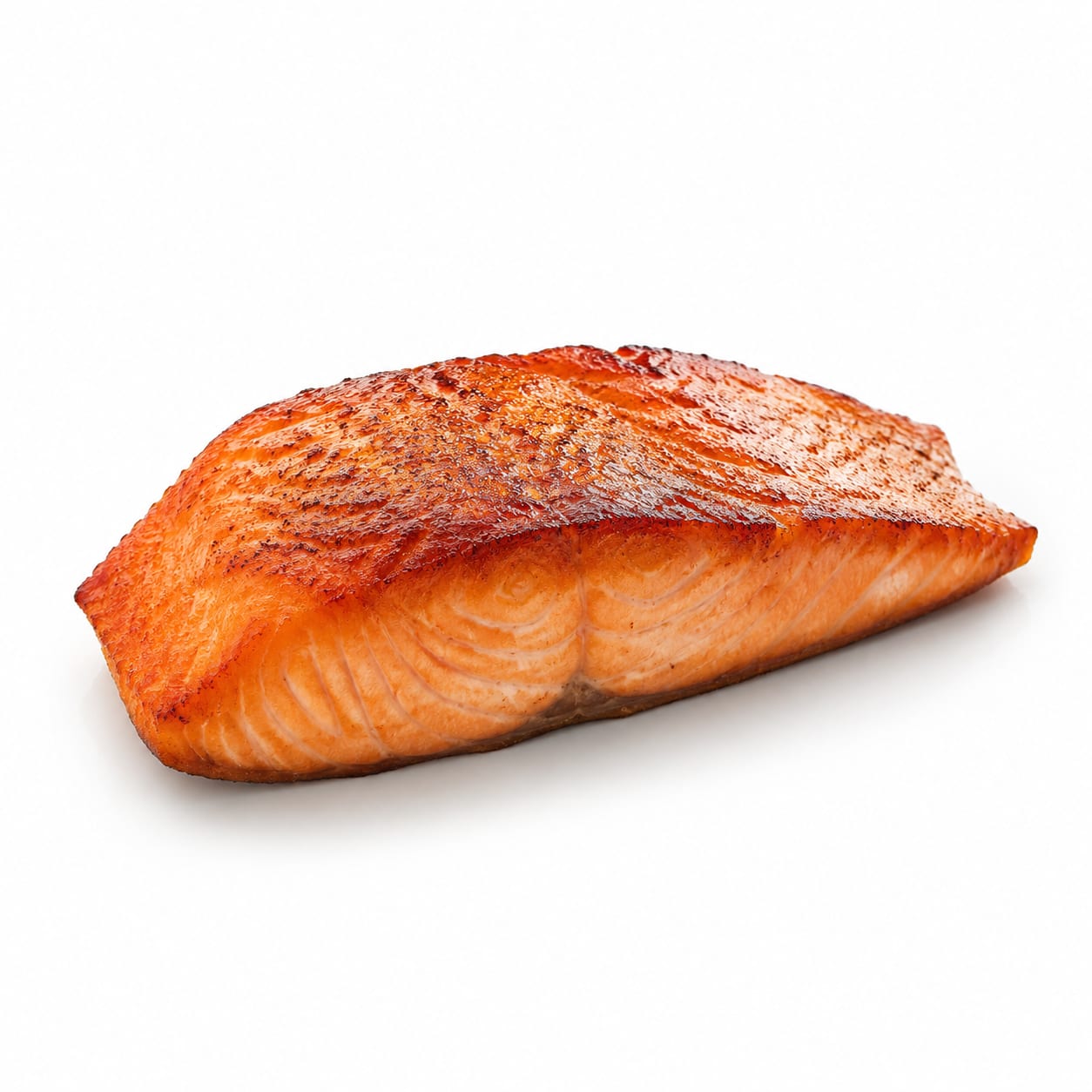
Trout
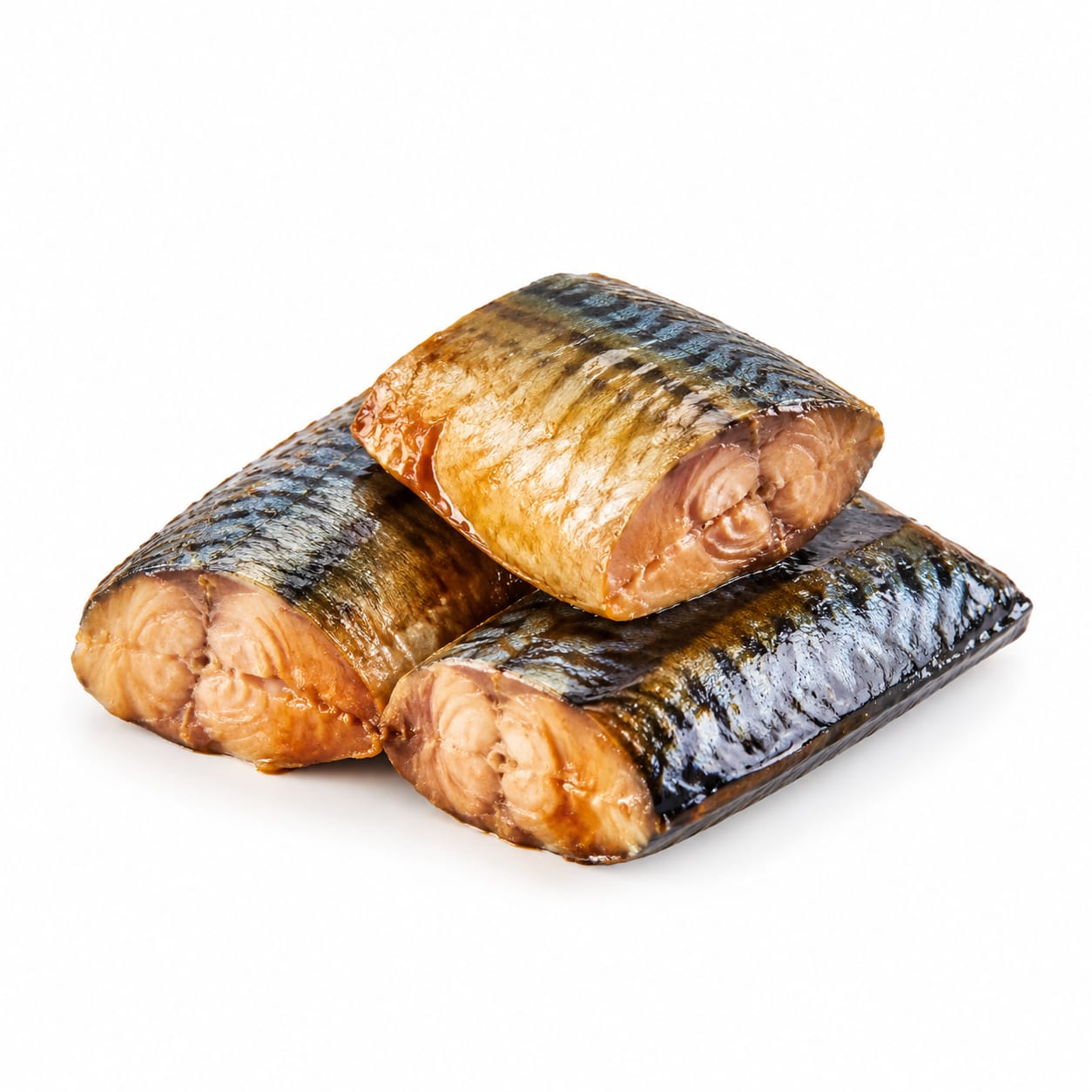
Mackerel
Mackerel wins on omega-3 density, but trout wins on safety and everyday usability. The right choice hinges on which mackerel species you're eating and how often.
Trout scores higher overall because its safety profile enables worry-free regular consumption. Mackerel's omega-3 advantage is real but undercut by mercury concerns that limit how often you should eat it. If all mackerel were Atlantic mackerel, the scores would be nearly tied.
More heart-protective fats in mackerel versus safer regular consumption with trout
At a glance
Executive summary
Overall
It depends
Healthier
It depends
More practical
Trout
Daily use
Trout
Key comparison lenses
omega-3 and heart health optimization
Both are top-tier omega-3 sources, but mackerel delivers significantly more EPA and DHA per serving
mercury and contamination safety
Mackerel species vary wildly in mercury, with king mackerel being dangerously high, while trout remains consistently low
safe frequency of consumption
Users want to know which fish they can eat multiple times per week without heavy metal accumulation concerns
flavor preference and culinary versatility
Mackerel's intense fishiness divides people, while trout offers a milder entry point for seafood hesitants
sustainability and environmental impact
Farmed trout and Atlantic mackerel have different ecological footprints worth understanding
Best choice for
Trout
- People eating fish 3+ times per week
- Pregnant or breastfeeding women
- Children needing safe omega-3 sources
- Anyone concerned about mercury accumulation
- Those who prefer milder fish flavors
Mackerel
- Those eating fish 1-2 times per week who want maximum omega-3 per serving
- People with heart disease risk needing aggressive EPA/DHA intake
- Fans of bold, rich fish flavors
- Those seeking high vitamin D from food
Least suitable for
Trout
- People needing the highest possible omega-3 dose per meal
- Those who find mild fish unappealing or boring
Mackerel
- Pregnant women (especially king mackerel)
- Children under 6 (king mackerel)
- Anyone planning daily fish consumption
- People sensitive to strong fish flavors or smells
Deep comparison
Dimension by dimension
Each lens scores both foods and breaks down who each option suits.
- Dimension 1 · Priority 95Mackerel
omega-3 fatty acid density
Trout · 72Mackerel · 94Mackerel delivers roughly 2-3 times more EPA and DHA per serving than trout, making it one of the most potent omega-3 foods available.
Tradeoff
That omega-3 richness comes packaged with more total fat and calories, plus the mercury load varies significantly by mackerel species.
Why it matters
If you're eating fish specifically for heart and brain benefits, mackerel gets you there faster with fewer servings needed.
Real-world impact
One mackerel fillet can deliver your entire week's omega-3 target, while trout might require 2-3 servings to hit the same mark.
Trout
- Getting moderate omega-3 with lower calorie intake
- Spreading omega-3 intake across multiple meals
Better for
- Requires more frequent consumption for therapeutic omega-3 doses
Worse for
Mackerel
- Maximizing EPA/DHA per serving
- Reducing number of fish meals needed to hit omega-3 targets
- People who dislike fish but want benefits from minimal servings
Better for
- Higher calorie cost per serving if you're watching intake
Worse for
- Dimension 2 · Priority 92Trout
mercury and heavy metal safety
Trout · 91Mackerel · 48Trout consistently tests low in mercury across farmed and wild varieties. Mackerel's safety profile is a split decision: Atlantic mackerel is moderate, king mackerel is dangerously high.
Tradeoff
Choosing mackerel requires species awareness that most consumers and restaurants don't provide clearly.
Why it matters
Mercury accumulates over time and affects neurological health, making this the single most important safety distinction between these fish.
Real-world impact
You can eat trout 3-4 times per week without concern. With king mackerel, even once a week is too much for vulnerable groups.
Trout
- Pregnant and breastfeeding women
- Children
- Anyone eating fish frequently
- Worry-free meal planning
Better for
- No significant mercury downside
Worse for
Mackerel
- Atlantic or chub mackerel is acceptable in moderation for healthy adults
Better for
- King mackerel is on the FDA do-not-eat list for pregnant women and children
- Restaurant mackerel often doesn't specify species
- Accumulation risk with regular consumption
Worse for
- Dimension 3 · Priority 78Mackerel
vitamin and mineral profile
Trout · 74Mackerel · 85Mackerel edges ahead with substantially more vitamin D, higher B12, and more selenium per serving. Trout still delivers solid nutrition but with less dramatic micronutrient density.
Tradeoff
Mackerel's micronutrient richness is partly a function of its higher fat content, so you're consuming more calories to access those vitamins.
Why it matters
Vitamin D deficiency is widespread, and mackerel is one of the few food sources that can meaningfully move the needle.
Real-world impact
A single mackerel serving covers your full daily vitamin D needs in winter months when sunlight is insufficient.
Trout
- Good B12 and selenium without excess calories
- More balanced nutrient-to-calorie ratio
Better for
- Less impactful for correcting vitamin D deficiency
Worse for
Mackerel
- Vitamin D replenishment in winter or for deficient individuals
- Maximum B12 per serving for energy and nerve health
- Higher selenium for thyroid and immune support
Better for
- Nutrient density comes with higher calorie density
Worse for
- Dimension 4 · Priority 72Trout
calorie density and weight management
Trout · 80Mackerel · 62Trout provides satisfying protein with fewer calories per serving. Mackerel's higher fat content makes it more calorie-dense, which can be filling but adds up quickly.
Tradeoff
Mackerel's richness makes it more satiating per bite, but trout lets you control portions more easily within a calorie budget.
Why it matters
If you're managing weight, the 40-50% calorie difference per serving between these fish matters across a week of meals.
Real-world impact
A trout fillet fits comfortably into a 500-calorie dinner. A mackerel fillet might consume half that budget before sides.
Trout
- Calorie-conscious meal planning
- Eating fish multiple times per week without overshooting intake
- Lean protein prioritization
Better for
- May feel less satisfying than mackerel's richness for some eaters
Worse for
Mackerel
- Keto or low-carb diets where higher fat is welcome
- One filling meal that reduces snacking later
- Active individuals needing calorie density
Better for
- Easy to overconsume calories if not tracking portions
- Less room on the plate for vegetables and whole grains
Worse for
- Dimension 5 · Priority 70Trout
flavor and culinary versatility
Trout · 82Mackerel · 65Trout's mild, clean flavor works with almost any preparation. Mackerel's bold, oily intensity is beloved by some and overwhelming for others.
Tradeoff
Mackerel's strong personality limits what it pairs with, while trout adapts to delicate and robust flavors alike.
Why it matters
The best nutritional food is one you'll actually cook and eat regularly. Flavor compatibility determines real-world adherence.
Real-world impact
Trout can be pan-seared, smoked, grilled, or baked with minimal seasoning. Mackerel often needs assertive accompaniments like mustard, citrus, or strong herbs.
Trout
- Seafood beginners and picky eaters
- Versatile weeknight cooking
- Pairing with subtle sauces and vegetables
- Family meals with diverse preferences
Better for
- May feel uninspiring to experienced fish cooks
Worse for
Mackerel
- Adventurous eaters craving bold flavors
- Mediterranean and Japanese cuisine traditions
- Smoked or cured preparations
- People who find mild fish boring
Better for
- Strong smell during cooking can linger
- Limited pairing options
- Leftovers can intensify in fishiness
Worse for
- Dimension 6 · Priority 68It depends
sustainability and environmental impact
Trout · 75Mackerel · 73US farmed rainbow trout is rated a best choice by seafood watchdogs. Atlantic mackerel is also well-managed, but king and Spanish mackerel populations face more pressure.
Tradeoff
Farmed trout has controlled environmental impact but uses feed resources. Wild mackerel is free-ranging but stock health varies by species and region.
Why it matters
Conscious consumers want fish that won't deplete oceans or cause ecological damage.
Real-world impact
Look for US-farmed trout or MSC-certified Atlantic mackerel to eat with environmental confidence.
Trout
- US farmed trout has clear best-choice ratings
- Consistent sustainability regardless of season
- Lower food miles if domestically farmed
Better for
- Farmed fish always carries some aquaculture footprint
- Feed sourcing questions remain
Worse for
Mackerel
- Atlantic mackerel is abundant and well-managed
- Wild-caught with no aquaculture concerns
- Lower carbon footprint than some farmed alternatives
Better for
- King mackerel sustainability varies significantly
- Bycatch concerns with some fishing methods
- Species confusion at market level
Worse for
Timeline
Health impact over time
Short-term
Hours to days
Trout
- Steady protein satisfaction without heaviness
- Easy digestion with moderate fat content
- Mild flavor unlikely to cause aversion
Mackerel
- Deep satiety from high fat and protein content
- Possible digestive heaviness if you're not used to oily fish
- Strong aftertaste that may linger
Long-term
Months to years
Trout
- Consistent low-mercury omega-3 intake supports heart and brain health safely
- Lower cumulative heavy metal burden with frequent consumption
- Sustainable dietary pattern that's easy to maintain
Mackerel
- Potent cardiovascular protection from high EPA/DHA if consumed in safe amounts
- Vitamin D maintenance reduces deficiency risk year-round
- Mercury accumulation risk if king mackerel is consumed regularly or species is unknown
Risk profile
Safety & processing
Both trout and mackerel are typically sold as whole fish or fillets with minimal processing. Smoked versions of both exist and add sodium but remain relatively clean. Neither carries significant additive concerns when purchased fresh or frozen.
Trout
mercury exposure
lowRainbow trout consistently tests well below safety thresholds, making it suitable for frequent consumption by all populations including pregnant women.
aquaculture contaminants
lowUS farmed trout is well-regulated. Imported farmed trout may have less oversight, so country of origin matters.
parasites in wild-caught
mediumWild trout can carry parasites requiring proper cooking or freezing before raw consumption.
Mackerel
mercury exposure from king mackerel
highKing mackerel is explicitly listed on the FDA high-mercury advisory. Pregnant women, nursing mothers, and young children should avoid it entirely.
histamine toxicity
mediumMackerel is a scombroid fish prone to histamine buildup if not properly chilled. This causes flushing, headache, and digestive distress that's often mistaken for allergy.
species misidentification
mediumMarkets and restaurants rarely specify which mackerel species they sell, making it hard to assess mercury risk accurately.
Who wins for whom
Audience fit
Same foods, different winners depending on your goal.
children
TroutLow mercury and mild flavor make trout a safe and kid-friendly introduction to fish. King mackerel is explicitly not recommended for children.
daily consumption
TroutTrout's safety profile supports eating it multiple times per week without accumulation concerns. Mackerel requires more careful frequency management.
diabetes
TroutBoth are essentially zero-carb, but trout's lower calorie density makes portion management easier for weight control, which is central to diabetes management.
elderly
TroutConsistent low mercury matters more with age as detoxification capacity declines, and trout's softer texture is easier to chew and digest.
muscle gain
MackerelHigher calorie and fat content supports caloric surplus needs, and the extra protein per serving aids muscle recovery.
weight loss
TroutLower calorie density lets you eat satisfying portions while staying within targets, and the milder flavor doesn't trigger overeating.
Your move
Decision guide
Choose Trout
- You eat fish 3 or more times per week
- You're pregnant, breastfeeding, or feeding young children
- You want a versatile fish that works with any cuisine
- You're tracking calories while getting omega-3s
- You can't verify which mackerel species is available
Choose Mackerel
- You eat fish 1-2 times per week and want maximum omega-3 per meal
- You can confirm it's Atlantic or chub mackerel, not king mackerel
- You have low vitamin D and need food-based replenishment
- You love rich, bold fish flavors
- You follow a keto or high-fat dietary approach
Either works if
- You're a healthy adult eating fish twice weekly
- You want heart-healthy protein that isn't red meat
- You have access to high-quality fresh sources of either
Avoid both if
- You have a fish allergy
- You're on a strict low-purine diet for gout management
- You can't access reliably fresh or properly frozen sources
Final recommendation
Make trout your default weekly fish for safe, consistent omega-3 intake. Add Atlantic mackerel once or twice a month as a omega-3 booster and flavor change-up, but always confirm the species and never assume mackerel at a restaurant is the low-mercury kind. This combination gives you the best of both: reliable safety with periodic high-impact nutrition.
Practical
Consumer tips
- 1
When buying mackerel, ask specifically for Atlantic or chub mackerel. If the seller can't confirm the species, choose trout instead.
- 2
Smoked trout is a convenient pantry staple that delivers omega-3s without cooking, but watch the sodium content.
- 3
Fresh mackerel should have clear eyes, bright skin, and no strong fishy smell before cooking. A pungent odor means histamine may already be building.
- 4
Frozen trout fillets are nearly as nutritious as fresh and often more affordable for regular consumption.
- 5
If you're new to mackerel, start with smoked mackerel pâté or grilled fillets with strong mustard. The bold accompaniments ease you into the flavor.
- 6
Pregnant women should print the FDA mercury advisory card and keep it handy. King mackerel and tilefish are in the same danger category as shark and swordfish.