
Nutrition comparison
Trout vs Halibut: Which Fish is Healthier?
Compare Trout vs Halibut for omega-3s, mercury, protein, and flavor. Find out which fish is safer for daily eating and which is better for lean diets.
Overall winner · Trout
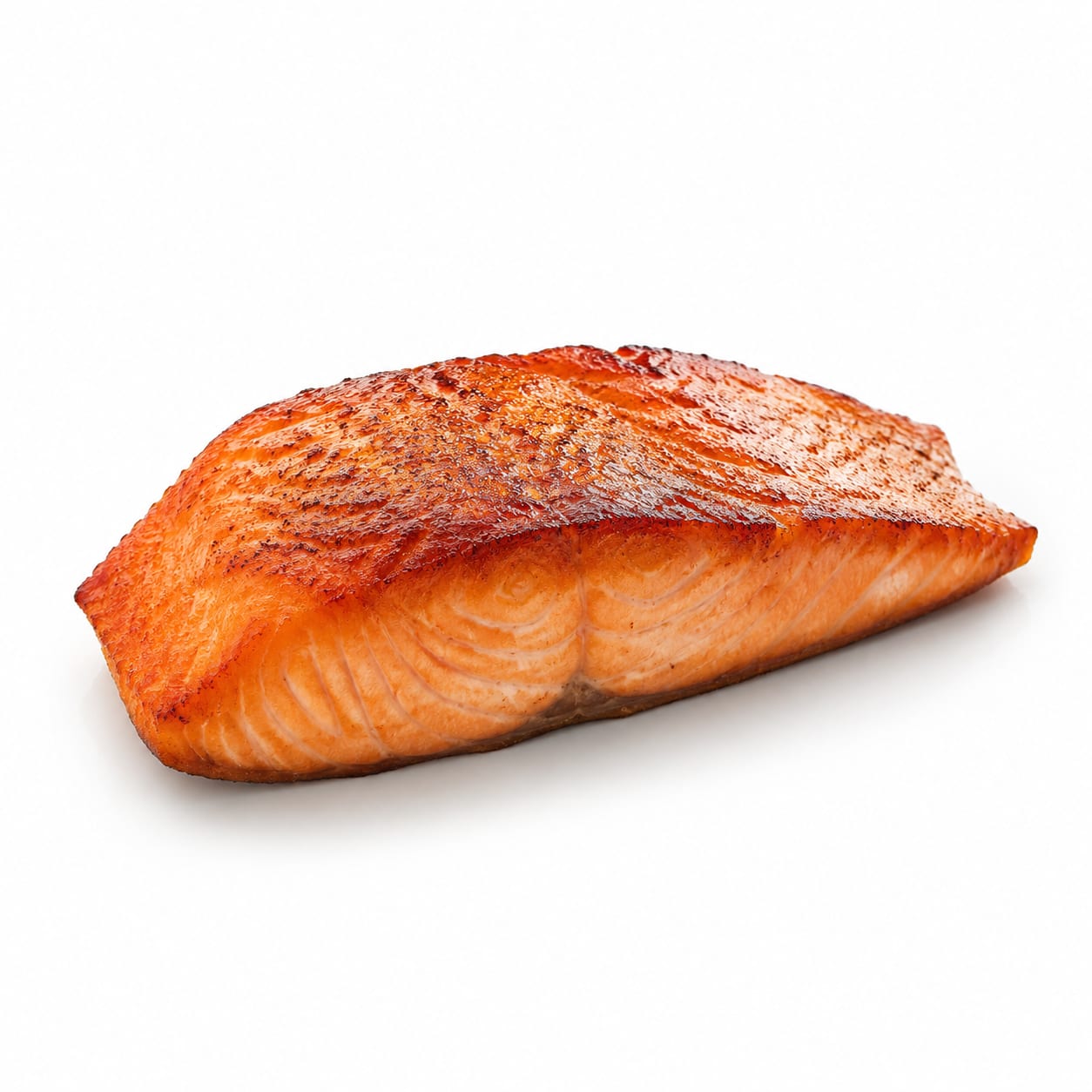
Trout
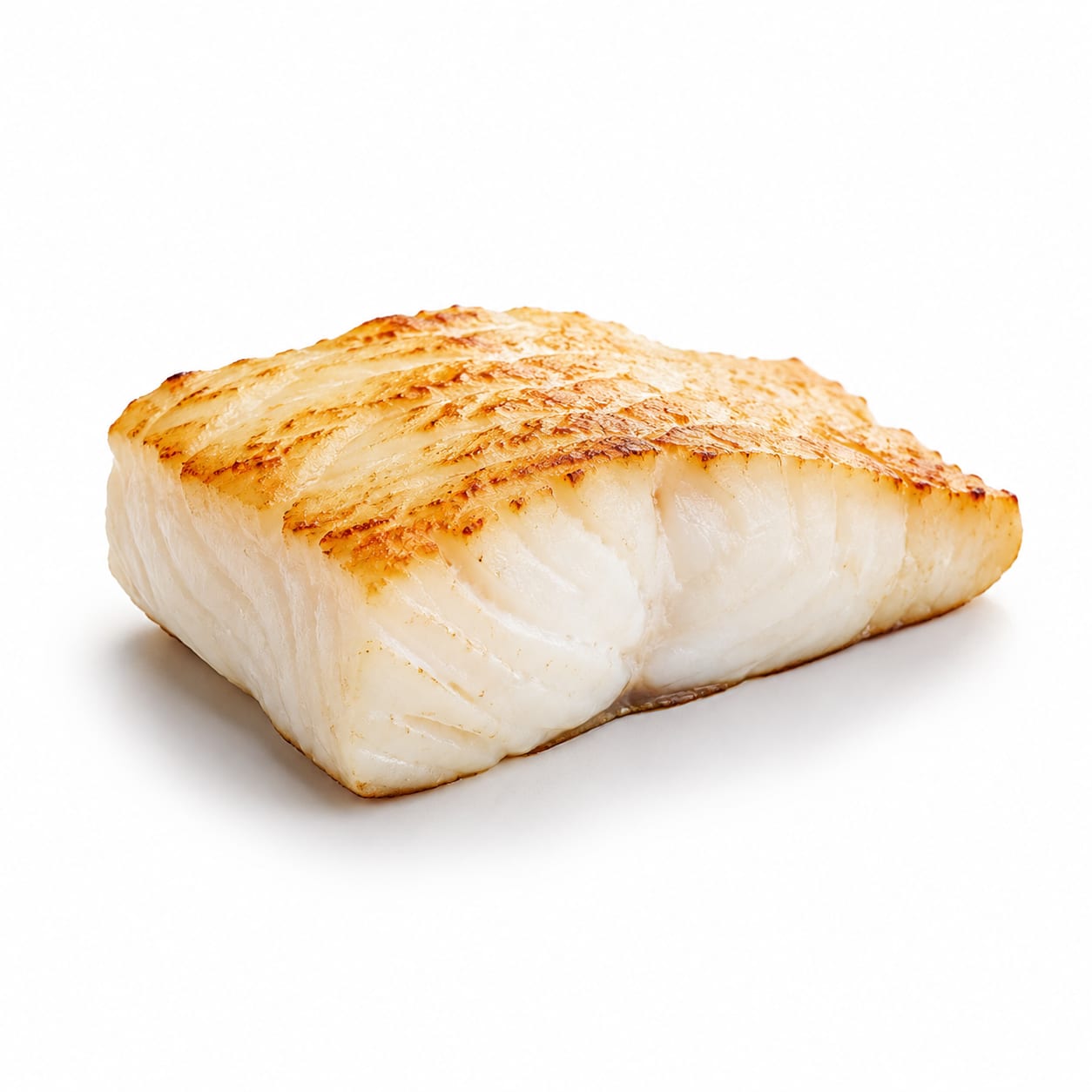
Halibut
Trout offers more omega-3s and lower mercury, while Halibut provides leaner protein and a milder, meatier bite.
Trout wins overall due to its superior omega-3 profile and lower mercury levels, making it safer and more beneficial for regular consumption. Halibut scores well for lean protein but loses points on mercury accumulation and higher cost.
Rich, protective fats and lower contaminants in Trout versus ultra-lean protein and a steak-like texture in Halibut.
At a glance
Executive summary
Overall
Trout
Healthier
Trout
More practical
It depends
Daily use
Trout
Key comparison lenses
Omega-3 and heart health comparison
Trout is a fatty fish rich in omega-3s, while Halibut is exceptionally lean, creating a major nutritional divergence.
Mercury and heavy metal exposure
Halibut is a large, long-lived fish with moderate-to-high mercury, whereas Trout is lower on the food chain and much safer for frequent consumption.
Lean protein and calorie control
Halibut provides massive protein with minimal calories, making it a staple for strict macro-trackers, unlike the higher-calorie Trout.
Culinary use and flavor preference
Trout offers a rich, earthy flavor and delicate flake, while Halibut provides a mild, steak-like bite for grilling.
Best choice for
Trout
- Boosting omega-3 intake naturally with Trout
- Pregnant women avoiding mercury who still want fish
- Heart health and anti-inflammatory diets
Halibut
- Low-calorie high-protein diets using Halibut
- People who dislike strong fishy flavors
- Grilling and steak-like dinner presentations
Least suitable for
Trout
- Strict low-fat diets due to Trout's natural fat content
- Those who dislike rich, fishy flavors
Halibut
- Frequent daily consumption due to Halibut's mercury levels
- Budget-conscious weekly meal prep
Deep comparison
Dimension by dimension
Each lens scores both foods and breaks down who each option suits.
- Dimension 1 · Priority 95Trout
Heart & Brain Health (Omega-3s)
Trout · 92Halibut · 55Trout is a fatty fish packed with omega-3s, while Halibut is very lean.
Tradeoff
You get significantly more anti-inflammatory fats with Trout, but more pure protein per calorie with Halibut.
Why it matters
Omega-3s are critical for heart and brain health, and most people do not get enough of them.
Real-world impact
Eating Trout regularly can help reduce joint stiffness and improve mental clarity, whereas Halibut relies on you getting your healthy fats elsewhere.
Trout
- Reducing inflammation (Trout is rich in omega-3s)
- Supporting brain health (Trout provides ample DHA/EPA)
- Getting healthy fats without supplements (Trout naturally delivers them)
Better for
- Strict low-fat diets (Trout's natural fats add calories)
Worse for
Halibut
- Keeping daily fat calories low (Halibut is extremely lean)
- Pairing with your own healthy fat sources (Halibut acts as a blank canvas)
Better for
- Relying on the fish itself for omega-3s (Halibut has very little fat)
Worse for
- Dimension 2 · Priority 90Trout
Heavy Metal & Contamination Safety
Trout · 88Halibut · 65Trout is lower on the food chain and accumulates far less mercury than Halibut.
Tradeoff
Halibut's large, long-lived nature means higher mercury, limiting how often you should eat it.
Why it matters
Mercury exposure affects neurological health and is especially concerning for pregnant women and children.
Real-world impact
You can comfortably eat Trout a couple of times a week without worry, whereas Halibut is best limited to occasional meals.
Trout
- Frequent fish eaters (Trout is low in mercury)
- Pregnant women (Trout is safer for fetal development)
- Children (Trout poses less neurological risk)
Better for
Halibut
- Occasional dining out (Halibut is fine in moderation)
Better for
- Daily meal prep (Halibut's mercury builds up)
- Pregnancy diets (Halibut should be strictly limited)
Worse for
- Dimension 3 · Priority 85Halibut
Lean Protein & Calorie Control
Trout · 70Halibut · 94Halibut delivers a massive protein punch with almost no fat, making it a bodybuilder's dream.
Tradeoff
You sacrifice the built-in healthy fats of Trout for a leaner macro profile with Halibut.
Why it matters
If you are tracking calories or macros closely, Halibut gives you more protein per bite.
Real-world impact
Halibut fits perfectly into a strict cutting phase, while Trout's extra calories from fat can fill you up more naturally.
Trout
- Natural satiety without strict tracking (Trout's fat keeps you full)
- Low-carb high-fat diets (Trout fits perfectly)
Better for
- Strict calorie restriction (Trout is more calorie-dense)
Worse for
Halibut
- Bodybuilding and cutting phases (Halibut is pure protein)
- High-protein low-fat diets (Halibut maximizes protein per calorie)
Better for
- Those relying on fish for satiety and healthy fats (Halibut is too lean to fill you up alone)
Worse for
- Dimension 4 · Priority 75It depends
Culinary Versatility & Flavor
Trout · 82Halibut · 82Trout offers a rich, earthy flavor and tender flake, while Halibut is mild, firm, and meaty.
Tradeoff
Trout is delicate and easily overcooked, whereas Halibut is forgiving and holds up well to grilling.
Why it matters
Your cooking method and flavor preference will dictate which is more enjoyable at the dinner table.
Real-world impact
Choose Halibut for a backyard BBQ or when serving picky eaters; choose Trout for a quick pan-sear with lemon and herbs.
Trout
- Quick pan-frying (Trout cooks in minutes)
- Smoked fish preparations (Trout takes smoke beautifully)
- Rich, comforting meals (Trout has a luxurious texture)
Better for
- Heavy grilling (Trout can fall apart)
- People who hate fishy taste (Trout is distinctly flavorful)
Worse for
Halibut
- Grilling (Halibut holds together like a steak)
- Steak-like presentations (Halibut is thick and meaty)
- Mild flavor profiles (Halibut is very subtle)
Better for
- Budget-friendly family dinners (Halibut is quite expensive)
Worse for
Timeline
Health impact over time
Short-term
Hours to days
Trout
- Quick satiety from healthy fats in Trout
- Steadier energy without blood sugar spikes after eating Trout
Halibut
- Light, non-bloated feeling after eating Halibut
- High protein from Halibut keeps you full without feeling heavy
Long-term
Months to years
Trout
- Better cardiovascular markers from Trout's omega-3s
- Lower risk of mercury-related issues with regular Trout consumption
Halibut
- Excellent muscle maintenance from Halibut's high-quality protein
- Potential mercury accumulation if Halibut is eaten too frequently
Risk profile
Safety & processing
Both Trout and Halibut are whole, natural proteins typically sold fresh or frozen without additives.
Trout
PCBs and Dioxins (especially in farmed Trout)
mediumFarmed Trout can have higher levels of industrial pollutants than wild-caught, though still generally within safe limits.
Parasites
lowCommon in freshwater fish like Trout; easily killed by proper cooking or freezing.
Halibut
Mercury Accumulation
highAs a large predatory fish, Halibut accumulates moderate-to-high levels of mercury, requiring consumption limits.
Overfishing and Sustainability
mediumSome Halibut populations are under pressure; always look for MSC-certified options.
Who wins for whom
Audience fit
Same foods, different winners depending on your goal.
children
TroutLower mercury levels make Trout a much safer choice for developing nervous systems.
daily consumption
TroutTrout's lower mercury footprint makes it safe to eat multiple times a week, unlike Halibut.
diabetes
TroutThe healthy fats in Trout help stabilize blood sugar and improve insulin sensitivity better than lean protein alone.
elderly
TroutThe omega-3s in Trout support cognitive health and joint mobility, which are critical as we age.
muscle gain
HalibutHalibut offers more protein per serving and per calorie, which is crucial for muscle repair and growth.
weight loss
HalibutHalibut's ultra-lean profile makes it easier to fit into a calorie deficit while hitting high protein targets.
Your move
Decision guide
Choose Trout
- You want to boost your omega-3 intake naturally with Trout
- You are pregnant, nursing, or feeding children and need low-mercury fish like Trout
- You prefer a richer, more flavorful fish like Trout
- You eat fish more than twice a week (Trout is safer for high frequency)
Choose Halibut
- You are on a strict high-protein, low-fat diet and need Halibut's lean macros
- You prefer a mild, non-fishy flavor that Halibut provides
- You want a firm, steak-like fish for grilling like Halibut
- You only eat fish occasionally, making Halibut's mercury less of a concern
Either works if
- You need a high-quality complete protein for dinner
- You are bored with chicken and want a whole-food alternative
Avoid both if
- You have a severe fish or seafood allergy
- You are strictly vegan or vegetarian
Final recommendation
Make Trout your go-to for regular weeknight dinners to safely load up on omega-3s and keep mercury low. Save Halibut for occasional meals when you want a lean, meaty texture or are firing up the grill.
Practical
Consumer tips
- 1
Look for wild-caught Trout when possible to minimize pollutant exposure, though farmed Trout is still very low in mercury.
- 2
Check Seafood Watch for sustainable Halibut options—Pacific Halibut is generally better than Atlantic.
- 3
If cooking Halibut, add a healthy fat like olive oil or avocado to make up for what the fish lacks nutritionally.
- 4
Trout cooks very quickly; a few minutes skin-side down is usually all you need for crispy perfection.