
Nutrition comparison
Trout vs Tilapia: Nutrition, Omega-3, and Taste Compared
Trout vs Tilapia comparison: Discover which fish is better for omega-3s, weight loss, and safety. Learn the nutritional tradeoffs between Trout and Tilapia.
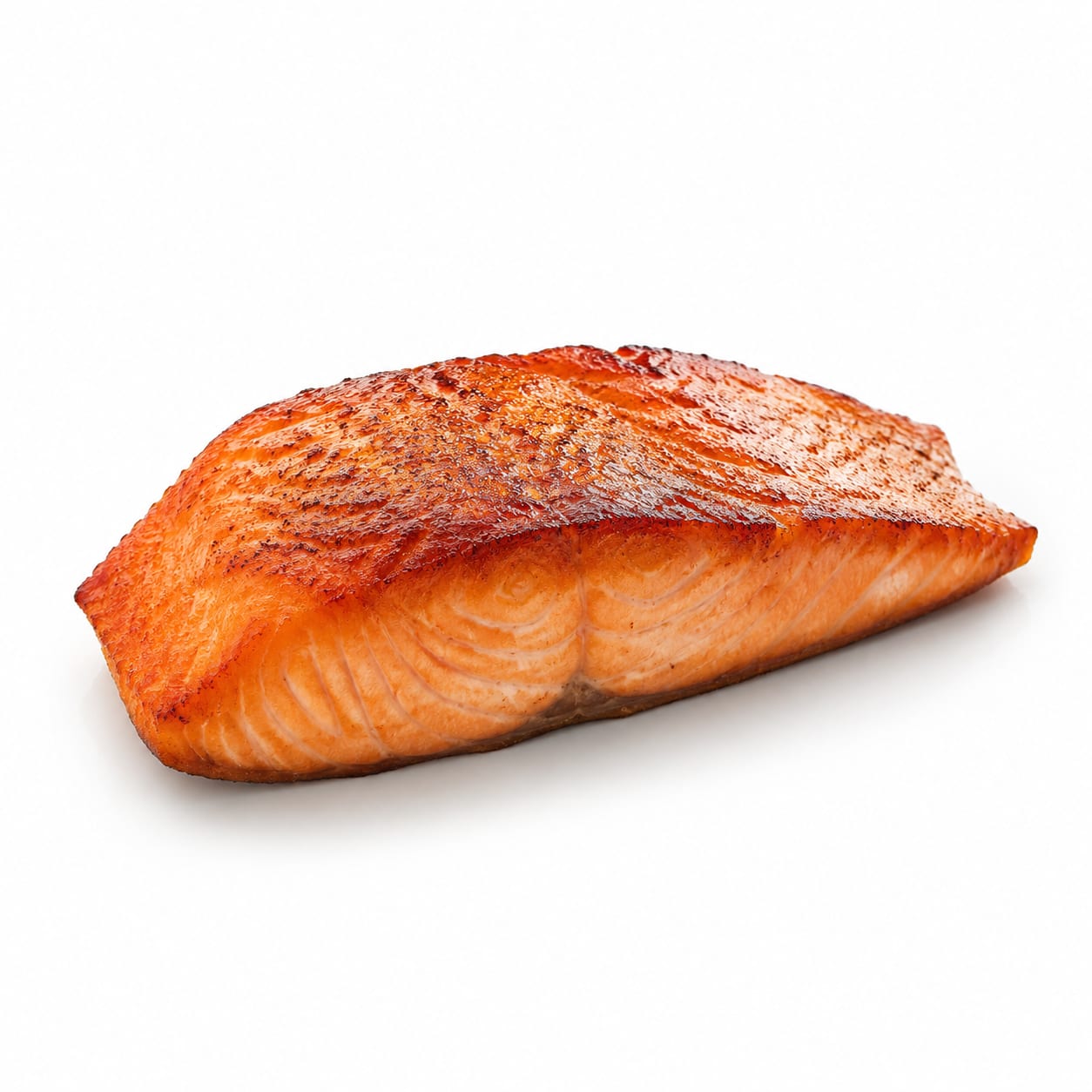
Trout
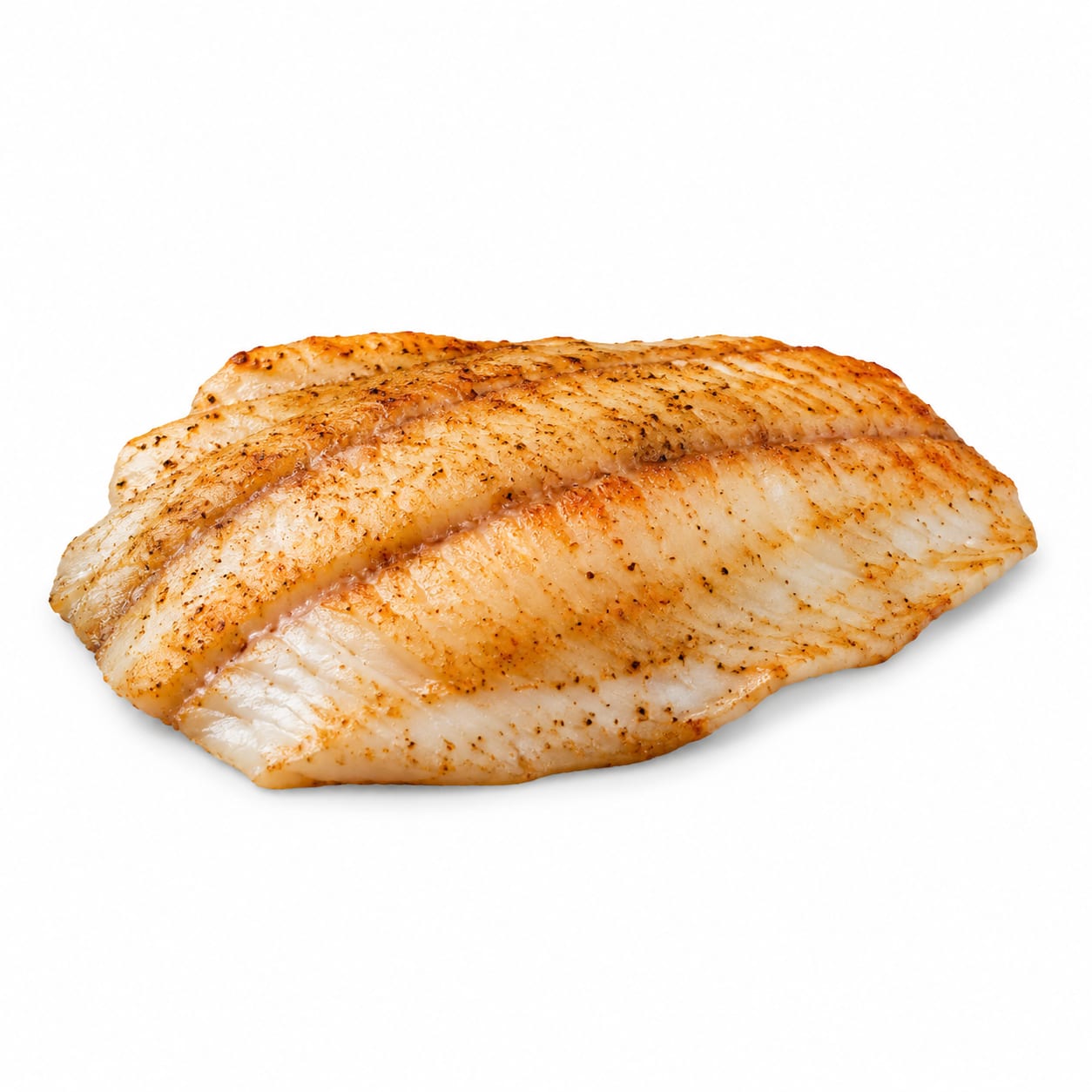
Tilapia
Trout delivers a massive dose of omega-3s and richer flavor, while Tilapia offers an ultra-lean, budget-friendly, and mild protein base.
Trout scores higher due to its superior omega-3 profile and denser nutrition, but Tilapia remains a relevant choice for budget-focused, low-calorie diets.
Nutritional depth and healthy fats versus low-calorie leanness and affordability.
At a glance
Executive summary
Overall
It depends
Healthier
Trout
More practical
Tilapia
Daily use
It depends
Key comparison lenses
Omega-3 and heart health benefits
Trout is renowned for its omega-3 content, while Tilapia offers very little, making this the starkest nutritional contrast between the two.
Farming practices and safety
Both are predominantly farmed, but Tilapia faces more scrutiny regarding imported farming conditions and antibiotic use.
Calorie control and leanness
Tilapia is exceptionally lean, appealing to strict calorie counters, whereas Trout carries more healthy fat and calories.
Flavor preference and culinary use
Trout has a rich, distinct flavor, while Tilapia is a mild blank canvas, heavily influencing which dish people choose.
Best choice for
Trout
- Boosting heart and brain health
- Following keto or low-carb diets
- Getting anti-inflammatory omega-3s
Tilapia
- Strict calorie counting
- Tight grocery budgets
- Picky eaters who dislike fishy taste
Least suitable for
Trout
- Very low-fat diet prescriptions
- People avoiding strong fish flavors
Tilapia
- Relying on fish for omega-3 intake
- Avoiding potentially poorly regulated imports
Deep comparison
Dimension by dimension
Each lens scores both foods and breaks down who each option suits.
- Dimension 1 · Priority 95Trout
Omega-3 & Healthy Fats
Trout · 96Tilapia · 15Trout is an omega-3 powerhouse, while Tilapia contains almost none and has a less favorable fat ratio.
Tradeoff
You get significant heart-health benefits with Trout, but it comes with more calories from fat compared to the near-fat-free Tilapia.
Why it matters
Omega-3s are essential for brain function and reducing inflammation, and most people don't get enough.
Real-world impact
Eating Trout regularly can meaningfully improve your lipid panel and joint health; eating Tilapia will not move the needle on omega-3 intake.
Trout
- Reducing systemic inflammation
- Supporting cognitive health
- Improving cholesterol markers
Better for
- Very low-fat dietary protocols
Worse for
Tilapia
- Keeping total fat grams extremely low
Better for
- Resolving omega-3 deficiencies
- Anti-inflammatory diets
Worse for
- Dimension 2 · Priority 80Tilapia
Calorie Density & Leanness
Trout · 70Tilapia · 95Tilapia is exceptionally lean, making it incredibly easy to fit into strict calorie deficits.
Tradeoff
Tilapia keeps calories low but lacks the satiating staying power of Trout's healthy fats.
Why it matters
If you are counting macros strictly, Tilapia provides maximum protein with minimal fat calories.
Real-world impact
A Tilapia fillet feels very light in the stomach, requiring fibrous sides to keep you full, whereas Trout is more satisfying on its own.
Trout
- Staying full for hours after eating
- Low-carb or keto macro balancing
Better for
- Those who find fatty fish too heavy at lunch
Worse for
Tilapia
- Cutting weight for a competition
- Strict calorie tracking
Better for
- Meals where the protein needs to provide lasting satiety
Worse for
- Dimension 3 · Priority 85Trout
Safety & Farming Practices
Trout · 82Tilapia · 58US-farmed Trout is generally well-regulated, while imported Tilapia often faces scrutiny over farming conditions and antibiotic use.
Tradeoff
Tilapia is much cheaper, but that low price often reflects less stringent farming standards in exporting countries.
Why it matters
Contaminants and antibiotics in poorly regulated farmed fish can undermine the health benefits of eating seafood.
Real-world impact
Choosing US-farmed Trout gives peace of mind about what you are eating; buying cheap Tilapia requires careful label checking to avoid risky imports.
Trout
- Minimizing exposure to antibiotics
- More transparent supply chains
Better for
- Wild-caught can have higher environmental contaminants
Worse for
Tilapia
- Saving money on groceries
Better for
- Exposure to harmful farming chemicals if imported
Worse for
- Dimension 4 · Priority 75It depends
Flavor & Culinary Versatility
Trout · 85Tilapia · 80Trout offers a rich, distinct flavor that stands on its own; Tilapia's mildness makes it a versatile blank canvas for spices.
Tradeoff
Trout is delicious with simple preparation, but its strong flavor limits its use in certain recipes, whereas Tilapia adapts to any flavor profile but tastes bland on its own.
Why it matters
If you don't enjoy the taste of fish, you won't eat it, regardless of its health benefits.
Real-world impact
Tilapia is perfect for fish tacos or heavily sauced dishes where you want texture over flavor; Trout is best showcased simply grilled or pan-seared.
Trout
- Stand-alone dinners with minimal seasoning
- Seafood lovers wanting a rich experience
Better for
- Recipes requiring a neutral protein base
Worse for
Tilapia
- Hiding fish in casseroles or tacos
- People who usually dislike fish
Better for
- Diners expecting a premium seafood experience
Worse for
Timeline
Health impact over time
Short-term
Hours to days
Trout
- Highly satisfying due to fat content
- Provides sustained energy without a crash
Tilapia
- Feels very light in the stomach
- Easy to overeat if not paired with fibrous sides
Long-term
Months to years
Trout
- Strongly supports cardiovascular health
- Helps lower inflammatory markers
Tilapia
- Helps maintain lean muscle on a budget
- Does not contribute meaningfully to omega-3 stores
Risk profile
Safety & processing
Both Trout and Tilapia are typically sold as fresh or frozen whole fish or fillets with minimal processing, though farmed varieties may involve feed additives.
Trout
Environmental contaminants in wild varieties
lowWild lake Trout can accumulate mercury and PCBs, but farmed Rainbow Trout is generally safe and well-regulated.
Tilapia
Imported farming practices
mediumA large portion of Tilapia is imported from regions with loose aquaculture regulations, raising concerns about antibiotic and chemical residues.
Unfavorable omega-6 to omega-3 ratio
lowFarmed Tilapia fed grain-based diets can be high in omega-6 fats, which may promote inflammation if eaten excessively.
Who wins for whom
Audience fit
Same foods, different winners depending on your goal.
children
TilapiaTilapia's mild flavor and tender texture are usually much more appealing to kids who are picky about seafood.
daily consumption
It dependsTilapia is cheaper for daily budgets, but Trout provides much better daily nutritional value; alternating based on budget and goals is ideal.
diabetes
TroutThe healthy fats in Trout help stabilize blood sugar and improve insulin sensitivity, whereas Tilapia lacks these protective fats.
elderly
TroutThe high omega-3 content in Trout is crucial for preserving cognitive function and cardiovascular health in older adults.
muscle gain
TroutWhile both are high in protein, Trout offers more overall nutrition and healthy fats to support recovery and hormone production.
weight loss
TilapiaTilapia's extremely low calorie and fat content makes it effortless to fit into a strict calorie deficit.
Your move
Decision guide
Choose Trout
- You want to boost your omega-3 intake naturally
- You enjoy a rich, salmon-like flavor
- Heart and brain health are top priorities
Choose Tilapia
- You are counting calories strictly
- You need a cheap, lean protein source
- You prefer a very mild tasting fish
Either works if
- You just need a solid whole-food protein for dinner
- You are tired of eating chicken breast
Avoid both if
- You have a severe fish or seafood allergy
Final recommendation
Choose Trout when your priority is nutritional depth and getting those crucial omega-3s. Opt for Tilapia when you need an affordable, lean, and mild-tasting protein that adapts to any recipe.
Practical
Consumer tips
- 1
Look for US-farmed Rainbow Trout to ensure the best safety and environmental standards.
- 2
If buying Tilapia, look for certifications like BAP (Best Aquaculture Practices) to ensure better farming conditions.
- 3
Pair Tilapia with healthy fats like olive oil or avocado to make the meal more satisfying and balanced.
- 4
Grill or bake Trout with simple herbs and lemon to let its natural richness shine without overpowering it.