
Nutrition comparison
Trout vs Haddock: Which Fish Is Healthier for You?
Compare Trout and Haddock nutrition including omega-3s, calories, mercury levels, and health benefits. Find out which fish is better for weight loss, heart health, and daily meals.
Overall winner · Trout
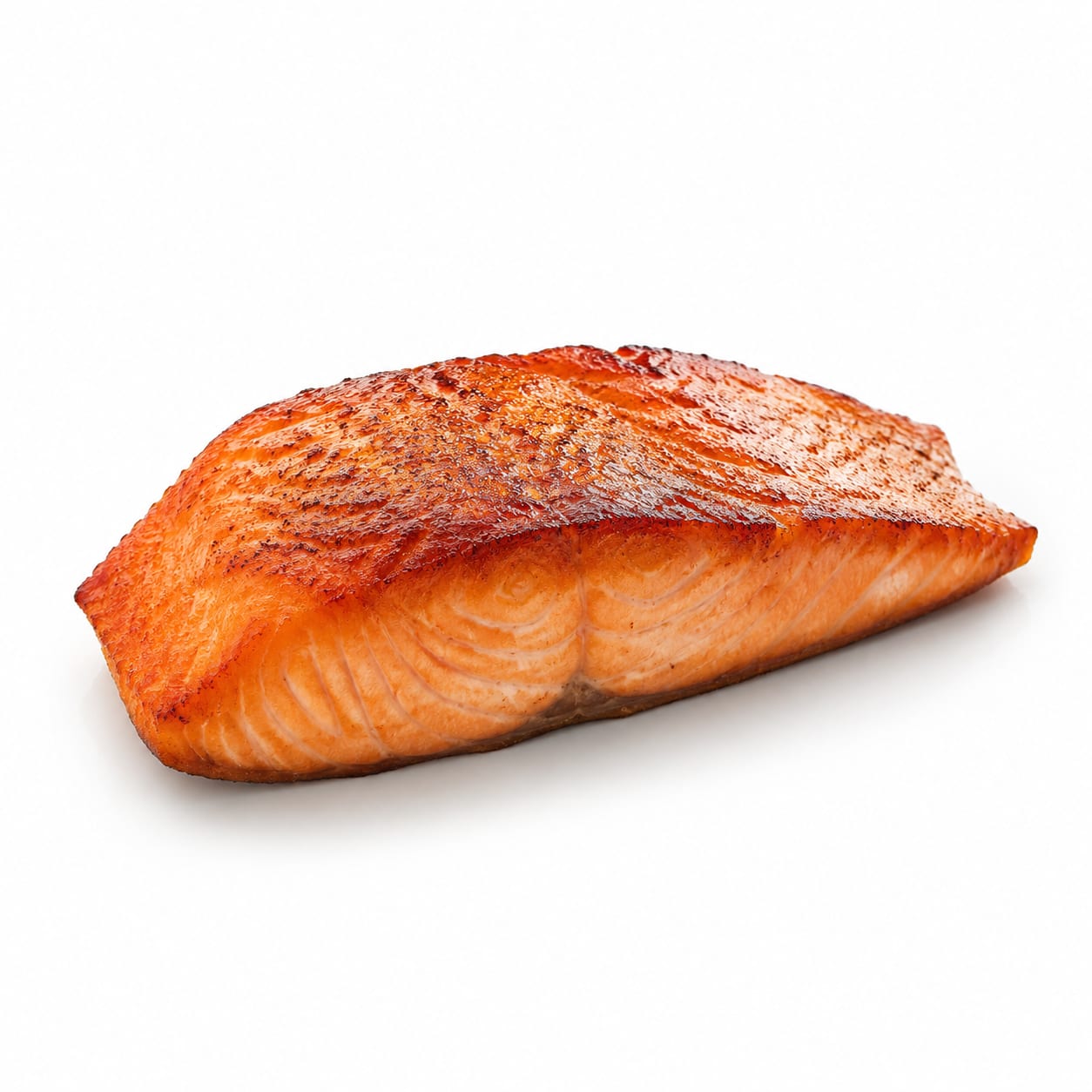
Trout
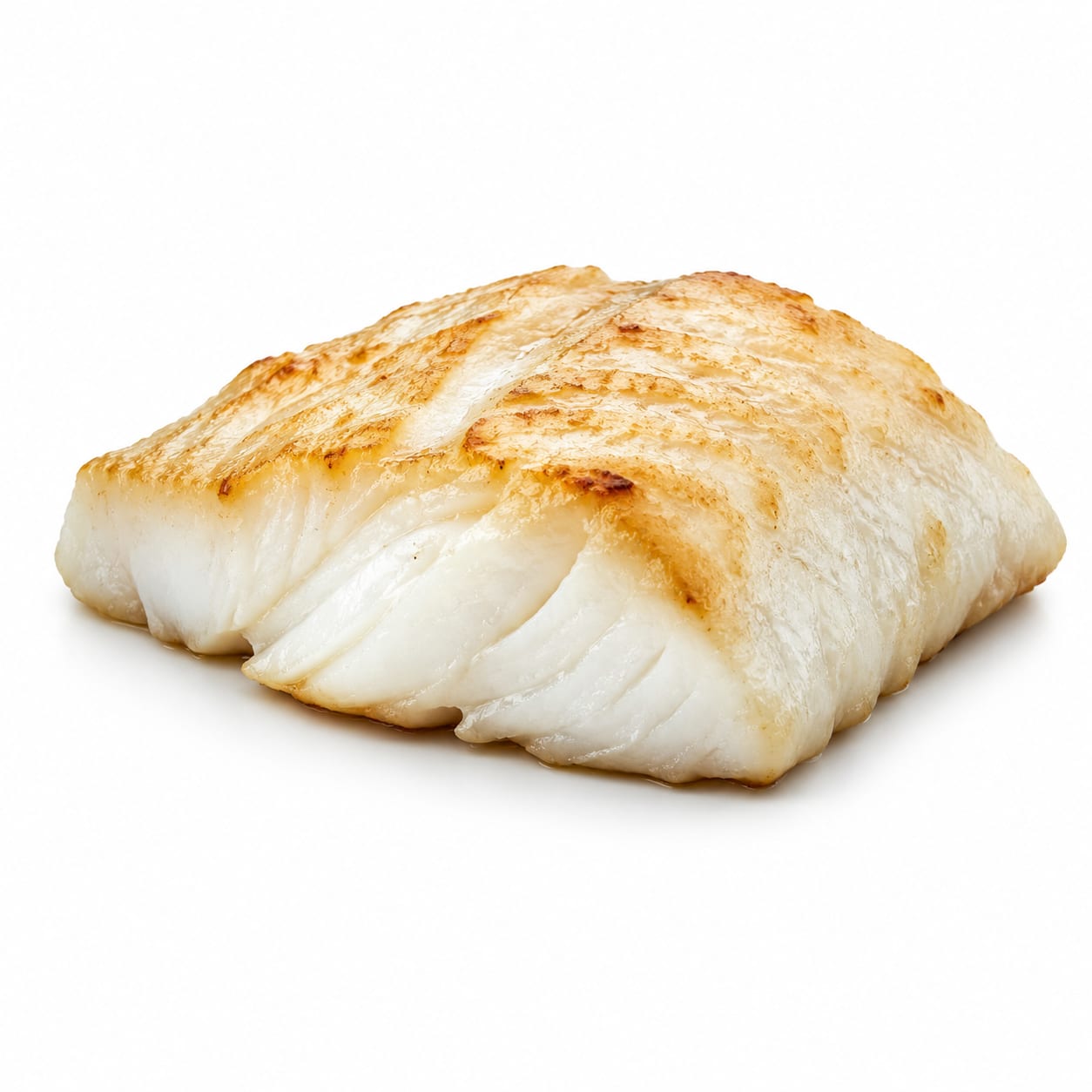
Haddock
Trout delivers dramatically more omega-3s and vitamin D, making it the more nutrient-dense choice. Haddock is leaner and lighter if you prefer a milder fish or are watching calories closely.
Trout scores higher due to its superior omega-3 content, vitamin D levels, and overall nutrient density. Haddock remains a solid lean protein but lacks the healthy fats that make fish uniquely valuable in a diet.
Rich nutrition versus lean simplicity — Trout fills you up with healthy fats and more vitamins, while Haddock gives you clean protein with fewer calories and a more neutral taste.
At a glance
Executive summary
Overall
Trout
Healthier
Trout
More practical
Haddock
Daily use
It depends
Key comparison lenses
omega-3 and heart health comparison
Trout is notably rich in omega-3s while haddock is a lean white fish with minimal fat, making this the starkest nutritional difference between them
calorie and macronutrient tradeoff
Users often choose between fatty and lean fish based on dietary goals like weight loss or muscle gain
mercury and contaminant safety
Seafood comparisons almost always involve safety concerns, especially for frequent fish eaters and vulnerable populations
flavor and culinary versatility
Trout has a richer, distinct flavor while haddock offers a mild blank canvas, affecting meal planning decisions
sustainability and sourcing
Both fish have farming and wild-catch considerations that environmentally conscious consumers weigh
Best choice for
Trout
- Heart health and anti-inflammatory goals
- Getting enough omega-3s without supplements
- Vitamin D deficiency concerns
- Those wanting more satiety from meals
- Keto or higher-fat dietary approaches
Haddock
- Low-calorie and weight loss diets
- Those who dislike fishy flavors
- Lighter meals that won't feel heavy
- Families needing a crowd-pleasing mild fish
- Post-workout lean protein
Least suitable for
Trout
- Very low-fat diet prescriptions
- People who find rich fish unappetizing
- Tight calorie budgets
- Those already taking high-dose omega-3 supplements
Haddock
- Anyone relying on fish as their main omega-3 source
- Vitamin D deficient individuals
- Those needing more satiety from meals
- Anti-inflammatory dietary protocols
Deep comparison
Dimension by dimension
Each lens scores both foods and breaks down who each option suits.
- Dimension 1 · Priority 95Trout
omega-3 and healthy fats
Trout · 92Haddock · 18Trout contains roughly 5-10 times more omega-3 fatty acids than haddock, making it one of the better dietary sources of these essential fats.
Tradeoff
You get heart-protective, brain-supporting fats with Trout, but the higher fat content means more calories per serving.
Why it matters
Omega-3s are hard to get from most foods. If fish is your primary source, choosing a fatty fish like Trout dramatically increases your intake.
Real-world impact
Eating Trout twice a week can meaningfully move the needle on your omega-3 intake. Haddock would barely contribute to that goal.
Trout
- Cardiovascular protection
- Brain health and cognitive function
- Reducing chronic inflammation
- Mood and mental health support
Better for
- Very low-calorie meal plans
Worse for
Haddock
- Strict low-fat dietary requirements
- Calorie restriction without sacrificing protein
Better for
- Meeting omega-3 needs from food alone
Worse for
- Dimension 2 · Priority 82Trout
protein quality and content
Trout · 84Haddock · 80Both are excellent protein sources. Trout edges ahead slightly with more protein per serving and a more complete amino acid profile alongside its fat content.
Tradeoff
The protein difference is modest. Haddock offers nearly as much protein with fewer calories, which may actually suit some goals better.
Why it matters
For most people, both fish easily meet protein needs. The real question is whether you want that protein packaged with fats or kept lean.
Real-world impact
After a workout, Haddock gives you clean protein without feeling heavy. Trout gives you protein plus recovery-supporting omega-3s.
Trout
- Post-exercise recovery with anti-inflammatory benefits
- Meals needing longer-lasting fullness
Better for
- Those wanting maximum protein per calorie
Worse for
Haddock
- Lean bulk eating where calorie efficiency matters
- Lighter meals before or after activity
Better for
- Satiety — lean protein alone may not keep you full as long
Worse for
- Dimension 3 · Priority 80Trout
vitamin and mineral density
Trout · 86Haddock · 62Trout is significantly richer in vitamin D, B12, and selenium. Haddock provides decent B12 and selenium but falls short on fat-soluble vitamins.
Tradeoff
Trout functions almost like a natural multivitamin from the sea. Haddock covers basics but misses the standout nutrients.
Why it matters
Vitamin D deficiency is widespread, and few foods contain meaningful amounts. Trout is one of the best food sources available.
Real-world impact
One serving of Trout can provide most of your daily vitamin D needs. Haddock contributes almost none.
Trout
- Vitamin D intake, especially in winter or low-sun climates
- B12 for energy and nerve health
- Selenium for thyroid and immune function
Better for
- Those already supplementing vitamin D heavily
Worse for
Haddock
- Phosphorus and iodine from a lean source
Better for
- Anyone counting on fish for vitamin D
Worse for
- Dimension 4 · Priority 78Haddock
calorie efficiency and weight management
Trout · 58Haddock · 85Haddock delivers more protein per calorie since it carries almost no fat. Trout's healthy fats add meaningful calories.
Tradeoff
Fewer calories means less satiety. Haddock meals may leave you hungry sooner unless you add healthy fats from other sources.
Why it matters
If you are actively cutting calories, Haddock lets you eat a generous portion without breaking your budget. But you may need to add fats elsewhere.
Real-world impact
A 6oz Haddock fillet has roughly 130-150 calories. The same portion of Trout runs 220-280 calories. That gap matters on a cut.
Trout
- Meals where you want lasting fullness without snacking later
- Higher-calorie dietary needs
Better for
- Aggressive calorie restriction
Worse for
Haddock
- Calorie-counting and weight loss phases
- Eating larger portions for satisfaction without the calorie cost
Better for
- Meals that need to hold you over for hours
Worse for
- Dimension 5 · Priority 80Haddock
mercury and contaminant safety
Trout · 72Haddock · 82Both are considered low-to-moderate mercury fish, safe for regular consumption. Haddock generally tests slightly lower in mercury than Trout.
Tradeoff
The difference is small enough that both are safe for most people eating fish a few times per week. Farmed Trout may carry other contaminant considerations.
Why it matters
For pregnant women and children, even small mercury differences matter. For average adults, both are well within safe limits.
Real-world impact
You can safely eat either fish 2-3 times per week. If you eat fish daily, Haddock's lower mercury profile gives more flexibility.
Trout
- Wild-caught Trout is very clean and nutrient-rich
Better for
- Farmed Trout may have higher contaminant exposure depending on sourcing
Worse for
Haddock
- Pregnancy and breastfeeding safety margins
- Daily fish eaters needing lower-mercury options
- Children's meals
Better for
- No significant safety downside
Worse for
- Dimension 6 · Priority 72It depends
flavor, cooking, and versatility
Trout · 74Haddock · 78Trout has a richer, more distinctive flavor that stands on its own. Haddock's mild taste makes it more versatile for recipes and picky eaters.
Tradeoff
Trout shines with simple preparations. Haddock adapts to almost any cuisine or cooking method without overpowering other ingredients.
Why it matters
The best fish nutritionally is worthless if you will not eat it. Flavor preference often determines which fish people actually cook regularly.
Real-world impact
Trout needs little more than lemon and herbs. Haddock works in fish tacos, chowders, curries, and baked dishes without dominating.
Trout
- Simple pan-seared or grilled preparations
- Those who enjoy distinct fish flavor
- Elegant minimal-ingredient meals
Better for
- Heavily seasoned or complex recipes where flavor competes
- Picky eaters who dislike fishy taste
Worse for
Haddock
- Family dinners with diverse tastes
- Recipe-heavy cooking like stews and casseroles
- Fish tacos, sandwiches, and fried preparations
- Introducing fish to skeptical eaters
Better for
- Stand-alone dishes where the fish needs to carry the meal
Worse for
- Dimension 7 · Priority 65It depends
sustainability and sourcing
Trout · 70Haddock · 68US farmed Rainbow Trout is considered a best choice by seafood watchdogs. Haddock from the Northeast Atlantic is well-managed but some stocks face pressure.
Tradeoff
Both can be sustainable choices when sourced correctly. The key is checking origin rather than assuming either is automatically better.
Why it matters
Overfishing and farming practices vary wildly. A well-sourced Trout or Haddock is far better than a poorly sourced alternative.
Real-world impact
Look for US-farmed Trout or MSC-certified Haddock. These labels make a real difference for ocean health.
Trout
- US farmed Rainbow Trout is highly rated for sustainability
- Shorter supply chains for North American consumers
Better for
- Imported farmed Trout with unknown practices
Worse for
Haddock
- MSC-certified Atlantic Haddock is well-managed
- Wild-caught with robust stock assessments
Better for
- Overfished regional stocks, particularly some European waters
Worse for
Timeline
Health impact over time
Short-term
Hours to days
Trout
- More satisfying meal with longer-lasting fullness from healthy fats
- Steadier energy without blood sugar spikes
- Richer mouthfeel that can feel indulgent and comforting
Haddock
- Lighter post-meal feeling, less likely to feel sluggish
- Clean protein hit without heaviness
- Easier to eat before physical activity without discomfort
Long-term
Months to years
Trout
- Better cardiovascular markers from consistent omega-3 intake
- Improved vitamin D status, especially valuable in northern climates
- Stronger anti-inflammatory protection against chronic disease
Haddock
- Easier calorie management supporting healthy weight maintenance
- Consistent lean protein supporting muscle preservation with age
- Lower cumulative mercury exposure if eaten very frequently
Risk profile
Safety & processing
Both Trout and Haddock are typically sold as whole fish or fillets with minimal processing. Watch out for smoked Trout, which adds sodium, and breaded Haddock products, which add refined carbs and unhealthy fats.
Trout
Mercury exposure
lowTrout is classified as a low-mercury fish. Farmed Trout generally tests lower than wild lake Trout, which can accumulate more mercury from certain waterways.
Farmed fish contaminant exposure
lowMost Trout available commercially is farmed. US regulations are strict, but imported farmed Trout may have variable standards for antibiotics and water quality.
Parasites in wild-caught
mediumWild Trout can carry parasites that are eliminated by proper cooking or freezing. Never eat wild Trout raw unless it has been properly frozen first.
Haddock
Mercury exposure
lowHaddock is consistently rated as a low-mercury fish, making it one of the safer choices for frequent consumption and vulnerable populations.
Overfishing and mislabeling
mediumHaddock is sometimes mislabeled or substituted with less sustainable white fish. Buying certified or from trusted sources reduces this risk.
Fried preparation health risks
mediumHaddock is commonly served fried as fish and chips, which dramatically increases calories, unhealthy fats, and acrylamide exposure. The fish itself is healthy; the preparation often is not.
Who wins for whom
Audience fit
Same foods, different winners depending on your goal.
children
HaddockHaddock's lower mercury levels and milder flavor make it more appropriate for children, who are more sensitive to both contaminants and strong tastes.
daily consumption
HaddockHaddock's lower mercury and calorie profile makes it more suitable for daily eating, though alternating between both fish is the ideal approach.
diabetes
TroutThe healthy fats in Trout slow digestion and stabilize blood sugar response. Both are excellent low-carb choices, but Trout's fat content provides better glycemic balance.
elderly
TroutOlder adults benefit most from Trout's vitamin D for bone health, omega-3s for cognitive function, and B12 for nerve health — all nutrients that become harder to absorb with age.
muscle gain
TroutTrout offers slightly more protein per serving alongside omega-3s that support muscle recovery and reduce exercise-induced inflammation.
weight loss
HaddockHaddock provides filling protein at a lower calorie cost, making it easier to stay within a calorie deficit while still eating satisfying portions.
Your move
Decision guide
Choose Trout
- You want to maximize omega-3 intake from food rather than supplements
- Vitamin D levels are a concern, especially in winter months
- Heart health and inflammation reduction are top priorities
- You enjoy richer, more flavorful fish
- You eat fish 2-3 times per week and want maximum nutritional impact per serving
Choose Haddock
- You are actively managing calorie intake for weight loss
- You prefer mild-tasting fish or cook for picky eaters
- You eat fish nearly daily and want a lower-mercury option
- You need a versatile fish for varied recipes and cuisines
- You want a light meal that will not sit heavy before or after activity
Either works if
- You simply want a healthy protein source and have no specific nutritional gaps
- You are already taking omega-3 supplements and vitamin D
- You rotate proteins throughout the week anyway
- Both are available fresh and reasonably priced near you
Avoid both if
- You have a fish or seafood allergy
- You are on a strict vegan or vegetarian diet
- You cannot verify the source and have high contaminant concerns
- You only have access to heavily processed versions like breaded frozen fillets
Final recommendation
Eat both. Trout gives you the nutritional horsepower — omega-3s, vitamin D, and anti-inflammatory fats — while Haddock gives you a lean, versatile, everyday protein. Aim for Trout once or twice a week for the nutrient density, and use Haddock for lighter meals and recipe flexibility. This rotation also minimizes mercury exposure from any single source. If you must pick one, Trout wins on health impact, but Haddock wins on practicality and frequency.
Practical
Consumer tips
- 1
Buy US-farmed Rainbow Trout for the best sustainability and safety profile
- 2
Choose MSC-certified Haddock when available to support responsible fishing
- 3
Avoid pre-breaded Haddock fillets — the breading adds empty calories and unhealthy oils
- 4
Smoked Trout is delicious but high in sodium; enjoy it occasionally rather than as a staple
- 5
Fresh Trout should have clear eyes, red gills, and a clean smell — avoid any fishy odor
- 6
Haddock fillets should be translucent and firm, not mushy or yellowing
- 7
Freeze extra fresh fish immediately rather than refrigerating for more than a day
- 8
Pair Haddock with olive oil or avocado to add the healthy fats it lacks on its own
- 9
Grill or bake Trout with the skin on to retain omega-3s and prevent the fillet from drying out
- 10
If you eat fish more than four times per week, favor Haddock to keep mercury intake low