
Nutrition comparison
Salmon vs Trout: Which Fish Is Healthier for You?
Compare salmon and trout on omega-3s, vitamin D, mercury, sustainability, and price. Find out which fish is better for your health goals and budget.
Overall winner · Salmon
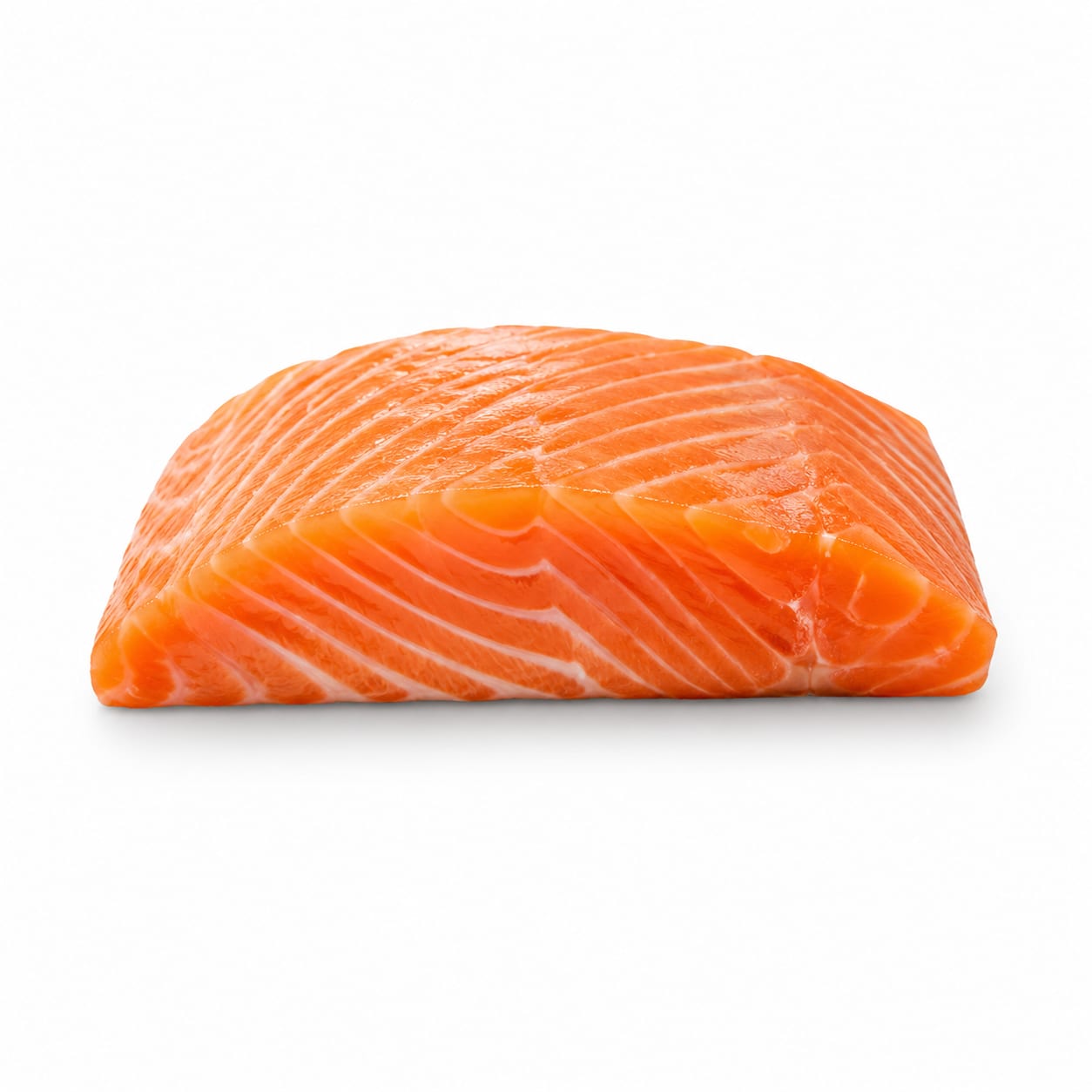
Salmon
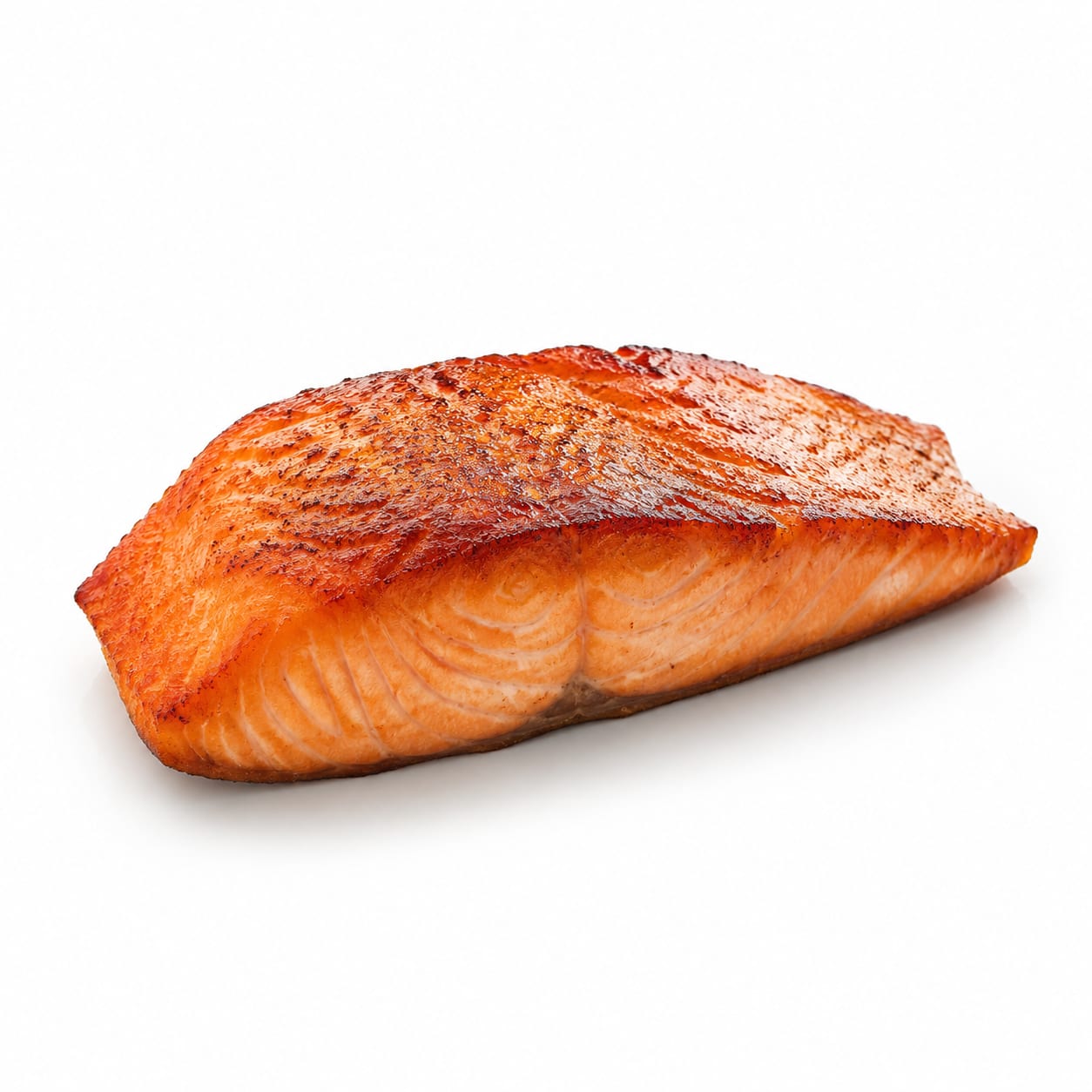
Trout
Salmon wins on pure nutrition, especially omega-3s and vitamin D, but trout is the safer and more sustainable choice for frequent eating.
Salmon scores higher due to its superior omega-3 and vitamin D content, but trout stays competitive thanks to lower contaminant risk, better sustainability, and affordability. The gap is modest because both are genuinely healthy choices.
More omega-3s and vitamin D in salmon versus lower contaminant risk and better sustainability in trout.
At a glance
Executive summary
Overall
Salmon
Healthier
Salmon
More practical
Trout
Daily use
Trout
Key comparison lenses
omega-3 and heart health comparison
Both are fatty fish, but salmon delivers significantly more omega-3s per serving, making this the most consequential difference
contaminant and safety concerns
Farmed salmon carries higher PCB and dioxin risk than farmed trout, a real worry for frequent fish eaters
sustainability and environmental impact
Trout farming is generally more sustainable than salmon farming, which matters for ethically-minded consumers
budget and accessibility
Trout is often cheaper and easier to find locally, making it more practical for regular meals
vitamin D and micronutrient density
Salmon is one of the few foods naturally high in vitamin D, giving it a unique nutritional edge
Best choice for
Salmon
- People prioritizing heart and brain health through omega-3s
- Those needing more vitamin D, especially in winter months
- Anyone eating fish 1-2 times per week for maximum nutritional impact
Trout
- Families eating fish multiple times per week who want lower contaminant exposure
- Budget-conscious cooks wanting an affordable fatty fish
- Sustainability-focused consumers who prefer lower-impact seafood
Least suitable for
Salmon
- People worried about PCB and dioxin exposure from farmed fish
- Those on tight budgets who want fish more often
- Anyone seeking the most environmentally sustainable option
Trout
- People who need maximum omega-3 intake per serving
- Those with vitamin D deficiency looking for food-based sources
- Anyone wanting the richest, most nutrient-dense fish option available
Deep comparison
Dimension by dimension
Each lens scores both foods and breaks down who each option suits.
- Dimension 1 · Priority 95Salmon
omega-3 fatty acids
Salmon · 92Trout · 72Salmon delivers roughly 50-80% more omega-3s per serving than trout, making it the stronger choice for heart and brain health.
Tradeoff
You get more anti-inflammatory omega-3s from salmon, but the higher fat content also means more calories per serving.
Why it matters
Omega-3s reduce inflammation, support brain function, and lower heart disease risk. This is the biggest nutritional gap between the two fish.
Real-world impact
Eating salmon twice a week instead of trout could meaningfully improve your omega-3 blood levels within a couple of months.
Salmon
- Heart disease prevention
- Brain health and cognitive function
- Reducing chronic inflammation
Better for
- Calorie-conscious eaters watching fat intake closely
Worse for
Trout
- Getting some omega-3s with fewer total calories
- People who find salmon too rich or oily
Better for
- Anyone needing therapeutic doses of omega-3s from food alone
Worse for
- Dimension 2 · Priority 75Salmon
vitamin D content
Salmon · 90Trout · 55Salmon is one of the best natural food sources of vitamin D, while trout provides a modest amount.
Tradeoff
If you do not get much sun exposure, salmon can meaningfully help close the vitamin D gap. Trout cannot do the same.
Why it matters
Roughly 40% of adults are vitamin D deficient, and very few foods contain significant amounts naturally.
Real-world impact
A single serving of wild salmon can provide your full daily vitamin D needs. You would need multiple servings of trout to match that.
Salmon
- People living in northern climates with limited sun
- Winter months when vitamin D drops most
- Anyone diagnosed with vitamin D deficiency
Better for
- People who spend lots of time outdoors and already have adequate vitamin D
Worse for
Trout
- Those already supplementing vitamin D who do not need food sources
Better for
- Anyone relying on food alone to maintain vitamin D levels
Worse for
- Dimension 3 · Priority 85Trout
contaminant safety
Salmon · 62Trout · 78Farmed salmon tends to accumulate more PCBs and dioxins than farmed trout, making trout the safer choice for frequent consumption.
Tradeoff
Wild salmon is cleaner but expensive. Farmed salmon is affordable but carries higher contaminant risk than farmed trout.
Why it matters
PCBs and dioxins build up over time and are linked to hormonal disruption and cancer risk with long-term exposure.
Real-world impact
If you eat fish 3-4 times per week, choosing trout over farmed salmon reduces your cumulative contaminant exposure meaningfully over years.
Salmon
- Occasional eaters having fish once a week where contaminant buildup is minimal
Better for
- People eating farmed salmon several times per week for years
Worse for
Trout
- Frequent fish eaters consuming it multiple times weekly
- Parents feeding fish to young children regularly
- Pregnant women concerned about cumulative toxin exposure
Better for
- Those eating wild-caught only, where the safety gap narrows significantly
Worse for
- Dimension 4 · Priority 80Trout
sustainability and environmental impact
Salmon · 55Trout · 80Trout farming generally has a lower environmental footprint than salmon farming, which requires more resources and produces more waste.
Tradeoff
Choosing trout supports more sustainable aquaculture, but you sacrifice some omega-3 density per serving.
Why it matters
Salmon farming uses more wild fish for feed than it produces, while trout farming is more efficient with better feed conversion ratios.
Real-world impact
If sustainability matters to your purchasing decisions, trout is the easier choice to feel good about eating regularly.
Salmon
- Wild-caught Alaskan salmon, which is well-managed and sustainable
Better for
- Anyone avoiding farmed salmon due to environmental concerns
Worse for
Trout
- Environmentally conscious consumers wanting low-impact protein
- People who eat fish often and want a smaller footprint
- Those who cannot afford wild salmon but want a sustainable farmed option
Better for
- Those with access to sustainable wild salmon who do not need farmed alternatives
Worse for
- Dimension 5 · Priority 70Trout
affordability and accessibility
Salmon · 50Trout · 82Trout is typically 30-50% cheaper than salmon and more commonly available from local freshwater sources.
Tradeoff
You save money with trout but get less omega-3 and vitamin D per dollar spent on fish.
Why it matters
Cost is the biggest barrier to eating fish regularly. A more affordable option means you can eat it more often.
Real-world impact
A family switching from salmon to trout could save hundreds of dollars per year while still getting solid nutritional benefits.
Salmon
- Those who can afford wild salmon and prioritize nutrient density over cost
Better for
- Budget-limited households who cannot justify the premium price
Worse for
Trout
- Families on a budget wanting fish on the table weekly
- People in inland areas with access to local trout farms
- Anyone wanting to eat fish more often without breaking the bank
Better for
- Those who can easily afford salmon and want maximum nutrition per meal
Worse for
- Dimension 6 · Priority 60It depends
taste and culinary versatility
Salmon · 80Trout · 78Salmon is richer and more assertive in flavor, while trout is milder and more delicate. Both are versatile but suit different dishes.
Tradeoff
Salmon stands up better to bold seasonings and high-heat cooking. Trout shines with gentle preparation and subtle flavors.
Why it matters
Enjoyment drives consistency. The fish you actually want to eat is the one you will keep eating.
Real-world impact
If you find salmon too fishy, trout is a more approachable entry point. If you love rich, buttery fish, salmon delivers more satisfaction.
Salmon
- Grilling and high-heat cooking
- Sushi and raw preparations
- Heartier dishes with bold sauces
Better for
- Those who find strong fish flavors off-putting
Worse for
Trout
- Pan-frying with light herbs
- People who prefer milder fish flavors
- Elegant but simple weeknight dinners
Better for
- Dishes where you want the fish to carry more richness and body
Worse for
Timeline
Health impact over time
Short-term
Hours to days
Salmon
- High protein and fat content provides lasting fullness for 4-5 hours
- Omega-3s may reduce post-meal inflammation markers
- Rich flavor feels more satisfying and meal-like than leaner fish
Trout
- Good satiety from protein and moderate fat, slightly lighter feeling after eating
- Easier to digest for people sensitive to very rich or fatty meals
- Milder flavor is less likely to cause taste fatigue with frequent eating
Long-term
Months to years
Salmon
- Consistent omega-3 intake supports heart health and may lower blood pressure over time
- Vitamin D contributes to bone density and immune resilience
- Higher contaminant exposure from farmed salmon could offset some benefits if eaten very frequently
Trout
- Regular consumption provides solid omega-3 intake with lower cumulative toxin exposure
- More sustainable choice supports long-term food system health
- Slightly lower omega-3 levels mean you may need other sources to reach optimal intake
Risk profile
Safety & processing
Both fish are naturally whole foods, but farmed salmon may contain color additives (astaxanthin analogs) in feed and has higher exposure to feed-derived contaminants. Farmed trout generally has fewer such concerns.
Salmon
PCB and dioxin accumulation in farmed salmon
mediumFarmed salmon can contain 5-10 times more PCBs than wild salmon. Choosing wild-caught significantly reduces this risk, but at a much higher price.
antibiotic residue in farmed salmon
lowAntibiotic use varies by country of origin. Norwegian and Scottish farms have stricter controls than some South American operations.
mercury exposure
lowSalmon is a low-mercury fish compared to tuna or swordfish, making it safe for regular consumption within moderate portions.
Trout
mercury exposure
lowTrout is among the lowest-mercury fish available, especially farmed rainbow trout, making it very safe even for frequent consumption.
freshwater contaminant exposure in wild trout
mediumWild-caught trout from certain lakes may contain elevated PCBs or mercury depending on local water quality. Check local advisories.
antibiotic use in farmed trout
lowTrout farming generally uses fewer antibiotics than salmon farming, but practices vary by region and certification.
Who wins for whom
Audience fit
Same foods, different winners depending on your goal.
children
TroutLower mercury and contaminant levels in trout make it the safer choice for developing bodies, and its milder flavor is often more kid-friendly.
daily consumption
TroutLower contaminant risk and better sustainability make trout safer and more responsible for near-daily eating patterns.
diabetes
SalmonHigher omega-3 content in salmon helps improve insulin sensitivity and reduce inflammation, both important for blood sugar management.
elderly
SalmonThe higher omega-3 and vitamin D content in salmon supports brain health, bone density, and heart function, all critical concerns with aging.
muscle gain
SalmonSalmon provides more protein and calories per serving along with anti-inflammatory omega-3s that support recovery from intense training.
weight loss
TroutTrout has slightly fewer calories and less fat per serving while still providing strong protein, making it easier to fit into a calorie-controlled plan.
Your move
Decision guide
Choose Salmon
- You want maximum omega-3 and vitamin D per serving and eat fish only 1-2 times per week
- You can afford wild-caught salmon and want the cleanest, most nutrient-dense option
- Heart health or brain function is your top nutritional priority
- You love rich, buttery fish and find it more satisfying
Choose Trout
- You eat fish 3 or more times per week and want to minimize cumulative contaminant exposure
- Budget matters and you want the best nutritional value per dollar
- Sustainability and environmental impact influence your food choices
- You prefer milder fish that does not overpower other ingredients
- You are feeding children regularly and want the safest option
Either works if
- You simply want a healthy protein source and both are available fresh
- You rotate between multiple protein types throughout the week
- You are already taking omega-3 supplements and getting vitamin D elsewhere
Avoid both if
- You have a fish allergy or severe seafood sensitivity
- You are following a strict plant-based diet
- You live in an area where neither fish is available fresh and only poor-quality frozen options exist
Final recommendation
Eat salmon when you want the most nutritional punch per meal, especially wild-caught. Eat trout when you want a safer, more sustainable, and more affordable fish you can enjoy more often. The best approach for most people is rotating both: salmon once a week for omega-3 density, trout once or twice for variety and lower risk.
Practical
Consumer tips
- 1
Choose wild-caught salmon when possible to avoid PCB and dioxin concerns from farming
- 2
Look for trout labeled as US farmed or certified sustainable, as it tends to have better oversight
- 3
If buying farmed salmon, check the country of origin: Norway and Scotland generally have stricter standards
- 4
Canned salmon with bones is an excellent and affordable way to get calcium along with omega-3s
- 5
Whole trout is often cheaper than fillets and easy to roast with simple herbs
- 6
Freeze fresh fish immediately if not cooking within a day to preserve omega-3 content
- 7
Avoid fish with a strong fishy smell at the counter, both salmon and trout should smell clean and mild