
Nutrition comparison
Trout vs Chicken Breast: Which is Healthier for You?
Compare Trout vs Chicken Breast to see which protein wins for omega-3s, weight loss, and muscle gain. Discover the nutritional tradeoffs and find out which is best for your diet.
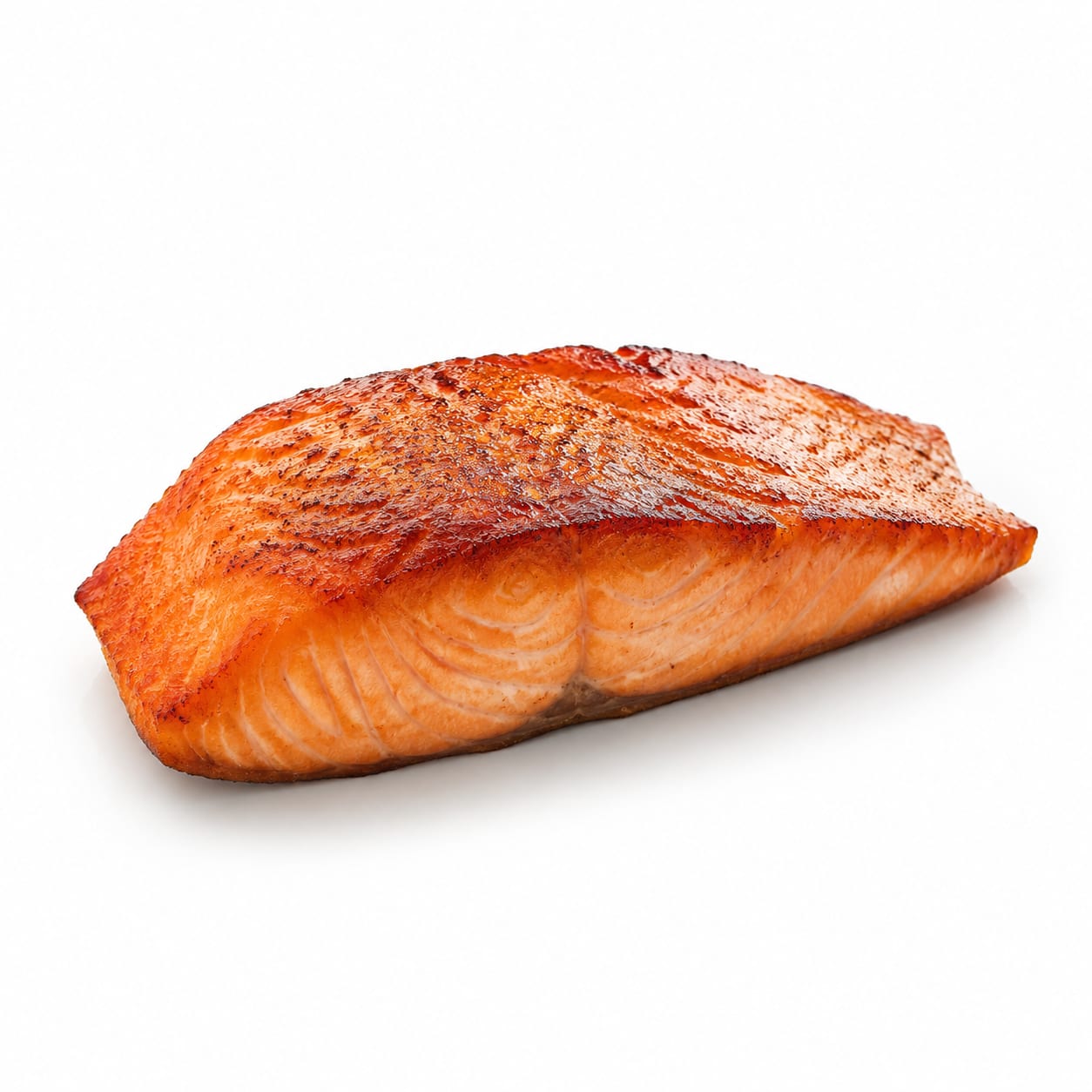
Trout
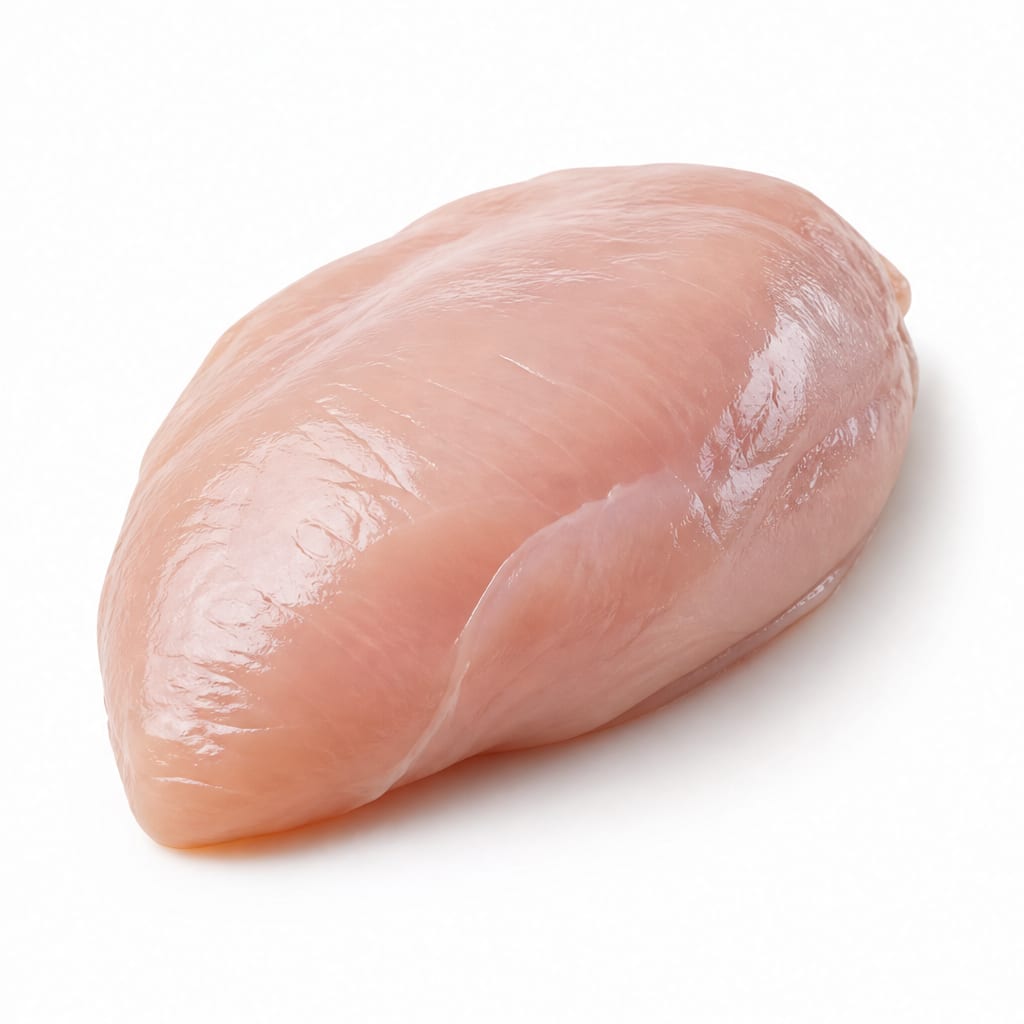
Chicken Breast
Trout brings essential omega-3s for your brain and heart, while Chicken Breast delivers maximum lean protein with minimal calories.
Chicken Breast scores slightly higher overall due to its unmatched protein-to-calorie ratio and everyday practicality, but Trout remains a top-tier protein for specific health goals like omega-3 intake.
Nutritional depth and healthy fats in Trout versus pure calorie efficiency and culinary versatility in Chicken Breast.
At a glance
Executive summary
Overall
It depends
Healthier
It depends
More practical
Chicken Breast
Daily use
Chicken Breast
Key comparison lenses
Omega-3 vs Lean Protein Prioritization
Trout is prized for its omega-3 fatty acids, while Chicken Breast is the gold standard for lean protein with minimal fat.
Heart and Brain Health Support
The healthy fats in Trout directly support cardiovascular and cognitive function, whereas Chicken Breast lacks these specific fats.
Calorie Efficiency for Weight Loss
Chicken Breast offers more protein per calorie, making it a staple for strict calorie counters, while Trout carries more calories from fat.
Contaminant and Safety Profile
Fish carries risks of heavy metals and microplastics, while conventional chicken carries risks of antibiotic resistance and bacterial contamination.
Best choice for
Trout
- People wanting to boost omega-3 intake without supplements
- Those focusing on heart and brain health
- Anyone eating a Mediterranean-style diet
- People who enjoy rich, savory flavors
Chicken Breast
- Strict calorie counters and macro trackers
- Bodybuilders and athletes needing high protein with low fat
- Meal preppers needing a neutral protein base
- People on a tight grocery budget
Least suitable for
Trout
- Those with fish allergies or aversions
- People who dislike preparing or deboning fish
- Anyone strictly limiting dietary fat intake
- Those concerned about aquatic contaminants
Chicken Breast
- Vegans and vegetarians
- People bored of bland proteins without heavy seasoning
- Those seeking anti-inflammatory omega-3 fats from their protein
- Anyone wanting a juicier, more forgiving protein to cook
Deep comparison
Dimension by dimension
Each lens scores both foods and breaks down who each option suits.
- Dimension 1 · Priority 95Trout
Heart & Brain Health
Trout · 95Chicken Breast · 40Trout is loaded with EPA and DHA omega-3 fatty acids, which are critical for reducing inflammation and supporting brain function.
Tradeoff
You get essential fats for long-term health with Trout, but they add calories that Chicken Breast avoids entirely.
Why it matters
Most people do not get enough omega-3s, making Trout a functional food that actively improves health markers beyond basic nutrition.
Real-world impact
Eating Trout a couple of times a week can improve mental clarity and support long-term heart health better than lean land meats.
Trout
- Reducing systemic inflammation
- Supporting cognitive function and mood
- Lowering triglycerides
Better for
- Meeting extremely low-fat diet requirements
Worse for
Chicken Breast
- Keeping meals extremely light
- Avoiding dietary fat entirely
Better for
- Providing essential omega-3 fatty acids
- Reducing inflammation through dietary fat
Worse for
- Dimension 2 · Priority 90Chicken Breast
Protein Density & Calorie Efficiency
Trout · 75Chicken Breast · 98Chicken Breast provides more protein per calorie than almost any other whole food, making it the ultimate lean muscle builder.
Tradeoff
Chicken Breast gives you pure protein efficiency, but you miss out on the beneficial fats and micronutrients found in Trout.
Why it matters
When you are tracking calories or trying to hit high protein targets, the sheer efficiency of Chicken Breast makes it unmatched.
Real-world impact
A Chicken Breast meal leaves you full with very few calories consumed, making it far easier to stay in a calorie deficit.
Trout
- Meals where satisfying fat content prevents later snacking
Better for
- Strict calorie counting due to higher fat content
Worse for
Chicken Breast
- Hitting high protein macros on a calorie cut
- Body recomposition phases
- Post-workout recovery without excess calories
Better for
- Providing a balanced macronutrient profile naturally
Worse for
- Dimension 3 · Priority 80It depends
Satiety & Fullness
Trout · 88Chicken Breast · 85Trout keeps you full longer thanks to its fat content slowing digestion, while Chicken Breast provides high-volume protein satiety.
Tradeoff
Fat-based satiety from Trout lasts hours, but protein-volume satiety from Chicken Breast is better for those restricting calories.
Why it matters
Staying full is the key to sticking with any eating plan, and these two foods achieve it through different mechanisms.
Real-world impact
Trout at dinner might prevent late-night snacking, while a large Chicken Breast at lunch provides heavy fullness without the afternoon slump.
Trout
- Avoiding late-night hunger after dinner
- Sustained energy without crashes
Better for
- Portion control for heavy eaters
Worse for
Chicken Breast
- Eating a large volume of food for fewer calories
- Feeling physically stuffed on a diet
Better for
- Returning hunger sooner if dietary fat is too low
Worse for
- Dimension 4 · Priority 75Chicken Breast
Culinary Versatility & Convenience
Trout · 60Chicken Breast · 92Chicken Breast takes on almost any flavor profile, while Trout has a distinct taste that limits its pairing options.
Tradeoff
You can eat Chicken Breast every day without getting flavor fatigue, but Trout is best enjoyed a few times a week to avoid palate burnout.
Why it matters
A healthy protein only works if you actually want to cook and eat it consistently.
Real-world impact
Chicken Breast can go into tacos, stir-fries, or salads seamlessly; Trout really wants to be the star of the plate with complementary sides.
Trout
- Quick-cooking weeknight dinners when baked or pan-seared
- Impressing guests with a rich, flavorful main course
Better for
- Reheating as leftovers without texture degradation
- Fitting into heavily spiced or sauced dishes
Worse for
Chicken Breast
- Batch cooking and meal prepping for the week
- Adapting to global cuisines and spice blends
- Using leftovers in various recipes
Better for
- Standing alone as a flavorful dish without heavy seasoning
Worse for
Timeline
Health impact over time
Short-term
Hours to days
Trout
- Provides steady, sustained energy without blood sugar spikes
- High fat content promotes immediate satiety
Chicken Breast
- Delivers rapid amino acids for muscle repair after workouts
- Leaves you feeling light and energized rather than heavy
Long-term
Months to years
Trout
- Omega-3s actively reduce the risk of heart disease and stroke
- Anti-inflammatory fats support joint and brain health as you age
Chicken Breast
- Consistent lean protein intake preserves muscle mass and metabolic rate
- Very low saturated fat intake supports healthy cholesterol levels
Risk profile
Safety & processing
Both Trout and Chicken Breast are whole, minimally processed proteins when purchased raw. The main concern lies in what the animals were fed or treated with, not in human-added processing.
Trout
PCBs and Dioxins
mediumFarmed trout can accumulate industrial pollutants from feed, though levels are usually well below safety limits.
Microplastics
mediumLike all aquatic life, trout are increasingly exposed to microplastics in water systems.
Mercury
lowTrout generally has lower mercury levels than large predatory fish, making it a safer frequent choice.
Chicken Breast
Salmonella and Campylobacter
highRaw chicken is a major carrier of harmful bacteria, requiring strict kitchen hygiene and thorough cooking.
Antibiotic Residues
mediumConventional chicken farming often uses antibiotics, which can contribute to antibiotic resistance, though regulations have tightened.
Who wins for whom
Audience fit
Same foods, different winners depending on your goal.
children
Chicken BreastChicken Breast is safer for daily consumption, has a milder flavor kids accept, and avoids the aquatic contaminant concerns of fish.
daily consumption
Chicken BreastChicken Breast is cheaper, more versatile, and lacks the contaminant accumulation risks associated with eating fish every single day.
diabetes
TroutBoth have zero carbs, but the omega-3 fats in Trout specifically help reduce the inflammation commonly associated with diabetes.
elderly
TroutThe omega-3s in Trout are highly protective against cognitive decline and joint stiffness, which are common concerns with aging.
muscle gain
Chicken BreastThe pure protein density and leanness of Chicken Breast makes hitting high macro targets far easier without excess calories.
weight loss
Chicken BreastChicken Breast offers the highest protein volume for the fewest calories, making it easier to maintain a calorie deficit.
Your move
Decision guide
Choose Trout
- You want to boost your omega-3 intake naturally without fish oil pills
- You follow a Mediterranean or anti-inflammatory diet
- You are cooking a nice dinner and want a rich, flavorful protein
- You want to support heart and brain health proactively
Choose Chicken Breast
- You are counting calories or tracking macros strictly
- You need a versatile, budget-friendly protein for meal prep
- You are building muscle and need high protein with low fat
- You want a neutral base for stir-fries, salads, or tacos
Either works if
- You just need a high-quality, zero-carb protein source
- You are tired of beef or pork and want a leaner option
- You want to rotate proteins to keep your diet interesting
Avoid both if
- You are vegan or vegetarian
- You have severe kidney issues requiring strict protein restriction
Final recommendation
Eat both strategically. Use Chicken Breast as your daily workhorse for lean protein and meal prep, and rotate Trout in two to three times a week for its powerful omega-3 benefits. This gives you the best of both worlds: calorie efficiency and deep nutritional nourishment.
Practical
Consumer tips
- 1
Choose wild-caught Trout when possible to avoid contaminants common in fish farming, though farmed is still highly nutritious.
- 2
Buy organic or antibiotic-free Chicken Breast to reduce your exposure to resistant bacteria and unwanted residues.
- 3
Do not overcook Chicken Breast; a meat thermometer is your best friend to keep it juicy rather than dry.
- 4
Pair Trout with a squeeze of lemon and herbs rather than heavy creamy sauces to keep the health profile intact.
- 5
Freeze extra Chicken Breast immediately if you buy in bulk to maintain texture and safety.