
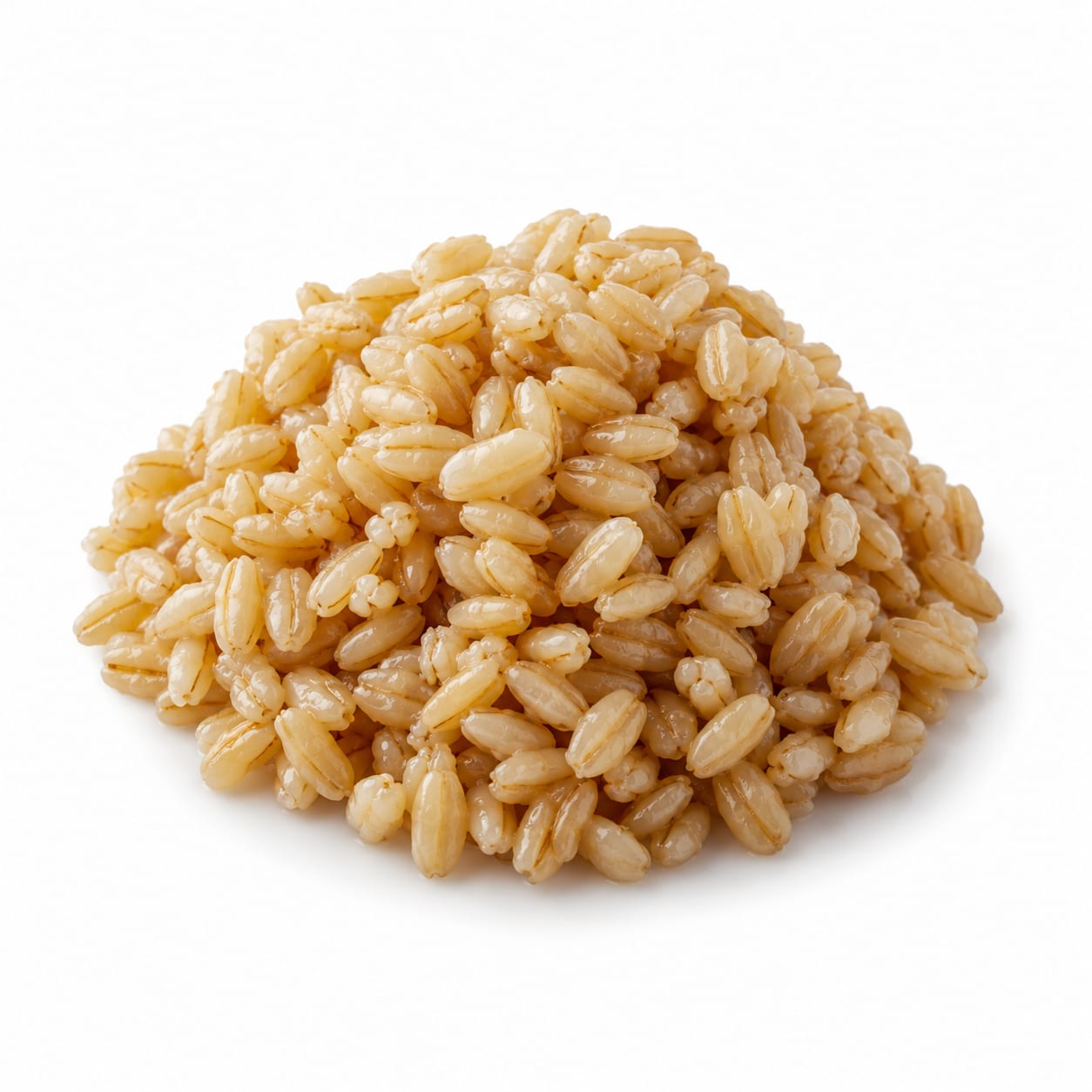
Whole Grain
Triticale
A nutrient-dense hybrid grain combining the yield of wheat and the resilience of rye.
Triticale is a hybrid grain created by crossing wheat and rye, designed to combine the high yield and baking quality of wheat with the disease resistance and environmental hardiness of rye.
high-protein high-fiber whole grain
Typical serving · 100g
Common varieties · whole triticale berries, triticale flour, triticale flakes, sprouted triticale
Overall context score across nutrition, safety, and diet fit
At a glance
Quick facts
Simple indicators based on nutrition, processing, and diet fit.
The story
What makes it unique
Triticale offers a robust macronutrient profile featuring higher protein and lysine content than traditional wheat, alongside the dietary fiber characteristic of rye. It digests at a moderate rate due to its dense fibrous bran, promoting sustained satiety and steady glucose release.
Varieties: whole triticale berries · triticale flour · triticale flakes · sprouted triticale
Per 100g
Nutrition breakdown
Macro balance and key metrics at a glance.
Energy
Density 3.36 kcal/g
Protein
Carbs
Fat
Fiber
Sugar
0.8 g
Sodium
5 mg
Potassium
340 mg
Glycemic index
50
Glycemic load
29
Water content
11%
Standout compounds
Nutrient highlights
Protein
highSupports muscle repair and provides a more complete amino acid profile than most grains.
Dietary Fiber
highPromotes digestive regularity and feeds beneficial gut bacteria.
Lysine
moderateAn essential amino acid often lacking in grains, crucial for collagen formation and immune function.
Iron
moderateEssential for oxygen transport in the blood and energy production.
Manganese
highPlays a role in metabolism, bone formation, and antioxidant defense.
Wellness map
Health scores & processing
NOVA processing scale
minimally processed · Whole food
Whole triticale berries are unprocessed raw grains; triticale flour undergoes mechanical milling which strips some bran and germ.
Diet compatibility
- Weight loss
- Muscle gain
- Diabetes
- Gut health
- Low carb
- High protein
- Heart health
Relative standing
Food rankings
Qualitative ranks compared to similar whole foods.
- Satietyexcellent
- Blood sugargood
- Nutrient densityexcellent
- Fitness fuelgood
- Processing qualityexcellent
Eat with confidence
Food safety profile
Triticale is generally safe with low contamination risk. Like rye, it can be susceptible to ergot fungus if improperly stored, but commercial supply chains strictly monitor for this.
Evidence confidence 85%
- Pesticideslow
- Antibioticslow
- Heavy metalslow
- Contaminationlow
Watch for
- ergot
- mycotoxins
Safer choices
Organic triticale reduces any potential synthetic pesticide exposure.
Prep tips
Rinse whole berries thoroughly under cold water before cooking to remove dust and debris.
Minimal regulatory concerns; subject to standard grain storage and safety testing.
Deep dive
Health analysis
How this food may fit different goals and preparation choices.
Weight loss
High fiber and protein content increase satiety, reducing overall calorie intake, though portion control is needed due to caloric density.
Blood sugar
Whole triticale berries have a moderate glycemic index; the high fiber slows glucose absorption, but triticale flour products digest faster and spike blood sugar more rapidly.
Fitness & energy
Provides complex carbohydrates for sustained glycogen replenishment and notable protein for muscle repair post-workout.
Gut health
14.6g of fiber per 100g supports healthy bowel movements and feeds beneficial gut bacteria, producing short-chain fatty acids.
Processing quality
Whole berries are minimally processed; flour is refined, reducing fiber and micronutrient availability.
Food safety
Very safe for consumption; primary risk is agricultural mold like ergot, which is heavily regulated in commercial grain processing.
Common mistakes
Assuming triticale flour behaves exactly like wheat flour in baking; it produces denser, less elastic dough due to weaker gluten.
Best preparation
Boil whole berries as a rice alternative, or mix triticale flour with wheat flour for a nutrient-dense baking blend.
Practical guide
Best use cases
When and how this food fits real eating patterns.
High-protein grain bowl base
Use boiled triticale berries as a base for savory bowls to add texture, plant protein, and sustained energy.
Nutrient-dense baking blend
Mix triticale flour with wheat flour to boost the protein, lysine, and fiber content of homemade breads and pastries.
Post-workout carb replenishment
Consume whole berries after intense exercise to restock glycogen stores while providing amino acids for muscle recovery.
Balance sheet
Pros & cons
Upsides
- Higher protein and lysine than traditional wheat
- Excellent source of dietary fiber for gut health
- Hardy crop requiring fewer pesticides and fertilizers
- Versatile whole berry or flour format
- Moderate glycemic index when consumed as whole berries
Trade-offs
- Contains gluten, unsuitable for celiacs
- Weaker gluten structure yields dense baked goods
- Whole berries require long cooking times
- Less commercially available than wheat or oats
- Flour form has a higher glycemic index than whole berries
Fit check
Who is it for?
Great match
- high-fiber diets
- plant-based protein intake
- post-workout recovery meals
- savory grain bowls
Consider alternatives
- strict ketogenic diets
- celiac disease or gluten intolerance
- low-fiber low-residue diets
Side by side
How it compares
Open the full head-to-head analysis for nutrition, safety, and practical tradeoffs.
This food
Triticale
VS95% alike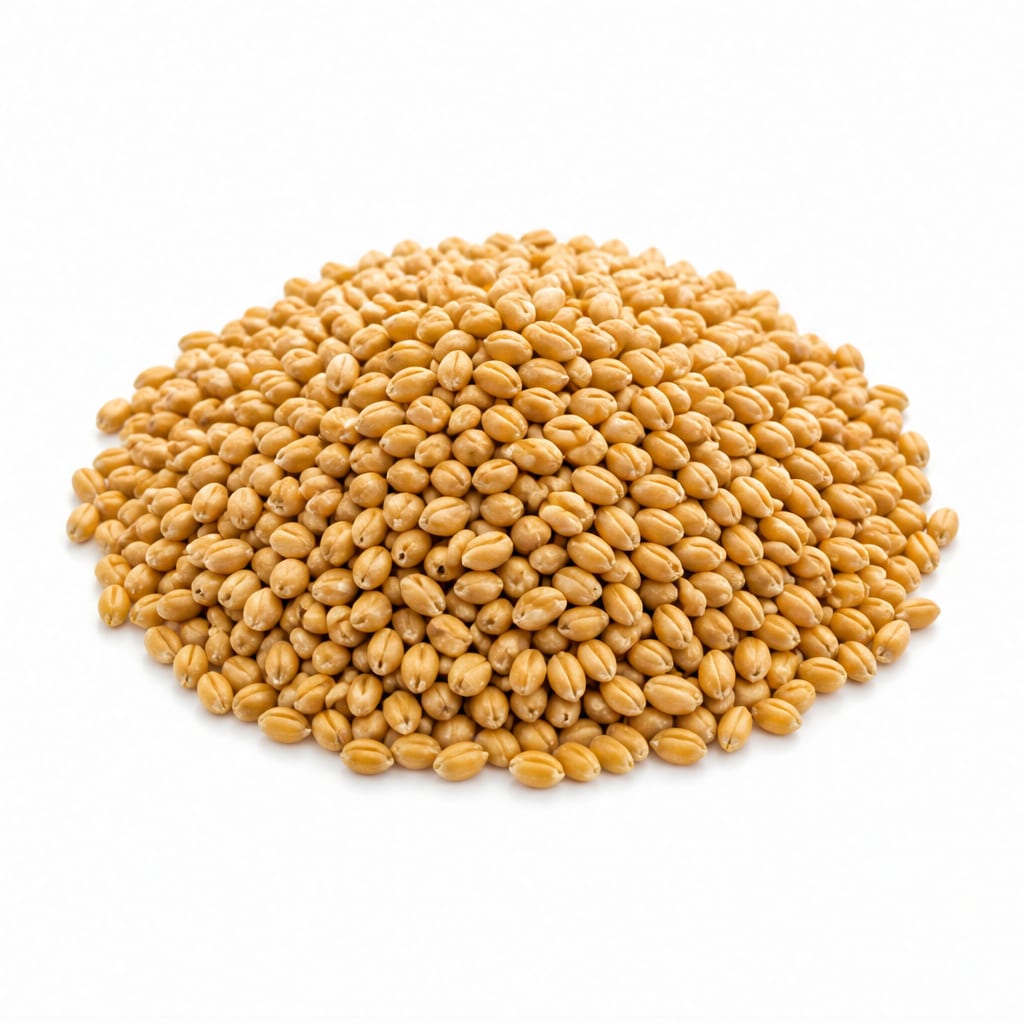
Compare with
Wheat Berries
Triticale is nutritionally superior in protein and lysine, but wheat offers better baking elasticity.
Triticale provides more protein and fiber than wheat berries, making it better for satiety, though wheat is superior for baking light breads.
This food
Triticale
VS90% alike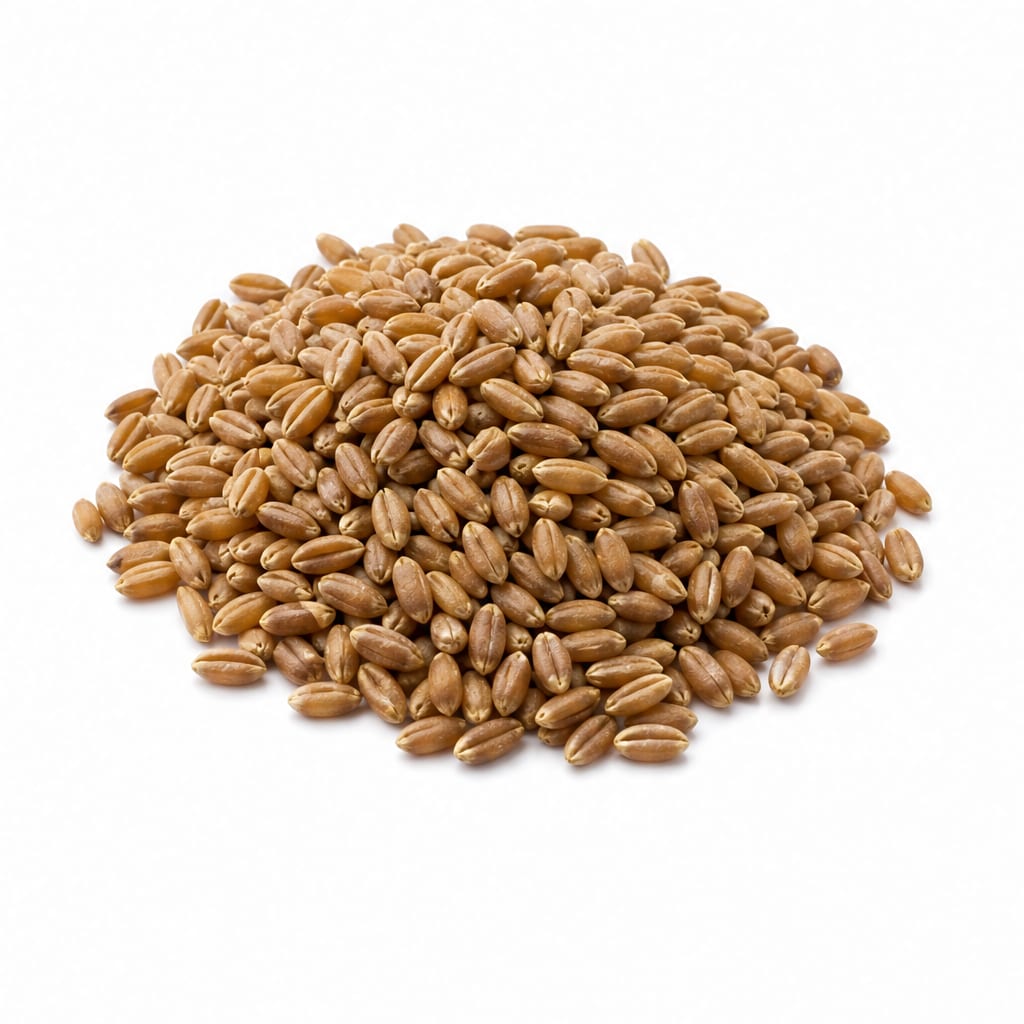
Compare with
Rye Berries
Triticale has higher protein and yields better than rye, while rye has a distinct earthy flavor and slightly lower glycemic index.
Triticale beats rye in protein content and satiety, but rye has a slightly lower impact on blood sugar.
This food
Triticale
VS75% alike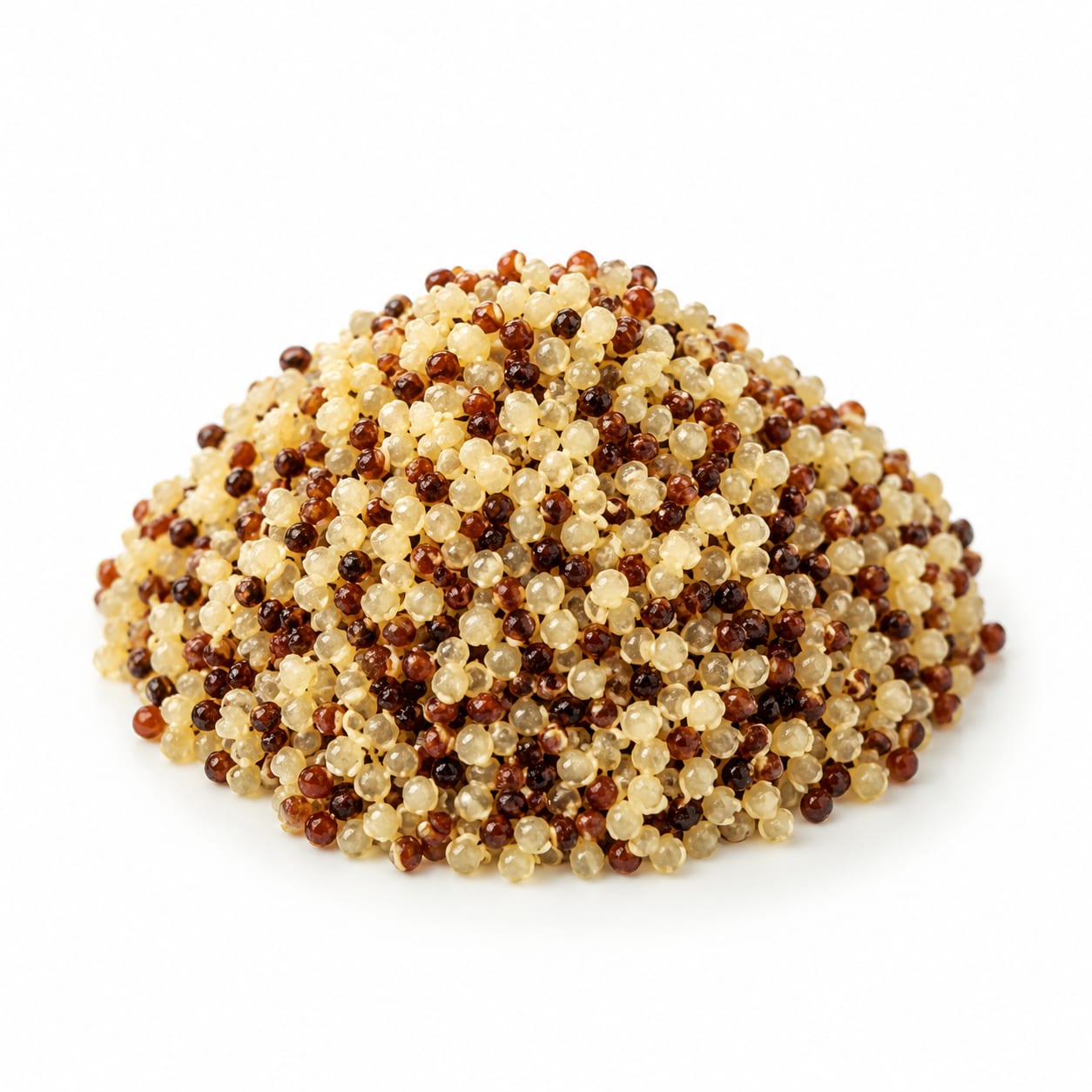
Compare with
Quinoa
Quinoa is a complete protein and gluten-free, while triticale offers more overall protein per serving but contains gluten.
Quinoa is gluten-free and a complete protein, whereas triticale has more total protein and fiber but contains gluten.
This food
Triticale
VS80% alike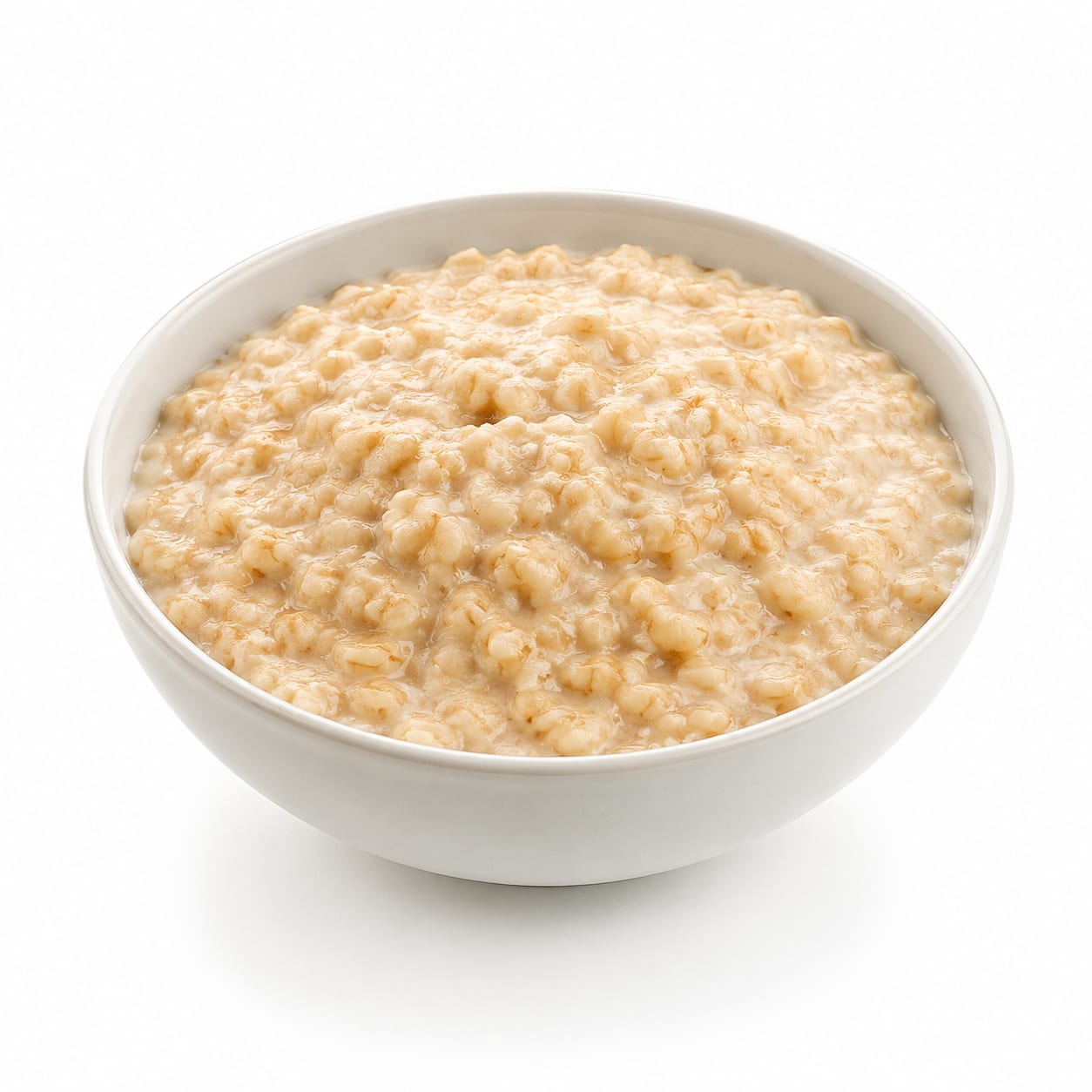
Compare with
Oats
Oats are higher in beta-glucan for heart health, while triticale provides more protein and a denser texture.
Oats are better for heart health with beta-glucan, while triticale offers more protein for muscle support.
This food
Triticale
VS85% alike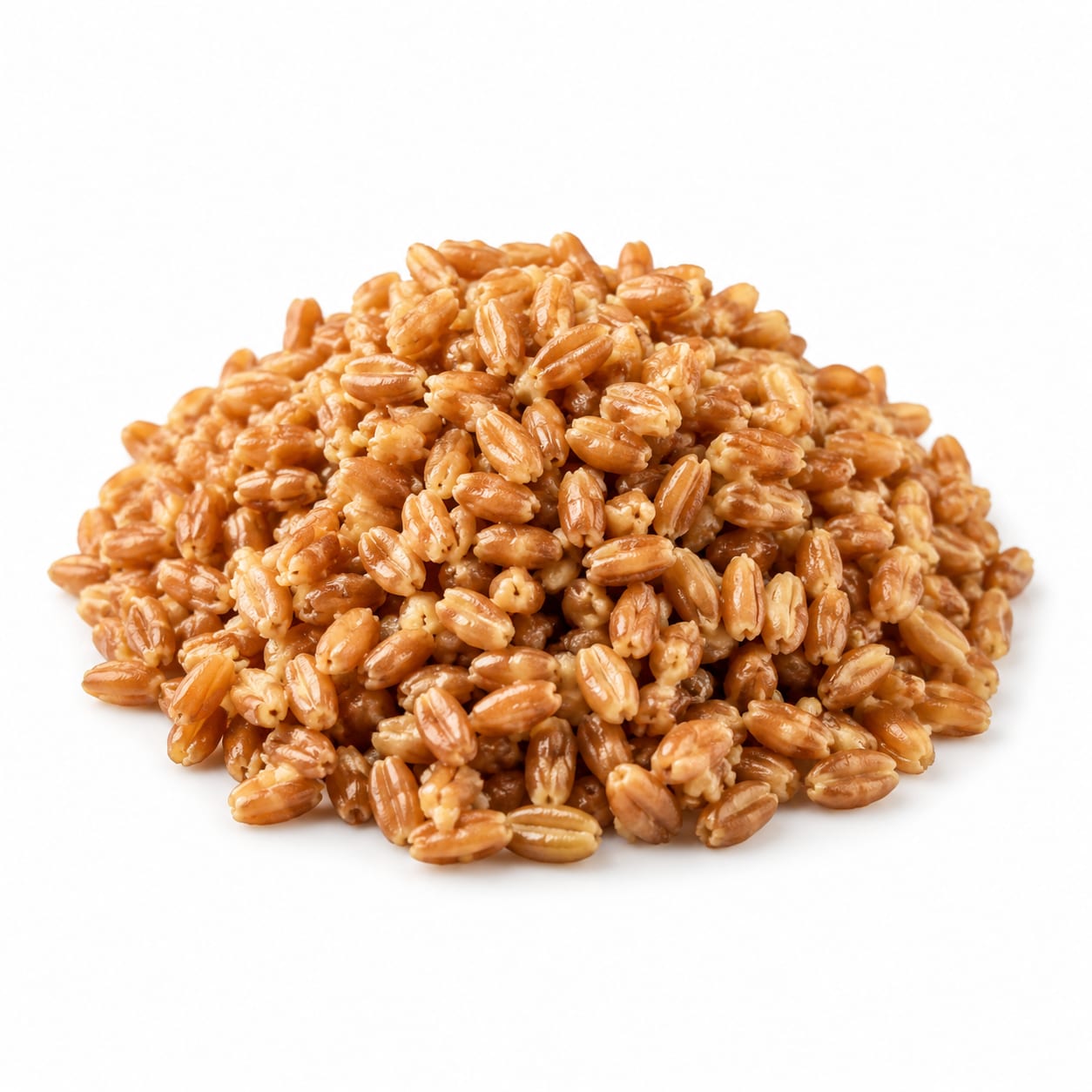
Compare with
Spelt
Triticale has a better amino acid profile, while spelt is more widely available and easier to bake with.
Triticale edges out spelt in protein quality and fiber, though spelt is more accessible and bakes similarly to wheat.
This food
Triticale
VS75% alike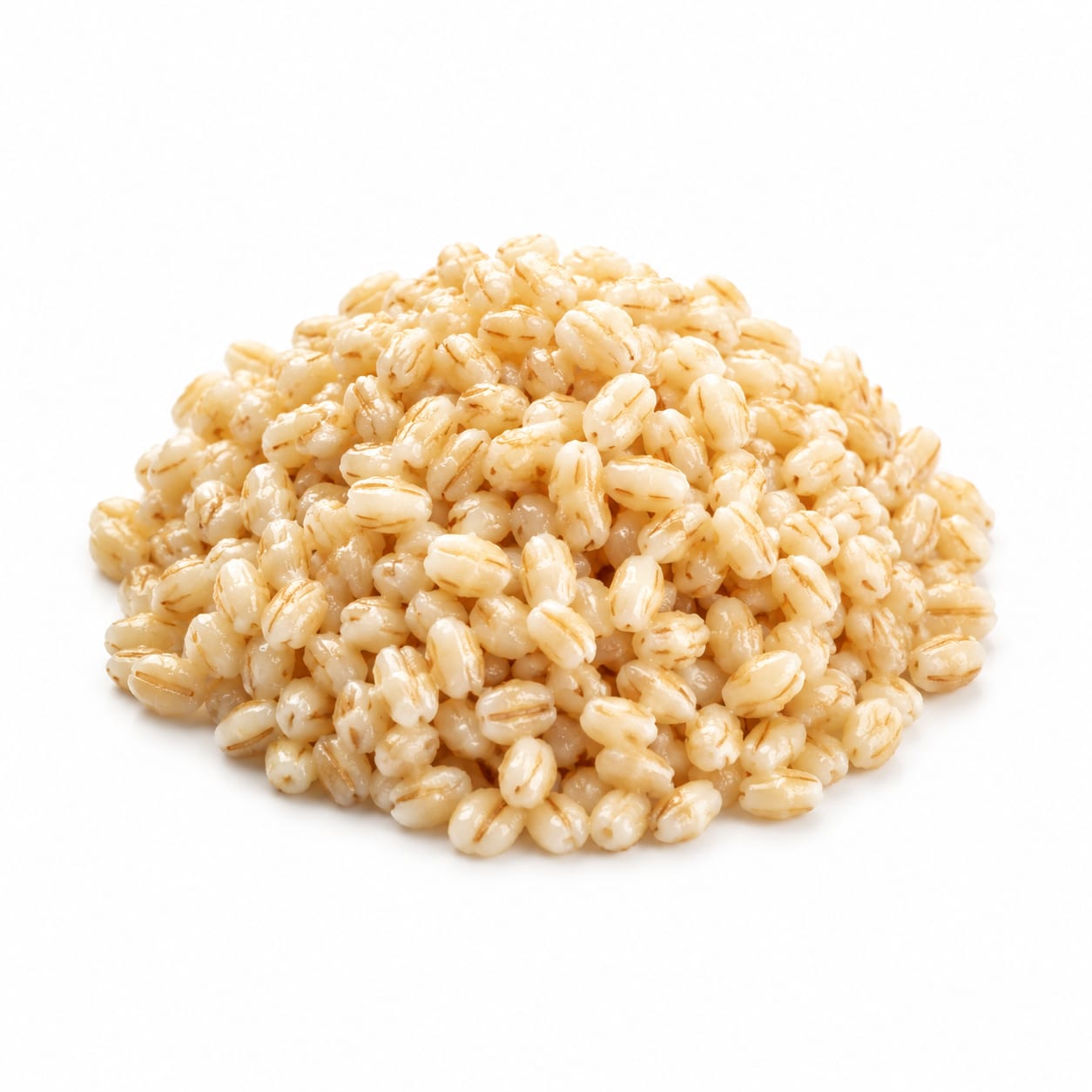
Compare with
Barley
Barley is higher in soluble fiber, but triticale is significantly higher in protein.
Barley excels in soluble fiber for blood sugar control, while triticale provides more protein for fitness goals.
This food
Triticale
VS65% alike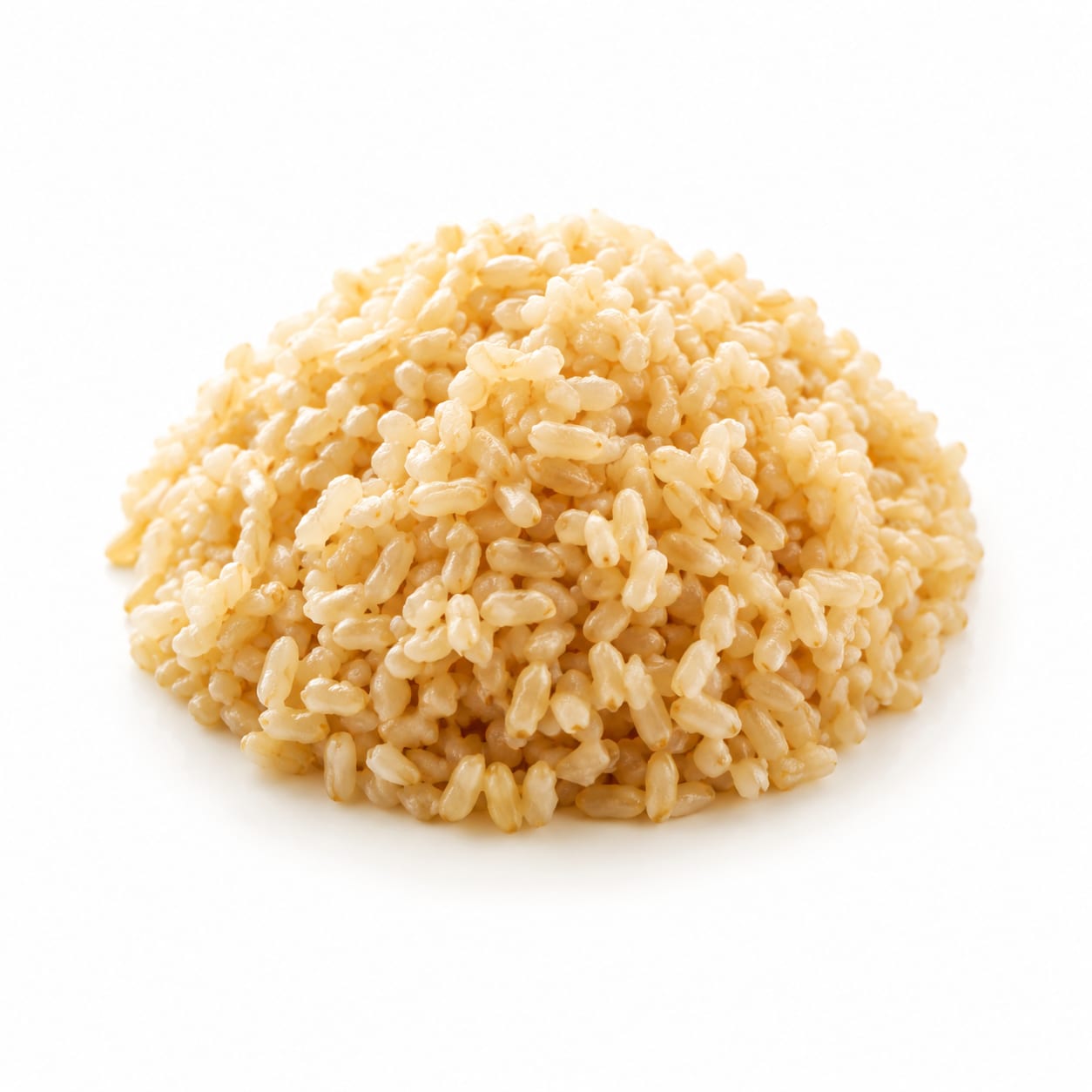
Compare with
Brown Rice
Triticale is vastly superior in protein and fiber, making brown rice the lower-protein, milder-flavored alternative.
Triticale offers significantly more protein and fiber than brown rice, making it far superior for satiety and fitness.
This food
Triticale
VS70% alike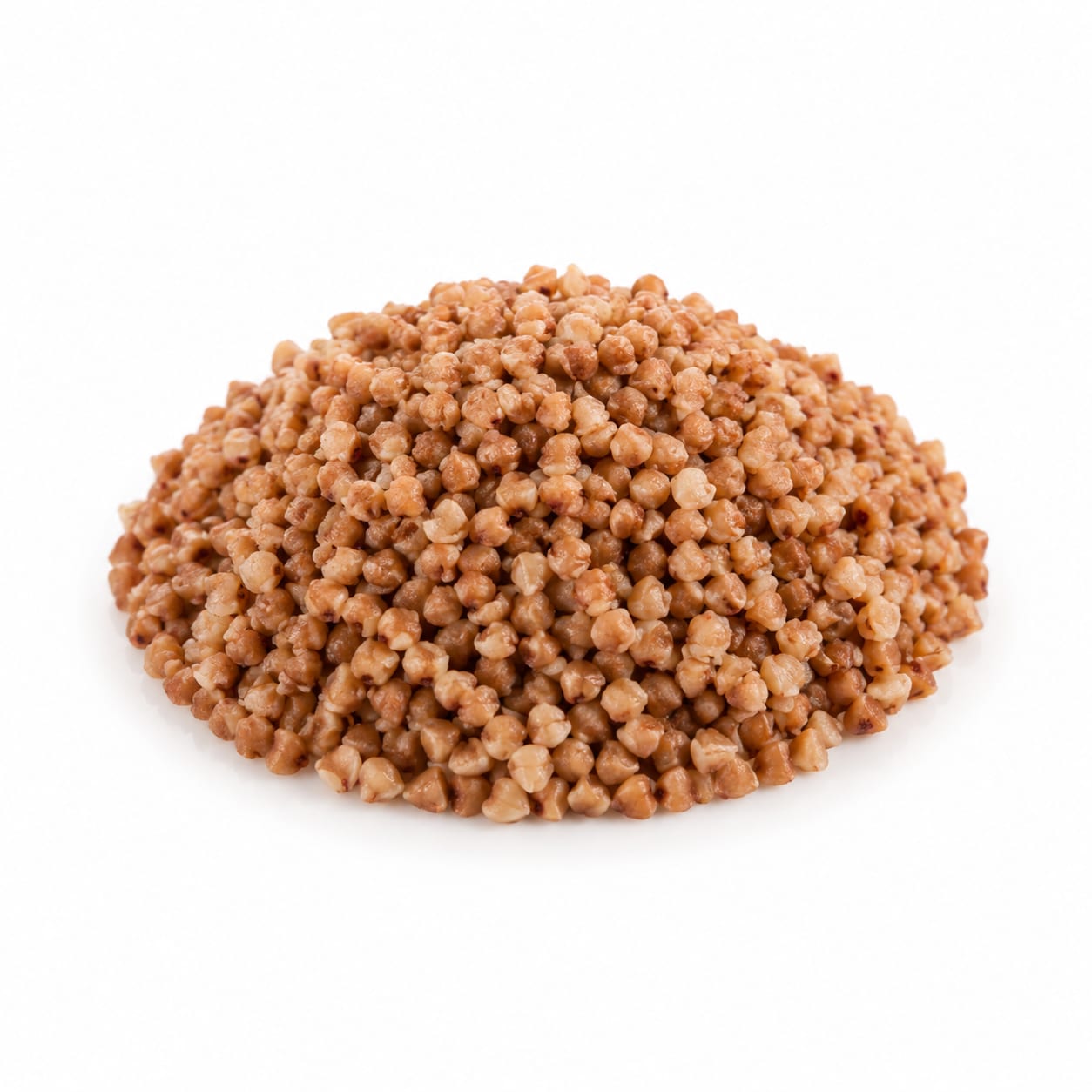
Compare with
Buckwheat
Buckwheat is gluten-free and rich in rutin, while triticale is higher in protein and fiber.
Buckwheat is a gluten-free pseudo-cereal with antioxidants, whereas triticale is a true grain with higher protein and fiber.
This food
Triticale
VS80% alike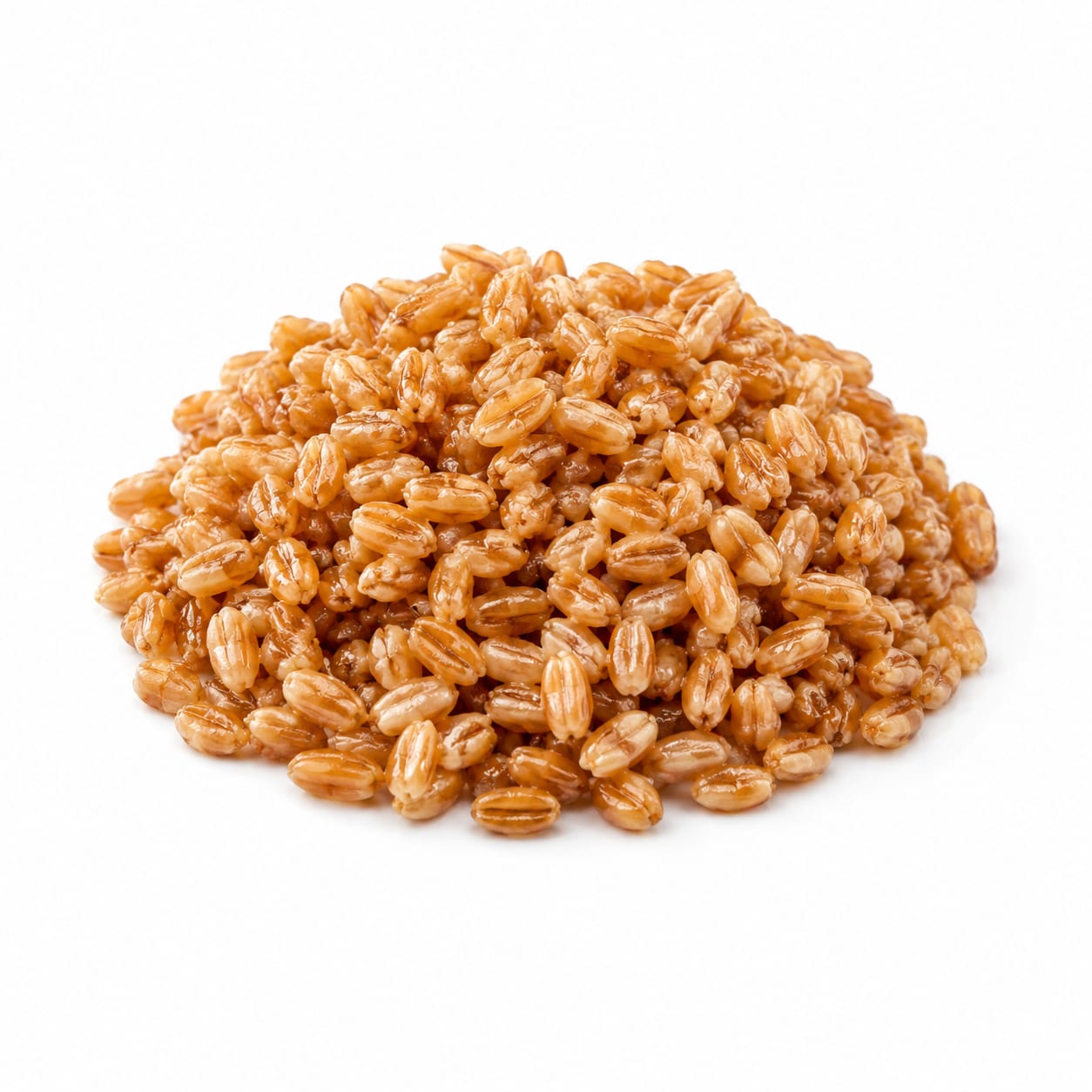
Compare with
Farro
Farro has a softer texture and milder flavor, while triticale is nutritionally denser with more protein.
Triticale provides more protein and fiber than farro, though farro is often preferred for its tender chew and mild flavor.
This food
Triticale
VS65% alike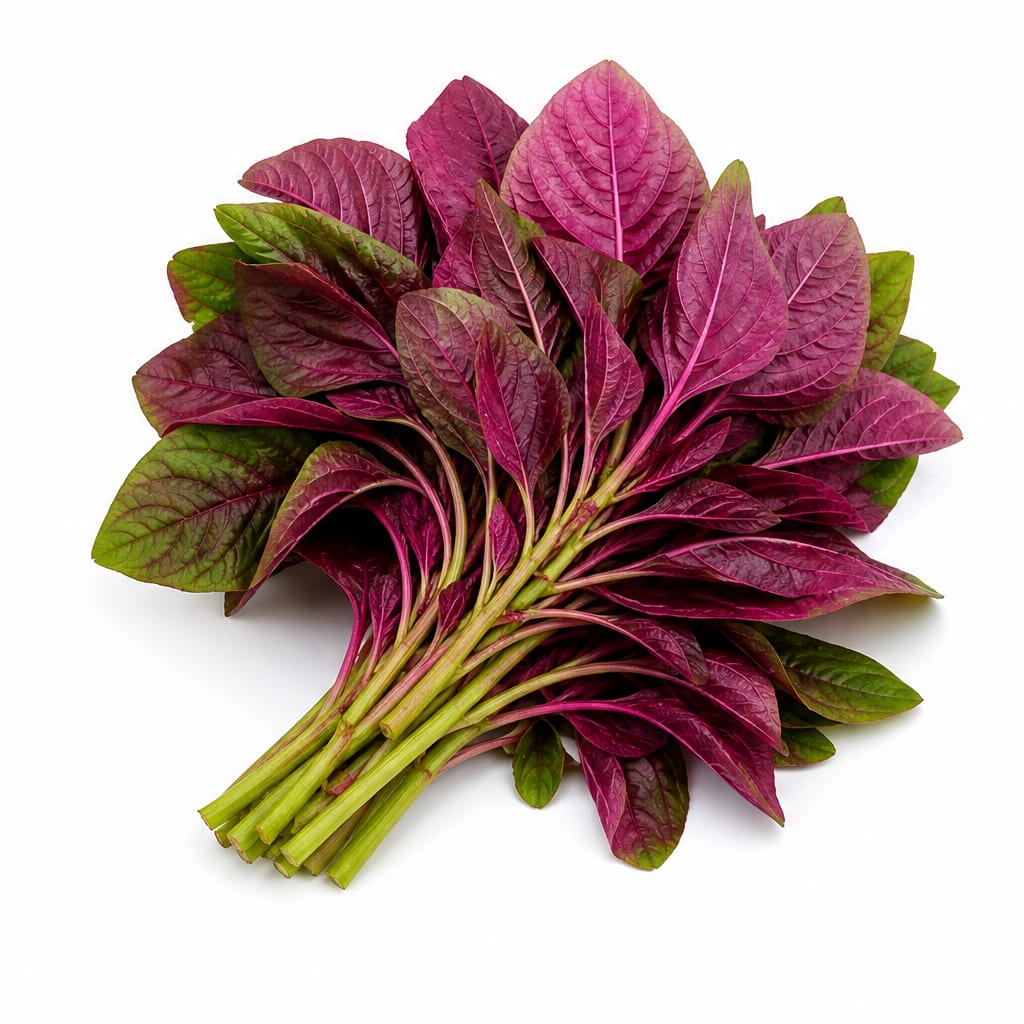
Compare with
Amaranth
Amaranth is a gluten-free complete protein, while triticale offers a heartier chew and more total protein per serving.
Amaranth is a tiny gluten-free seed with complete protein, while triticale is a chewy grain with more total protein per calorie.
Common questions
FAQ
Answers aligned with how people search for this food.
Is triticale gluten free?
No, triticale contains gluten because it is a cross between wheat and rye, both of which contain gluten proteins. It is not safe for those with celiac disease.
Triticale vs wheat nutrition?
Triticale generally contains more protein and the essential amino acid lysine than wheat, while also offering slightly more fiber. However, wheat has stronger gluten, making it better for fluffy baking.
What does triticale taste like?
Triticale has a nutty, earthy flavor that is slightly sweeter and more robust than wheat, with a subtle rye-like tang.
Is triticale good for diabetics?
Whole triticale berries are good for diabetics because their high fiber content slows digestion and prevents rapid blood sugar spikes, though triticale flour has a higher glycemic impact.
How to cook triticale berries?
Rinse 1 cup of triticale berries, combine with 3 cups of water or broth, bring to a boil, then simmer for 60-90 minutes until tender. Soaking overnight reduces cooking time.
Does triticale have more protein than wheat?
Yes, triticale typically has a slightly higher protein content than wheat, and its protein is of better biological value due to a higher concentration of the amino acid lysine.
Can you substitute triticale flour for wheat flour?
You can substitute up to 50% of wheat flour with triticale flour in recipes, but using 100% triticale results in dense, heavy baked goods because its gluten is weaker.
Is triticale hard to digest?
Whole triticale berries can be hard to digest if not cooked thoroughly due to their dense fibrous bran. Proper soaking and simmering make them easily digestible.
Is triticale considered an ancient grain?
While created in the 19th century, triticale is often grouped with ancient grains in marketing because it is a non-hybridized, whole-grain alternative to modern refined wheat.
What is triticale used for?
Triticale is used for human food like bread, cereal, and flour, but a large portion of the crop is also grown for animal feed and forage due to its high yield and hardiness.
Transparency
Data confidence
Estimated confidence for nutrition data, interpretation, safety notes, and comparisons.
Nutrition data
Health analysis
Food safety
Comparisons