
Nutrition comparison
Triticale vs Barley: Which Grain is Healthier?
Compare Triticale and Barley to see which grain wins for protein, fiber, blood sugar control, and weight loss. Discover the health benefits and tradeoffs of each.
Overall winner · Barley
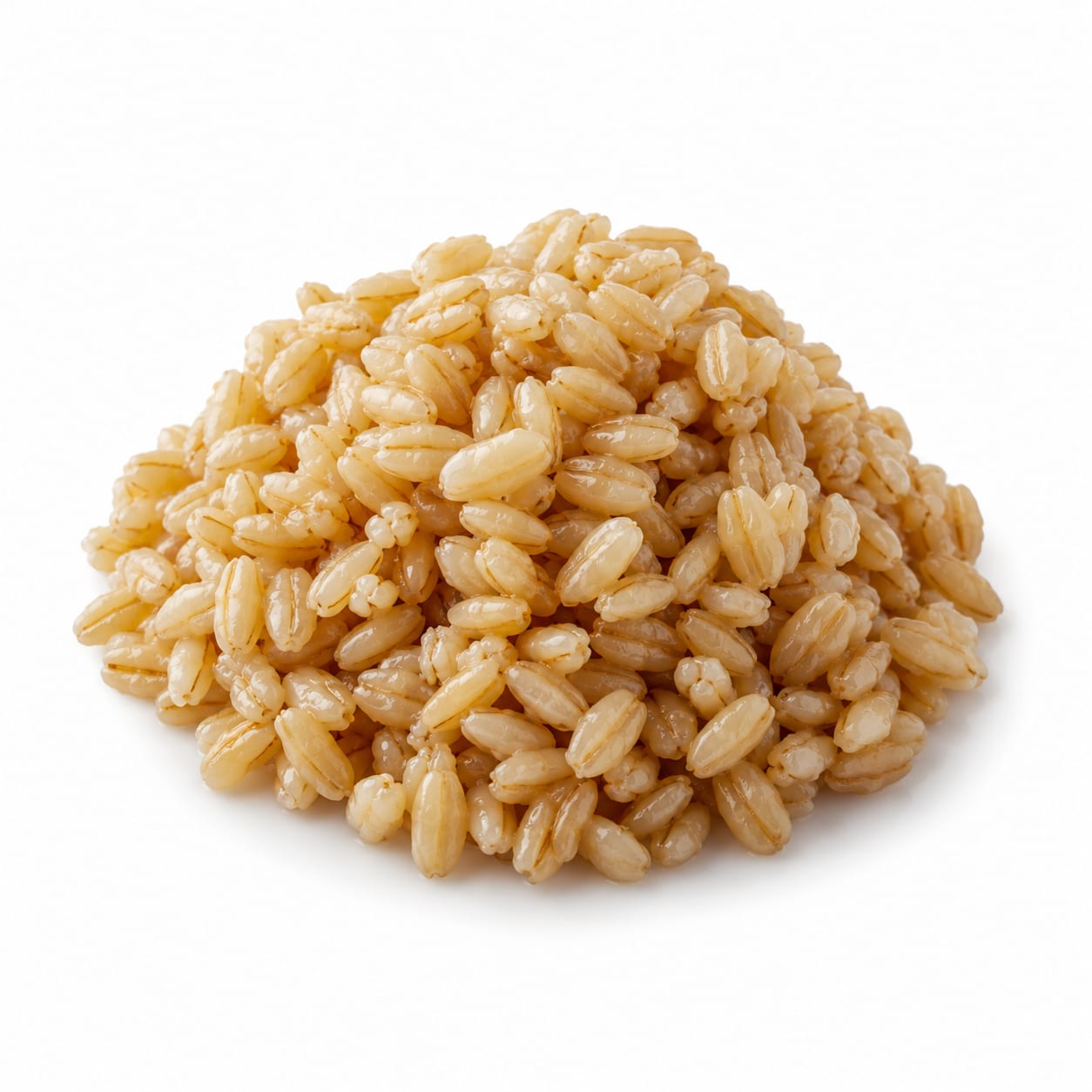
Triticale
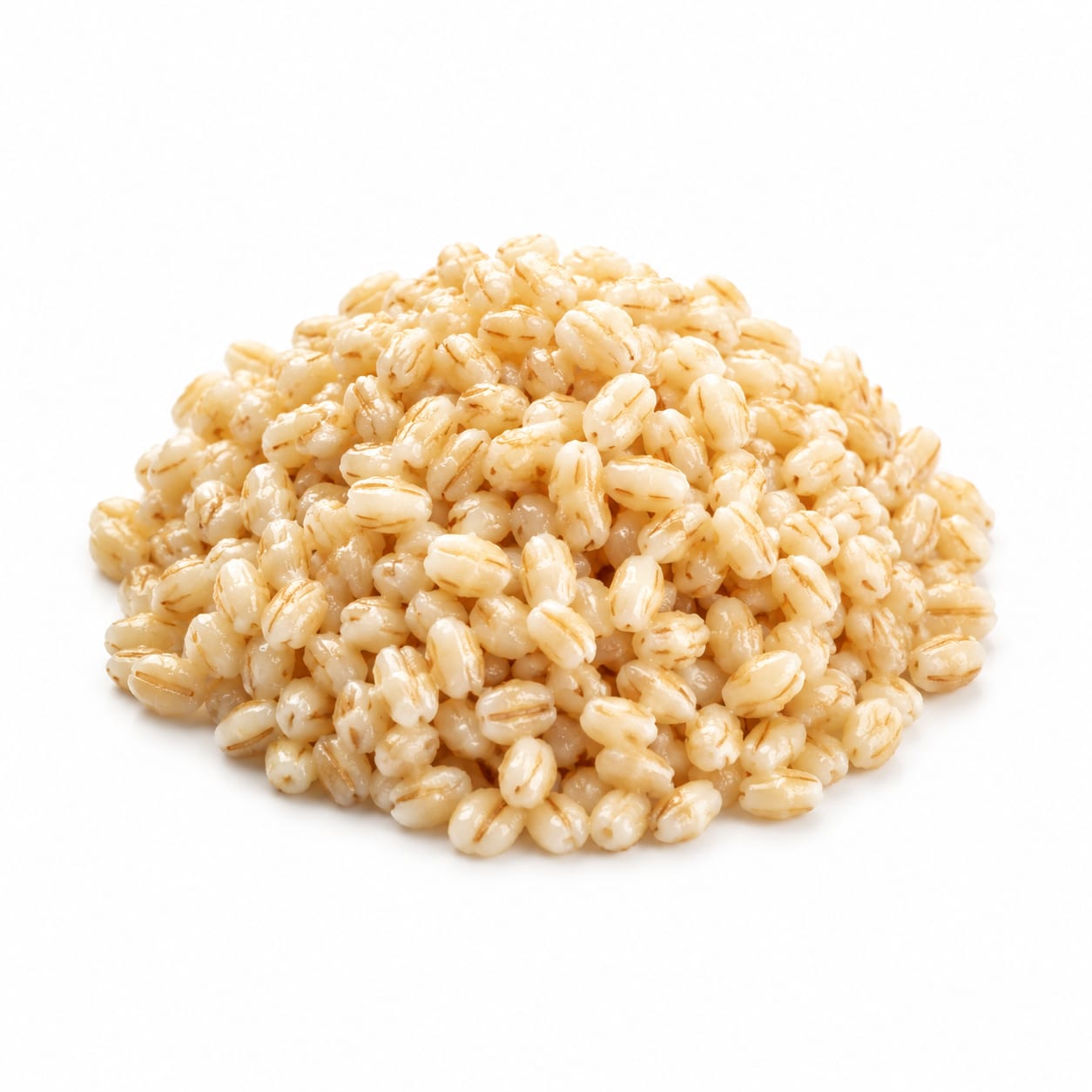
Barley
Barley edges out Triticale thanks to its exceptional soluble fiber and wider availability, though Triticale offers a protein advantage.
Barley wins overall due to its superior soluble fiber profile and everyday practicality. Triticale is nutritionally impressive but loses points for availability.
Triticale gives you more protein per bite, but Barley delivers unmatched soluble fiber for heart and blood sugar health.
At a glance
Executive summary
Overall
Barley
Healthier
Barley
More practical
Barley
Daily use
Barley
Key comparison lenses
Blood sugar and cholesterol management
Barley's beta-glucan is legendary for heart health and glycemic control, making it a standout feature.
Protein quality and content
Triticale's wheat-rye hybrid vigor gives it a superior amino acid profile compared to most grains.
Practicality and availability
Triticale is harder to find in grocery stores, while barley is a staple in many pantries.
Best choice for
Triticale
- High-protein plant-based diets
- Baking hearty breads
- Athletes needing grain-based protein
Barley
- Lowering cholesterol
- Managing blood sugar
- Improving gut health
Least suitable for
Triticale
- Quick weeknight cooking
- Gluten-free diets
- People wanting pantry staples
Barley
- High-protein meal prep
- Gluten-free diets
- Low-fiber digestive protocols
Deep comparison
Dimension by dimension
Each lens scores both foods and breaks down who each option suits.
- Dimension 1 · Priority 85Triticale
Protein Content & Quality
Triticale · 88Barley · 62Triticale packs significantly more protein and a better amino acid balance than Barley.
Tradeoff
You gain muscle-supporting protein with Triticale but lose the soluble fiber benefits of Barley.
Why it matters
Plant-based eaters often struggle to get complete proteins from grains.
Real-world impact
A bowl of Triticale porridge keeps you fuller longer through protein, whereas Barley relies more on fiber for satiety.
Triticale
- Vegans seeking protein
- Post-workout recovery meals
- Balancing amino acids
Better for
Barley
- Maximizing protein per calorie
Worse for
- Dimension 2 · Priority 92Barley
Fiber & Digestive Health
Triticale · 70Barley · 94Barley is a powerhouse of beta-glucan, a soluble fiber that feeds good gut bacteria and lowers cholesterol.
Tradeoff
Barley's soluble fiber is better for blood sugar and heart, while Triticale offers more insoluble fiber for bowel regularity.
Why it matters
Soluble fiber acts like a sponge, slowing digestion and preventing energy crashes.
Real-world impact
Eating Barley at lunch prevents the 3 PM energy crash far better than Triticale.
Triticale
- Quick bowel regularity
Better for
- Heart health diets
- Blood sugar spikes
Worse for
Barley
- Lowering cholesterol
- Feeding gut microbiome
- Steady energy
Better for
- Dimension 3 · Priority 90Barley
Blood Sugar Stability
Triticale · 68Barley · 90Barley's beta-glucan creates a gel that slows sugar absorption, making it a top-tier grain for glycemic control.
Tradeoff
Triticale digests faster, offering quicker energy but less blood sugar protection.
Why it matters
Stable blood sugar means fewer cravings and better mood throughout the day.
Real-world impact
Barley is a far safer base for a diabetic-friendly grain bowl than Triticale.
Triticale
- Pre-workout quick energy
Better for
- Insulin resistance
Worse for
Barley
- Diabetes management
- Curbing sugar cravings
- Sustained focus
Better for
- Dimension 4 · Priority 78Barley
Practicality & Availability
Triticale · 45Barley · 85Barley is easy to find in any grocery store, while Triticale often requires specialty shops or online ordering.
Tradeoff
Triticale might be worth the hunt for its unique nutrition, but Barley is ready when you need it.
Why it matters
The healthiest grain is the one you actually have in your pantry.
Real-world impact
You can grab Barley for a weeknight soup without planning ahead; Triticale requires a deliberate shopping trip.
Triticale
- Adventurous home bakers
Better for
- Last-minute cooking
- Rural grocery access
Worse for
Barley
- Busy families
- Meal prep convenience
- Budget shoppers
Better for
Timeline
Health impact over time
Short-term
Hours to days
Triticale
- Sustained energy from protein
- Steady digestion
Barley
- Very stable blood sugar
- High satiety from fiber gel
Long-term
Months to years
Triticale
- Better muscle maintenance
- Stronger amino acid intake
Barley
- Lower cholesterol
- Reduced heart disease risk
- Improved gut microbiome diversity
Risk profile
Safety & processing
Both are whole grains when purchased in their unrefined forms (hulled barley, whole triticale berries). Avoid pearled barley if you want the full fiber benefit.
Triticale
Gluten content
highTriticale contains gluten from its wheat parentage, making it unsafe for celiacs.
Mycotoxin contamination
lowLike all grains, improper storage can lead to mold, but standard commercial handling minimizes this.
Barley
Gluten content
highBarley contains gluten and is strictly off-limits for those with celiac disease.
Pearling nutrient loss
mediumPearled barley removes the bran, stripping away much of the fiber and minerals.
Who wins for whom
Audience fit
Same foods, different winners depending on your goal.
children
BarleyBarley is milder, easier to cook into comforting soups, and more widely accepted by kids.
daily consumption
BarleyBarley is easier to find, cheaper, and offers daily heart and gut health benefits.
diabetes
BarleyBarley is clinically proven to blunt blood sugar spikes better than almost any other grain.
elderly
BarleyThe cholesterol-lowering and digestion-regulating effects of Barley are highly beneficial for aging bodies.
muscle gain
TriticaleTriticale provides more protein per serving, supporting muscle repair.
weight loss
BarleyBarley's beta-glucan expands in the stomach, keeping you full on fewer calories.
Your move
Decision guide
Choose Triticale
- You are vegan and need more grain-based protein
- You enjoy baking artisan breads and want a unique flour
- You have easy access to specialty grains
Choose Barley
- You want to lower your cholesterol naturally
- You need to manage blood sugar or insulin resistance
- You want a cheap, accessible grain for everyday soups and bowls
Either works if
- You tolerate gluten and want whole-grain variety
- You are looking for satisfying alternatives to rice
Avoid both if
- You have celiac disease or non-celiac gluten sensitivity
- You are on a strict low-carb or ketogenic diet
Final recommendation
Make Barley your daily driver for its heart health and blood sugar benefits, but keep Triticale in rotation when you want a protein boost or a unique baking flour.
Practical
Consumer tips
- 1
Always choose hulled barley over pearled barley to retain the fiber-rich bran.
- 2
Soak Triticale berries overnight to reduce cooking time and improve texture.
- 3
Toast either grain in a dry pan before cooking to bring out a rich, nutty flavor.
- 4
If buying Triticale flour, store it in the fridge to prevent the natural oils from going rancid.