
Nutrition comparison
Triticale vs Quinoa: Nutrition, Protein, and Gluten Comparison
Comparing Triticale and Quinoa? Discover which grain is better for protein, digestion, and blood sugar, and whether the gluten-free seed or the hearty hybrid wins for your diet.
Overall winner · Quinoa
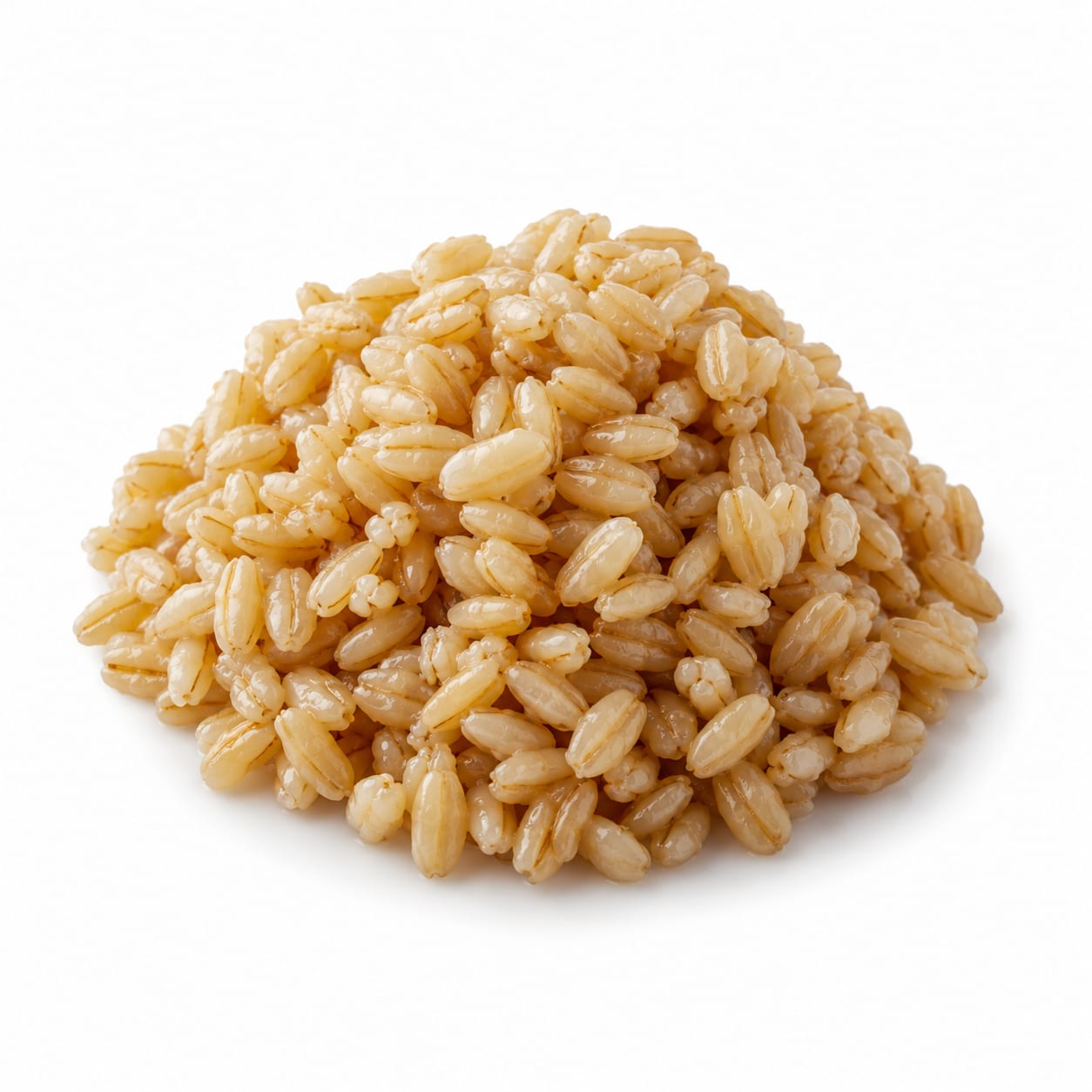
Triticale
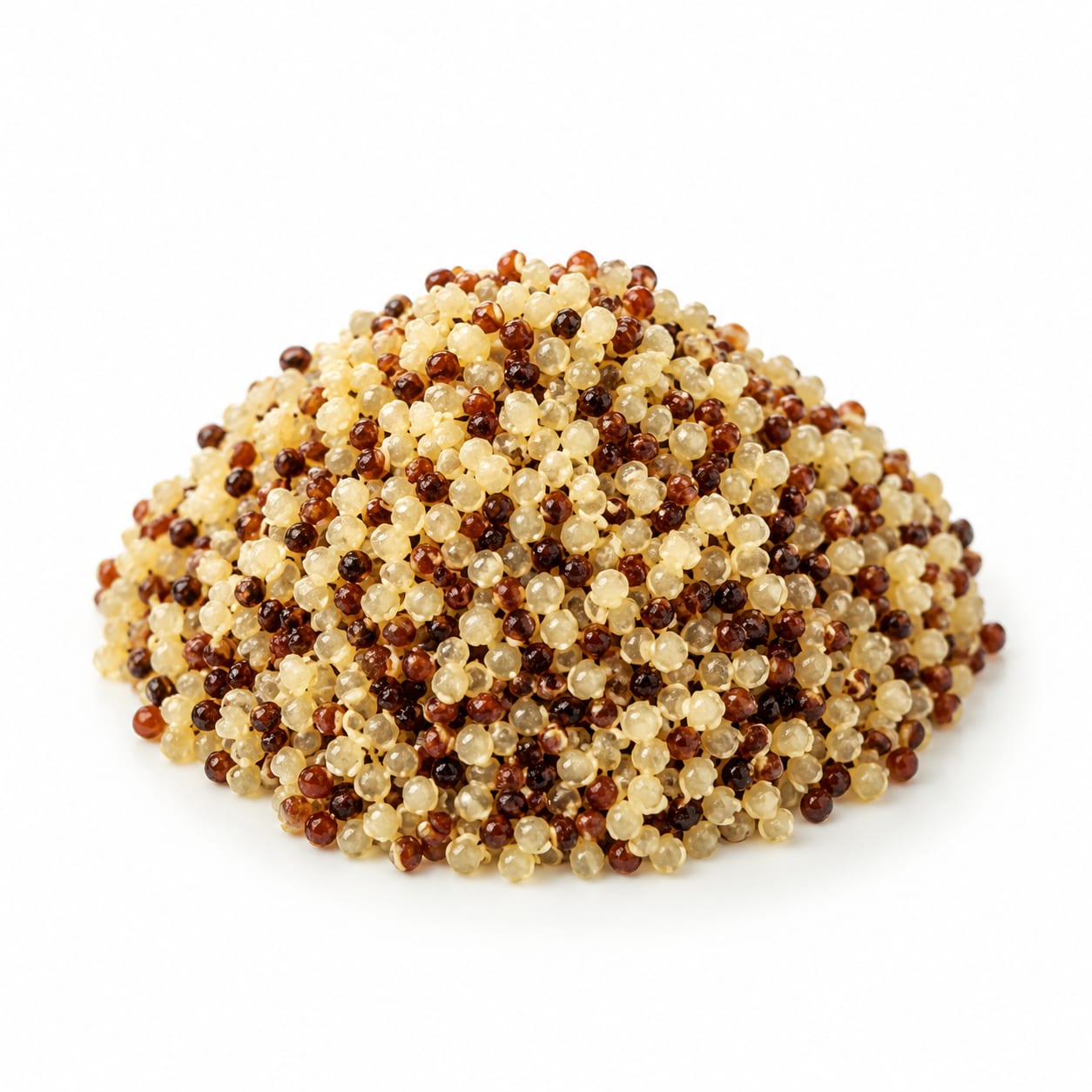
Quinoa
Quinoa edges out Triticale for its complete protein and gluten-free status, though Triticale offers a budget-friendly, robust alternative for those who tolerate gluten.
Quinoa scores higher due to its complete amino acid profile and gluten-free nature, making it accessible to more people. Triticale is nutritionally solid but limited by its gluten content and lower convenience.
Complete protein and gluten-free digestion (Quinoa) versus lower cost and hearty chew (Triticale).
At a glance
Executive summary
Overall
Quinoa
Healthier
Quinoa
More practical
Quinoa
Daily use
Quinoa
Key comparison lenses
Protein quality and completeness for plant-based diets
Quinoa is famous for being a complete protein, while Triticale, though high in protein, lacks sufficient lysine.
Gluten tolerance and digestive safety
Triticale contains gluten from its wheat parentage, making Quinoa the default for anyone with celiac or sensitivity.
Cooking convenience and weeknight practicality
Quinoa cooks fast, while whole Triticale berries take much longer, impacting real-world meal choices.
Blood sugar management
Both are complex carbs, but their fiber profiles and glycemic indices affect energy stability differently.
Budget and accessibility
Triticale is often cheaper and yields more per acre, while Quinoa's global demand keeps its price higher.
Best choice for
Triticale
- Budget-conscious eaters who tolerate gluten
- Hearty grain bowl bases needing a chewy texture
- Farmers or homesteaders looking for easy-to-grow cover crops
Quinoa
- People avoiding gluten
- Vegans needing complete protein
- Those wanting quick-cooking weeknight meals
Least suitable for
Triticale
- People with celiac disease or gluten sensitivity
- Quick weeknight dinners unless using flakes
Quinoa
- Strict budget households
- People sensitive to saponins who dislike rinsing grains
Deep comparison
Dimension by dimension
Each lens scores both foods and breaks down who each option suits.
- Dimension 1 · Priority 95Quinoa
Protein Quality & Completeness
Triticale · 70Quinoa · 92Quinoa provides all nine essential amino acids, while Triticale falls short on lysine.
Tradeoff
You get robust total protein in Triticale, but Quinoa's protein is more usable by the body without food combining.
Why it matters
Complete proteins support muscle repair and satiety better without needing to pair different foods.
Real-world impact
A Quinoa bowl keeps you full longer without needing to add beans or nuts to balance the amino acids.
Triticale
- High-calorie diets needing bulk protein
- Pairing with lysine-rich legumes like lentils
Better for
- Standalone vegan meals
- People needing efficient protein absorption
Worse for
Quinoa
- Vegans and vegetarians
- Single-dish complete meals
Better for
- None specifically, just slightly less total protein per raw serving
Worse for
- Dimension 2 · Priority 90Quinoa
Digestive Tolerance & Gluten
Triticale · 40Quinoa · 95Triticale contains gluten from its wheat parentage, ruling it out for celiacs. Quinoa is naturally gluten-free.
Tradeoff
Triticale offers familiar baking properties from gluten, while Quinoa offers broader digestive safety.
Why it matters
Gluten sensitivity and celiac disease are common, making gluten-free grains a safer default for many.
Real-world impact
Eating Triticale can cause bloating and discomfort for sensitive individuals, whereas Quinoa is generally soothing.
Triticale
- Baking breads that need gluten structure
- People without any gluten issues seeking chewiness
Better for
- Anyone with celiac disease or wheat allergy
- Low-inflammation diets
Worse for
Quinoa
- Celiacs and gluten-sensitive individuals
- Those prone to bloating after meals
Better for
- People who do not rinse it and get stomach upset from saponins
Worse for
- Dimension 3 · Priority 80Quinoa
Blood Sugar Stability
Triticale · 75Quinoa · 85Both are complex carbs, but Quinoa has a slightly lower glycemic index and more fiber to slow digestion.
Tradeoff
Triticale provides dense, lasting energy, but Quinoa offers a steadier blood sugar curve.
Why it matters
Preventing blood sugar spikes avoids the afternoon crash and cravings.
Real-world impact
A Quinoa lunch keeps your energy stable until dinner, while Triticale might leave you hungry an hour earlier.
Triticale
- Heavy laborers needing sustained calorie release
- Endurance athletes carb-loading
Better for
- Diabetics needing strict glycemic control
Worse for
Quinoa
- People with insulin resistance
- Office workers avoiding afternoon slumps
Better for
- None significant
Worse for
- Dimension 4 · Priority 85Quinoa
Versatility & Practicality
Triticale · 55Quinoa · 90Quinoa cooks in 15 minutes and is ubiquitous. Triticale berries take 40-60 minutes and are harder to find.
Tradeoff
Triticale is cheaper but requires more prep time and hunting to source.
Why it matters
Convenience dictates what you actually cook on a busy Tuesday.
Real-world impact
You will actually cook Quinoa on a weeknight; Triticale berries might sit in the pantry.
Triticale
- Meal prepping in bulk on weekends
- Budget bulk buying
Better for
- Last-minute meal prep
- Small towns with limited grocery options
Worse for
Quinoa
- Quick weeknight dinners
- Travel or camping meals
Better for
- Tight grocery budgets
Worse for
- Dimension 5 · Priority 70It depends
Mineral Density
Triticale · 82Quinoa · 85Both pack strong mineral profiles. Triticale excels in zinc and manganese, while Quinoa shines in magnesium and iron.
Tradeoff
Triticale offers better zinc for immunity, Quinoa offers more magnesium for muscle relaxation.
Why it matters
Minerals are often lacking in modern diets and drive energy and recovery.
Real-world impact
Quinoa helps with post-workout muscle cramps, Triticale supports immune function.
Triticale
- Immune support during cold season
- Zinc-deficient diets
Better for
- Those needing a magnesium boost
Worse for
Quinoa
- Athletes needing magnesium for recovery
- Women needing iron
Better for
- Those specifically seeking high zinc
Worse for
Timeline
Health impact over time
Short-term
Hours to days
Triticale
- Provides dense, satisfying energy
- Can cause bloating in gluten-sensitive people
Quinoa
- Quick energy without the crash
- Unrinsed Quinoa can taste bitter and upset the stomach
Long-term
Months to years
Triticale
- Supports immune function via zinc
- Continuous gluten consumption may trigger sensitivities in prone individuals
Quinoa
- Supports heart health and blood sugar regulation
- Excellent for maintaining lean muscle on plant-based diets
Risk profile
Safety & processing
Both are whole foods in their natural state. Triticale is a human-made hybrid of wheat and rye but is not genetically modified or ultra-processed. Quinoa is an ancient seed grown for millennia.
Triticale
Gluten presence
highNaturally contains gluten, making it unsafe for those with celiac disease or severe gluten intolerance.
Agricultural chemical residue
mediumAs a conventional grain, it may carry pesticide residues unless organic.
Quinoa
Saponin residue
mediumNatural coating that tastes bitter and can cause digestive upset if not rinsed thoroughly before cooking.
Cross-contamination with gluten
lowOften processed in facilities that handle wheat; certified gluten-free is needed for strict celiacs.
Who wins for whom
Audience fit
Same foods, different winners depending on your goal.
children
QuinoaQuinoa is gluten-free, easier to digest, and cooks into a softer texture that kids prefer.
daily consumption
QuinoaQuinoa is more versatile, quicker to cook, and safer for a wider range of dietary needs.
diabetes
QuinoaQuinoa has a lower glycemic index and more fiber, leading to steadier blood sugar levels.
elderly
QuinoaQuinoa is easier to chew when cooked and gentler on aging digestive systems.
muscle gain
QuinoaQuinoa provides a complete amino acid profile, which is crucial for muscle repair and growth.
weight loss
QuinoaQuinoa offers higher satiety per calorie and a lower glycemic load, keeping cravings at bay.
Your move
Decision guide
Choose Triticale
- You have no gluten sensitivity and want a budget-friendly whole grain
- You want a chewy, hearty texture for soups and stews
- You are looking for a high-zinc grain for immune support
Choose Quinoa
- You need a gluten-free diet
- You want a complete plant protein without food combining
- You need fast-cooking weeknight meals
Either works if
- You want a nutrient-dense carb base for bowls
- You are mixing grains for diverse micronutrients
Avoid both if
- You are on a strict ketogenic diet
- You have severe grain or seed allergies
Final recommendation
Quinoa is the better everyday choice for most people due to its complete protein and gluten-free nature. However, Triticale is an underrated, cost-effective option if you tolerate gluten and enjoy a heartier chew.
Practical
Consumer tips
- 1
Always rinse Quinoa under cold water for 30 seconds to remove bitter saponins.
- 2
Soak Triticale berries overnight to cut down the 60-minute cooking time.
- 3
Toast either grain in a dry pan before cooking to bring out a nuttier flavor.
- 4
Mix Triticale and Quinoa together to balance cost, texture, and protein quality.