
Nutrition comparison
Triticale vs Amaranth: Which Ancient Grain Is Better for You?
Compare Triticale and Amaranth nutrition, protein quality, gluten content, and health benefits. Find out which grain is better for weight loss, muscle gain, and daily use.
Overall winner · Amaranth
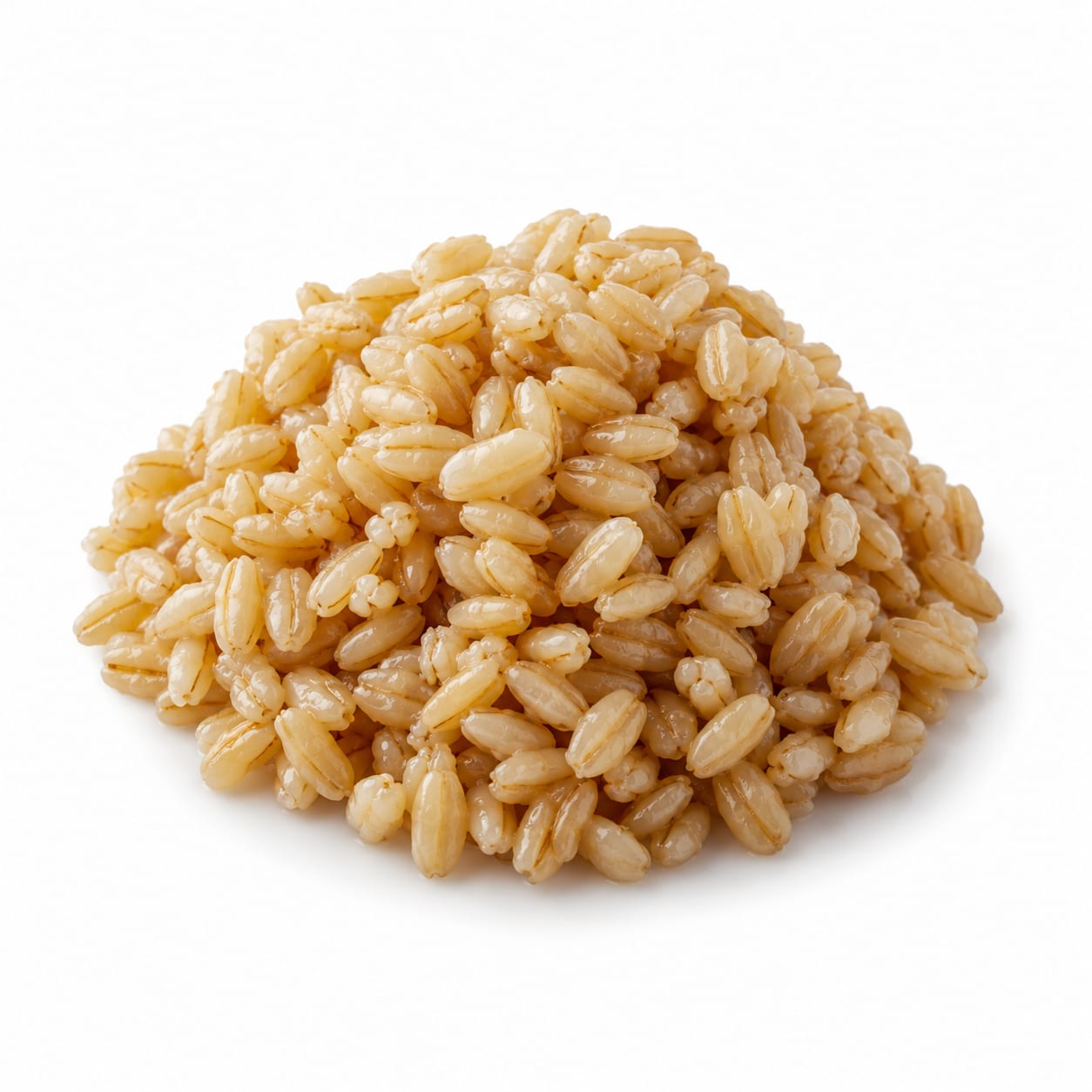
Triticale
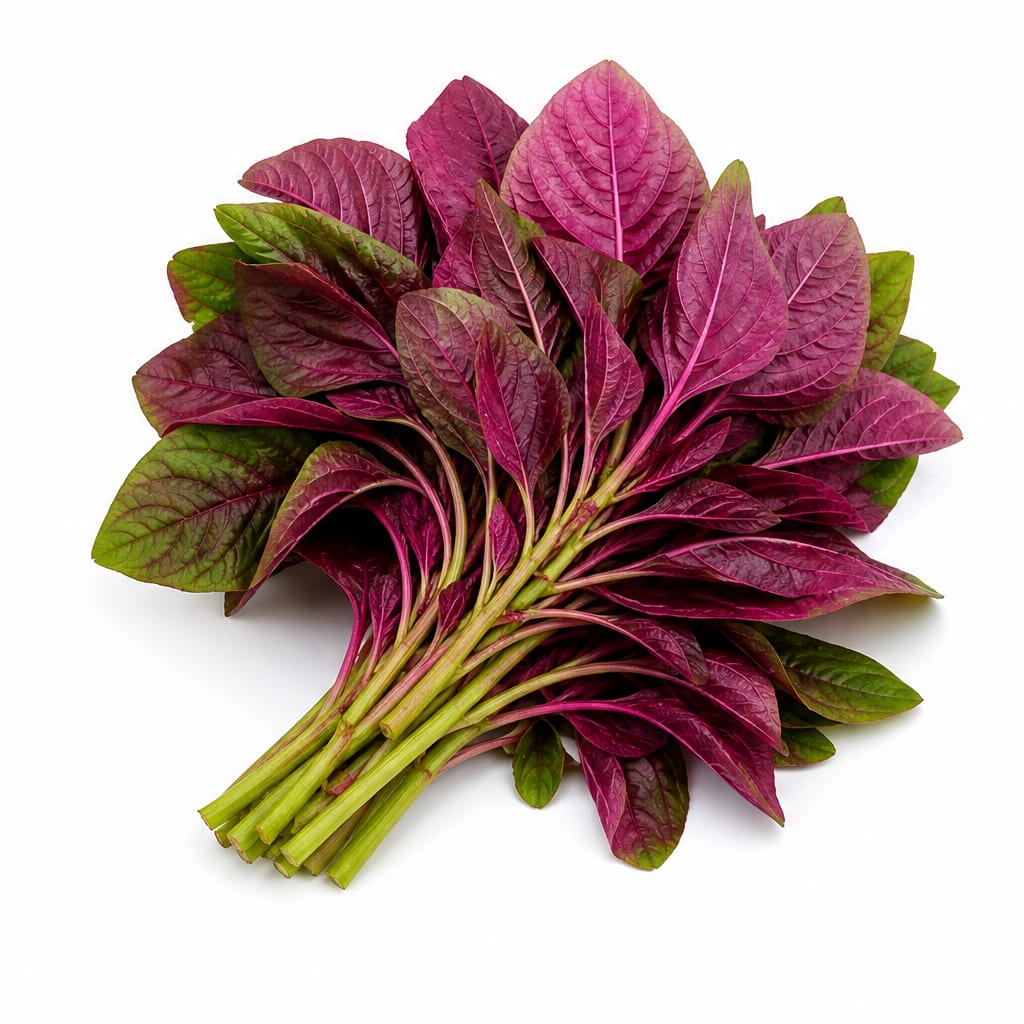
Amaranth
Amaranth wins for most people thanks to its complete protein, gluten-free status, and superior mineral content, though Triticale offers more total protein and fiber for those who tolerate gluten.
Amaranth scores notably higher due to its complete protein, gluten-free nature, and superior iron and magnesium content. Triticale remains a solid choice for gluten-tolerant individuals prioritizing total protein and fiber, but its narrower culinary use and gluten content limit its appeal.
Triticale gives you more protein and fiber per bite but locks out anyone gluten-sensitive; Amaranth sacrifices some total protein for a complete amino acid profile and universal digestibility.
At a glance
Executive summary
Overall
Amaranth
Healthier
Amaranth
More practical
Amaranth
Daily use
Amaranth
Key comparison lenses
protein quality and completeness
Amaranth offers a rare complete protein profile among plant foods while Triticale provides higher total protein but lacks lysine
gluten sensitivity and digestive tolerance
Triticale contains gluten as a wheat-rye hybrid, making Amaranth the clear choice for anyone avoiding gluten
mineral density and micronutrient value
Both are mineral-rich ancient grains but Amaranth delivers significantly more iron and magnesium per serving
culinary versatility and everyday practicality
Amaranth can be popped, cooked as porridge, or ground into flour while Triticale is primarily used as flour or animal feed
blood sugar management
Both have moderate glycemic impacts but Amaranth's higher fiber and fat content slows glucose absorption slightly more
Best choice for
Triticale
- Gluten-tolerant athletes needing high total protein intake
- Anyone seeking maximum fiber per serving
- Bakers wanting a wheat-rye flavor hybrid for breads
Amaranth
- Gluten-sensitive or celiac individuals
- Vegans needing complete protein from a single source
- Anyone with iron deficiency concerns
- People wanting a versatile grain for porridge, popping, or baking
Least suitable for
Triticale
- Anyone with celiac disease or gluten sensitivity
- People seeking a versatile whole grain for diverse recipes
- Those with wheat or rye allergies
Amaranth
- Very low-calorie dieters watching energy density closely
- People who dislike earthy or slightly grassy flavors
- Those wanting a direct wheat flour substitute for bread baking
Deep comparison
Dimension by dimension
Each lens scores both foods and breaks down who each option suits.
- Dimension 1 · Priority 92Amaranth
Protein Quality and Completeness
Triticale · 65Amaranth · 90Amaranth provides all nine essential amino acids including lysine, which most grains lack. Triticale has more total protein but is lysine-deficient like its wheat parent.
Tradeoff
Triticale gives you more protein grams per serving but those grams are less usable by your body without lysine. Amaranth gives you slightly less total protein but your body can actually use all of it efficiently.
Why it matters
Complete proteins support muscle repair and immune function without needing to be paired with other foods. This matters enormously for vegans and vegetarians.
Real-world impact
A bowl of Amaranth porridge alone covers your amino acid needs. With Triticale, you would need to add beans or legumes to fill the lysine gap.
Triticale
- High-protein diets where total protein grams matter more than amino acid balance
- Pairing with lysine-rich legumes in mixed meals
Better for
- Solo meals where no other protein source is available
- Vegans not tracking amino acid combinations
Worse for
Amaranth
- Vegans and vegetarians relying on single-source plant protein
- Anyone eating grain-only meals who needs complete nutrition
- Post-workout recovery when eaten alone
Better for
- Bodybuilders chasing maximum total protein intake per meal
Worse for
- Dimension 2 · Priority 90Amaranth
Gluten and Digestive Tolerance
Triticale · 30Amaranth · 98Triticale contains gluten as a wheat-rye hybrid and is unsafe for celiac individuals. Amaranth is naturally gluten-free and well-tolerated by nearly everyone.
Tradeoff
Triticale's gluten gives it superior bread-baking properties but excludes a significant portion of the population. Amaranth sacrifices bread elasticity for universal digestibility.
Why it matters
Roughly 6-7% of the population has gluten sensitivity and about 1% has celiac disease. Even among gluten-tolerant people, many report feeling lighter and less bloated when reducing gluten.
Real-world impact
If you serve Triticale at a dinner party, you need to check every guest for gluten issues. Amaranth works for everyone at the table.
Triticale
- Traditional bread baking where gluten structure is essential
- Anyone confirmed gluten-tolerant who prefers wheat-like texture
Better for
- Anyone with celiac disease, gluten sensitivity, or wheat allergy
- Households with gluten-free family members
Worse for
Amaranth
- Celiac disease and gluten sensitivity management
- Reducing bloating or digestive discomfort
- Households with mixed dietary needs
Better for
- Artisan bread bakers needing gluten development for rise and chew
Worse for
- Dimension 3 · Priority 85Amaranth
Mineral Density
Triticale · 65Amaranth · 88Amaranth delivers substantially more iron and magnesium than Triticale, along with notable phosphorus and manganese. Triticale offers good zinc and phosphorus but falls short on iron.
Tradeoff
A single serving of Amaranth covers about 30% of daily iron needs versus roughly 15% from Triticale. For menstruating women and vegans, this difference is significant.
Why it matters
Iron deficiency is the most common nutrient deficiency globally. Magnesium supports sleep, muscle recovery, and stress management. Getting more from your grain matters.
Real-world impact
Switching from Triticale to Amaranth could meaningfully reduce your need for iron supplementation, especially for women of reproductive age.
Triticale
- Diets already rich in iron from other sources like red meat
- Zinc-focused mineral supplementation goals
Better for
- Iron-deficient individuals relying on grains as a mineral source
- Vegans not supplementing iron
Worse for
Amaranth
- Women with heavy menstrual periods needing extra iron
- Vegans and vegetarians at higher risk for iron deficiency
- People with low magnesium experiencing sleep issues or cramps
Better for
- Those with hemochromatosis who need to limit iron intake
Worse for
- Dimension 4 · Priority 78Triticale
Fiber Content and Satiety
Triticale · 82Amaranth · 72Triticale generally provides more dietary fiber per serving than Amaranth, leading to slightly greater fullness and slower digestion.
Tradeoff
Triticale keeps you fuller for longer per calorie, but Amaranth's combination of fiber plus healthy fats creates a different kind of sustained energy that some people find more comfortable.
Why it matters
Fiber directly impacts how long a meal keeps you satisfied and how steadily your blood sugar responds. Even small differences compound over weeks and months.
Real-world impact
A Triticale-based breakfast might keep you full until 1 PM. An Amaranth breakfast might have you slightly hungry by noon but with steadier energy and no crash.
Triticale
- Weight management through maximum satiety per calorie
- Managing constipation through higher insoluble fiber intake
- Active individuals needing long-lasting fullness
Better for
- People with sensitive digestion who struggle with very high fiber loads
Worse for
Amaranth
- Those who find high-fiber meals cause bloating or gas
- Gentler digestive support through soluble fiber
Better for
- Those relying on a single grain for maximum fullness between meals
Worse for
- Dimension 5 · Priority 80Amaranth
Culinary Versatility
Triticale · 50Amaranth · 85Amaranth can be cooked as porridge, popped like popcorn, sprouted, or ground into flour. Triticale is primarily used as flour or animal feed and has limited whole-grain culinary applications.
Tradeoff
Amaranth opens up creative cooking possibilities but has a distinct earthy taste that not everyone loves. Triticale behaves more like familiar wheat flour but offers less variety in how you can use it.
Why it matters
A food you can prepare multiple ways stays interesting longer. Boredom is one of the top reasons people abandon healthy eating habits.
Real-world impact
With Amaranth you can make breakfast porridge, lunch salad topping, and a crispy snack all from the same bag. Triticale mostly limits you to baked goods.
Triticale
- Bakers wanting a familiar wheat-like flour for breads and pastries
- Recipes where a neutral grain flavor is preferred
Better for
- Anyone wanting whole-grain preparation beyond flour
- People who get bored eating the same texture repeatedly
Worse for
Amaranth
- Adventurous home cooks wanting multiple preparation methods
- Meal preppers who want one ingredient for multiple dishes
- Snack makers wanting to try popping grains
Better for
- Those wanting a direct 1:1 wheat flour replacement for bread
- Pickier eaters who dislike earthy or grassy flavors
Worse for
- Dimension 6 · Priority 75Amaranth
Blood Sugar Stability
Triticale · 62Amaranth · 74Both grains have moderate glycemic impacts, but Amaranth's higher fat content and soluble fiber slow glucose absorption slightly more effectively than Triticale.
Tradeoff
Neither grain is a low-glycemic powerhouse. Amaranth has a modest edge, but both benefit from being paired with protein and healthy fats for steadier blood sugar.
Why it matters
Post-meal energy crashes affect productivity, mood, and cravings. Even small glycemic improvements make your whole day feel smoother.
Real-world impact
After an Amaranth breakfast you are less likely to hit that 10:30 AM energy dip. With Triticale, pairing it with eggs or nut butter becomes more important.
Triticale
- Meals already paired with protein and fat that buffer blood sugar
- Active individuals who burn through carbohydrates quickly
Better for
- Blood sugar-sensitive individuals eating grains alone
- Sedentary office workers prone to afternoon crashes
Worse for
Amaranth
- Prediabetics or diabetics managing post-meal glucose spikes
- Solo grain meals without other blood-sugar-buffering foods
- Afternoon energy stability when eaten at lunch
Better for
- Endurance athletes needing faster carbohydrate availability
Worse for
Timeline
Health impact over time
Short-term
Hours to days
Triticale
- Higher fiber intake may cause bloating if you are not used to it
- Gluten exposure triggers symptoms in sensitive individuals within hours
- More filling per serving, reducing between-meal snacking
Amaranth
- Gentler on digestion for most people due to gluten-free nature
- Slightly slower energy release helps avoid post-meal fatigue
- Mild laxative effect from fiber and magnesium combination
Long-term
Months to years
Triticale
- Consistent high fiber supports cardiovascular health and regularity
- Ongoing gluten consumption may increase inflammatory markers in sensitive individuals even without diagnosed celiac disease
- Good mineral intake supports bone density over decades
Amaranth
- Superior iron intake reduces risk of anemia, especially for menstruating women and vegans
- Complete protein supports muscle maintenance during aging
- Gluten-free nature eliminates long-term low-grade inflammation risk from gluten sensitivity
- Squalene content may offer cardiovascular and antioxidant benefits over time
Risk profile
Safety & processing
Both Triticale and Amaranth are whole grains consumed in minimally processed forms. Neither typically contains artificial additives when purchased as whole grain or flour. The main concern is that Triticale flour is sometimes blended with refined wheat flour in commercial products, reducing its nutritional advantage.
Triticale
Gluten exposure for sensitive individuals
highAs a wheat-rye hybrid, Triticale contains gluten and can trigger serious autoimmune reactions in people with celiac disease or significant discomfort in those with gluten sensitivity.
Cross-contamination in commercial flour blends
mediumTriticale flour is often processed in facilities handling wheat, so purity for gluten-sensitive individuals cannot be guaranteed even if the product itself is labeled correctly.
Amaranth
Oxalate content
lowAmaranth contains moderate oxalates which could be a concern for people prone to kidney stones, though the risk is low for most individuals.
Saponin content causing mild digestive upset
lowRaw Amaranth contains saponins that can cause stomach discomfort. Cooking thoroughly eliminates this concern for nearly everyone.
Who wins for whom
Audience fit
Same foods, different winners depending on your goal.
children
AmaranthAmaranth's complete protein and superior iron content support growing bodies better. It can also be prepared as a mild porridge that children accept more easily than dense Triticale breads.
daily consumption
AmaranthAmaranth's gluten-free nature, culinary versatility, and complete nutrition make it easier to eat daily without digestive concerns or menu fatigue.
diabetes
AmaranthAmaranth's combination of soluble fiber, healthy fats, and slightly lower glycemic impact provides steadier blood sugar. Both grains benefit from pairing with protein and fat.
elderly
AmaranthAmaranth's gentler digestibility, higher magnesium for bone health, and complete protein for preventing age-related muscle loss make it more suitable for older adults.
muscle gain
AmaranthAmaranth's complete protein profile means your body can use more of the protein for muscle repair. Total protein is slightly lower but bioavailability is higher.
weight loss
TriticaleTriticale's higher fiber content provides more satiety per calorie, helping you eat less overall. However, the difference is modest and Amaranth's versatility may help with long-term adherence.
Your move
Decision guide
Choose Triticale
- You are confirmed gluten-tolerant and want maximum fiber and total protein per serving
- You bake bread regularly and want a wheat-rye flavor hybrid
- You pair grains with legumes anyway, making the lysine gap irrelevant
Choose Amaranth
- You are gluten-sensitive, celiac, or cooking for mixed dietary households
- You want a complete protein from a single plant source
- You need more iron in your diet, especially if you are a menstruating woman or vegan
- You enjoy experimenting with different cooking methods like popping or porridge
Either works if
- You simply want a nutrient-dense whole grain to rotate into your diet
- You already eat a varied diet that covers amino acid and mineral gaps
- You are looking for an alternative to wheat or rice
Avoid both if
- You have a grain-free dietary requirement for autoimmune protocols
- You are on a very low-carb or ketogenic diet
- You have severe oxalate sensitivity requiring strict avoidance
Final recommendation
For most people, Amaranth is the better everyday choice. Its complete protein, gluten-free nature, and culinary flexibility make it more practical and inclusive. Choose Triticale specifically when you need higher fiber, are baking bread, and have confirmed gluten tolerance. Both are excellent upgrades from refined grains — the best choice is the one you will actually eat consistently.
Practical
Consumer tips
- 1
Rinse Amaranth before cooking to remove bitter saponins and improve flavor
- 2
Cook Amaranth with extra water (3:1 ratio) for creamier porridge texture
- 3
Try popping Amaranth in a dry hot pan for a nutritious snack — it pops like tiny popcorn
- 4
If using Triticale flour for bread, blend with wheat flour for better rise since Triticale has slightly weaker gluten
- 5
Soak either grain overnight to reduce cooking time and improve mineral absorption
- 6
Store both in airtight containers in a cool dark place — their natural oils can go rancid over time
- 7
Pair Triticale with beans or lentils to fill its lysine gap and create a complete protein meal