
Nutrition comparison
Triticale vs Oats: Which Grain is Healthier?
Compare Triticale and Oats to see which grain is better for protein, heart health, and digestion. Discover the nutritional tradeoffs and find out which is right for you.
Overall winner · Oats
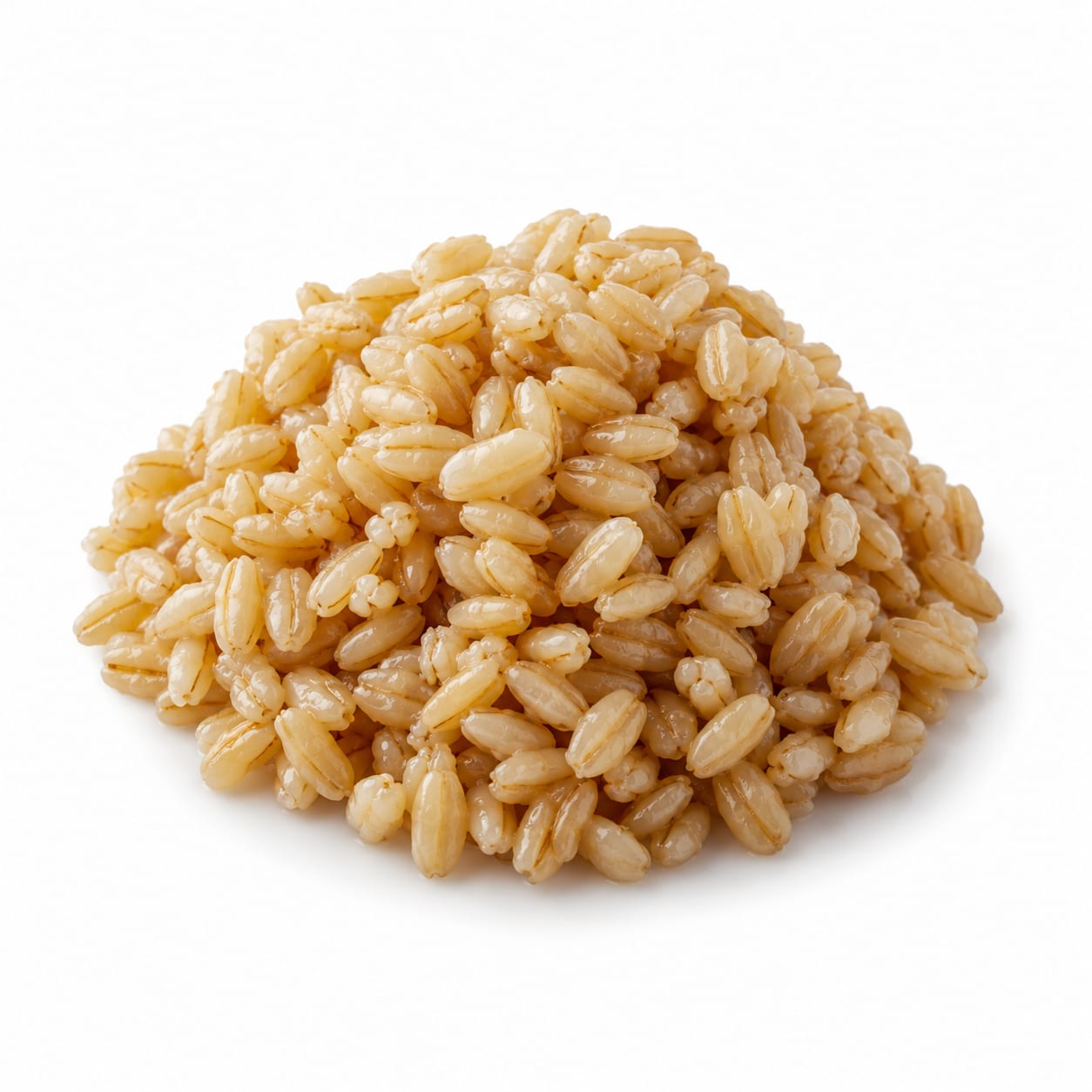
Triticale
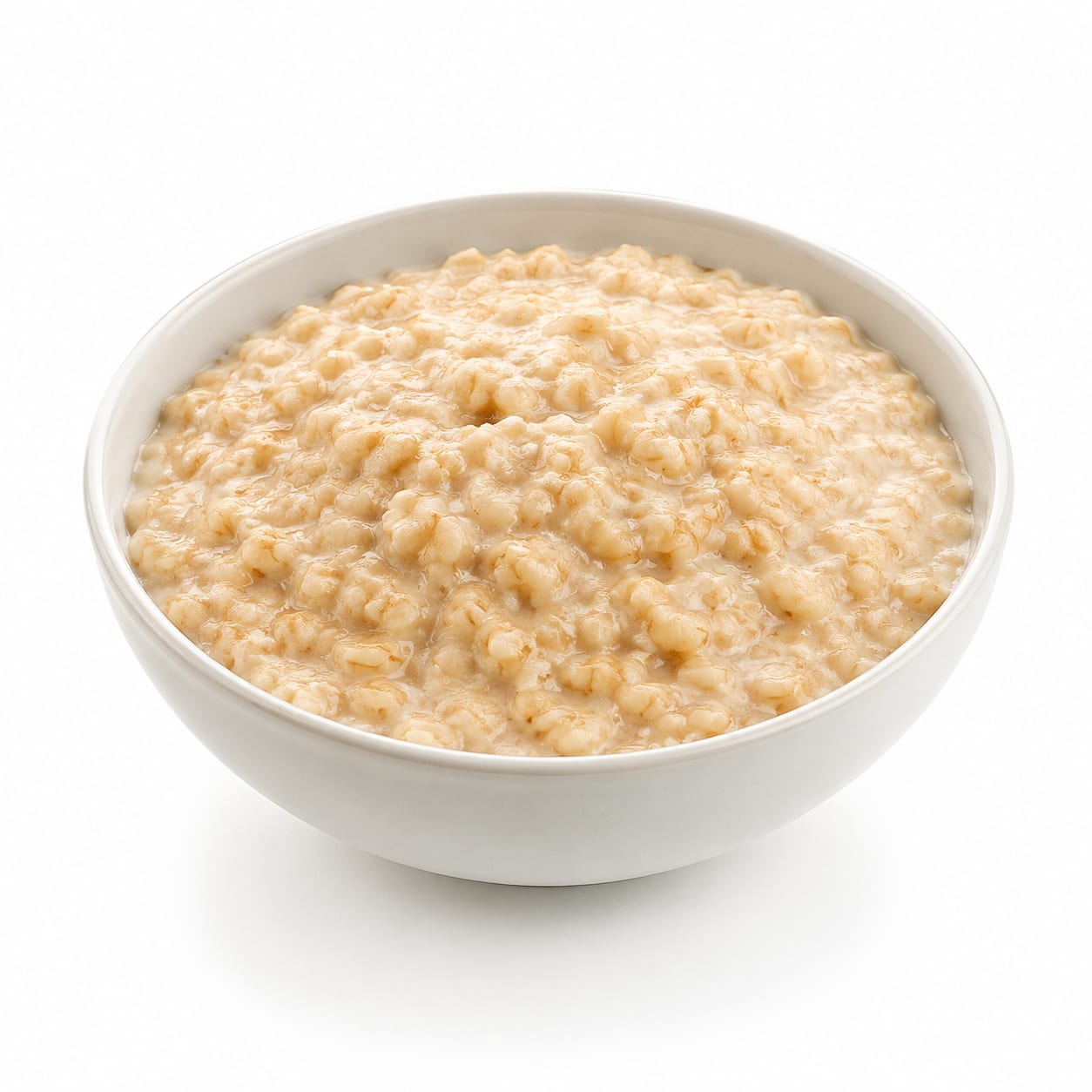
Oats
Oats are the everyday champion for heart health and digestion, while Triticale offers a protein edge for those who tolerate gluten.
Oats score higher due to their exceptional soluble fiber profile, heart health benefits, and broad accessibility. Triticale earns solid points for protein but is held back by its gluten content and niche availability.
You trade the proven cardiovascular benefits and gentle digestion of Oats for the higher protein and unique baking properties of Triticale.
At a glance
Executive summary
Overall
Oats
Healthier
Oats
More practical
Oats
Daily use
Oats
Key comparison lenses
Heart health and cholesterol management
Oats are famously rich in beta-glucan, a soluble fiber clinically proven to lower cholesterol, whereas Triticale lacks this specific benefit.
Gluten sensitivity and digestive tolerance
Triticale contains gluten as a wheat-rye hybrid, while Oats are naturally gluten-free, making this a critical deciding factor for many.
Protein quantity for plant-based diets
Triticale offers a notably higher protein content, which matters for vegans and vegetarians seeking grain-based protein.
Everyday convenience and availability
Oats are a ubiquitous pantry staple, while Triticale can be harder to source and less intuitive to cook with.
Best choice for
Triticale
- Athletes needing higher plant protein
- Home bakers wanting a wheat-rye flavor hybrid
- People looking to boost iron and zinc intake
Oats
- People managing cholesterol or blood pressure
- Those with gluten sensitivity or celiac disease
- Anyone seeking steady morning energy
- People prioritizing digestive regularity
Least suitable for
Triticale
- People with celiac disease or gluten intolerance
- Those seeking a low-glycemic breakfast staple
Oats
- People strictly avoiding carbs
- Those needing a high-protein grain without adding protein powder
Deep comparison
Dimension by dimension
Each lens scores both foods and breaks down who each option suits.
- Dimension 1 · Priority 95Oats
Blood Sugar & Heart Health
Triticale · 68Oats · 96Oats are rich in beta-glucan, a soluble fiber that actively lowers cholesterol and stabilizes blood sugar. Triticale has mostly insoluble fiber.
Tradeoff
You trade Triticale's higher protein for Oats' medically proven cardiovascular benefits.
Why it matters
Beta-glucan acts like a sponge for cholesterol and slows sugar absorption, making Oats a functional food for heart health.
Real-world impact
A bowl of Oats keeps your energy steadier through the morning without the mid-morning crash.
Triticale
- High-protein diets where heart health is secondary
Better for
- Cholesterol management
- Blood sugar stability
Worse for
Oats
- Lowering cholesterol
- Preventing blood sugar spikes
- Steady morning energy
Better for
- Maximizing protein per serving
Worse for
- Dimension 2 · Priority 85Triticale
Protein & Muscle Support
Triticale · 88Oats · 72Triticale contains significantly more protein than Oats, making it a better base for muscle-building meals.
Tradeoff
You get more muscle-supporting protein from Triticale, but miss out on the soluble fiber of Oats.
Why it matters
Higher protein content helps with muscle repair and keeps you feeling full longer on less volume.
Real-world impact
Triticale porridge feels more substantial post-workout, requiring less added protein to hit your macros.
Triticale
- Post-workout recovery meals
- Vegans needing plant protein
- Higher protein breakfasts
Better for
- Those who prefer getting protein from other sources
Worse for
Oats
- Lighter meals that rely on toppings for protein
Better for
- People relying solely on grains for a protein boost
Worse for
- Dimension 3 · Priority 90Oats
Digestive Tolerance & Gluten
Triticale · 50Oats · 92Triticale contains gluten from its wheat parentage, while Oats are naturally gluten-free, making Oats far gentler on sensitive stomachs.
Tradeoff
Triticale's gluten gives it excellent baking elasticity, but excludes those with sensitivities, whereas Oats are universally tolerated.
Why it matters
Gluten can cause inflammation and digestive distress for a significant portion of the population.
Real-world impact
Oats feel lighter and safer in the stomach, especially for anyone prone to bloating after wheat-based meals.
Triticale
- Baking breads that need gluten structure
- People without any gluten issues
Better for
- Celiac disease
- Gluten sensitivity
- IBS flare-ups
Worse for
Oats
- People with gluten intolerance
- Those prone to bloating
- Celiac-friendly diets
Better for
- Making traditional risen breads
Worse for
- Dimension 4 · Priority 80Oats
Everyday Practicality & Versatility
Triticale · 58Oats · 95Oats are a pantry staple available everywhere, while Triticale can be hard to find and less intuitive to cook.
Tradeoff
Triticale offers a unique nutty flavor but requires more effort to source and use, while Oats are effortless.
Why it matters
The best healthy food is the one you can easily buy and consistently prepare.
Real-world impact
You can find Oats at any corner store and make them in 2 minutes; Triticale might require a specialty health food store and longer cooking times.
Triticale
- Adventurous home bakers
- Diversifying grain rotation
Better for
- Busy mornings
- Limited grocery access
Worse for
Oats
- Quick breakfasts
- Meal prep
- Budget-friendly eating
- Easy grocery shopping
Better for
- Those bored with standard grain options
Worse for
Timeline
Health impact over time
Short-term
Hours to days
Triticale
- Provides sustained energy from complex carbs
- May cause bloating or sluggishness in gluten-sensitive individuals
Oats
- Promotes quick satiety due to fiber swelling in the stomach
- Gentle and soothing on the digestive tract
Long-term
Months to years
Triticale
- Supports muscle maintenance from higher protein
- Potential for chronic gut inflammation if gluten-intolerant
Oats
- Reduced cardiovascular risk from daily beta-glucan intake
- Improved gut microbiome diversity from soluble fiber
Risk profile
Safety & processing
Both Triticale and Oats are whole grains typically sold with minimal processing and no artificial additives, making them clean carbohydrate sources.
Triticale
Gluten exposure
highContains gluten from its wheat parentage, making it unsafe for those with celiac disease or severe gluten intolerance.
Oats
Cross-contamination with gluten
mediumOften processed in facilities that handle wheat; certified gluten-free oats are required for those with celiac disease.
Who wins for whom
Audience fit
Same foods, different winners depending on your goal.
children
OatsOats are milder in flavor, easier to digest, and less likely to cause tummy aches.
daily consumption
OatsOats are easier to digest, widely accessible, and offer daily cardiovascular protection.
diabetes
OatsThe soluble fiber in Oats slows carbohydrate absorption, preventing sharp blood sugar spikes.
elderly
OatsCrucial for heart health and gentle on aging digestive systems.
muscle gain
TriticaleTriticale provides more protein per serving, giving muscle synthesis a slight edge.
weight loss
OatsOats' beta-glucan fiber creates a gel in the gut, keeping you full longer on fewer calories.
Your move
Decision guide
Choose Triticale
- You want to boost your plant protein intake
- You have no gluten sensitivity and want a unique baking grain
- You are an athlete looking for alternative carb sources
Choose Oats
- You want to lower your cholesterol
- You have gluten sensitivity
- You need a quick, reliable, and comforting breakfast
Either works if
- You are looking for whole-grain carbohydrates
- You want to increase your daily fiber intake
- You enjoy hot breakfast cereals
Avoid both if
- You are on a strict ketogenic diet
- You have a severe grain allergy
Final recommendation
Make Oats your daily go-to for heart health and convenience, but keep Triticale in rotation if you tolerate gluten and want a protein boost or a change of pace.
Practical
Consumer tips
- 1
Look for certified gluten-free Oats if you have celiac disease, as standard Oats are often cross-contaminated with wheat.
- 2
Soaking Triticale overnight can reduce cooking time and improve its digestibility.
- 3
Add nuts, seeds, or a scoop of protein powder to Oatmeal to close the protein gap with Triticale.
- 4
Try Triticale flakes as a direct substitute for rolled Oats if you want the flavor with a quicker cook time.