
Nutrition comparison
Triticale vs Wheat Berries: Nutrition, Protein Quality, and Which Grain to Choose
Triticale offers better protein quality and more fiber than Wheat Berries, but Wheat Berries win on availability and everyday practicality. Compare nutrition, cooking, and health benefits.
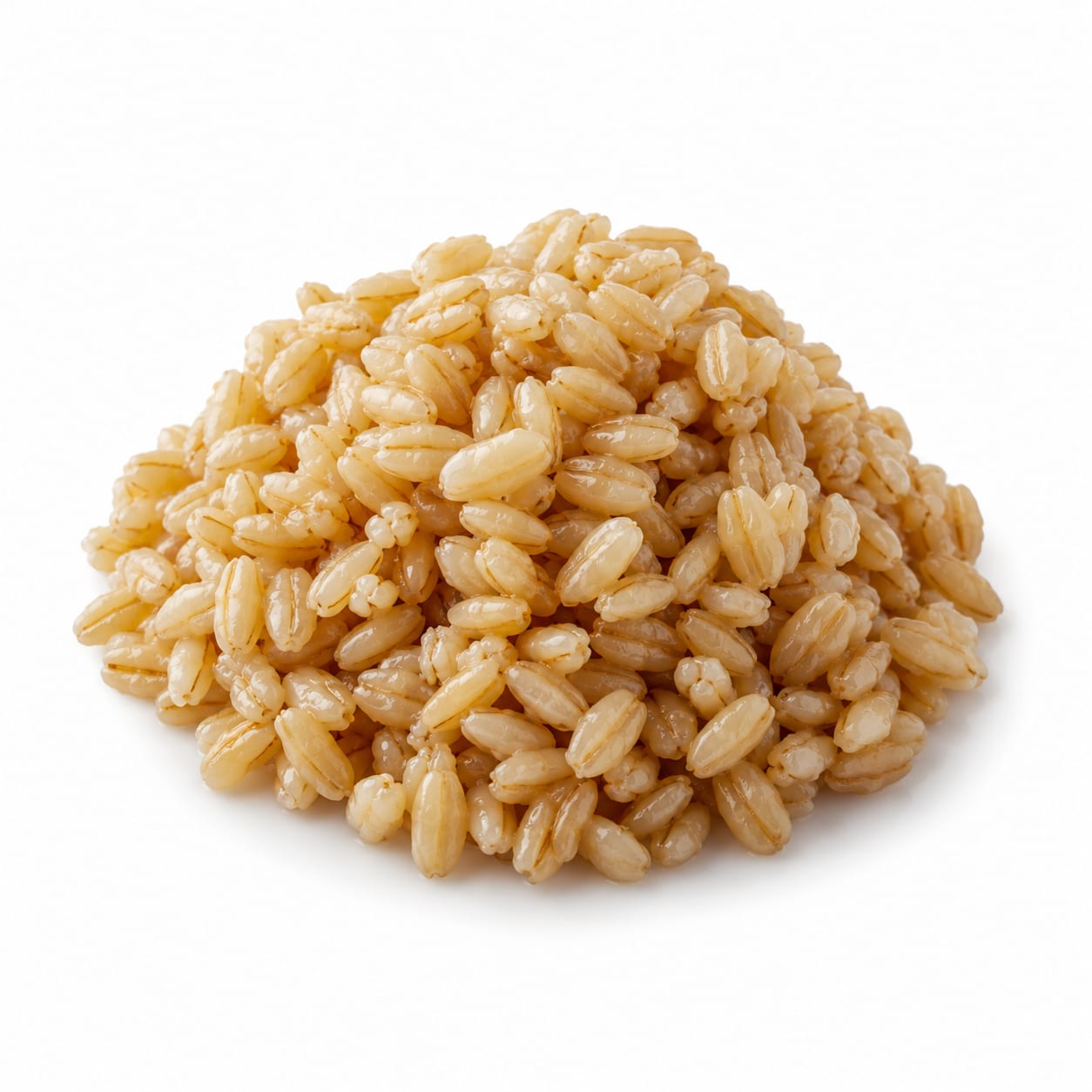
Triticale
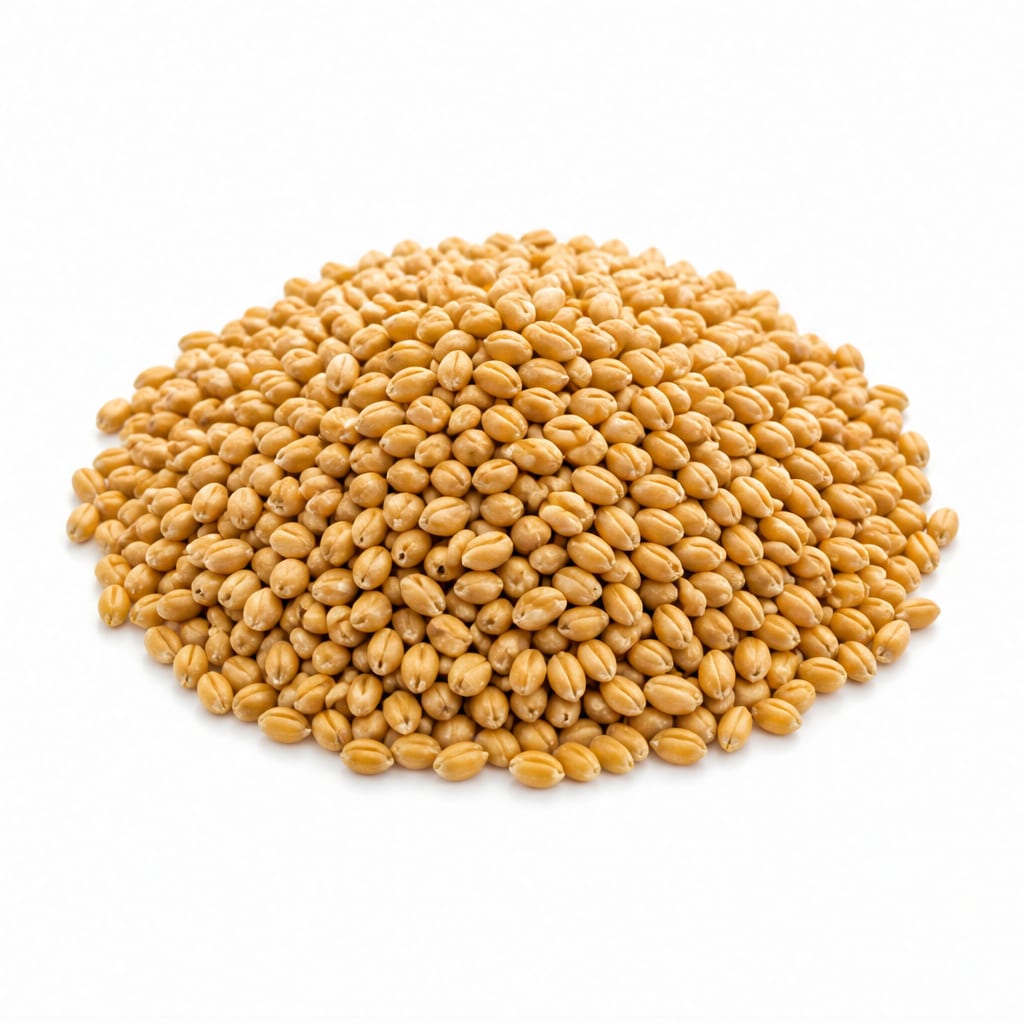
Wheat Berries
Triticale wins on protein quality and lysine content, but Wheat Berries win on availability, culinary familiarity, and everyday practicality.
Triticale holds a slight nutritional edge, especially in protein quality, but Wheat Berries score higher overall due to vastly better accessibility, recipe support, and everyday usability. The two-point gap reflects that practicality often outweighs marginal nutritional differences in real life.
Slightly superior nutrition versus significantly easier access and cooking confidence.
At a glance
Executive summary
Overall
It depends
Healthier
Triticale
More practical
Wheat Berries
Daily use
Wheat Berries
Key comparison lenses
whole grain nutritional superiority
Both are whole grains, so the core question is which delivers better nutrition per serving
protein quality and amino acid completeness
Triticale's rye parentage gives it more lysine, making its protein profile more complete than wheat alone
kitchen practicality and availability
Wheat berries are far easier to find and cook with, while triticale remains niche
digestive tolerance and gluten sensitivity
Both contain gluten, but triticale's rye component may affect digestion differently
long-term dietary sustainability
A grain you can actually find and enjoy cooking matters more than marginal nutritional edges
Best choice for
Triticale
- Athletes seeking more complete plant protein
- Anyone wanting to diversify grain intake beyond common wheat
- People prioritizing amino acid balance from whole grains
- Farmers or homesteaders growing their own grain
Wheat Berries
- Home cooks wanting a reliable, versatile whole grain
- Meal preppers who value consistent availability
- Anyone new to whole grain cooking
- People who want a chewy, satisfying grain for salads and bowls
Least suitable for
Triticale
- Anyone with celiac disease or gluten sensitivity
- People who need ingredients available at any grocery store
- Those unfamiliar with cooking alternative grains
Wheat Berries
- Anyone with celiac disease or wheat allergy
- People seeking the most diverse amino acid profile from a single grain
- Those bored with common wheat products wanting novelty
Deep comparison
Dimension by dimension
Each lens scores both foods and breaks down who each option suits.
- Dimension 1 · Priority 90Triticale
Protein Quality and Amino Acid Balance
Triticale · 82Wheat Berries · 68Triticale delivers more protein per serving and a better amino acid profile thanks to its rye genetics, which contribute lysine that wheat lacks.
Tradeoff
The difference is meaningful for plant-based eaters relying on grains as a protein source, but modest for omnivores getting lysine elsewhere.
Why it matters
Lysine is the limiting amino acid in wheat. Triticale partially solves this, making its protein more usable by the body.
Real-world impact
If grains are your main protein source, Triticale gives you a slight edge in building and repairing muscle. If you eat beans or animal protein regularly, this advantage shrinks.
Triticale
- Vegans relying heavily on grains for protein
- Athletes wanting more complete plant protein
Better for
Wheat Berries
- Plant-based eaters not complementing with lysine-rich foods
Worse for
- Dimension 2 · Priority 85Triticale
Fiber and Digestive Health
Triticale · 79Wheat Berries · 74Triticale contains slightly more fiber than Wheat Berries, particularly soluble fiber from its rye parentage, which feeds beneficial gut bacteria more effectively.
Tradeoff
More fiber means better gut health but also more potential for bloating if you increase intake too quickly.
Why it matters
Soluble fiber from rye genetics helps stabilize blood sugar and supports a healthier gut microbiome compared to wheat alone.
Real-world impact
Triticale may keep you fuller slightly longer and support smoother digestion once your body adapts. Transitioning too fast can cause gas and discomfort.
Triticale
- People wanting better gut microbiome support
- Those seeking steadier blood sugar from grains
Better for
- Anyone ramping up fiber too quickly
Worse for
Wheat Berries
- People with sensitive digestion who need gentler fiber
Better for
- Dimension 3 · Priority 88Wheat Berries
Availability and Everyday Access
Triticale · 35Wheat Berries · 90Wheat Berries are stocked in most health food stores and many mainstream groceries. Triticale is genuinely hard to find outside specialty shops or online orders.
Tradeoff
The best grain nutritionally means nothing if you cannot consistently buy it.
Why it matters
Consistency drives health outcomes. A grain you can grab any week beats one you order sporadically.
Real-world impact
Wheat Berries fit into normal shopping routines. Triticale requires planning, online orders, or specialty store trips, which creates friction most people will not sustain.
Triticale
- People without access to specialty or online shopping
- Anyone unwilling to plan grain purchases in advance
Worse for
Wheat Berries
- Busy households needing reliable ingredient access
- Rural shoppers with limited store options
- Anyone who values one-stop grocery trips
Better for
- Dimension 4 · Priority 82Wheat Berries
Culinary Versatility and Recipe Support
Triticale · 45Wheat Berries · 80Wheat Berries have thousands of recipes, established cooking techniques, and community knowledge. Triticale has very limited recipe resources.
Tradeoff
Wheat Berries inspire confidence in the kitchen. Triticale requires experimentation and willingness to adapt.
Why it matters
People cook what they know. Abundant recipes lower the barrier to actually eating the grain regularly.
Real-world impact
With Wheat Berries you can find a salad, soup, or porridge recipe in seconds. With Triticale you are often guessing at cook times and flavor pairings.
Triticale
- Adventurous cooks who enjoy experimentation
Better for
- Anyone intimidated by cooking without a recipe
Worse for
Wheat Berries
- Beginners learning whole grain cooking
- Meal preppers wanting tested, reliable recipes
- Families needing crowd-pleasing dishes
Better for
- Dimension 5 · Priority 75Triticale
Mineral Density
Triticale · 78Wheat Berries · 72Triticale edges out Wheat Berries in several minerals including zinc, iron, and manganese, benefiting from its hybrid vigor.
Tradeoff
The mineral difference is real but small. Phytic acid in both grains reduces absorption, so soaking matters more than the raw numbers.
Why it matters
Hybrid vigor often gives triticale slightly higher mineral concentrations, but preparation method affects what your body actually absorbs.
Real-world impact
Soaking or sprouting either grain matters far more than the small mineral gap between them. Focus on preparation over selection.
Triticale
- Anyone not soaking or sprouting grains who wants the highest starting mineral content
Better for
Wheat Berries
- Dimension 6 · Priority 80Triticale
Blood Sugar Stability
Triticale · 76Wheat Berries · 70Triticale's higher soluble fiber and slightly lower glycemic impact make it marginally better for blood sugar control.
Tradeoff
Both are whole grains that beat refined options easily. The gap between them is small compared to the gap between either and white flour.
Why it matters
Soluble fiber slows glucose absorption. Triticale inherits this trait from rye, giving it a slight edge for metabolic health.
Real-world impact
After a Triticale-based meal you may notice slightly less of an energy dip. Both grains feel vastly better than refined wheat products.
Triticale
- People with prediabetes managing blood sugar
- Anyone prone to afternoon energy crashes
Better for
Wheat Berries
Timeline
Health impact over time
Short-term
Hours to days
Triticale
- Higher fiber may cause bloating if introduced too quickly
- Slightly steadier energy after meals due to soluble fiber content
- More filling per serving, potentially reducing overeating
Wheat Berries
- Gentler digestive adjustment for most people
- Reliable sustained energy typical of whole grains
- Satisfying chewiness promotes mindful eating pace
Long-term
Months to years
Triticale
- Better amino acid intake supports muscle maintenance with aging
- Superior soluble fiber intake may reduce cardiovascular risk markers
- Dietary diversity from consuming a less common grain supports gut microbiome variety
Wheat Berries
- Consistent whole grain intake reduces chronic disease risk reliably
- Well-established long-term health data from decades of wheat consumption studies
- Familiarity makes long-term adherence more likely
Risk profile
Safety & processing
Both are whole, minimally processed grains sold with minimal intervention. Triticale is a human-made hybrid but bred through conventional crossing, not genetic modification. Wheat Berries are simply whole wheat kernels with nothing added or removed. Neither raises processing concerns.
Triticale
Gluten exposure
highTriticale contains gluten from both wheat and rye parentage. Strictly unsafe for anyone with celiac disease or gluten sensitivity.
Contamination in supply chain
mediumSmaller production scale means less rigorous allergen testing and potential cross-contamination in shared facilities.
Wheat Berries
Gluten exposure
highWheat Berries contain gluten and are unsafe for anyone with celiac disease or wheat allergy.
Pesticide residue
mediumConventionally grown wheat is among the more pesticide-treated grains. Choosing organic Wheat Berries significantly reduces this concern.
Who wins for whom
Audience fit
Same foods, different winners depending on your goal.
children
Wheat BerriesWheat Berries are easier to find, cook, and incorporate into family meals. The nutritional gap is too small to justify the availability hassle for kids.
daily consumption
Wheat BerriesConsistency wins. Wheat Berries are available, well-understood, and easy to integrate into daily cooking without extra effort.
diabetes
TriticaleHigher soluble fiber and marginally lower glycemic impact give Triticale a slight edge for blood sugar management, though both are solid choices.
elderly
Wheat BerriesFamiliarity, easier access, and gentler fiber content make Wheat Berries more practical for older adults. Long-term adherence matters most.
muscle gain
TriticaleMore complete amino acid profile and higher protein content make Triticale a better plant-based protein contributor for muscle repair.
weight loss
TriticaleSlightly more protein and fiber per serving increases fullness, making it easier to eat less overall. The difference is small but consistent.
Your move
Decision guide
Choose Triticale
- You can source it easily and want the nutritional edge
- You eat mostly plant-based and need more complete grain protein
- You enjoy exploring lesser-known grains and adapting recipes
- Blood sugar management is a top priority for you
Choose Wheat Berries
- You want a reliable whole grain available at any grocery store
- You value tested recipes and cooking confidence
- You are feeding a family and need consistent, crowd-pleasing options
- You are new to whole grain cooking and want a forgiving starting point
Either works if
- You have no gluten sensitivity and want a nutritious whole grain
- You are willing to soak or sprout for maximum mineral absorption
- You rotate grains regularly and want variety in your diet
Avoid both if
- You have celiac disease, wheat allergy, or significant gluten sensitivity
- You are strictly following a grain-free or paleo-style protocol
Final recommendation
Choose Wheat Berries for everyday eating because availability and consistency matter more than marginal nutritional differences. Seek out Triticale when you find it and want to diversify your grain intake, especially if you eat plant-based and care about amino acid completeness. The best grain is always the one you will actually cook and eat regularly.
Practical
Consumer tips
- 1
Soak both grains overnight to reduce phytic acid and improve mineral absorption significantly
- 2
If buying Triticale online, check for whole grain versus cracked or flour forms, as nutrition differs
- 3
Choose organic Wheat Berries when possible to reduce pesticide exposure from conventional wheat farming
- 4
Cook a large batch of either grain and refrigerate for up to five days to make daily use realistic
- 5
Introduce Triticale gradually if you are not used to high-fiber grains to avoid bloating and gas
- 6
Substitute Triticale for Wheat Berries in any recipe at a one-to-one ratio, but expect slightly earthier flavor