
Nutrition comparison
Triticale vs Brown Rice: Which Grain is Healthier?
Compare Triticale and Brown Rice to see which grain wins for protein, digestion, and daily use. Learn the tradeoffs between gluten-free safety and nutritional density.
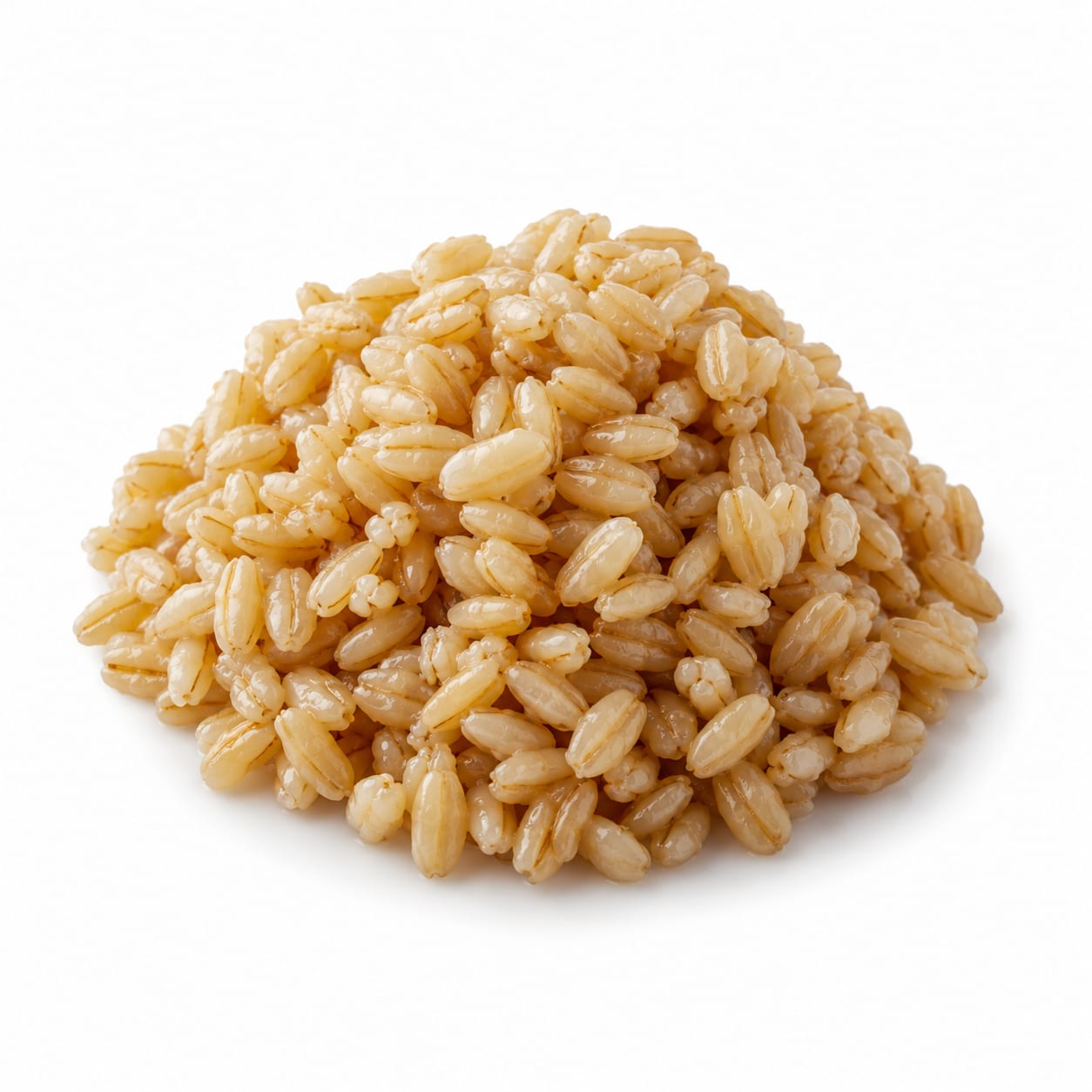
Triticale
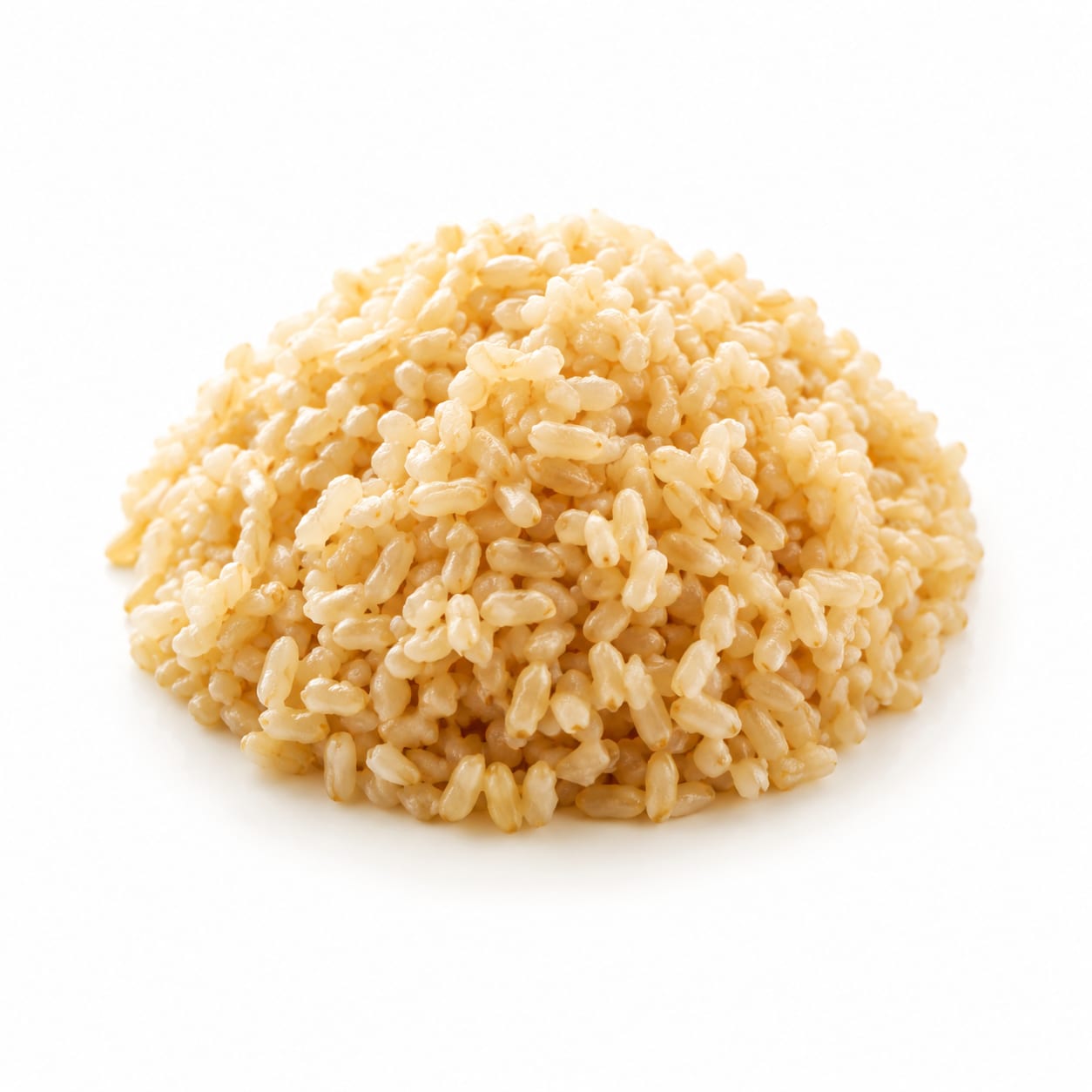
Brown Rice
Triticale wins on pure nutritional density and protein, but Brown Rice wins for digestive peace of mind and gluten-free safety.
Triticale scores higher for nutritional value but loses ground on digestive compatibility and safety. Brown Rice scores consistently well for being a gentle, reliable, and allergen-friendly carb, though it lacks the protein punch.
You trade higher protein and better micronutrients in Triticale for the guaranteed digestive comfort and gluten-free nature of Brown Rice.
At a glance
Executive summary
Overall
It depends
Healthier
It depends
More practical
Brown Rice
Daily use
Brown Rice
Key comparison lenses
gluten tolerance and digestive compatibility
Triticale contains gluten while Brown Rice is naturally gluten-free, making this the primary deciding factor for many consumers.
protein quality and quantity
Triticale is a wheat-rye hybrid with significantly higher and better-quality protein than Brown Rice.
blood sugar management
Both are whole grains, but their different fiber and protein profiles impact blood sugar stability differently.
arsenic exposure risk
Brown Rice tends to accumulate more inorganic arsenic than other grains, which is a notable long-term safety concern.
Best choice for
Triticale
- Athletes needing more plant-based protein
- People wanting to boost iron and zinc intake
- Those without gluten sensitivities seeking nutritional density
Brown Rice
- Anyone with celiac disease or gluten intolerance
- People with sensitive stomachs or IBS
- Those looking for a widely available, easy-to-cook staple
Least suitable for
Triticale
- People with celiac disease or wheat allergies
- Those on a low-gluten or gluten-free diet
- Individuals prone to bloating from wheat or rye
Brown Rice
- People needing high protein from their carb sources
- Those concerned about arsenic in their daily diet
- Individuals looking for dense, filling grains to curb hunger
Deep comparison
Dimension by dimension
Each lens scores both foods and breaks down who each option suits.
- Dimension 1 · Priority 95Triticale
Protein Content & Quality
Triticale · 88Brown Rice · 52Triticale has roughly 30-40% more protein than Brown Rice and a better amino acid profile thanks to its wheat-rye genetics.
Tradeoff
You get a much more satiating and muscle-supportive grain with Triticale, but you must tolerate gluten to get this benefit.
Why it matters
Higher protein grains keep you fuller for longer and require less added protein at mealtime to balance your plate.
Real-world impact
A bowl of Triticale will keep you satisfied well into your next meal, whereas Brown Rice might leave you hunting for a snack an hour later.
Triticale
- Athletes needing muscle recovery support
- Vegans and vegetarians seeking higher protein staples
Better for
- People with severe gluten intolerance
Worse for
Brown Rice
- Those who prioritize easy digestion over protein density
Better for
- Those relying on grains as a secondary protein source
Worse for
- Dimension 2 · Priority 95Brown Rice
Digestive Tolerance & Allergens
Triticale · 40Brown Rice · 95Brown Rice is naturally gluten-free and gentle on the gut, while Triticale contains gluten and can trigger sensitivities.
Tradeoff
Brown Rice is universally safe for the gut but nutritionally lighter; Triticale is nutrient-dense but carries a high allergen risk for some.
Why it matters
Eating a food that causes inflammation or bloating negates its nutritional benefits entirely.
Real-world impact
If you have hidden gluten sensitivity, Triticale will leave you feeling sluggish and bloated, while Brown Rice feels light and comfortable every time.
Triticale
- People with cast-iron stomachs and no wheat issues
Better for
- Anyone with diagnosed or suspected celiac disease
Worse for
Brown Rice
- Anyone with IBS, celiac disease, or wheat sensitivity
- People experiencing unexplained bloating after meals
Better for
- Those who find rice too bland or unsatisfying
Worse for
- Dimension 3 · Priority 80Triticale
Micronutrient Density
Triticale · 82Brown Rice · 65Triticale provides more iron, zinc, and B vitamins than Brown Rice, making it a stronger nutritional powerhouse.
Tradeoff
You gain better mineral support with Triticale, but the phytic acid in both grains means you still need to soak or sprout them for best absorption.
Why it matters
Iron and zinc are common deficiencies, especially in plant-based diets, and choosing mineral-rich grains helps close that gap.
Real-world impact
Regularly choosing Triticale over Brown Rice can subtly boost your energy levels by supporting better iron stores over time.
Triticale
- Women prone to iron deficiency
- Plant-based eaters needing a mineral boost
Better for
- People who don't properly prepare grains to reduce phytic acid
Worse for
Brown Rice
- Those who get their minerals from varied diets and don't need grain-based iron
Better for
- Those relying heavily on a single grain for micronutrients
Worse for
- Dimension 4 · Priority 75Triticale
Blood Sugar Stability
Triticale · 76Brown Rice · 68Triticale's higher protein and fiber content slows down digestion more effectively, leading to a steadier blood sugar response.
Tradeoff
Both are solid whole-grain choices, but Brown Rice can cause a slightly faster blood sugar rise if eaten alone.
Why it matters
Steadier blood sugar means fewer afternoon energy crashes and less cravings later in the day.
Real-world impact
Triticale gives you a slower, longer burn of energy, while Brown Rice might require pairing with fibrous veggies or healthy fats to avoid a quick drop.
Triticale
- Pre-diabetics wanting better glycemic control from carbs
- People prone to afternoon energy crashes
Better for
- Those who find dense grains too heavy before a workout
Worse for
Brown Rice
- Endurance athletes needing slightly faster carb availability
Better for
- People who eat grains on their own without protein or fat
Worse for
Timeline
Health impact over time
Short-term
Hours to days
Triticale
- Provides long-lasting satiety due to higher protein
- May cause bloating or brain fog in gluten-sensitive individuals
Brown Rice
- Offers quick, light energy that is easy on the stomach
- May leave you hungry sooner if not paired with protein
Long-term
Months to years
Triticale
- Supports better muscle maintenance and iron status
- Risk of chronic gut inflammation if silent gluten intolerance is present
Brown Rice
- Provides safe, sustainable daily energy for sensitive guts
- Potential accumulation of inorganic arsenic if consumed excessively without variety
Risk profile
Safety & processing
Both Triticale and Brown Rice are whole grains with minimal processing when purchased in their raw form. Neither typically contains artificial additives, making them both clean, natural carbohydrate sources.
Triticale
Gluten Exposure
highTriticale contains gluten and is strictly unsafe for those with celiac disease or severe wheat allergies.
Brown Rice
Inorganic Arsenic
mediumBrown Rice tends to absorb more arsenic from soil and water than other grains. Daily heavy consumption can pose long-term health risks.
Who wins for whom
Audience fit
Same foods, different winners depending on your goal.
children
Brown RiceBrown Rice is gentler on developing digestive systems and avoids early gluten exposure if there are unknown sensitivities.
daily consumption
Brown RiceBrown Rice is safer to eat every day due to the lack of gluten and widespread digestive tolerance, provided you vary your grains to manage arsenic.
diabetes
TriticaleThe denser protein and fiber matrix in Triticale slows glucose absorption, leading to steadier blood sugar levels.
elderly
Brown RiceBrown Rice is easier to chew, digest, and is safer for aging digestive systems that may be more sensitive to gluten.
muscle gain
TriticaleTriticale provides significantly more protein and a better amino acid profile to support muscle repair and growth.
weight loss
TriticaleTriticale's higher protein and fiber content creates a stronger feeling of fullness, making it easier to eat less overall.
Your move
Decision guide
Choose Triticale
- You have no gluten sensitivity and want maximum nutrition from your grains
- You are active and need more protein to support your lifestyle
- You want a grain that keeps you full for hours without crashing
Choose Brown Rice
- You are gluten-free, have IBS, or experience bloating with wheat
- You want a gentle, reliable everyday carb that is easy to prepare
- You need a neutral base for meals that won't overpower other flavors
Either works if
- You simply want a whole-grain carbohydrate source and tolerate gluten well
- You are rotating your grains to ensure a diverse nutrient intake
Avoid both if
- You are on a strict low-carb or ketogenic diet
- You have severe grain allergies that extend beyond gluten
Final recommendation
Let your gut decide. If you digest wheat well, Triticale is the nutritional upgrade that will keep you fuller and better nourished. If you have any doubts about gluten or want a gentle daily staple, Brown Rice is the reliable, worry-free choice.
Practical
Consumer tips
- 1
Soak Brown Rice overnight and rinse thoroughly before cooking to significantly reduce arsenic levels.
- 2
If trying Triticale, start with a small portion to see how your digestive system handles the gluten and fiber load.
- 3
Pair Brown Rice with beans or lentils to create a complete protein, mimicking what Triticale offers naturally.
- 4
Look for whole berry or whole grain Triticale rather than refined flour to get the full blood sugar and fiber benefits.